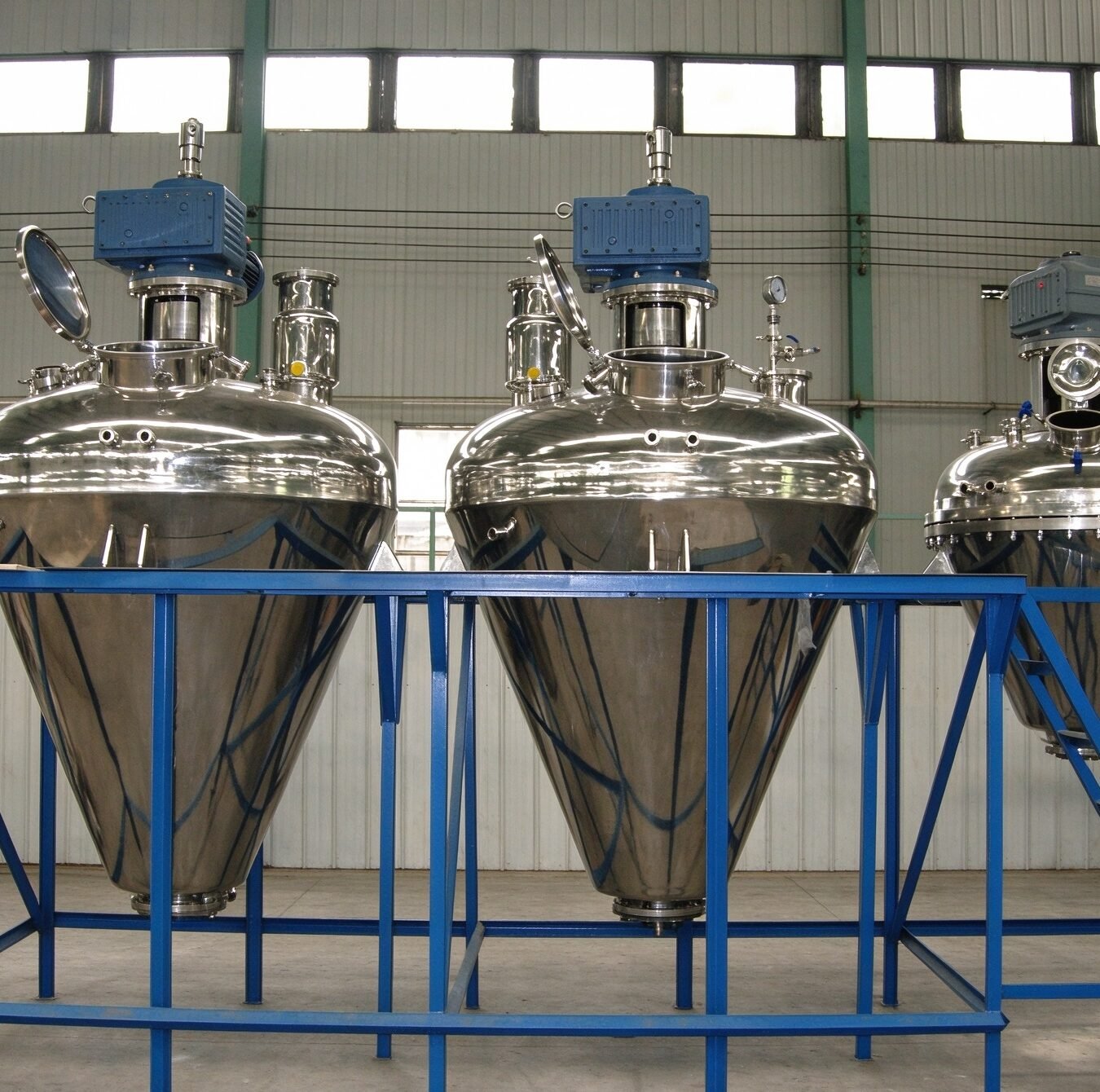
Conical Vacuum Dryer
Engineered for Your Process and Project Budget
JEXDRY designs custom conical vacuum dryers and supporting systems for industrial projects that need process-focused engineering, flexible configurations, and English technical support.
- Flexible Equipment Configuration
- Integrated Drying Systems
- Competitive Project Pricing
- English Technical Support
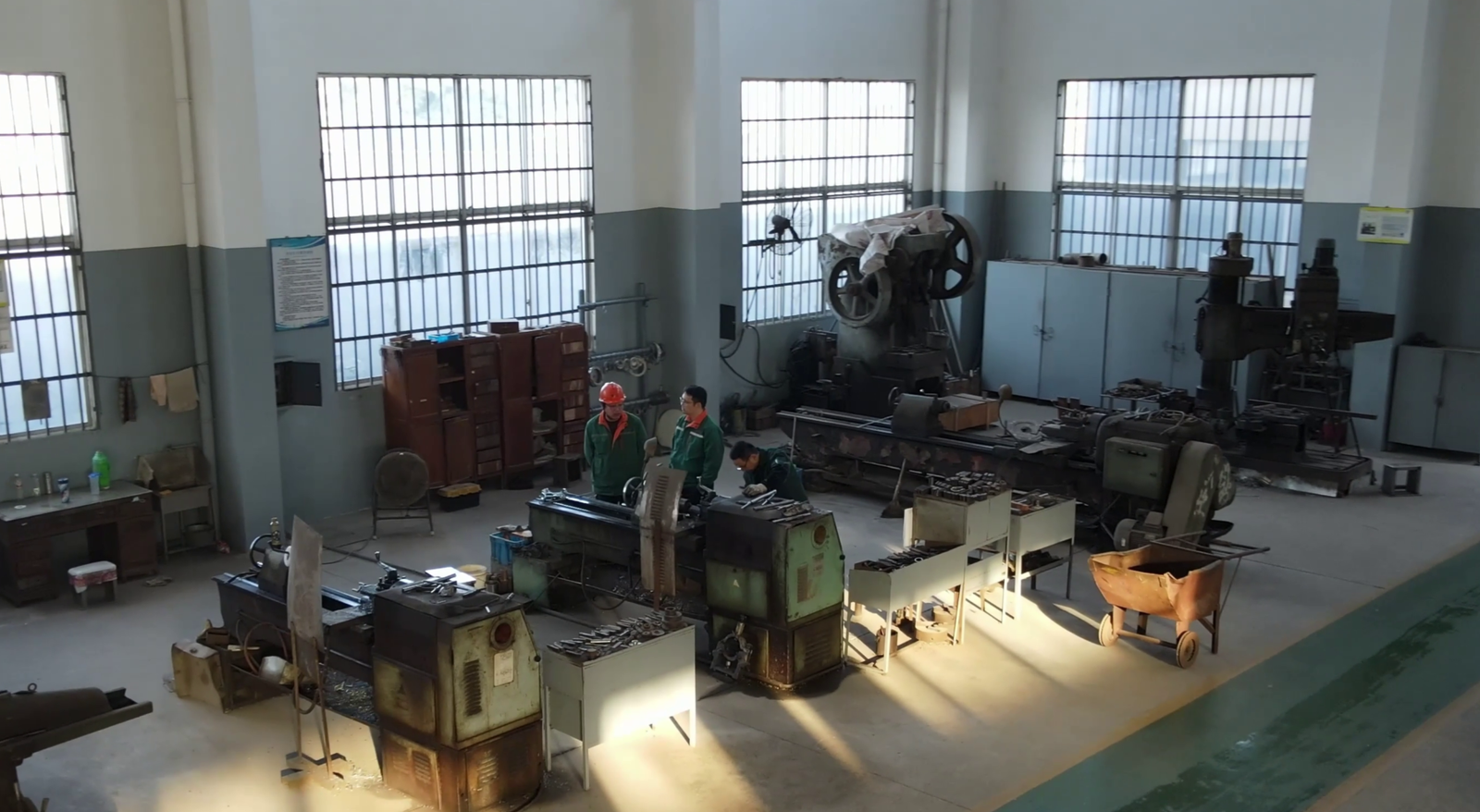
Why JEXDRY for Your Industrial Project?
A flexible, cost-conscious option for projects evaluating
Flexible Customization
Configure equipment around your material, batch size, contact materials, utilities, installation space, and operational requirements.
Cost-Conscious Engineering
Match solutions to your project budget by defining necessary functions, material grades, automation levels, and auxiliary scopes clearly.
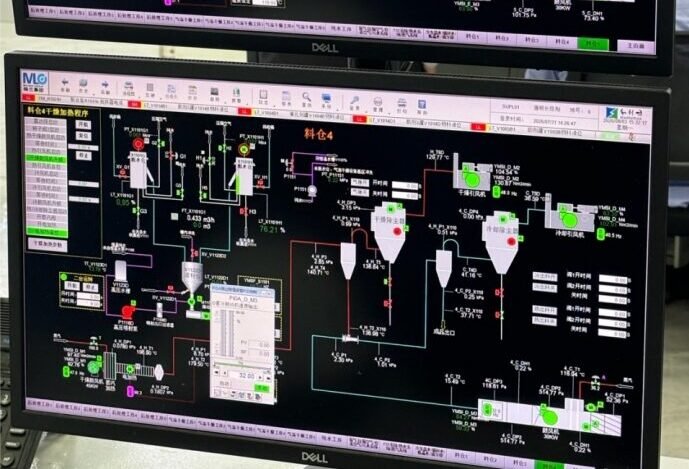
Equipment & System Coordination
Ensure seamless integration between the main dryer unit and heating, vacuum, vapor treatment, controls, and site interfaces.
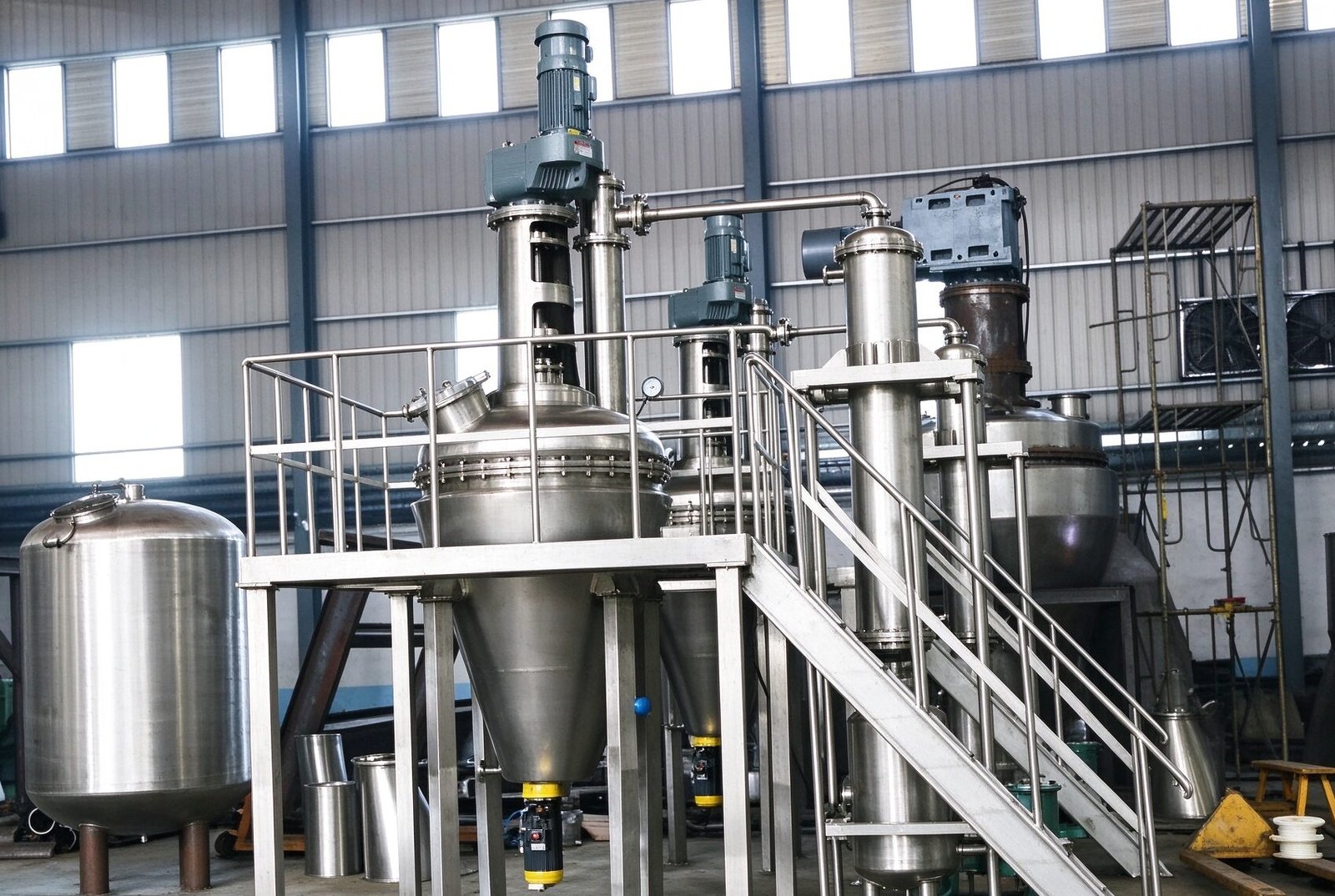
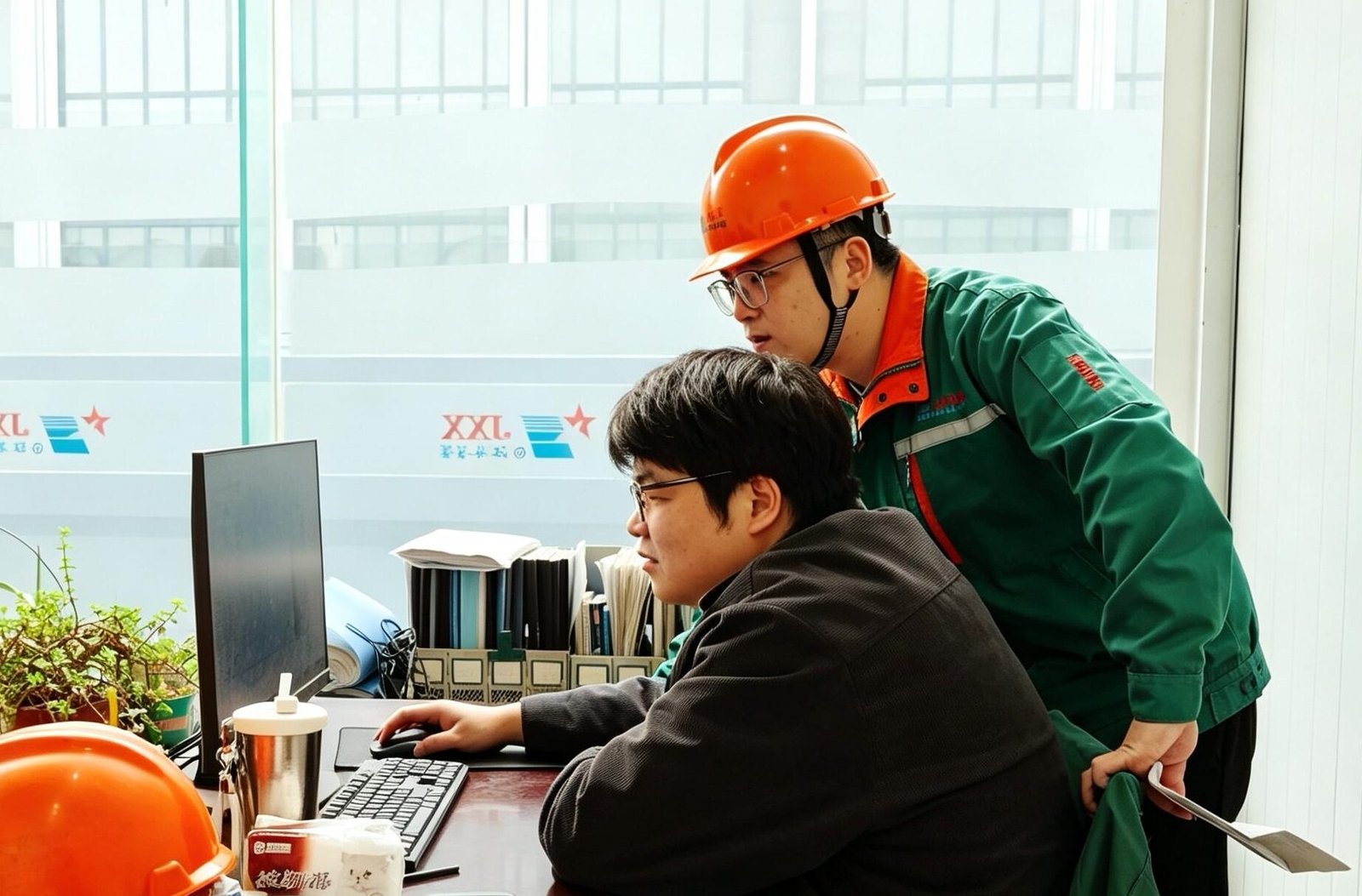
English Technical Communication
Discuss materials, specifications, supply boundaries, and technical issues directly in English, ensuring project clarity.
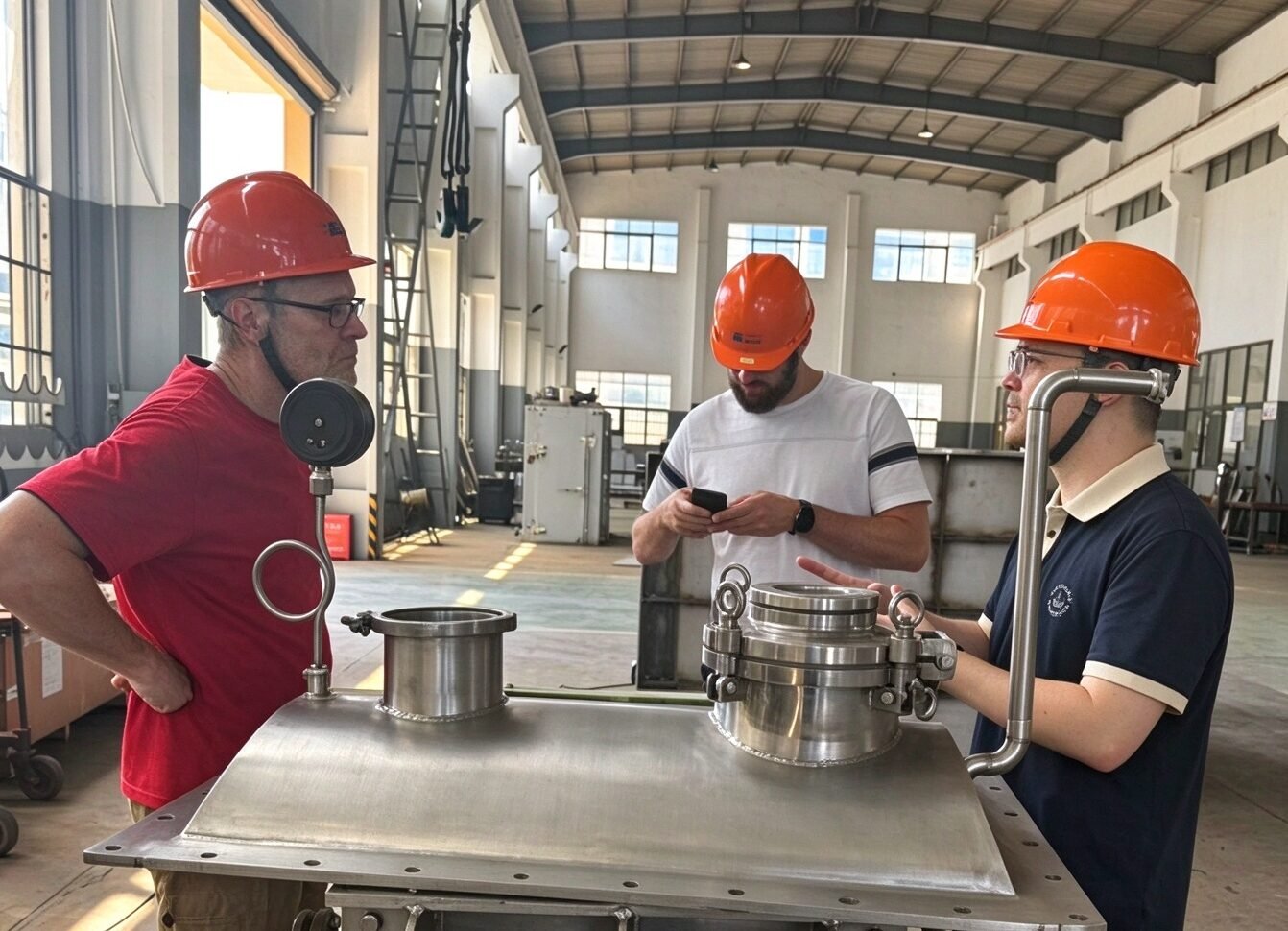
What Is a Conical Vacuum Dryer?
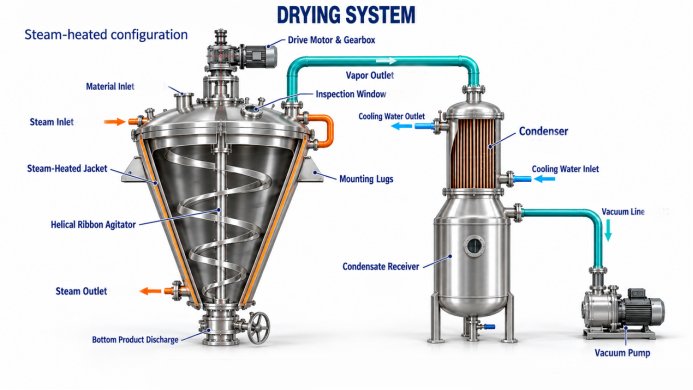
A single-cone ribbon vacuum dryer performs batch drying under reduced pressure. It utilizes a heated jacket, internal ribbon agitation, and vapor extraction to mix and dry materials simultaneously.
Core Functions:
-
Vacuum: Lowers the boiling point of volatile components, allowing evaporation at lower temperatures.
-
Heating: Provides the necessary thermal energy for evaporation, typically via a heating jacket (hot water, steam, or thermal oil).
-
Ribbon Agitation: Promotes material turnover, prevents agglomeration, and continuously renews contact with the heated surfaces.
-
Vapor Removal: Directs evaporated moisture or solvents to corresponding condenser and vacuum systems.
4-Step Process Flow:
Conical Vacuum Dryer Models and Specifications
Select by material behavior and process requirements, not by volume alone.
| Model | Listed Volume (L) | Published Batch Handling Capacity (kg/batch) | Listed Material Fineness (mesh) | Motor Power (kW) | Action |
|---|---|---|---|---|---|
| CHD-1000 | 1000 | 400–600 | 20–600 | 7.5 | Discuss This Model |
| CHD-1500 | 1500 | 600–900 | 20–600 | 11 | Discuss This Model |
| CHD-2000 | 2000 | 800–1200 | 20–600 | 15 | Discuss This Model |
| CHD-3000 | 3000 | 1200–1800 | 20–600 | 22 | Discuss This Model |
| CHD-4000 | 4000 | 1600–2400 | 20–600 | 30 | Discuss This Model |
Note: Published specifications are provided for initial selection. Actual batch loading and the final configuration depend on material properties and process requirements. Motor power refers to the agitator drive, not the entire system.
Need a different configuration?
Share your batch size, material, and drying targets for a tailored recommendation.
Choose the Supply Scope Your Project Needs
From a single vessel to a fully integrated drying package, we align with your site's existing utilities.
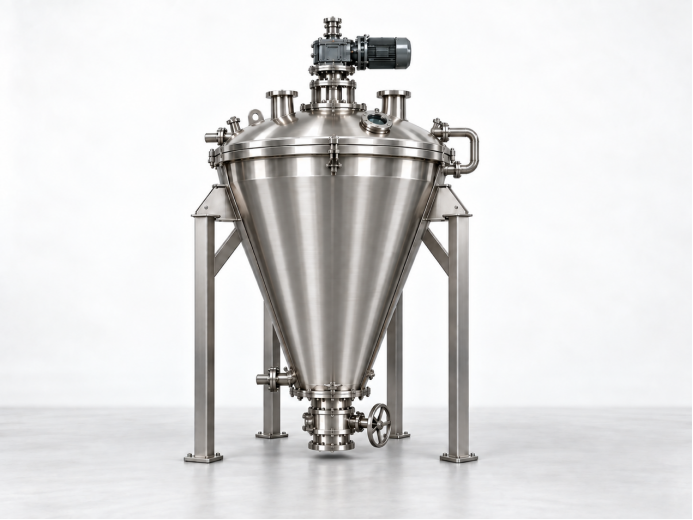
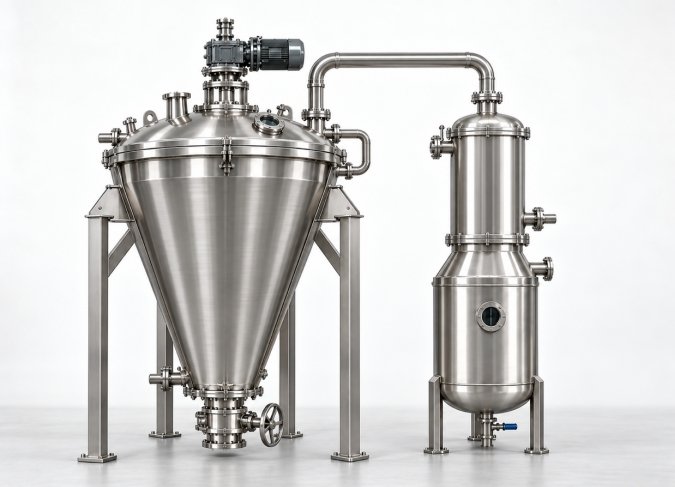
Dryer Unit
Ideal for projects with existing heating, vacuum, or utility systems. Focuses on the main vessel configuration, agitator, and connection interfaces.
Discuss: Vessel specs, matching interfaces with your current systems.
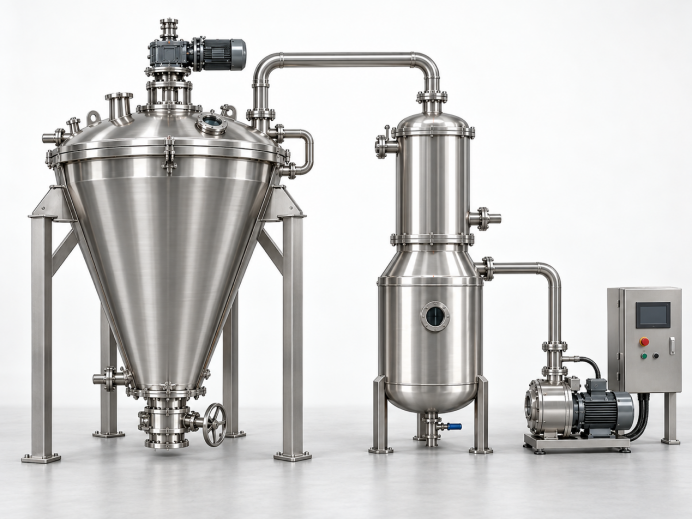
Dryer + Selected Auxiliary
Configure the main dryer alongside specific required auxiliary parts, such as heating units, vacuum pumps, condenser collection, or basic controls.
Discuss: Which specific components are needed to bridge gaps in your facility.
Integrated Drying Package
A unified approach covering the main unit, auxiliary equipment, instrumentation, piping interfaces, and overall layout for a complete drying node.
Discuss: Full system scope, layout constraints, and total operational requirements.
Customize the Dryer Around Your Process
We engineer the details that matter to your material and facility.
| Configuration Area | What to Discuss | Why It Matters (Project Impact) |
|---|---|---|
| Capacity & Loading | Batch mass, bulk density, volume changes | Dictates vessel volume and loading conditions. |
| Contact Materials | Corrosivity, solvents, abrasion, cleaning needs | Determines alloy selection, coatings, and cost. |
| Heating Arrangement | Temp limits, hot water, steam, thermal oil | Defines heat source and utility integration. |
| Agitation & Drive | Flowability, viscosity changes, agglomeration | Shapes ribbon design, load capacity, and motor. |
| Sealing & Filtration | Vacuum levels, dust generation, media | Impacts seal type, filter design, and maintenance. |
| Discharge | Downstream flow, bagging, closed transfer | Selects bottom valve type and interface design. |
| Controls | Local panels, automation, data logging | Balances operational control vs. investment. |
| Site Integration | Height limits, maintenance space, piping | Affects structural layout and installation. |
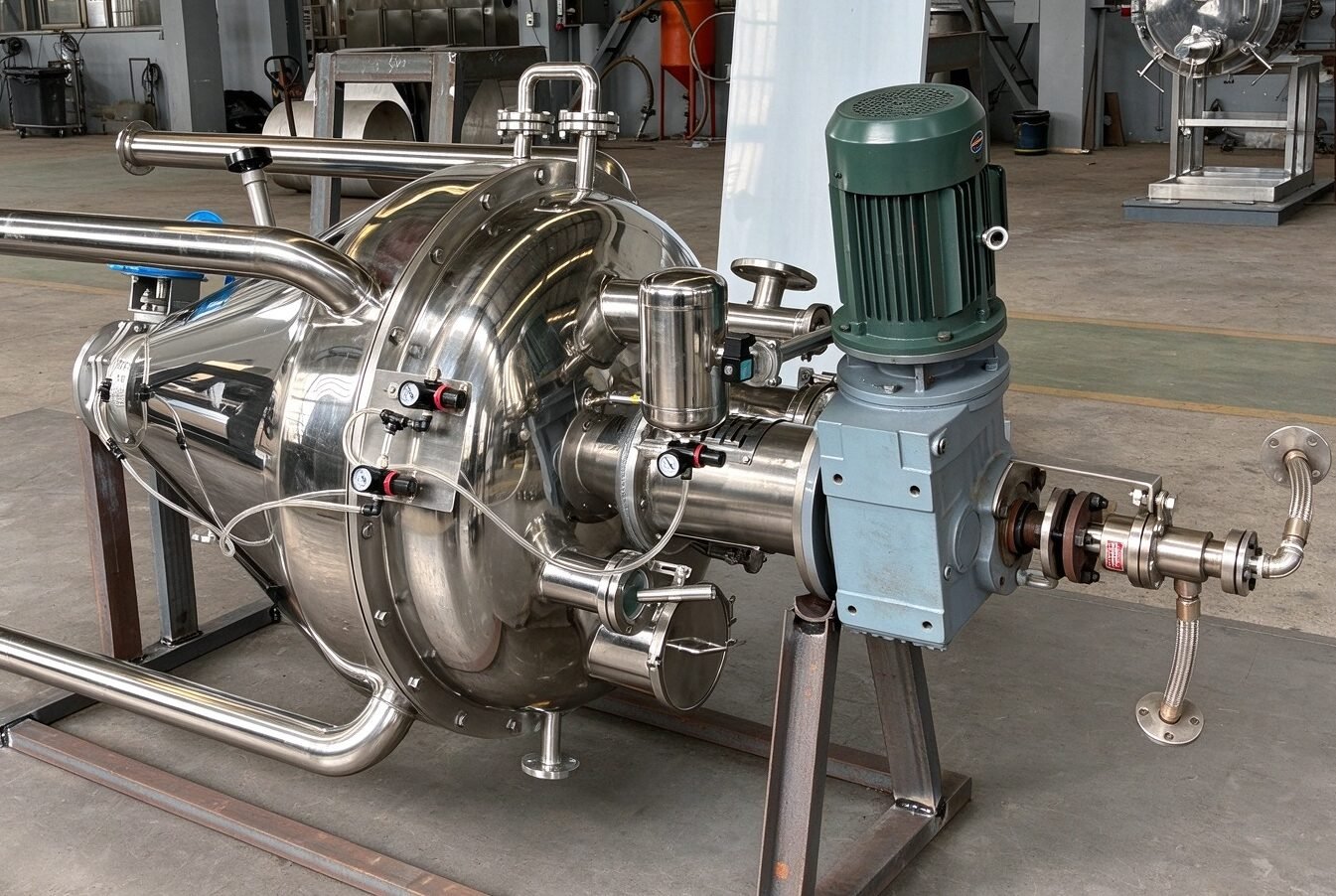
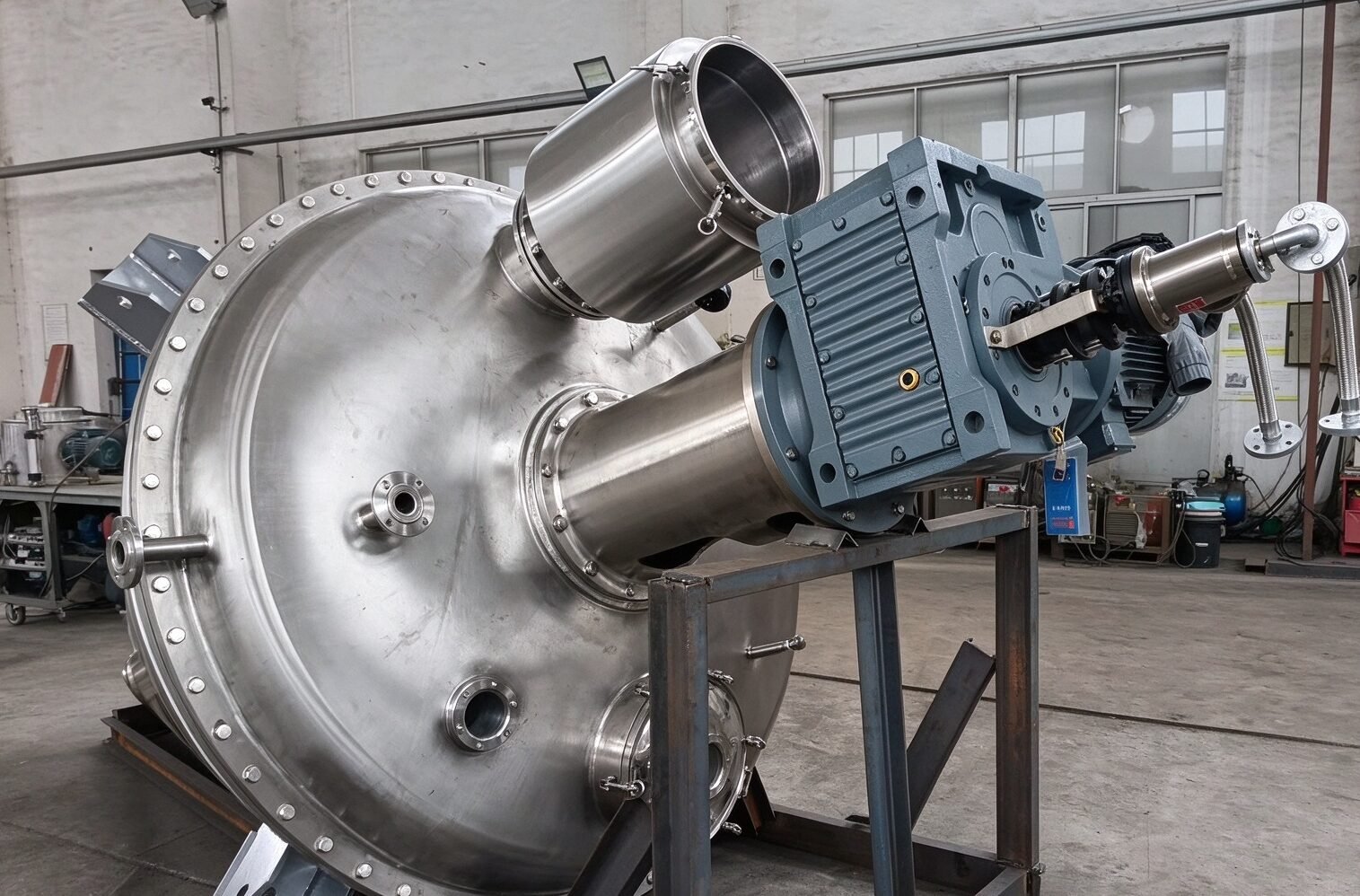
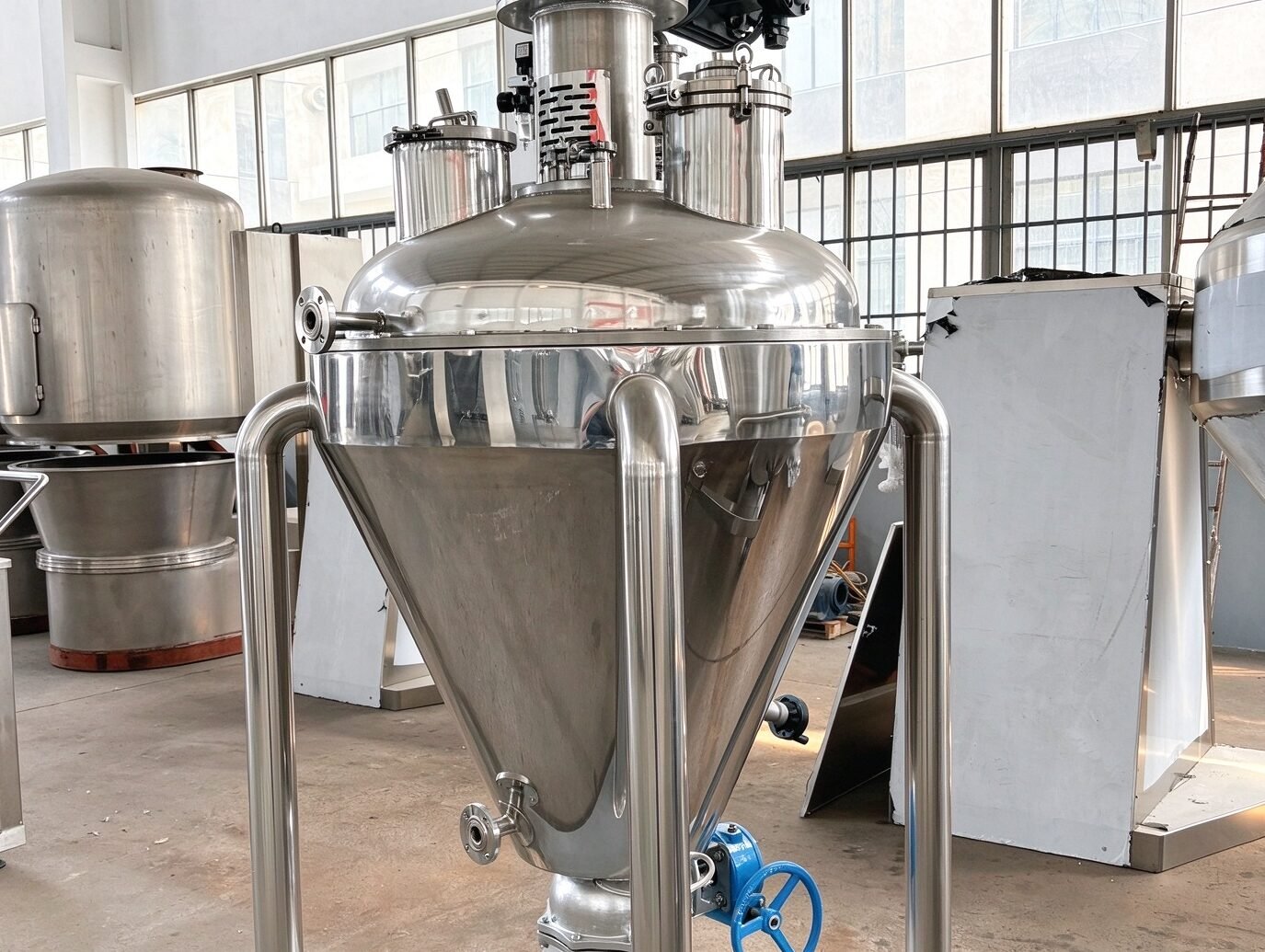
A Closer Look at a Custom Configuration
GZD-50 Single-Cone Ribbon Vacuum Dryer
This documented project configuration demonstrates our ability to translate specific material, sealing, heating, and control requirements into a concrete equipment specification.
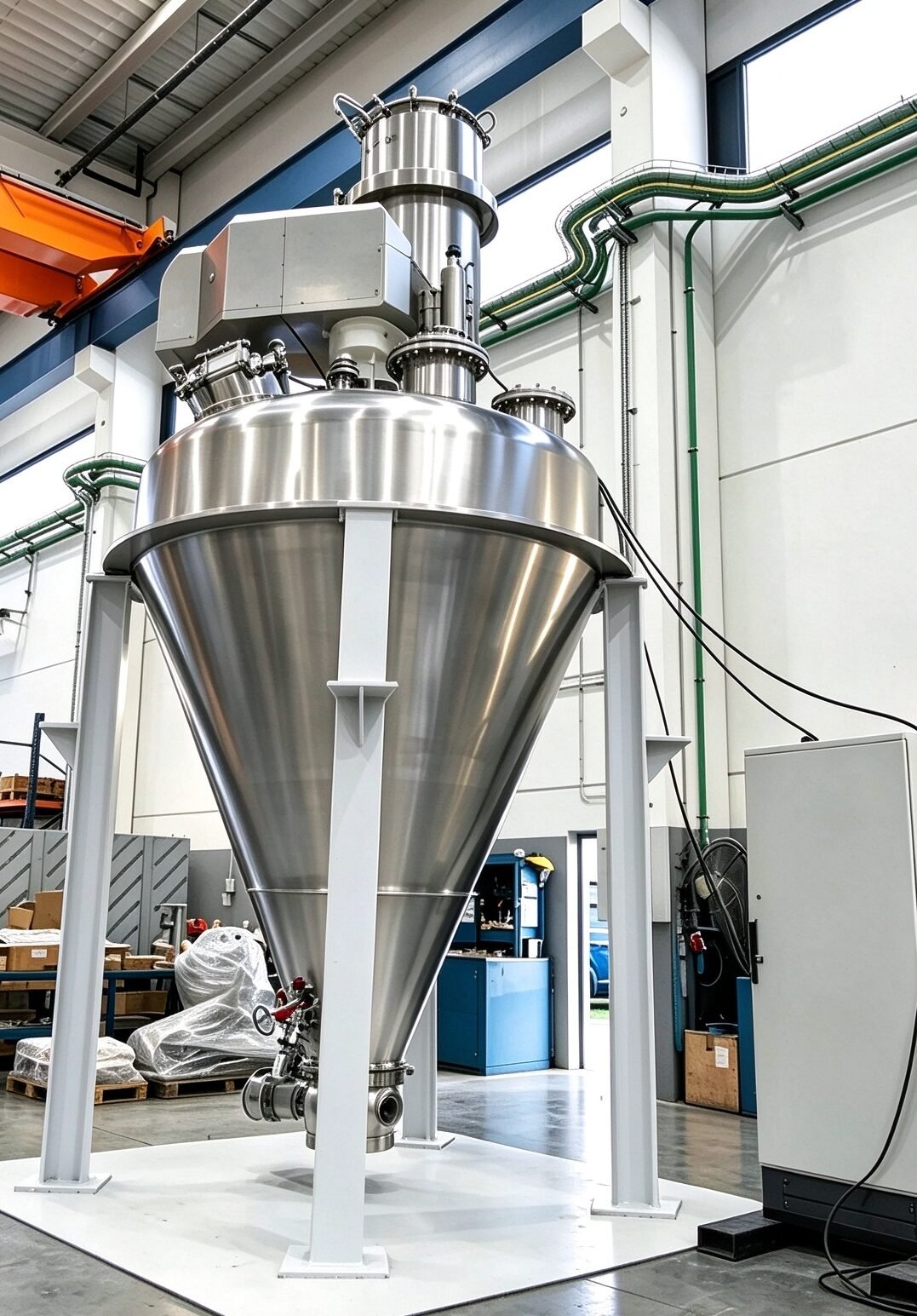
Quality Requirements Defined for Your Project
We establish clear manufacturing and inspection standards during technical discussions to ensure the final equipment meets your site's expectations.
- Contact materials and necessary material documentation
- Critical structure and interface dimensions
- Agreed operational test conditions
- Defined supply scope and project documentation
English Technical Coordination
Avoid miscommunications. Our team coordinates directly in English to clarify your process needs, equipment specifications, and supply boundaries.
- Discuss material and process requirements in English
- Clarify drawings, interfaces, and technical issues
- English technical specifications, manuals, and lists
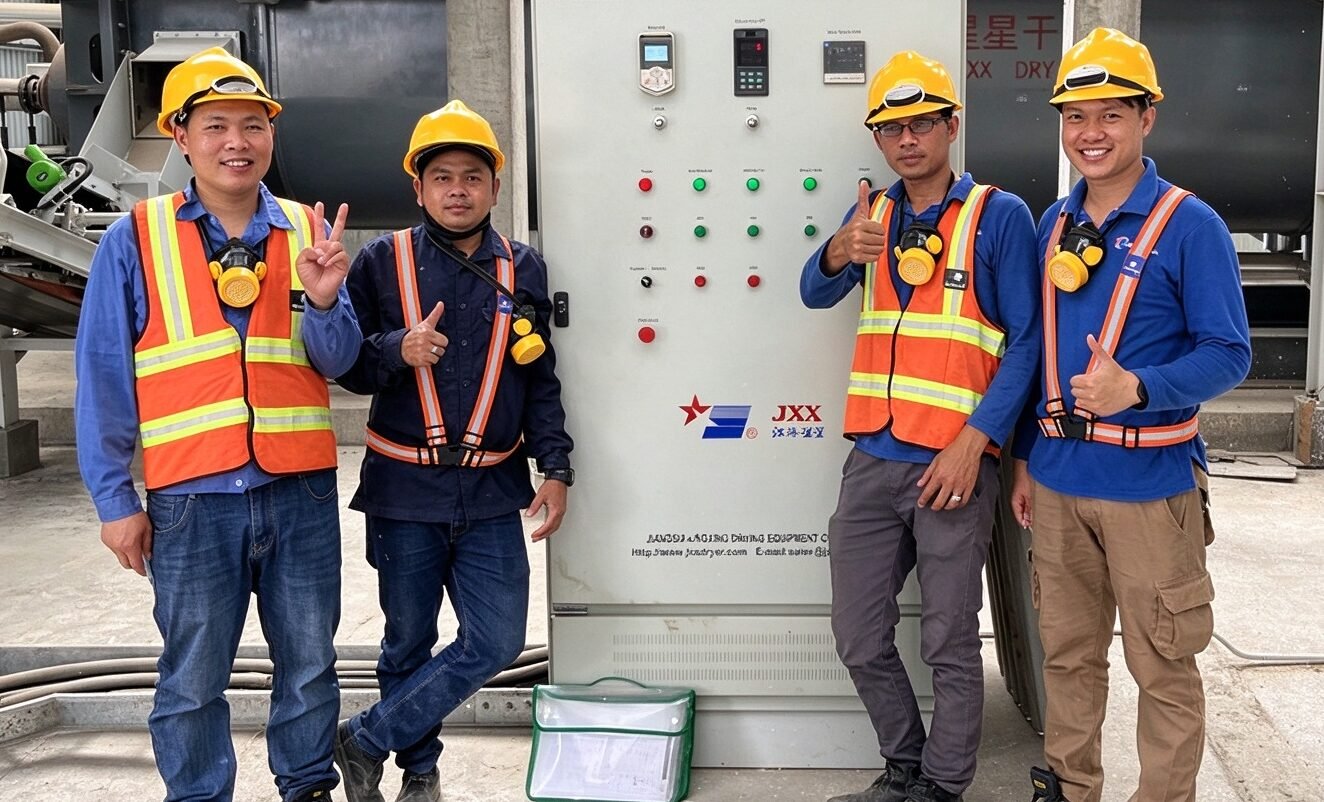
Service scope and warranty terms are specified in the quotation.
Applications and Drying Challenges
Connecting material pain points to engineered equipment designs.

Fine Chemicals & Powders
Often involves solvents and corrosive environments.
Typical Materials: Pigments, pesticide intermediates, metal oxide powders.

Pharma Intermediates
Temperature sensitivity and strict batch changeover requirements.
Typical Materials: API intermediates, antibiotics, vitamin precursors.
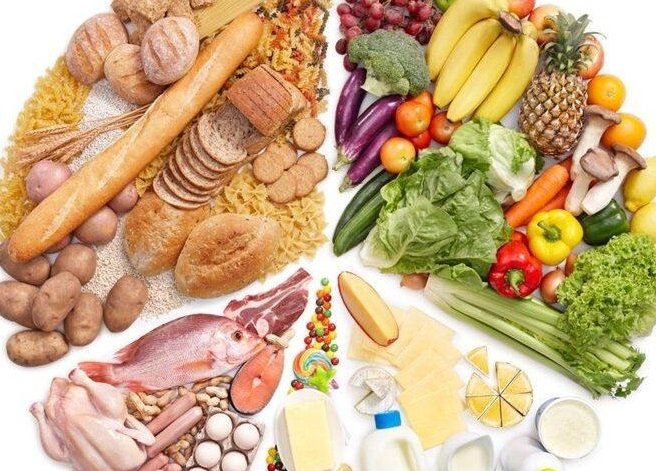
Food & Nutrition
Prone to agglomeration or structural changes during drying.
Typical Materials: Protein powder, fruit powder, yeast extracts.
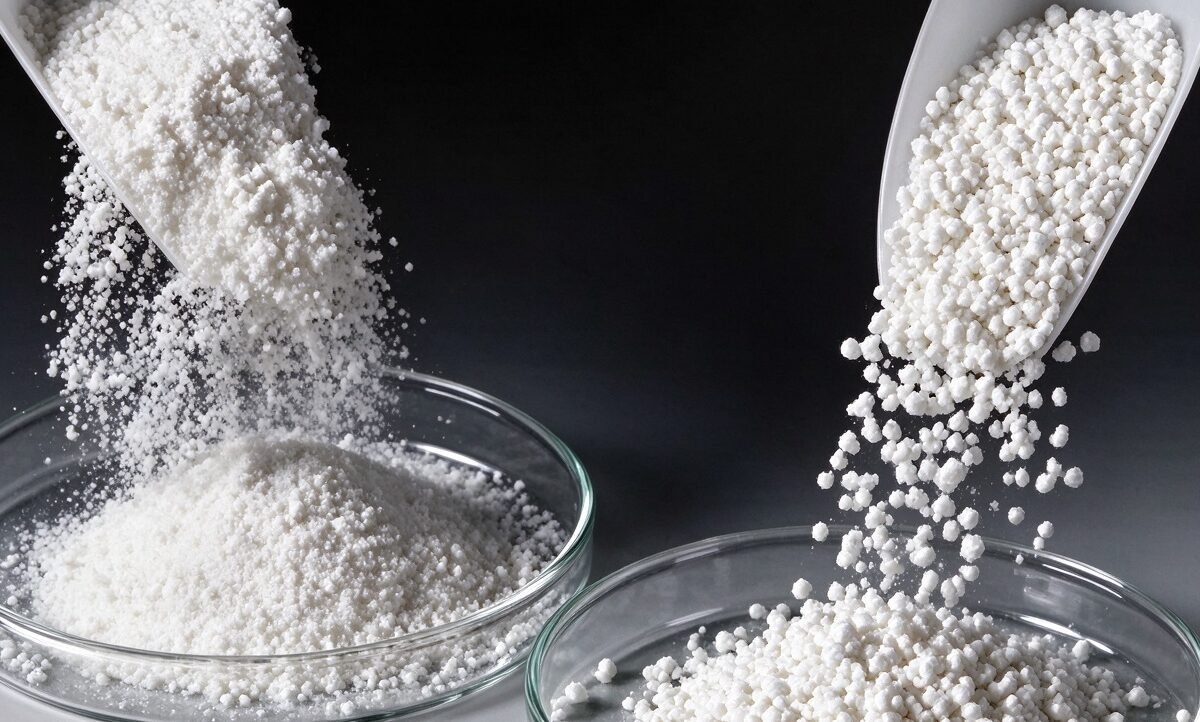
Powder & Granular
Requires efficient discharge and downstream integration.
Typical Materials: Mineral powders, plastic granules, activated carbon.
Compare Vacuum Dryer Types
Single-Cone Ribbon
Fixed vessel, internal agitation.
- Motion: Ribbon lifts and mixes material.
- Discharge: Bottom gravity flow, usually efficient.
- Evaluate for: Viscous phases, agglomeration tendencies.
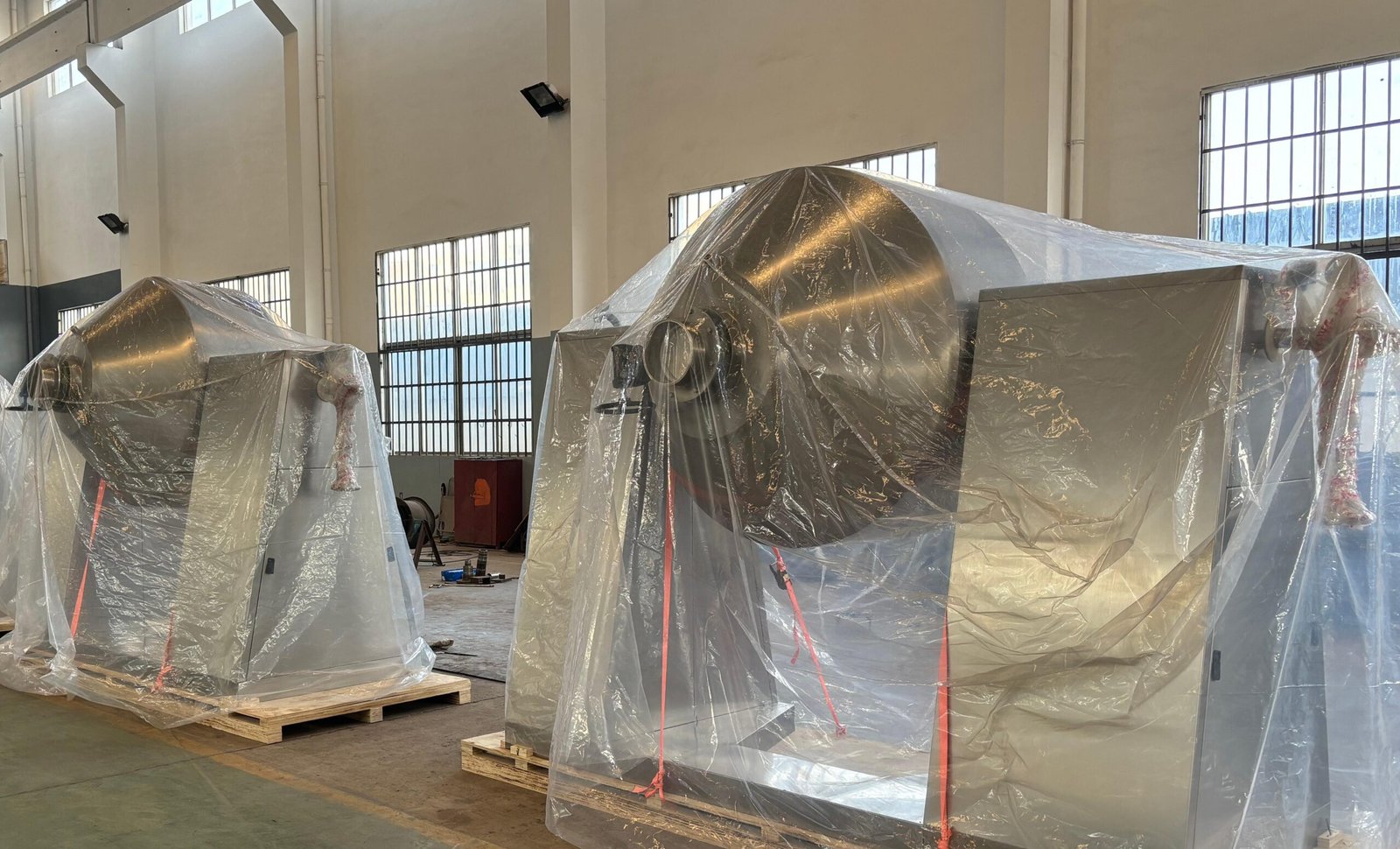
Double-Cone Rotary
Rotating vessel, no internal agitator.
- Motion: Gentle tumbling by vessel rotation.
- Cleaning: Easier interior access, no shaft seals in product zone.
- Evaluate for: Fragile crystals, highly flowable powders.
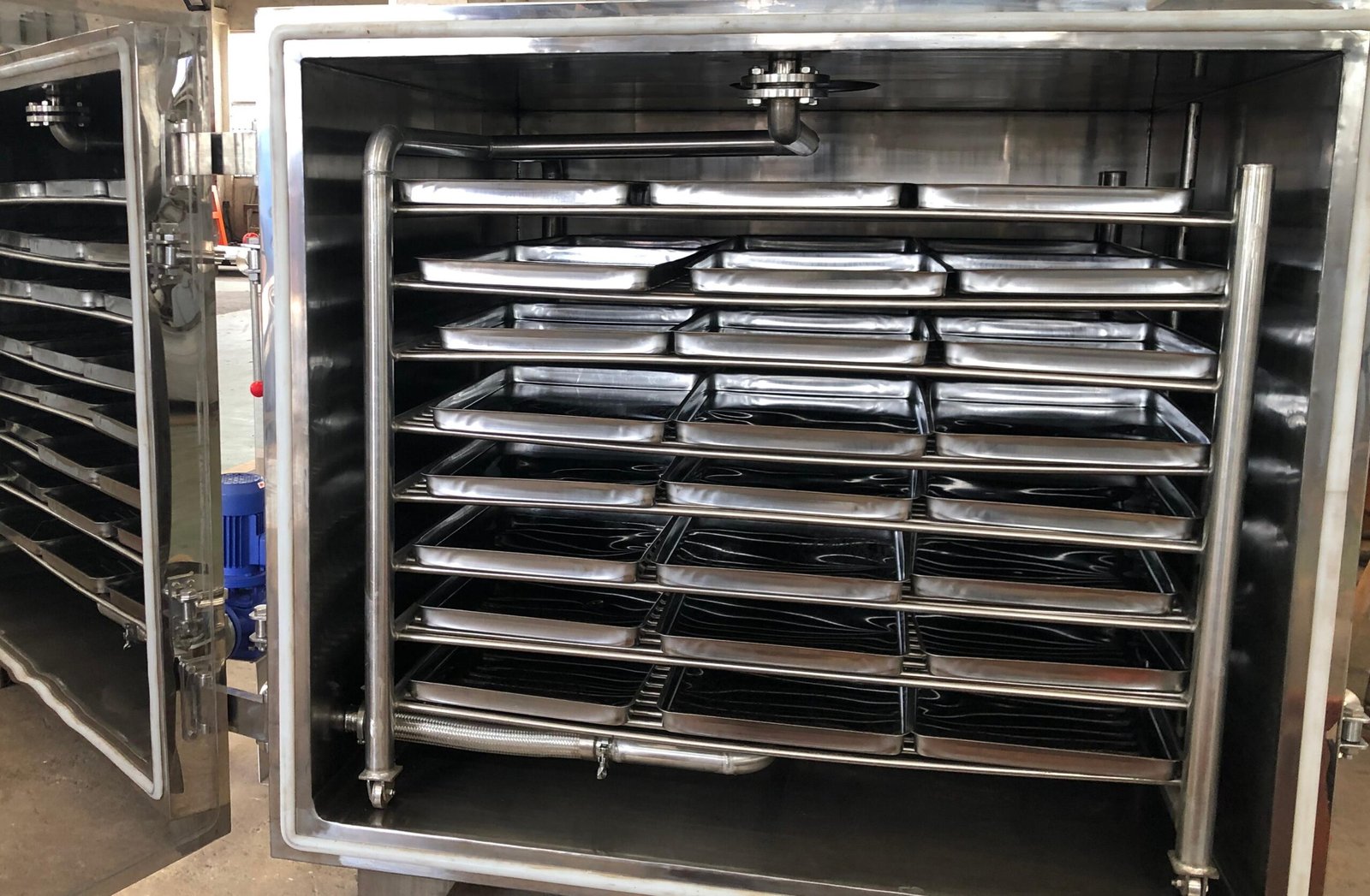
Vacuum Tray
Static drying on heated shelves.
- Motion: None. Material remains static.
- Handling: Manual tray loading/unloading required.
- Evaluate for: Small batches, extreme fragility, strict separation.
Compare the Complete Scope, Not Just the Headline Price
We help you understand exactly what functions and systems your budget covers.
- Capacity Basis: Total volume vs. working volume.
- Materials: Steel grades, surface finishes, and coatings.
- Auxiliaries: Are heating, vacuum, and condenser units included?
- Automation: Local push-buttons vs. PLC/HMI setups.
- Documentation & FAT: Included reports and inspection terms.
- Site Responsibilities: Clear boundaries for installation and utilities.
How to Choose Your Conical Vacuum Dryer
A structured approach to defining your equipment needs.
Define the Material
Name, state, solvents, viscosity, corrosivity, and temperature limits.
Establish Batch Basis
Wet mass, bulk density, loading volume, and batch schedule.
Loading Vol ≈ Wet Mass ÷ Wet Bulk Density
Set Drying Targets
Initial/target moisture, residual solvent limits, and acceptable temperatures.
Select Configuration
Materials, agitation, sealing, filtration, discharge, and controls.
Define System Scope
Heating, vacuum, condensation, piping, and site interfaces.
Review Commercials
Budget constraints, documentation needs, FAT, and delivery schedule.
Frequently Asked Questions
What conical vacuum dryer sizes are listed?
Can you customize the equipment for our material and site?
Can you supply the dryer together with supporting systems?
How can the configuration help control project cost?
Do you provide technical support in English?
Are the published kg/batch figures guaranteed for every material?
What is the difference between the CHD specs and the GZD-50 example?
Can the system be configured for solvent-containing materials?
What determines the price and lead time?
What information is needed for a quotation?
Related Equipment & Resources
Let’s Configure a Vacuum Drying Solution for Your Project
Share your material, batch requirements, and project priorities. Our team can help define a suitable equipment configuration, system scope, and technical proposal.
Email Us
zar@jexdry.com
Call / WhatsApp
+86 137 7501 3369
Factory Address
Jiaoxi Industrial Zone, Zhenglu Town, Tianning District, Changzhou, Jiangsu Province, China