Double Cone Blender Manufacturer for Powder and Granule Mixing
JEXDRY manufactures the SZH Series for batch blending of suitable powders and granules. The rotating double-cone vessel moves material through the chamber without an internal mixing blade. Compare reference vessel sizes from 180 to 4,000 L, then select a model around your material, batch volume and installation space.
What Is a Double Cone Blender?
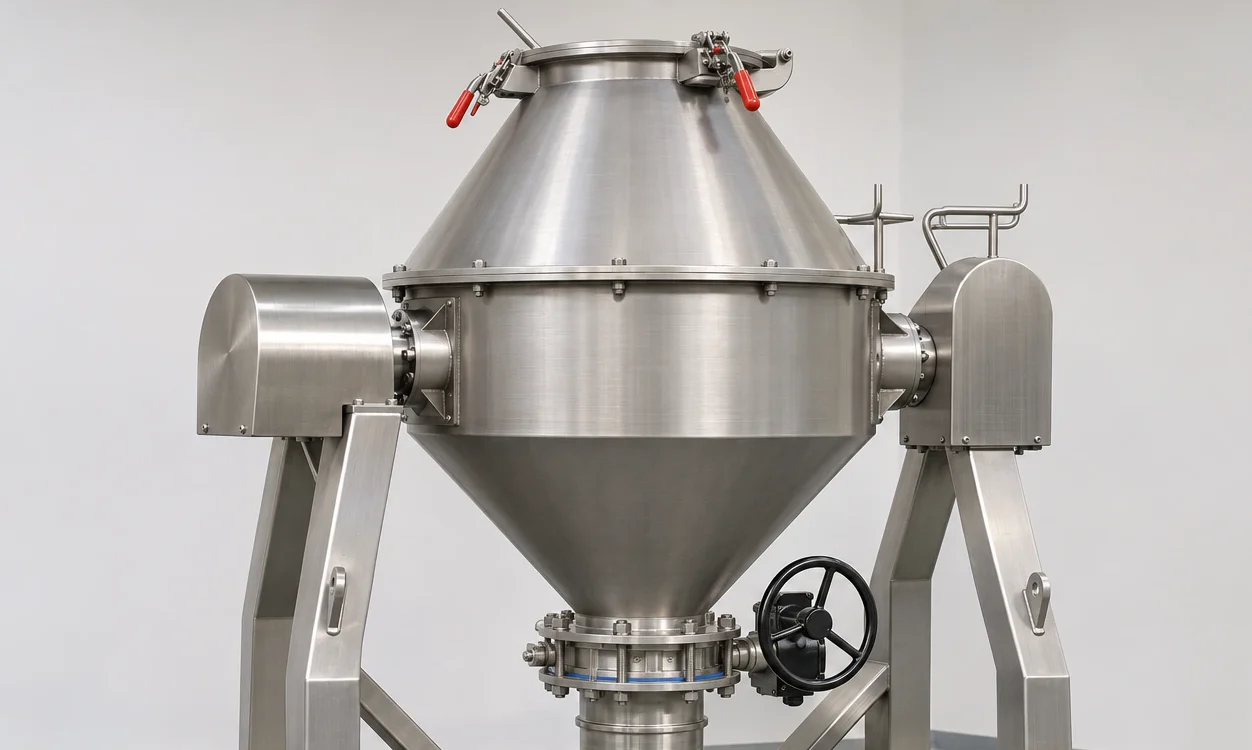
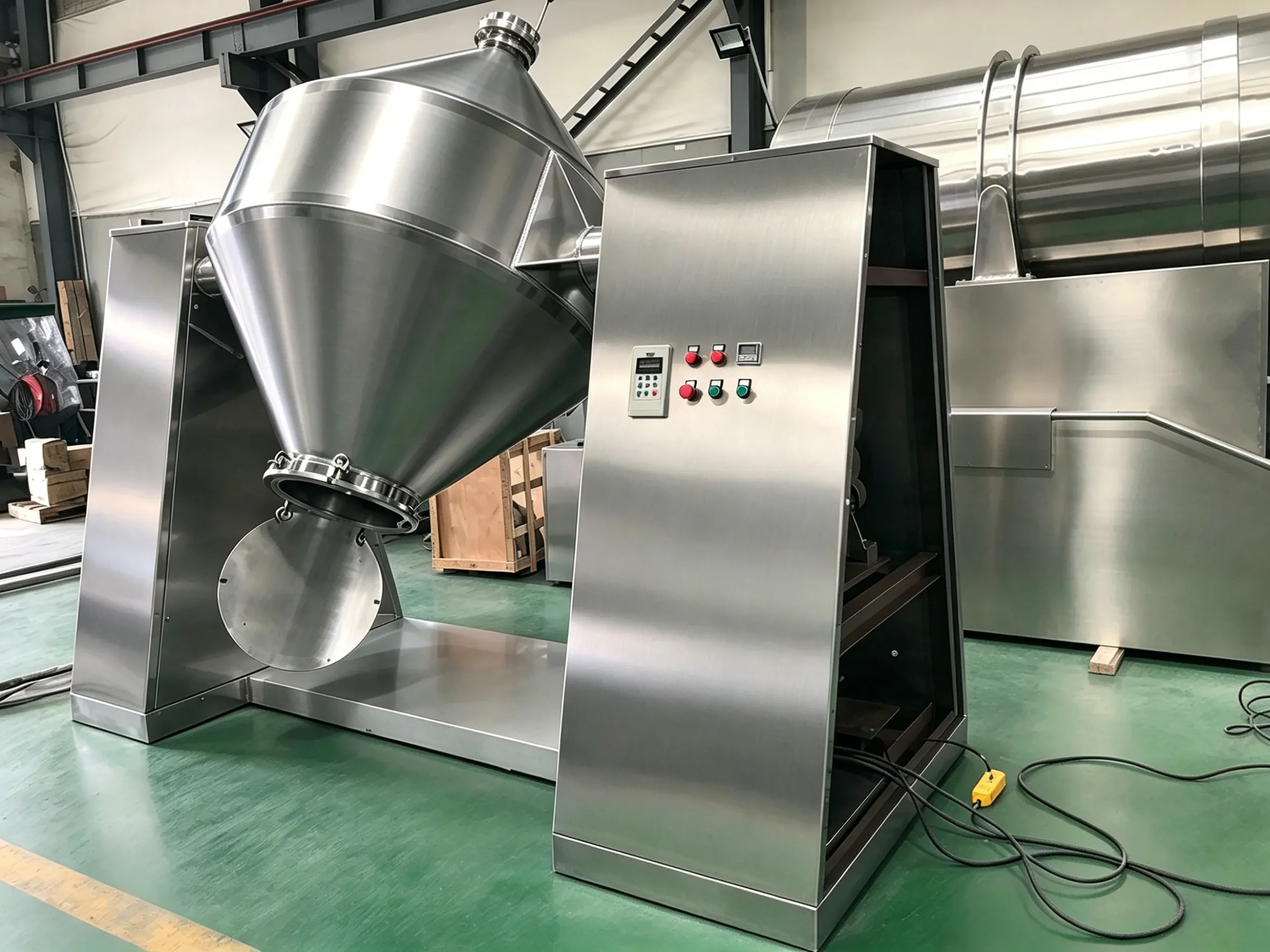
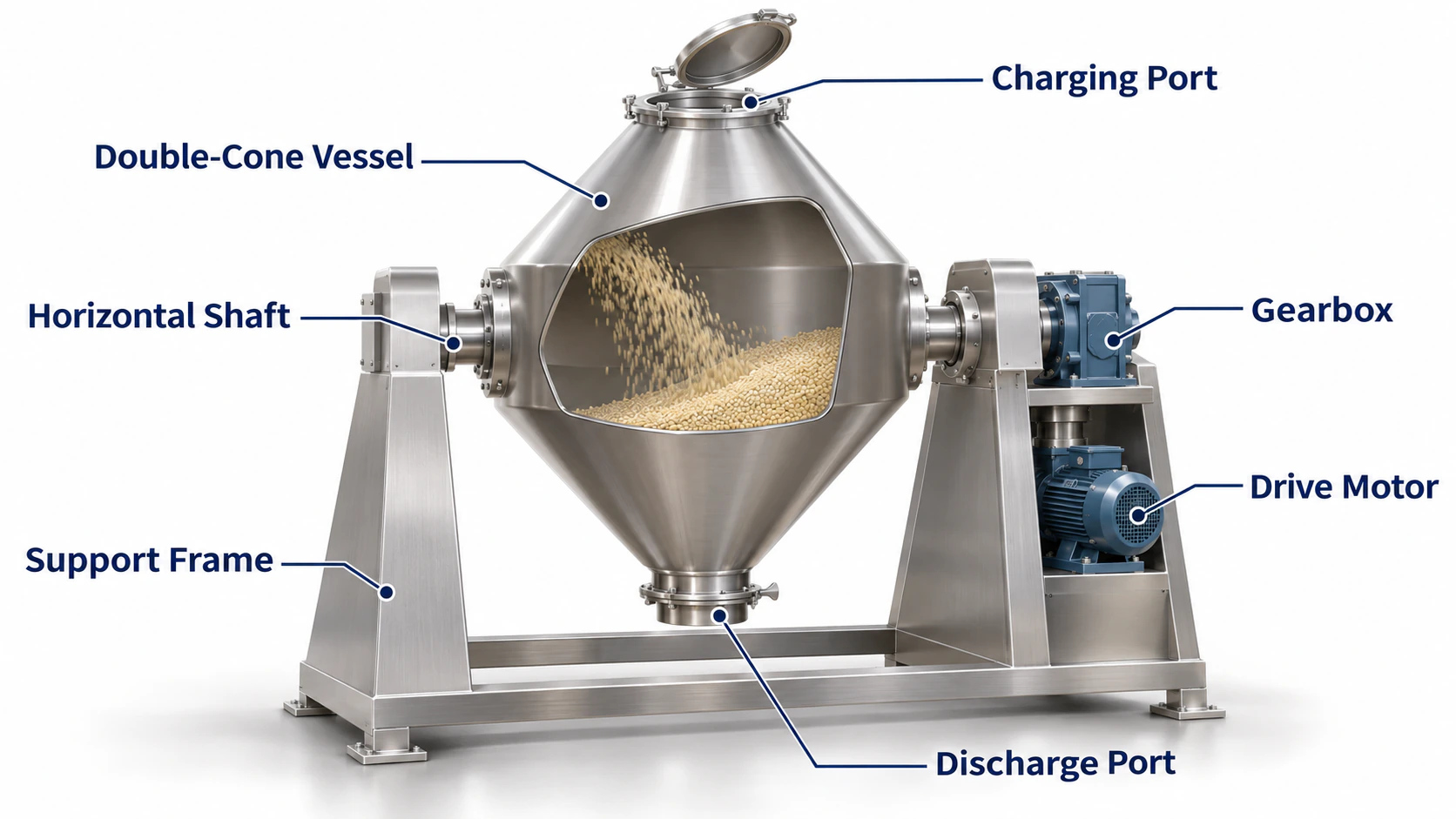
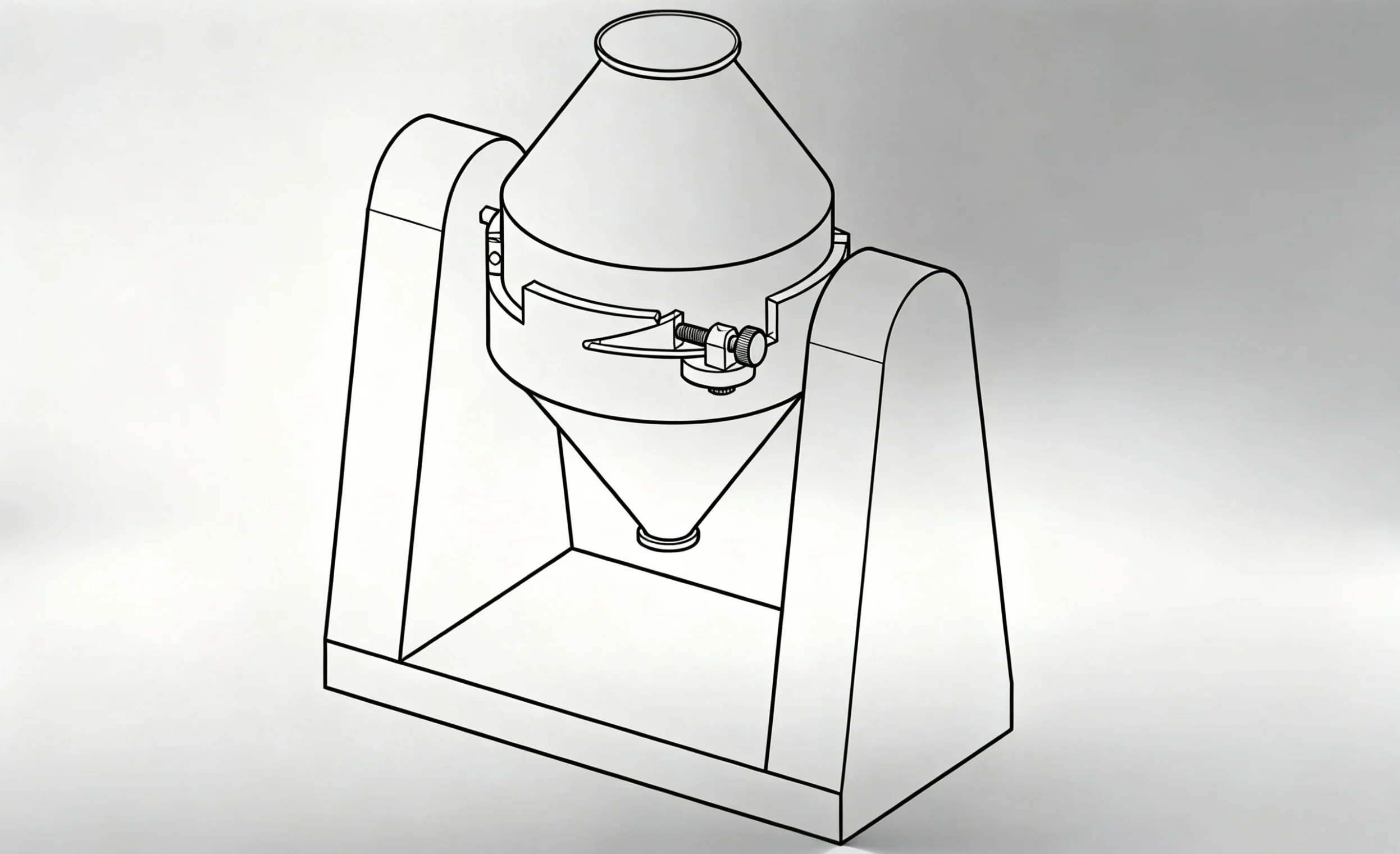
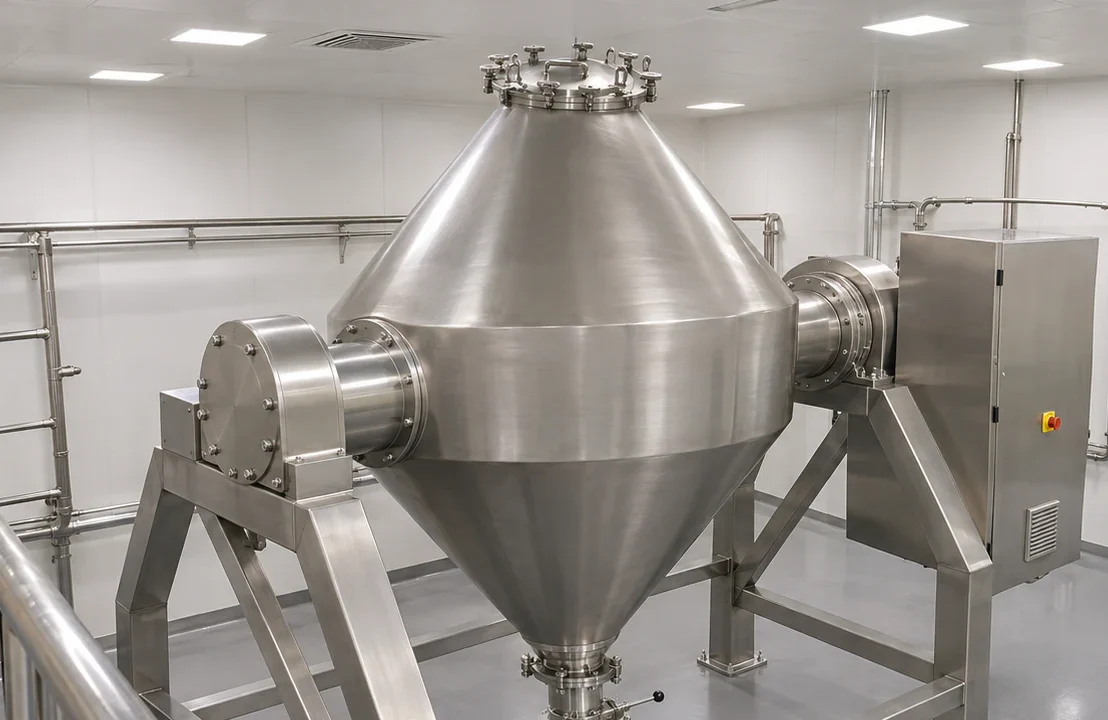
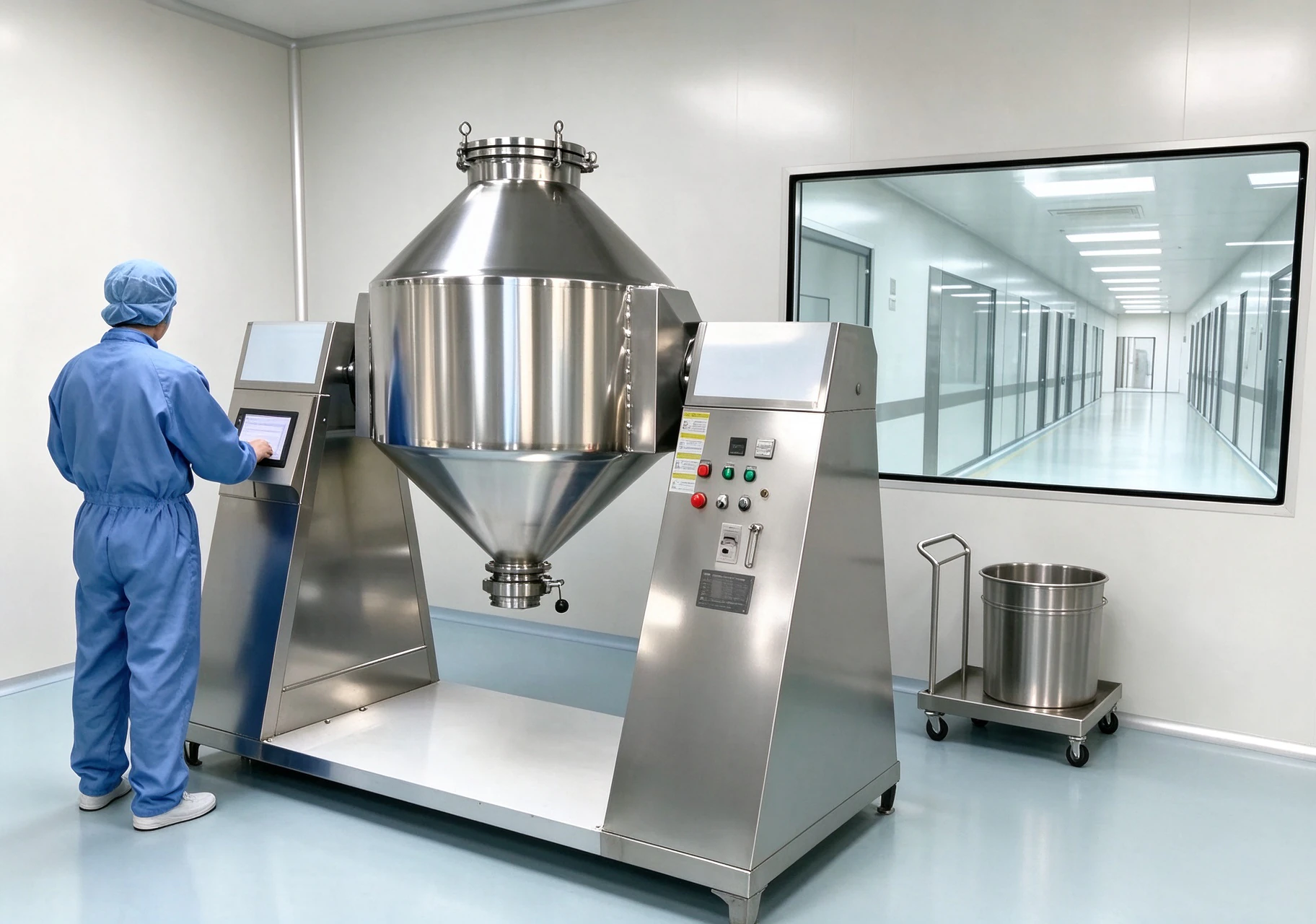
A double cone mixer is a batch machine whose vessel rotates to tumble suitable dry powders and granules. Also known as a double cone blender, it moves material repeatedly through the two conical ends without an internal mixing blade.
The SZH Series can be loaded manually or through a suitable vacuum conveying arrangement. Its principal job is blending, not vacuum drying.
SZH Series Models and Reference Specifications
Choose vessel volume before comparing batch weight. The mass a blender can handle depends on the material’s bulk density and usable fill volume. The figures below are published reference specifications for the SZH Series; the final equipment schedule must match the material and agreed configuration.
| Model | Total vessel volume (L) | Catalog batch capacity (kg/batch) | Catalog mixing time (min) | Vessel speed (rpm) | Motor power (kW) |
|---|---|---|---|---|---|
| SZH-180 | 180 | 90 | 4–8 | 12 | 1.1 |
| SZH-300 | 300 | 150 | 6–10 | 12 | 1.1 |
| SZH-500 | 500 | 250 | 6–10 | 12 | 2.2 |
| SZH-1000 | 1,000 | 500 | 6–10 | 12 | 3 |
| SZH-1500 | 1,500 | 750 | 6–10 | 10 | 4 |
| SZH-2000 | 2,000 | 1,000 | 6–10 | 7–10 | 5.5 |
| SZH-2500 | 2,500 | 1,250 | 6–10 | 7–8 | 7.5 |
| SZH-3000 | 3,000 | 1,500 | 6–10 | 7–8 | 7.5 |
| SZH-4000 | 4,000 | 2,000 | 6–10 | 7–8 | 11 |
Note: Total vessel volume is not the usable batch fill volume. Catalog batch capacities and mixing times are reference values, not guaranteed results for every formulation. Material flow, bulk density, fill level and the required blend standard must be reviewed for the actual application.
Match the Blender to the Material, Not Just the Batch Weight
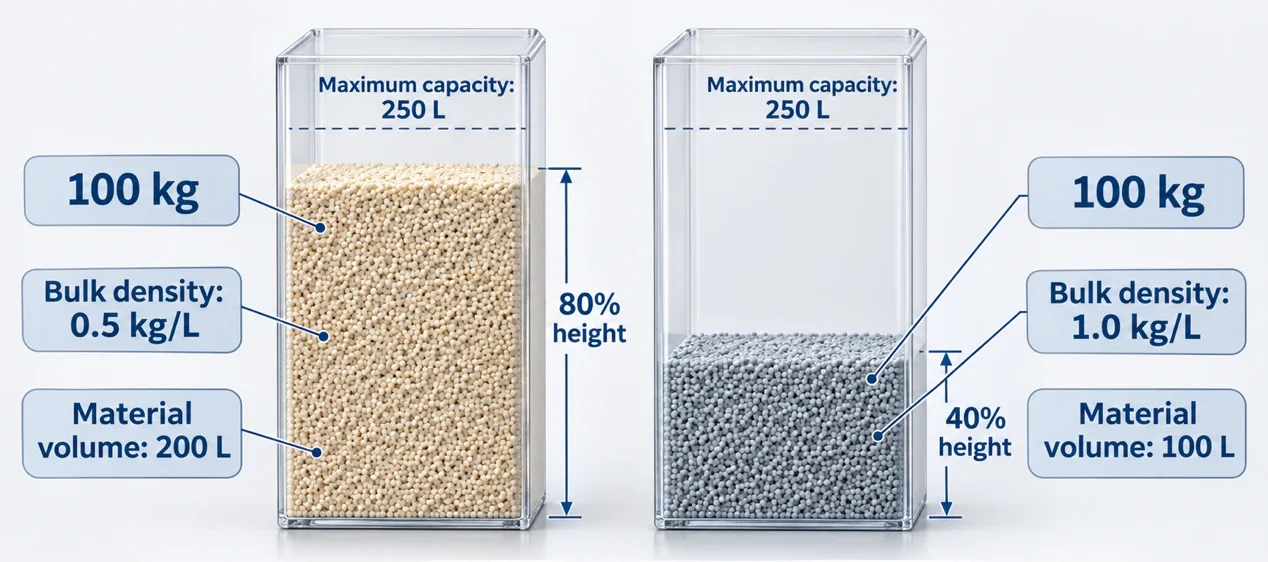
Volume vs. Mass
A batch weight alone can point to the wrong vessel size. Two materials with the same mass may occupy very different volumes. Start with bulk density and intended fill level, then use the SZH reference sizes to narrow the model range.
Handling Fragile Particles
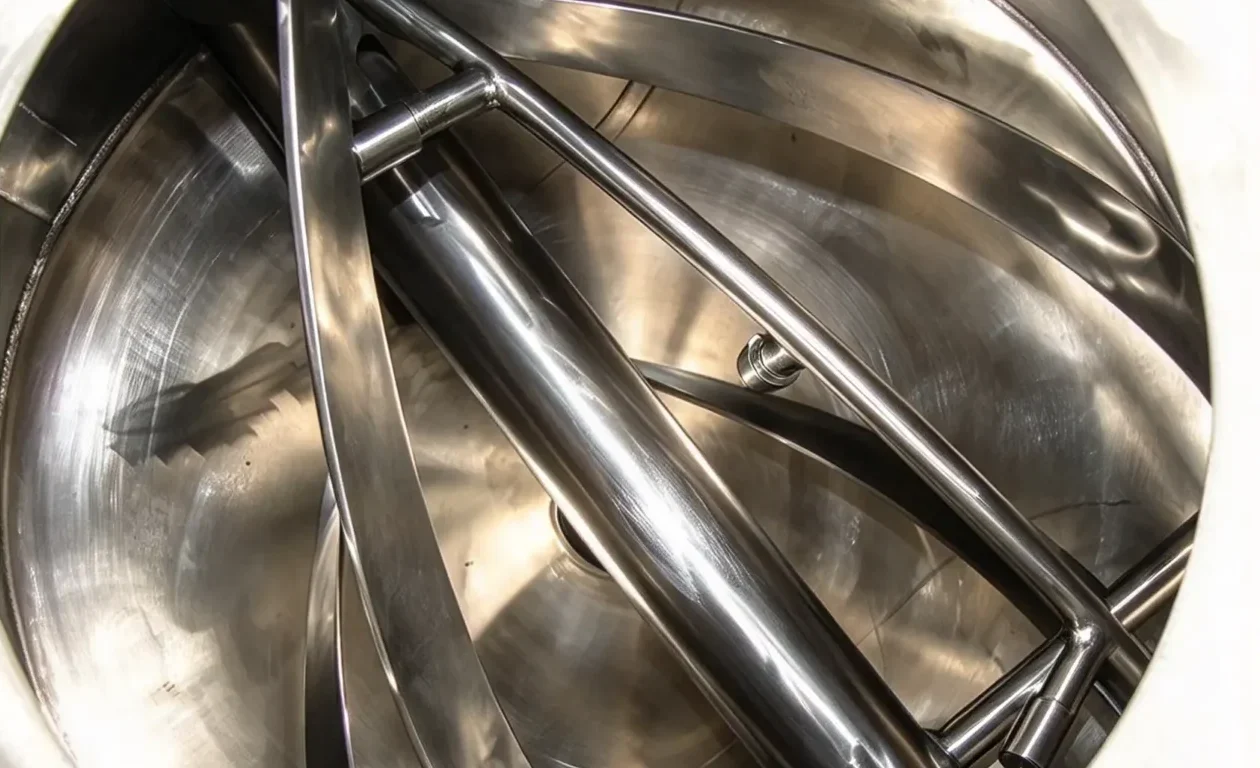
Fragile granules can be damaged by aggressive mixing. Whole-vessel tumbling provides a gentler mixing action than a high-shear internal agitator, although the acceptable rotation and blend time still depend on the material.
Installation Footprint
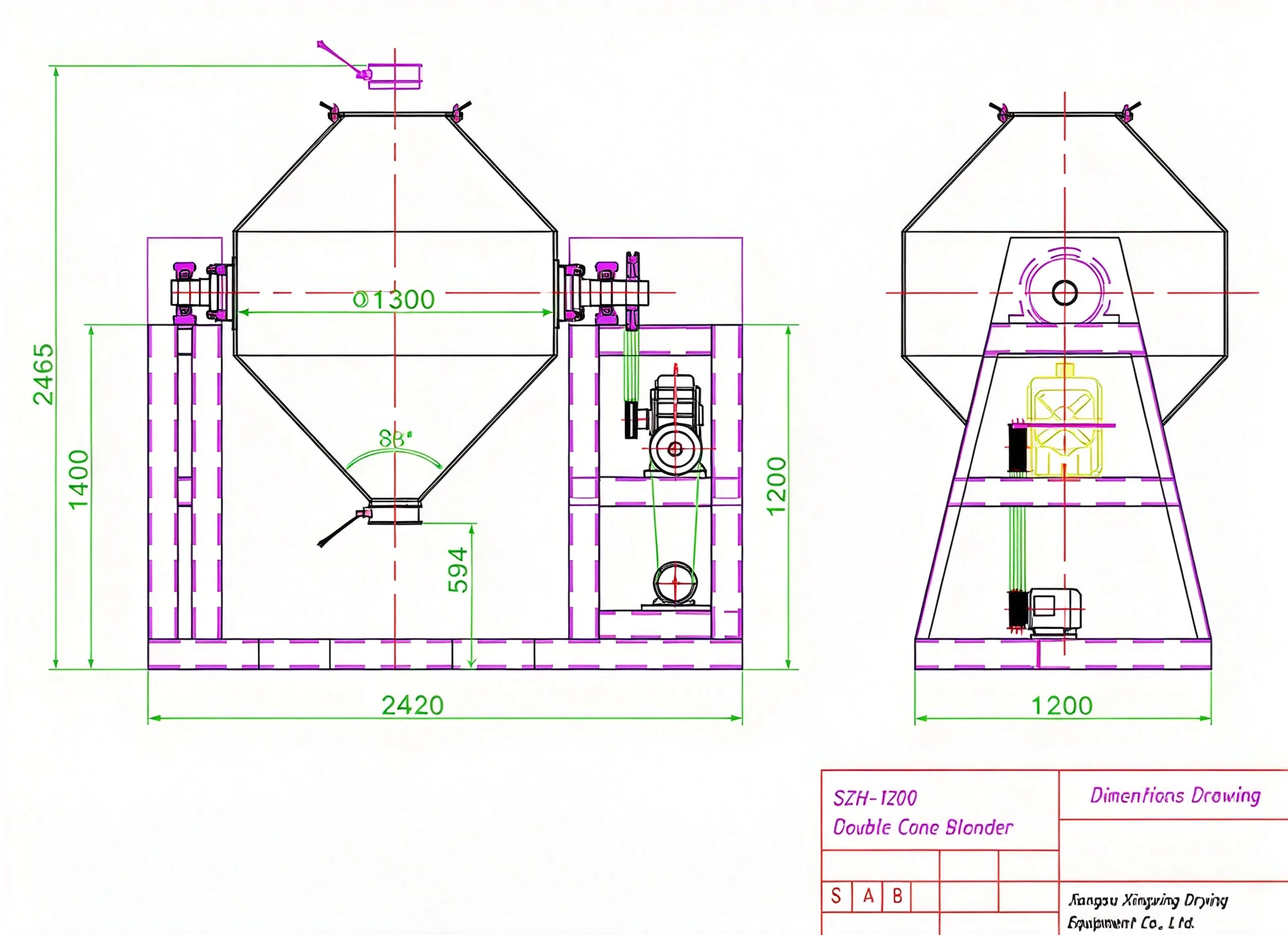
A vessel that fits the batch may still be difficult to install. Check machine footprint, total operating clearance, charging height and discharge connection before approving a model.
How to Choose an SZH Double Cone Blender
Select the model by usable batch volume and material behavior. Treat the catalog’s kilogram values as references until bulk density and the proposed fill level have been checked.
Convert mass to volume
Estimated material volume (L) = batch mass (kg) ÷ bulk density (kg/L). For example, 300 kg of material at 0.6 kg/L occupies about 500 L before allowing space for tumbling. This calculation is a starting point, not a final vessel-size recommendation.
Check flow and particle sensitivity
Free-flowing powders and granules are the clearest starting applications. Cohesive, sticky or heavily agglomerated material needs a separate mixing assessment; vessel rotation alone may not provide the action required.
Define the required blend
Ingredient ratio, particle-size difference, sampling method and acceptance criteria influence the appropriate cycle. A published mixing-time range cannot establish uniformity for an untested recipe.
Fit the machine into the line
Review charging method, available headroom, discharge route, cleaning access and site power together with the selected model.
Where the SZH Series Fits
The SZH Series is intended for mixing suitable powders and granules in pharmaceutical, chemical, food and building-material processes. Product suitability depends on the actual recipe, flow behavior, hygiene requirements and operating conditions.
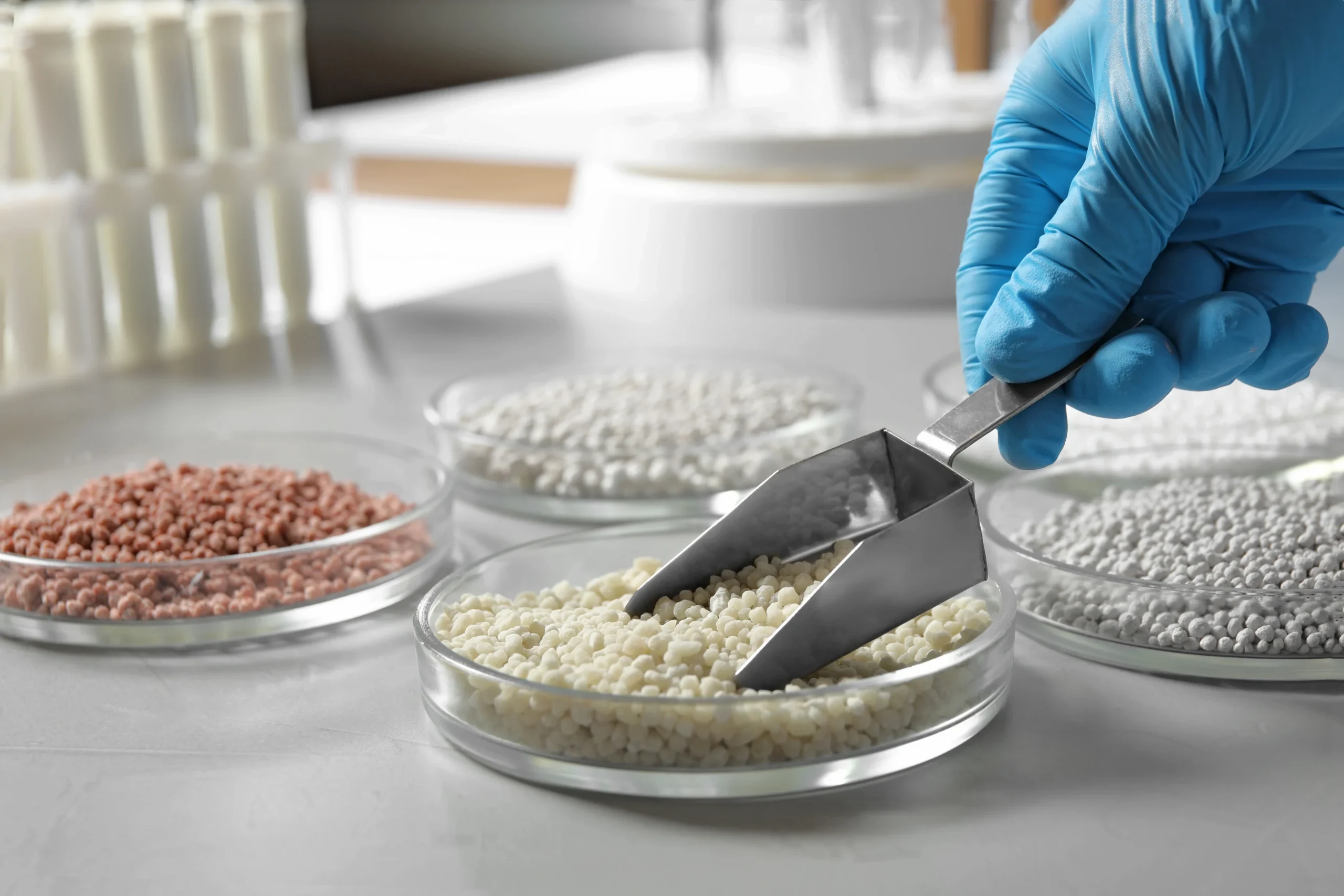
Pharmaceutical powders and granules
- Flow behavior
- Product-contact requirements
- Cleaning method & criteria
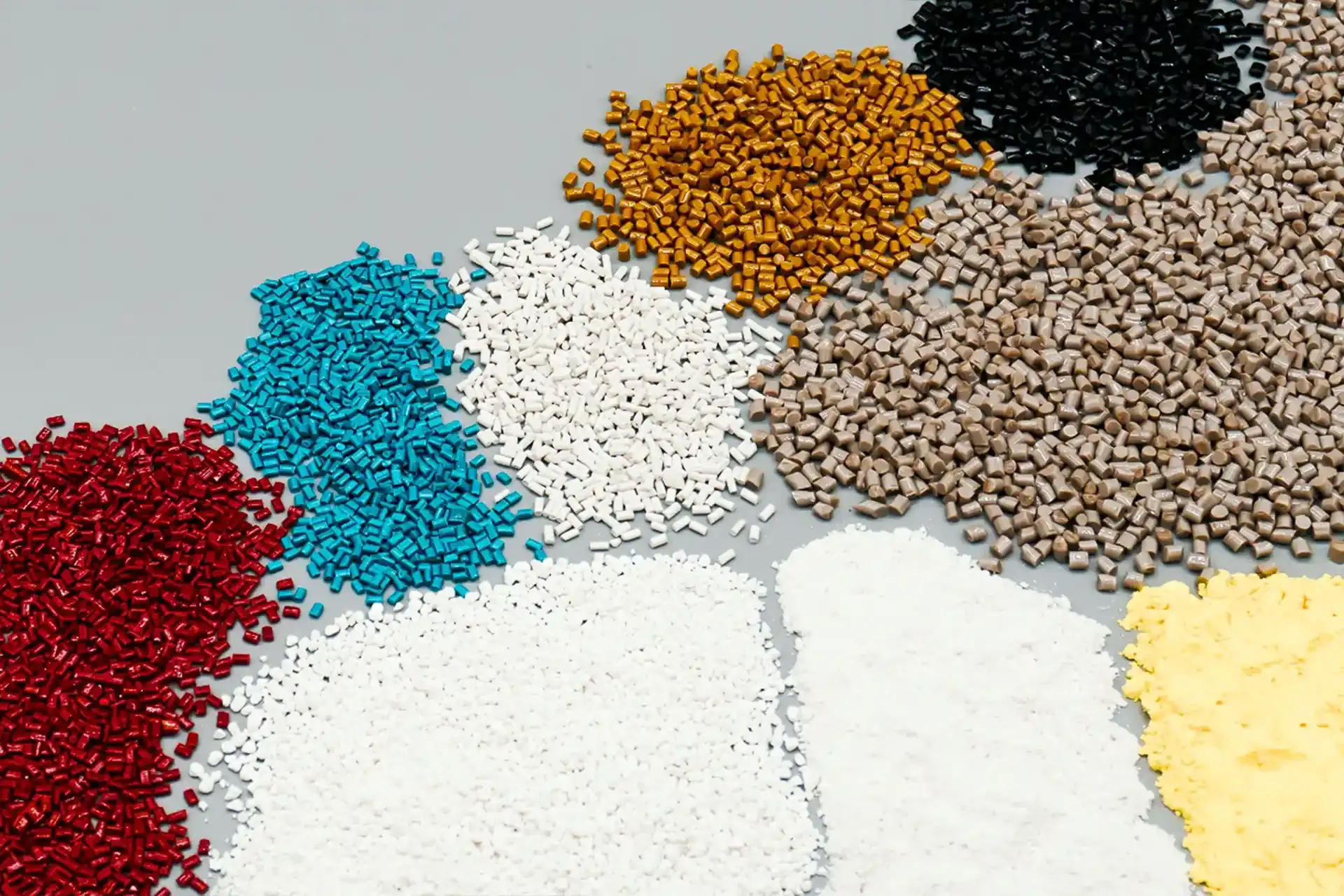
Chemical powders and granules
- Bulk density
- Particle-size differences
- Dust & segregation risk
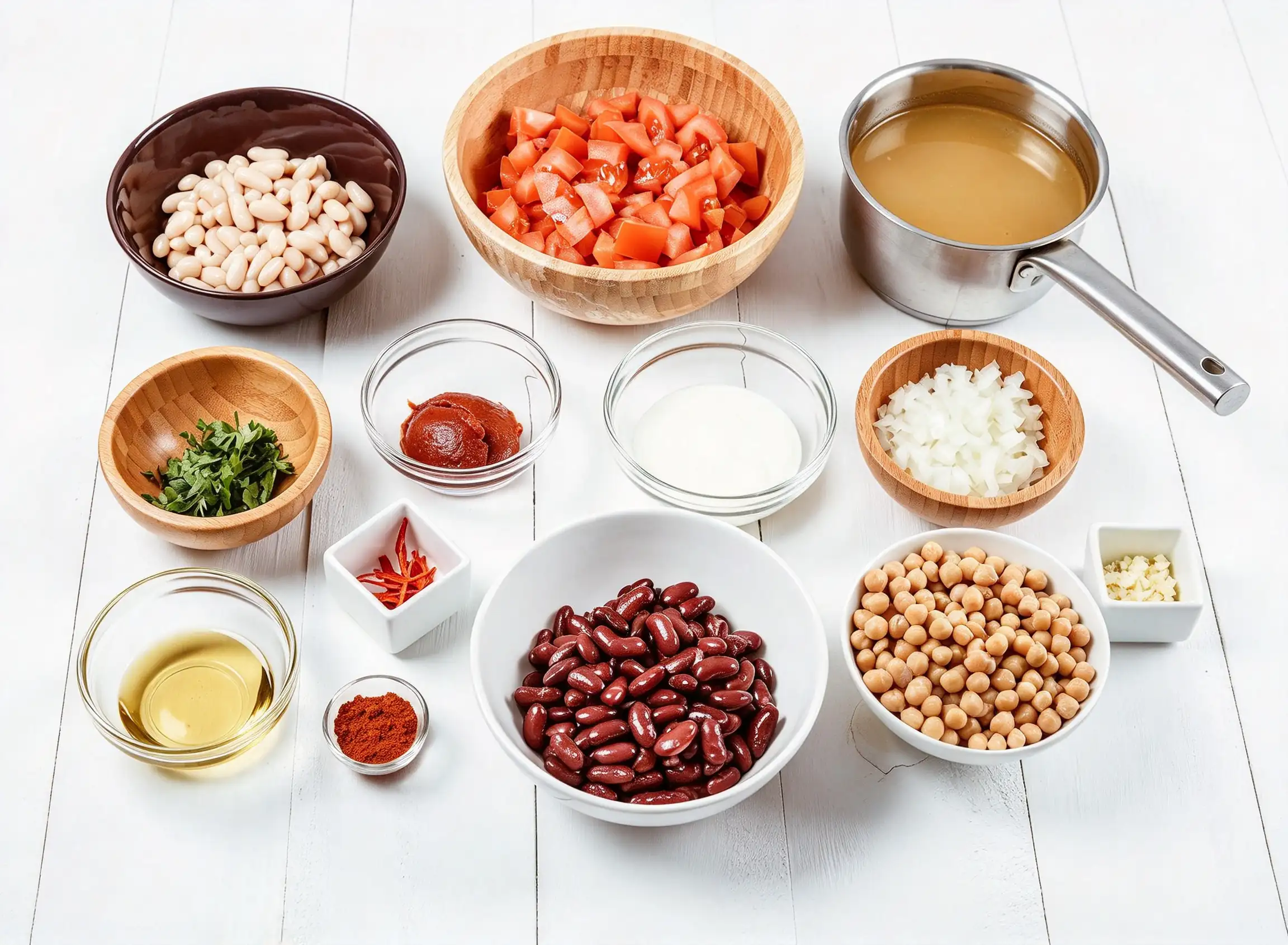
Food ingredients
- Particle breakage
- Ingredient distribution
- Cleaning requirements
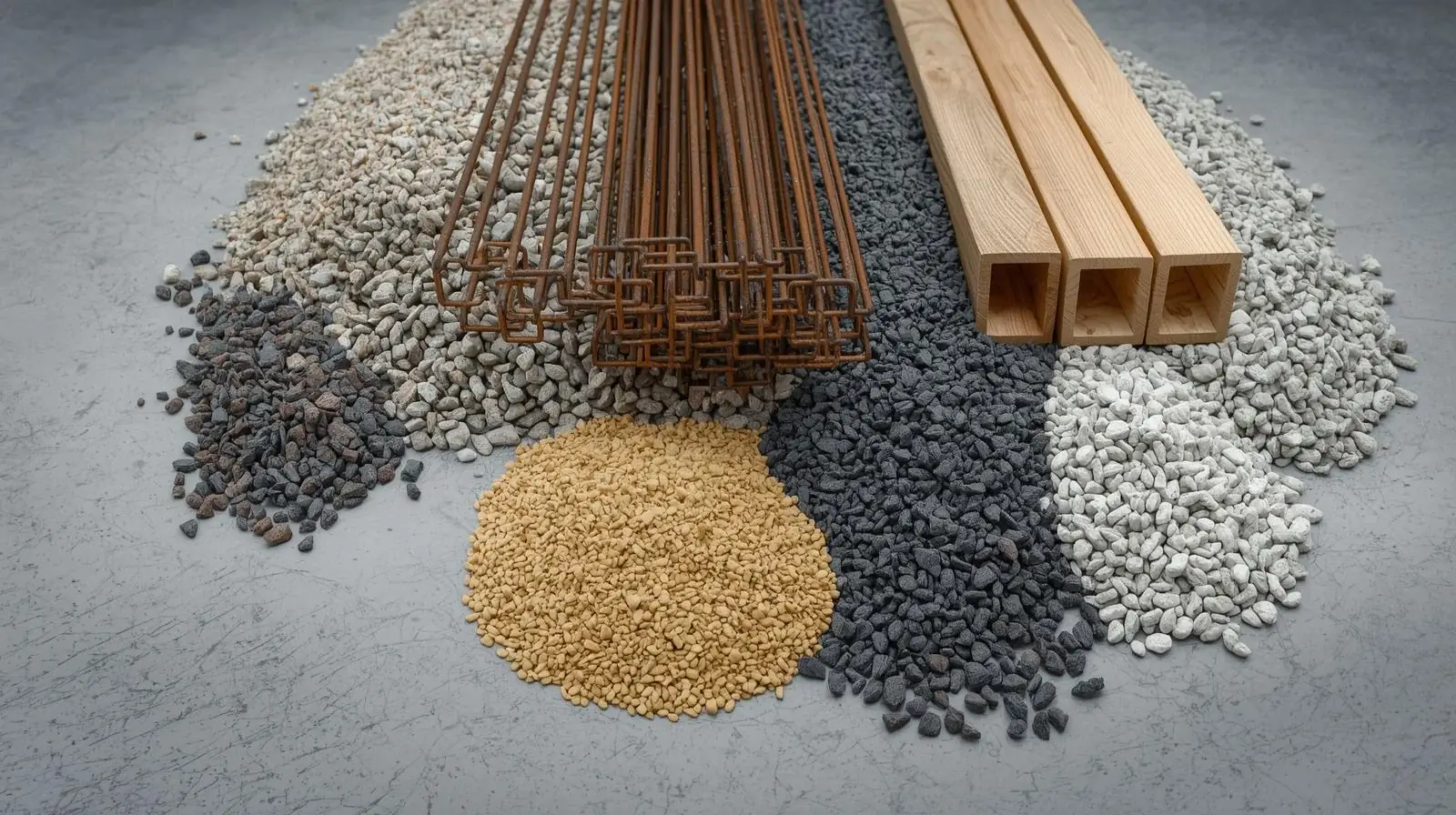
Building-material granules
- Abrasiveness
- Bulk density
- Mechanical load
For sticky pastes, materials that form hard lumps, or processes that require active de-agglomeration, review the mixing principle before selecting a double cone blender.
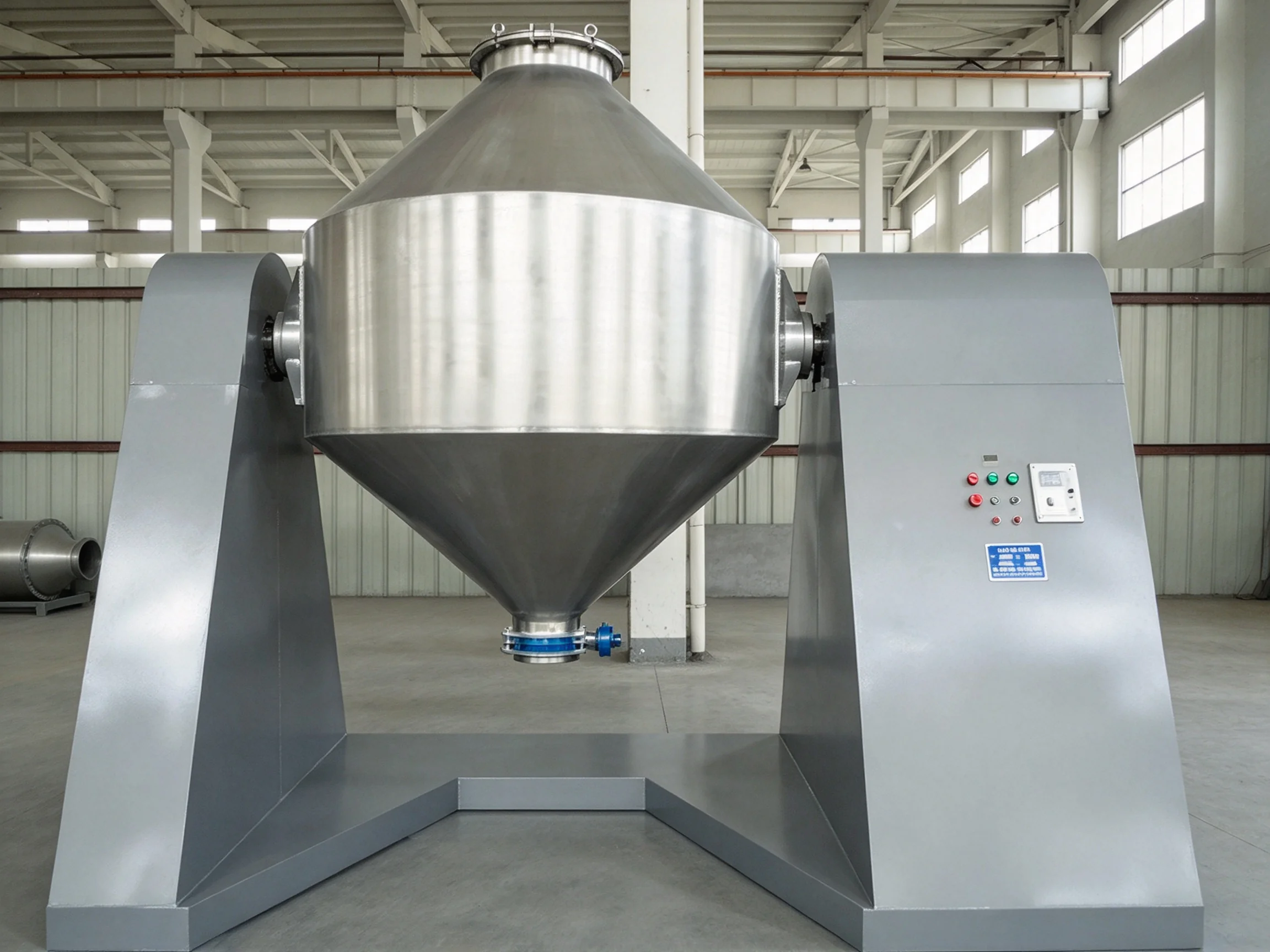
Why Consider a Double Cone Mixing Process?
The SZH Series blends suitable dry powders and granules by rotating the entire vessel. Its mixing action, charging options and uncluttered interior are practical factors to consider when selecting equipment for a batch process.
Gentle Vessel Rotation
Material tumbles as the double-cone vessel turns, without an internal mixing blade acting directly on the particles. This makes the SZH Series worth evaluating for free-flowing powders and fragile granules. Rotation speed and mixing time still need to suit the actual material.
Flexible Charging Options
Powders and granules can be added through the charging port manually or through a suitable vacuum conveying connection. The feeding arrangement can be selected around your material handling process and production line.
Fewer Internal Parts to Clean
Because mixing is driven by vessel rotation, there is no internal agitator or blade in the chamber. This leaves fewer internal parts to inspect and clean between batches. Cleaning access and procedures should be confirmed for the material and final equipment configuration.
Double Cone Blender vs Ribbon Blender vs Double Cone Vacuum Dryer
| Equipment | Main action | Best starting question | Key distinction |
|---|---|---|---|
| SZH double cone blender | Rotating vessel; batch tumbling | Is the material sufficiently free-flowing for tumble blending? | Used here for dry powder and granule mixing. |
| Ribbon blender | Internal ribbons move material through a fixed trough | Does the recipe need active agitation or a different handling pattern? | Compare shear, discharge, cleaning and actual blend results for the recipe. |
| SZG double cone vacuum dryer | Rotating vessel with vacuum and indirect heating | Is moisture or solvent removal required? | A drying process has heating and vacuum duties that the SZH mixing page must not imply. |
From Model Selection to a Blender Built for Your Process
Our SZH reference range covers nine vessel sizes from 180 to 4,000 L. We review your material, target batch and installation requirements to help define the right model and configuration for your project.
A Clear Starting Point for Selection
Compare documented vessel volumes, speeds and motor powers before narrowing the model range around your material’s bulk density and intended batch size.
Custom Configuration for Your Operation
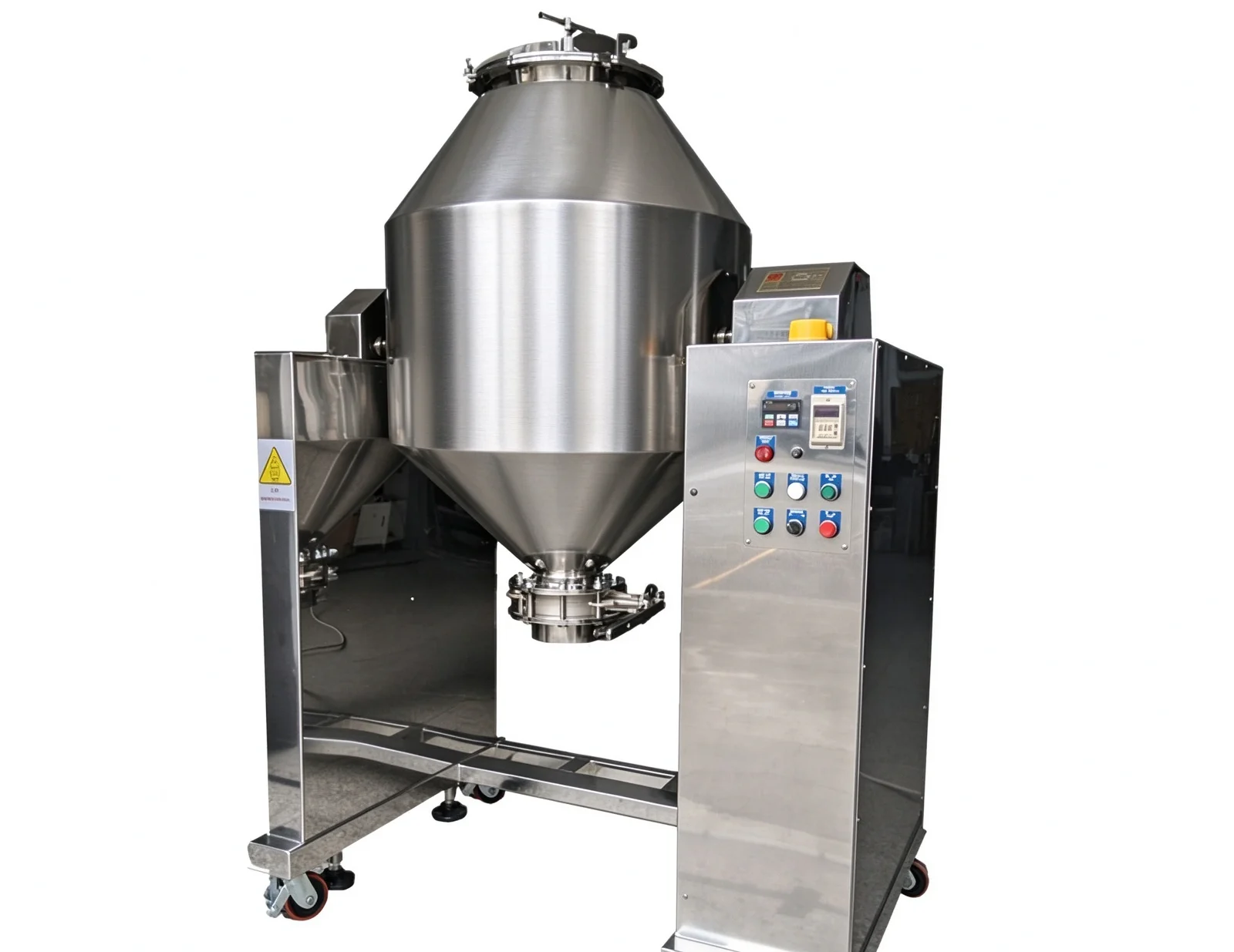
We can adapt charging, discharge and frame details to your site requirements. For a smaller unit that needs to move between work areas, we can evaluate a base with casters, with operating stability, wheel locking and clearance addressed in the final design.
Built to an Agreed Specification
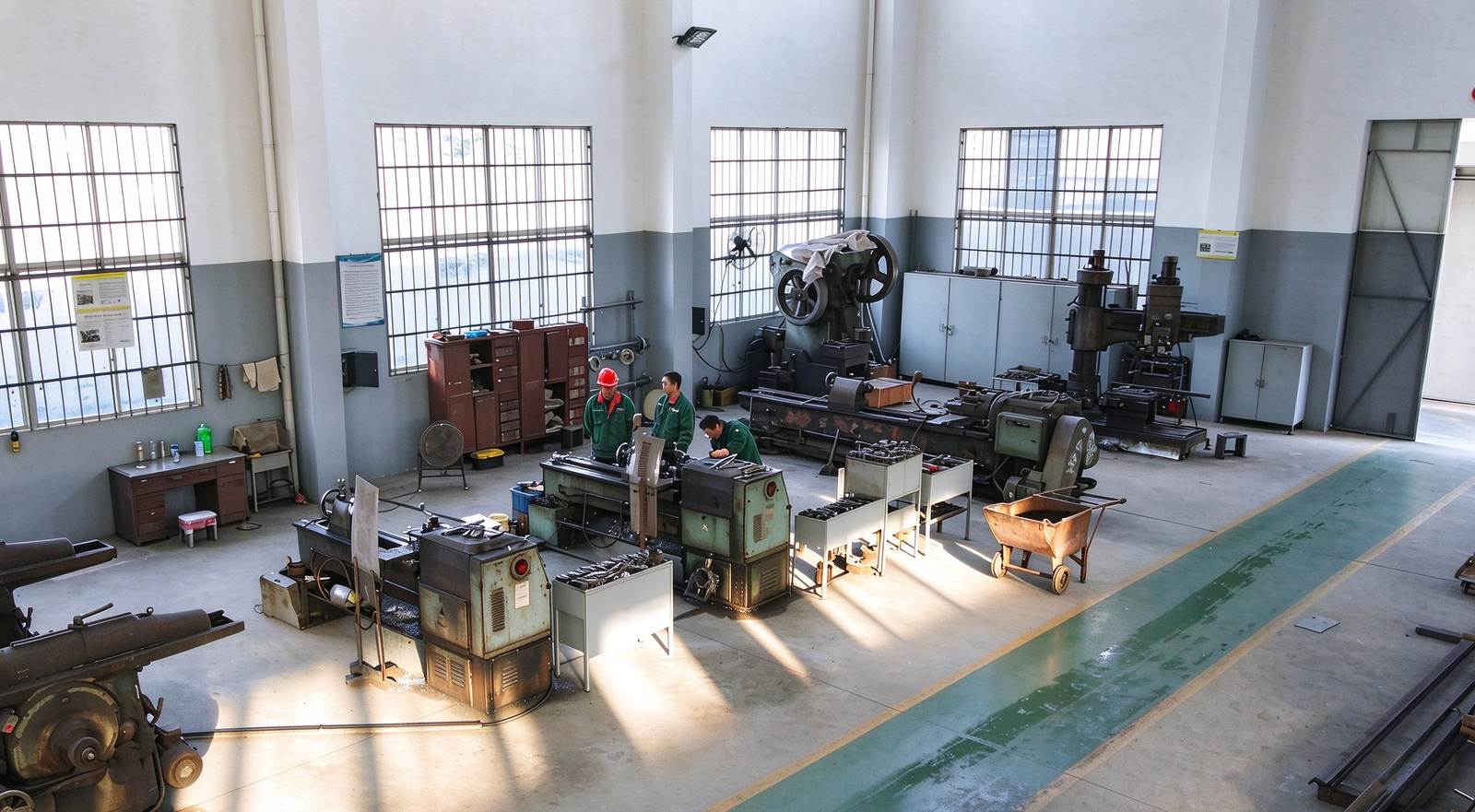
We manufacture and assemble the equipment in our factory, then inspect it against the agreed project requirements before shipment. If factory acceptance testing is included in the order, its scope is defined in the project documents.
Double Cone Blender Questions
What is a double cone blender used for?
How does a double cone blender work?
Is vessel volume the same as batch capacity?
How should a double cone mixer be selected for pharmaceutical powders?
How does a double cone blender compare with a V-blender?
How should an SZH blender be cleaned between batches?
Explore Related Mixing and Processing Equipment
Discuss an SZH Blender for Your Material
Tell us the material, bulk density, ingredient mix and target batch size. We can use those details to discuss a suitable SZH reference model, charging and discharge arrangement, and the equipment specification needed for your project.