Understanding Vacuum Drying Principles
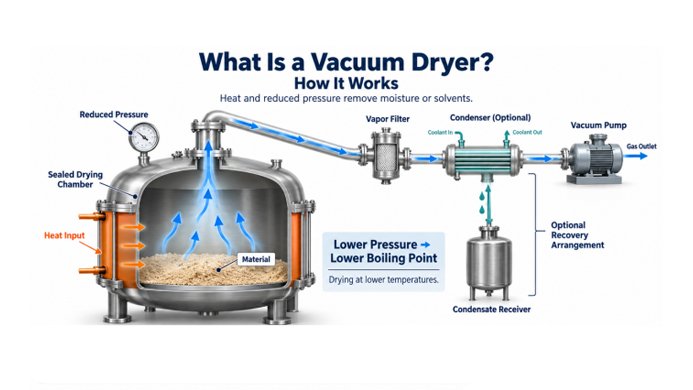
Explore how lowering pressure reduces the boiling point of water, making vacuum drying ideal for heat-sensitive pharmaceutical and chemical products.
Read Article →JEXDRY provides a comprehensive range of industrial drying equipment and auxiliary mixing systems. We help clients evaluate and configure the right technology based on specific material properties and process requirements.
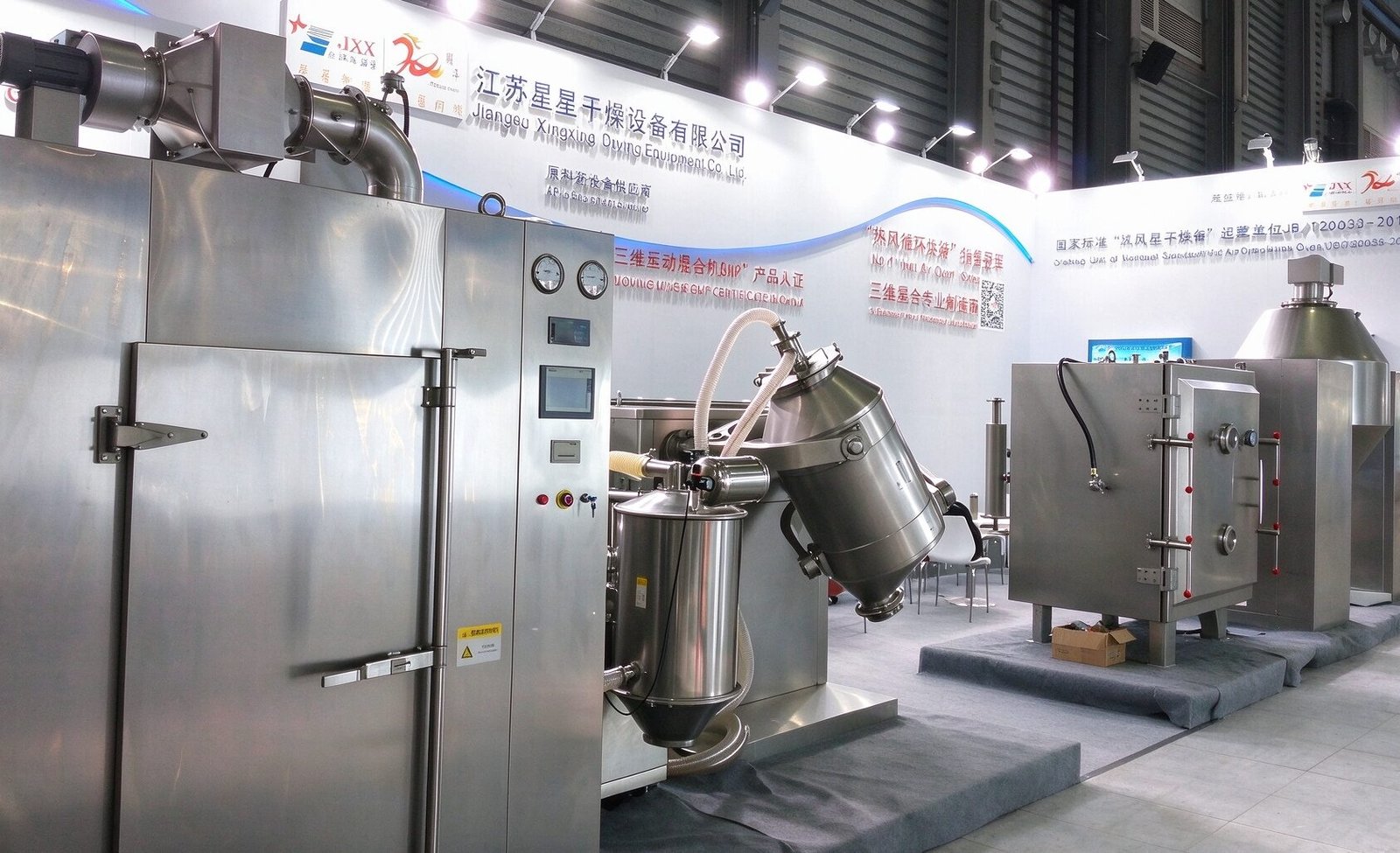
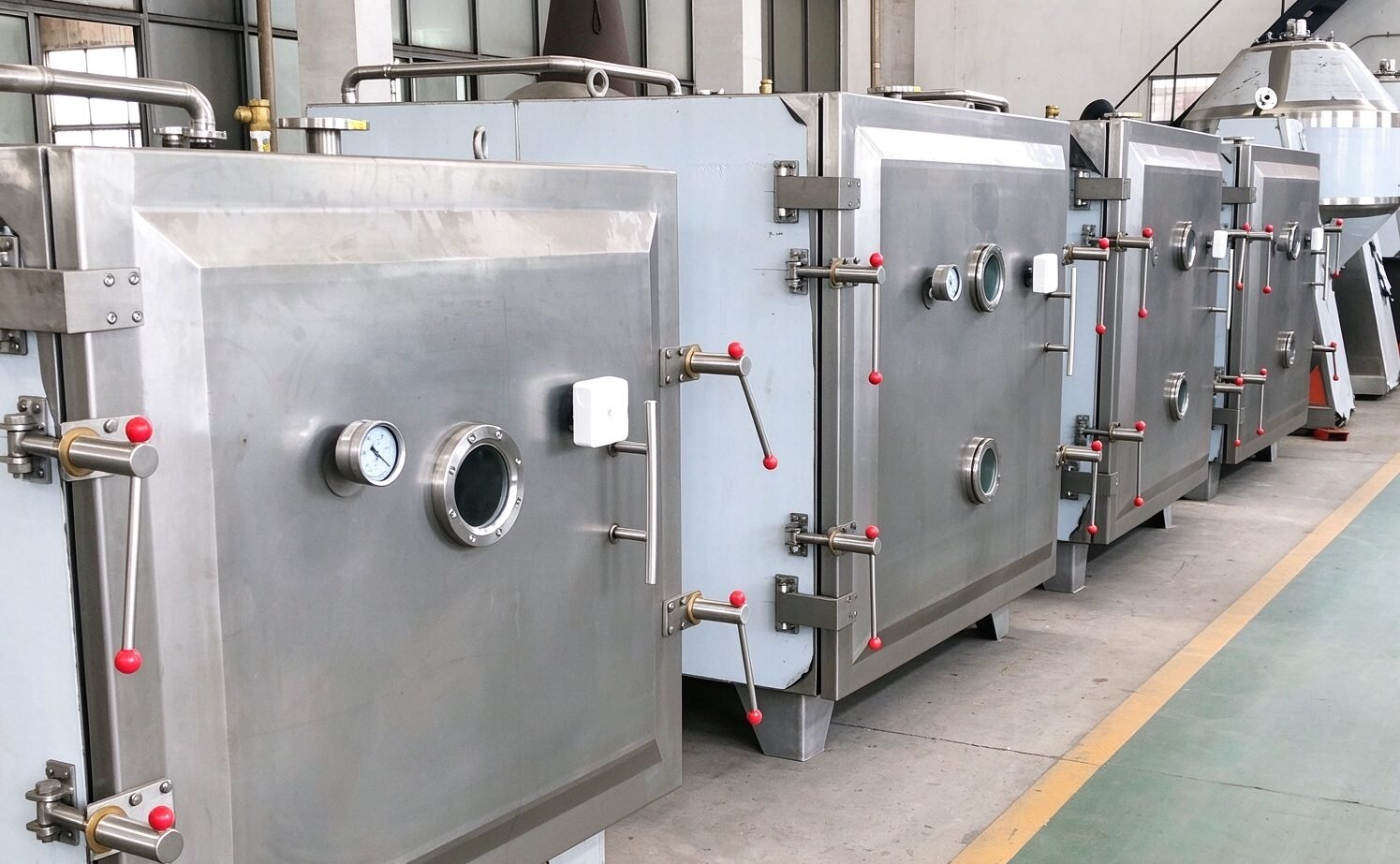
Ideal for heat-sensitive materials, pastes, and processes requiring low-temperature moisture removal under vacuum conditions.
Static batch drying suitable for small to medium scale production of highly sensitive or valuable materials.
View Vacuum Tray Dryer
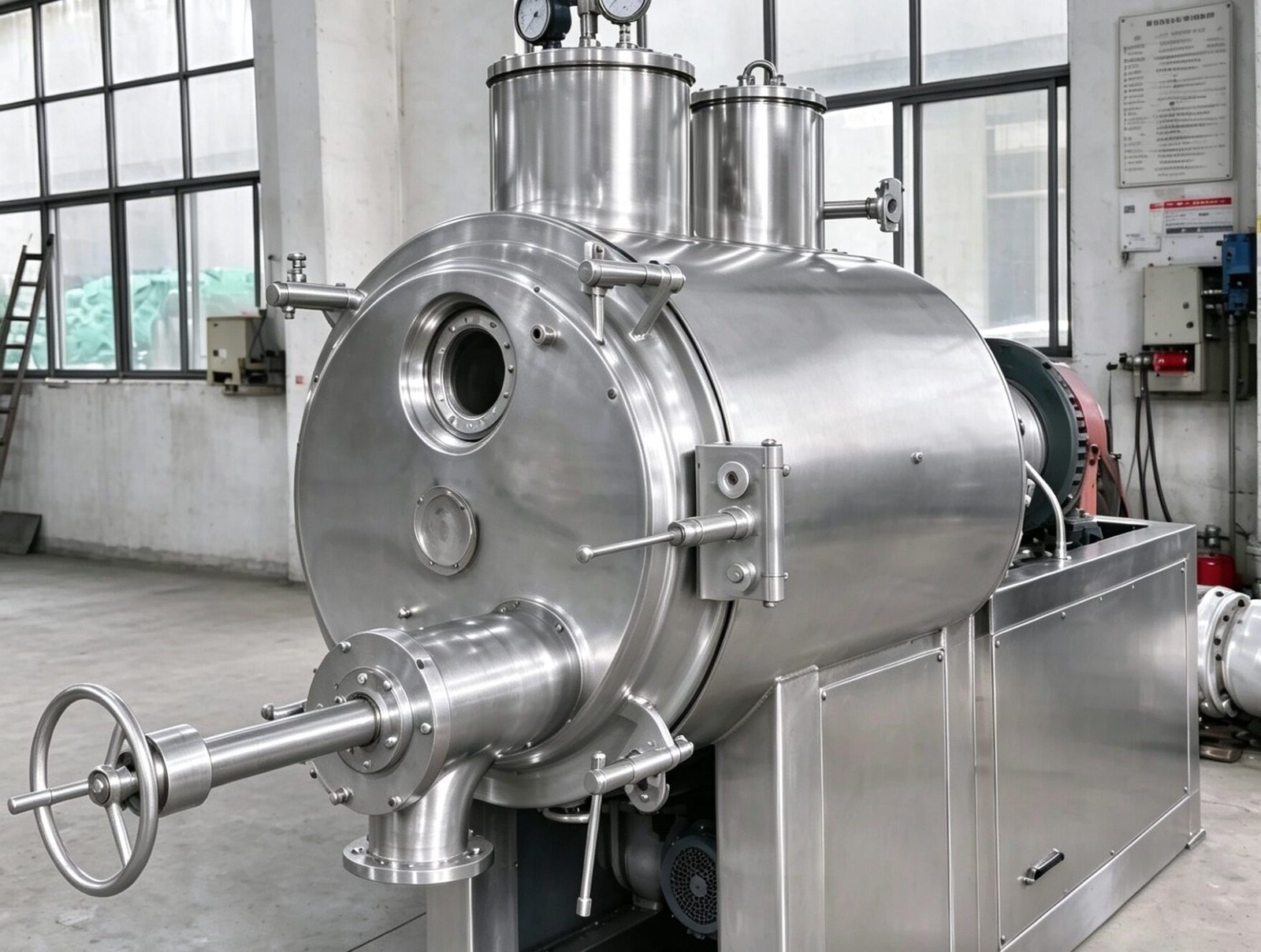
Agitated batch dryer designed for slurries, pastes, and materials that tend to agglomerate during drying.
View Vacuum Rake Dryer
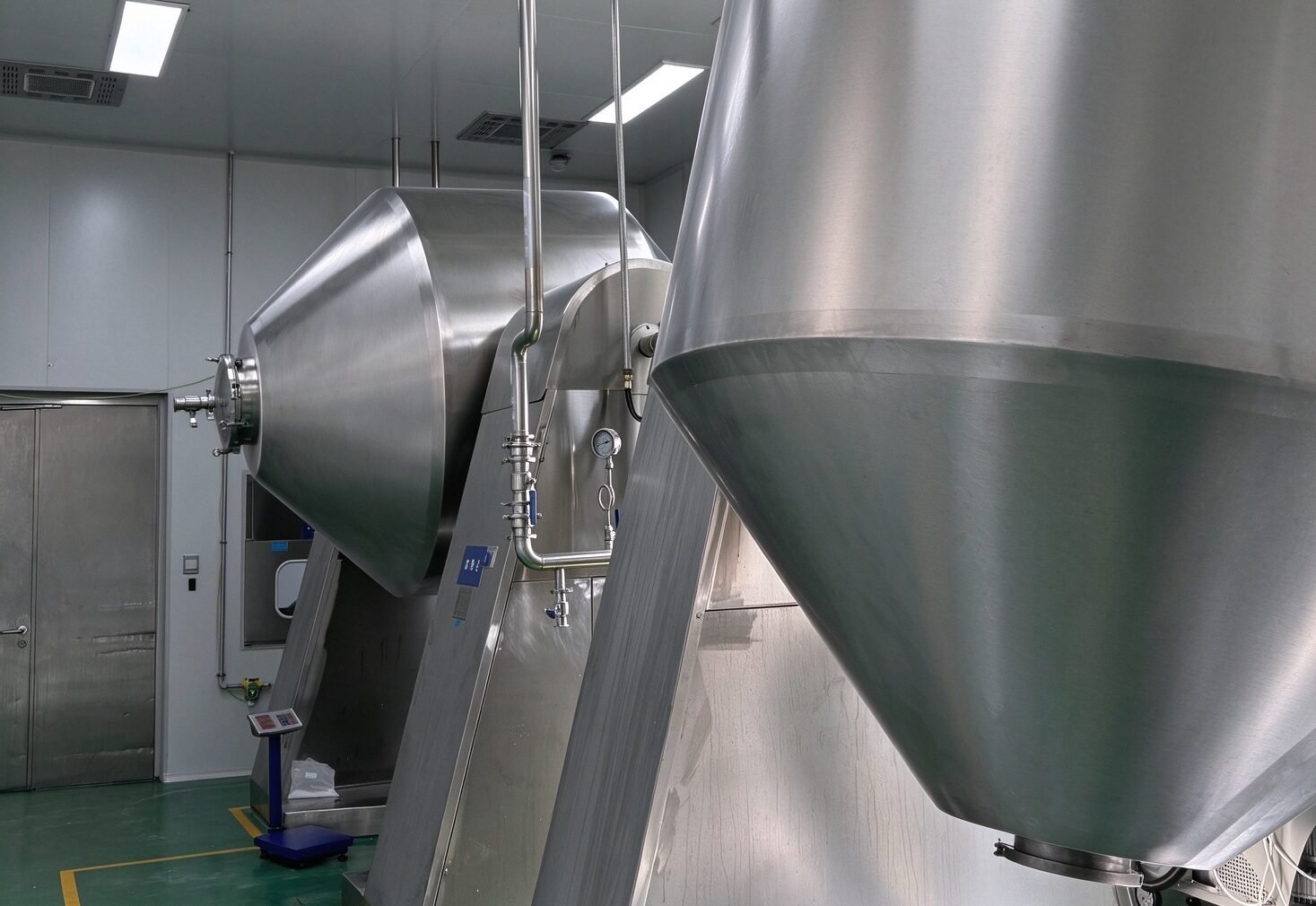
Tumbling batch dryer providing gentle mixing and uniform drying for crystalline or fragile powders.
View Double Cone Dryer
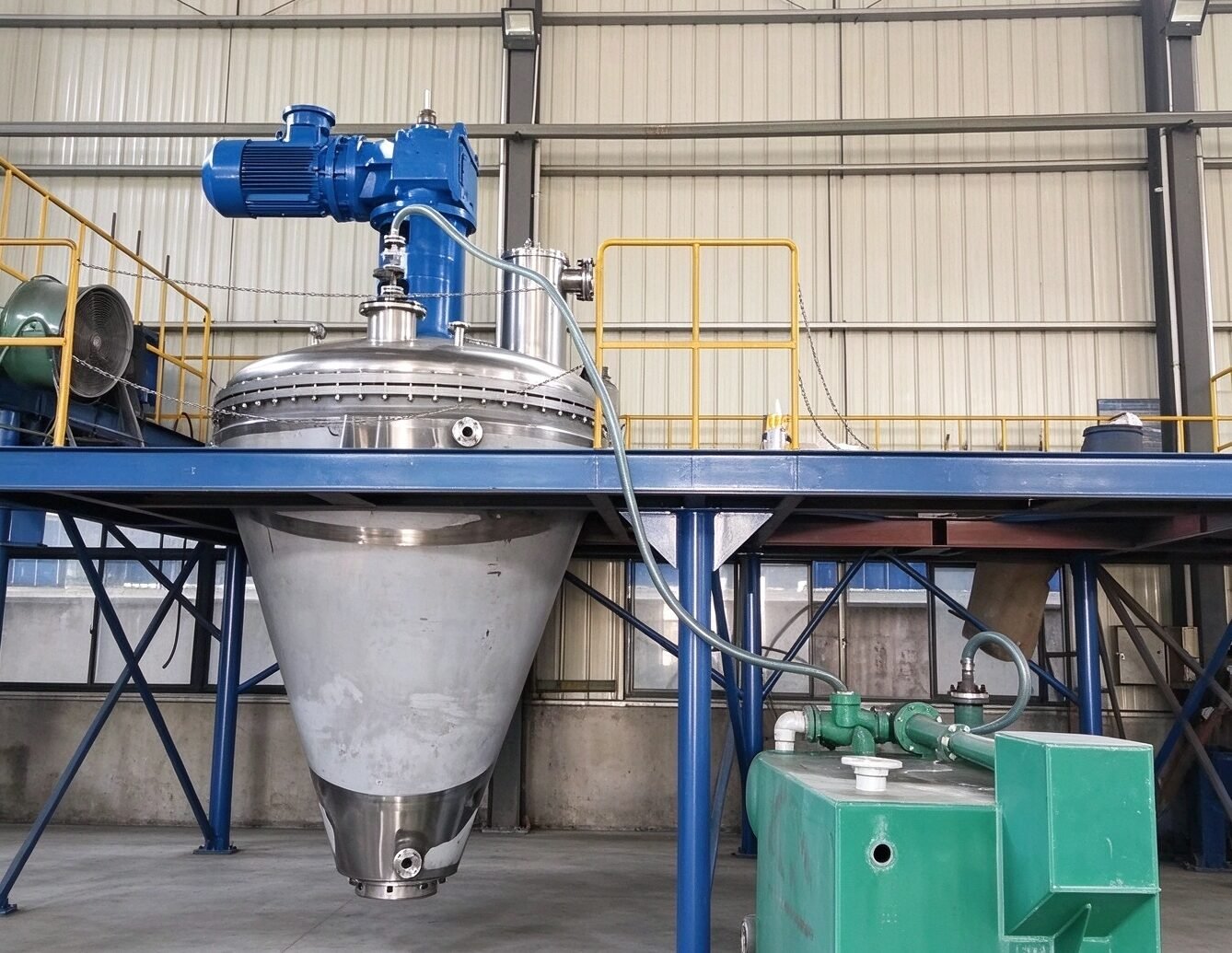
Features an internal screw agitator for efficient drying and mixing of powders with high moisture content.
View Conical DryerRapid continuous drying technology that transforms liquid solutions, emulsions, and suspensions directly into dry powders.
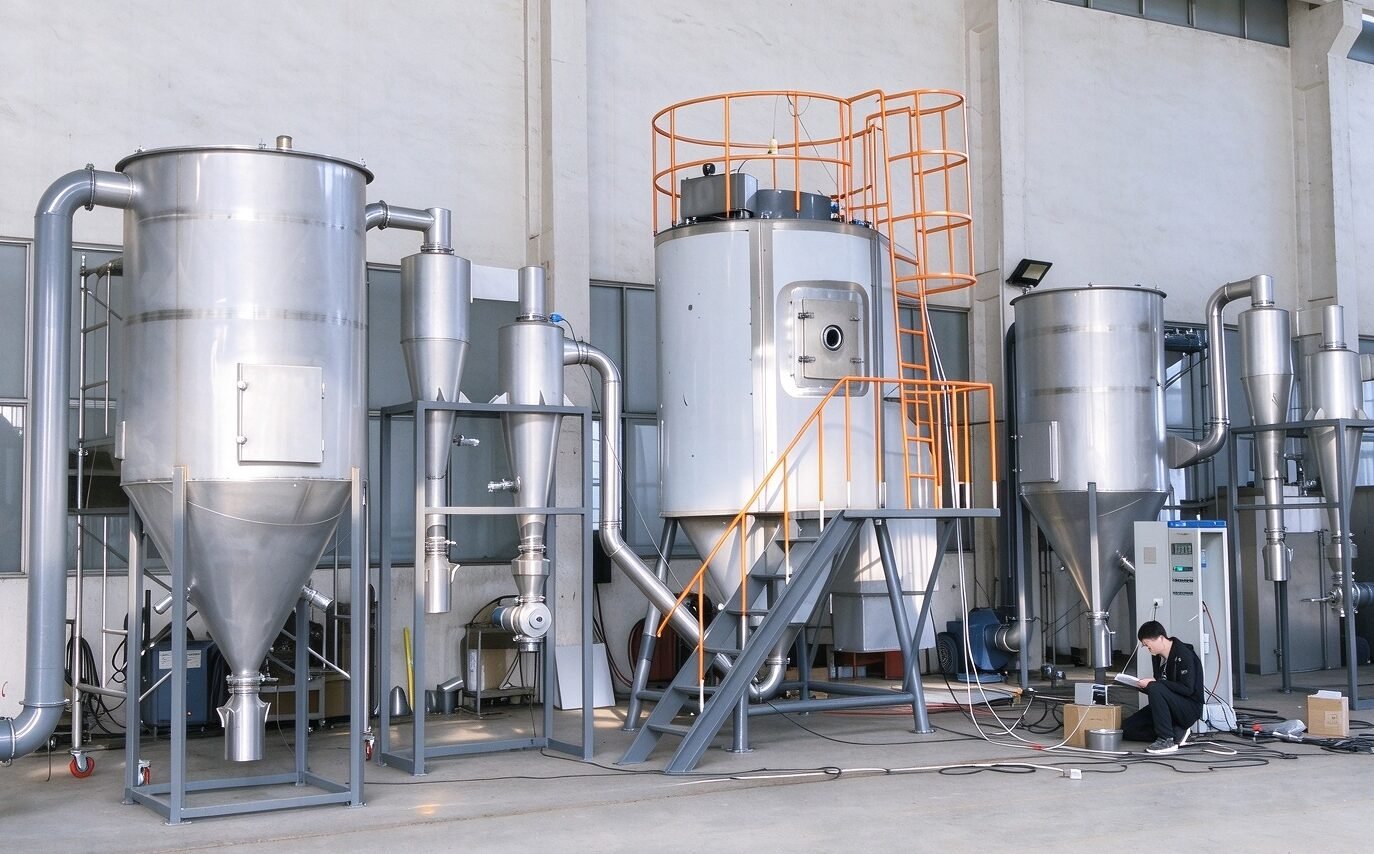
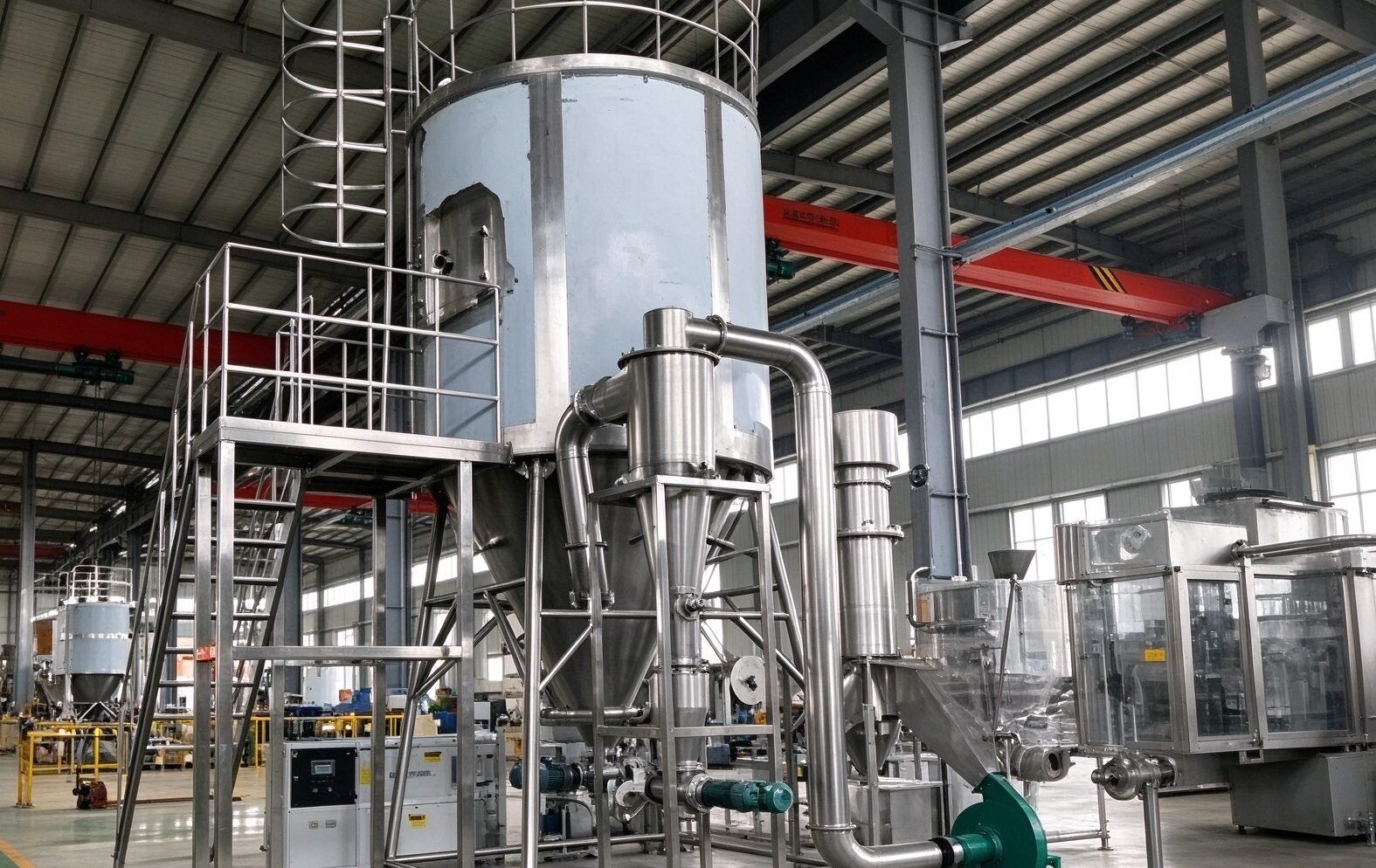
Centrifugal and pressure nozzle spray drying systems for chemical, pharmaceutical, and food industries.
View Spray Dryer
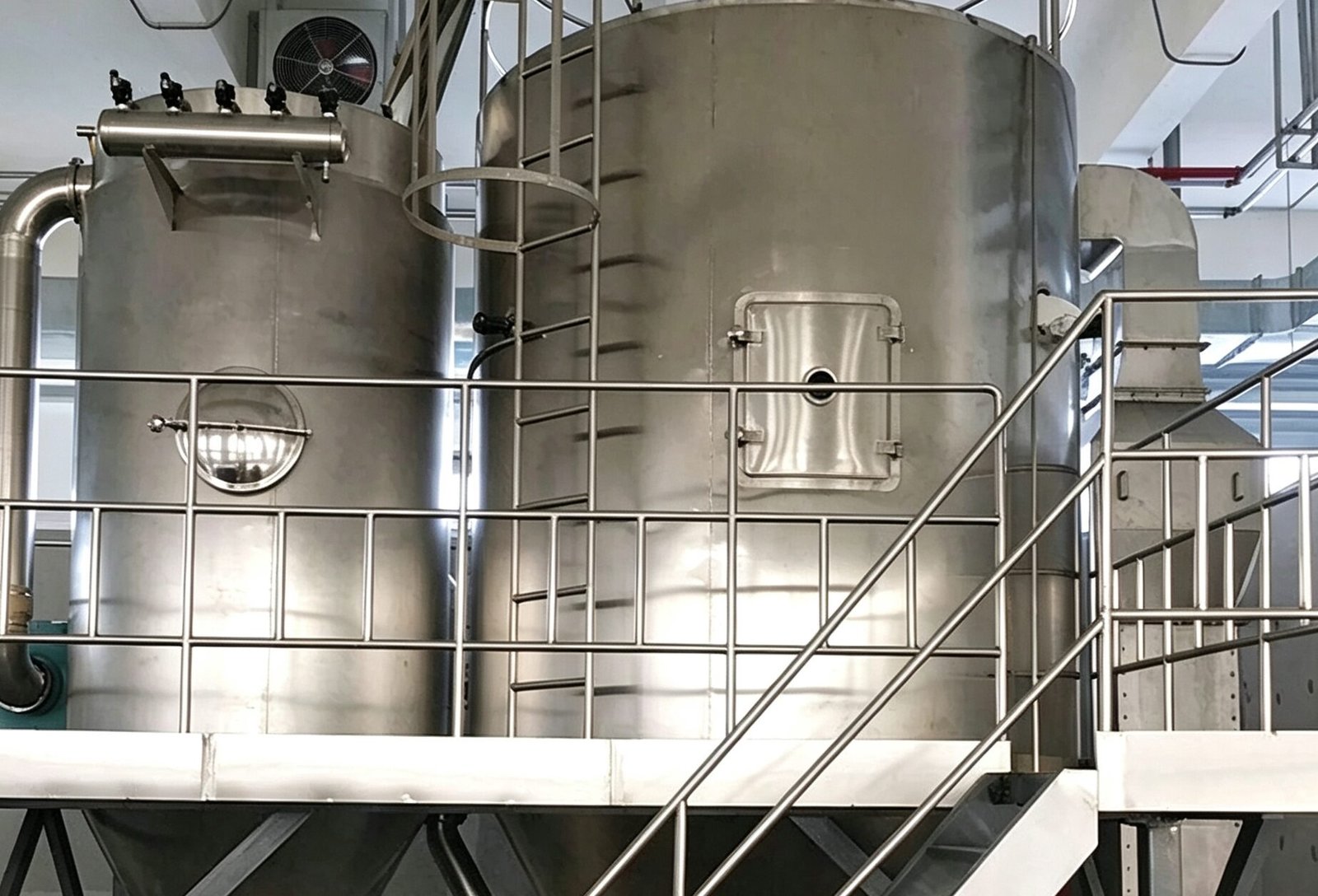
Sanitary design spray drying equipment optimized for dairy products, ensuring solubility and flavor retention.
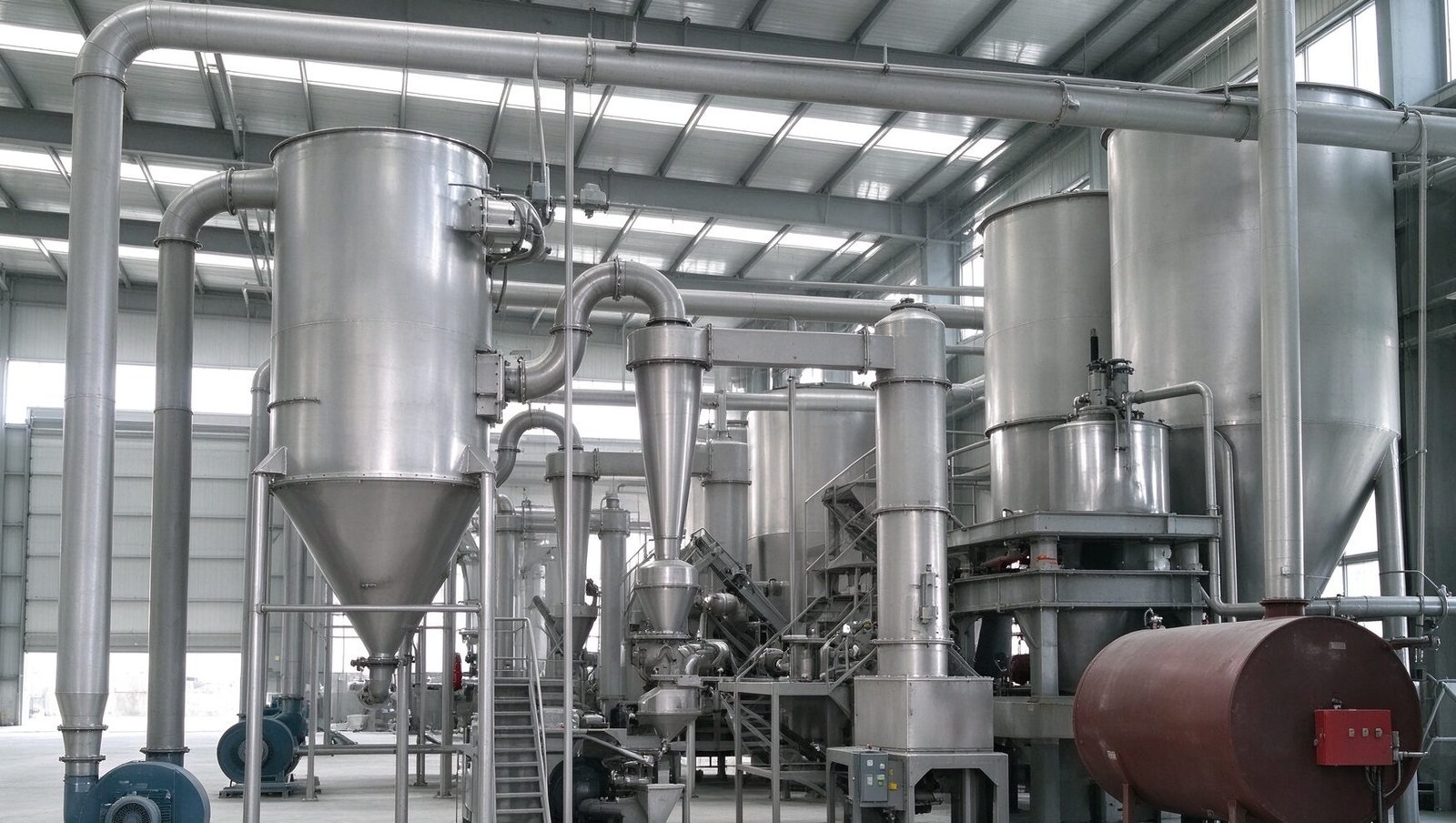
View Milk Powder DryerHigh-efficiency drying for powders, granules, and filter cakes utilizing dynamic airflow for rapid heat and mass transfer.
Combines drying, milling, and grading in one continuous process. Excellent for cohesive pastes and filter cakes.
View Spin Flash Dryer
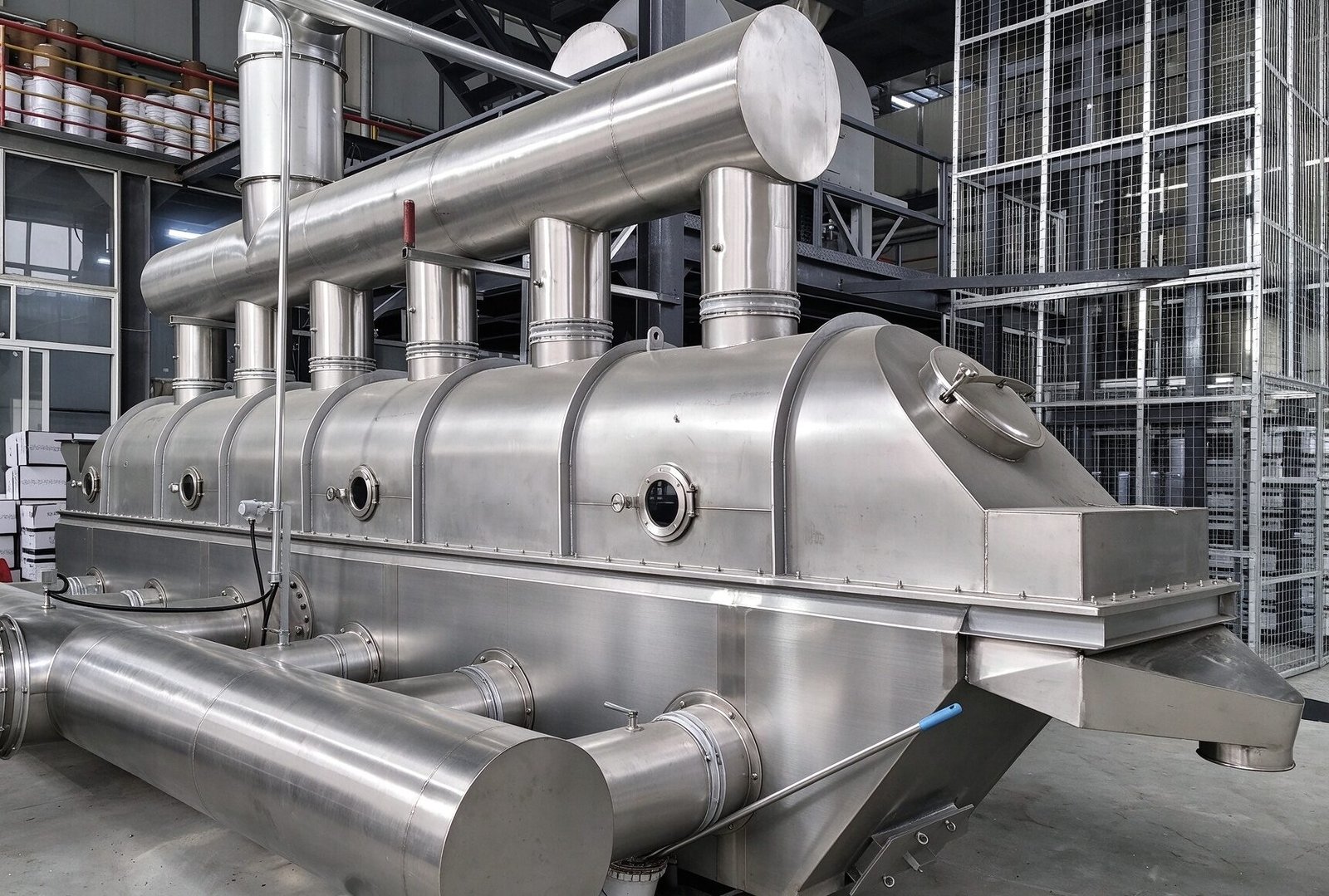
Continuous drying and cooling of granular materials with uniform fluidization aided by mechanical vibration.
View Fluid Bed DryerRobust, high-capacity continuous drying solutions for bulk minerals, chemicals, agricultural products, and sludge.
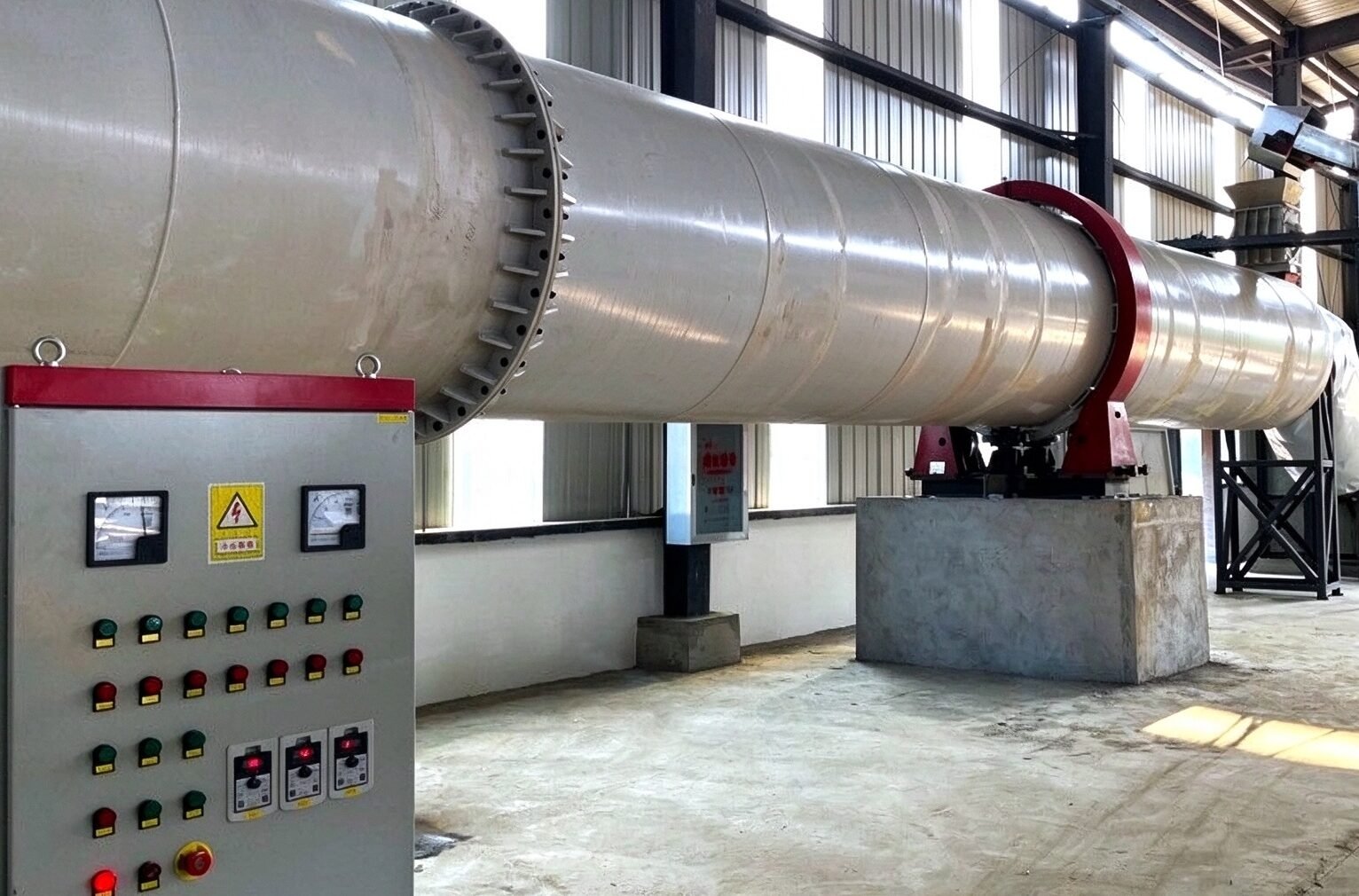
Heavy-duty direct or indirect drying for large volumes of ores, fertilizers, and industrial by-products.
View Rotary Drum Dryer
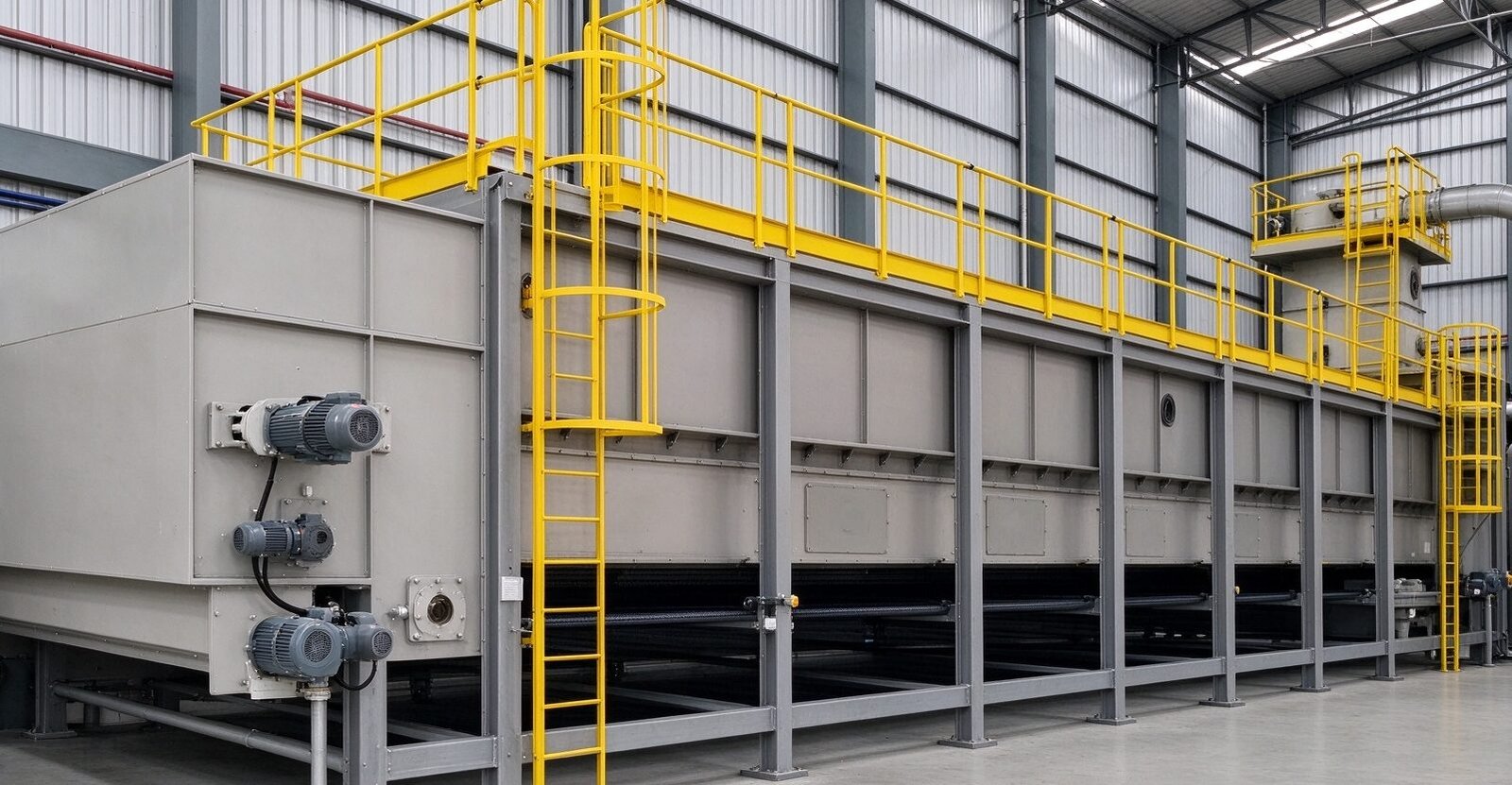
Gentle continuous drying on a perforated conveyor. Ideal for briquettes, extrudates, and agricultural produce.
View Belt Dryer
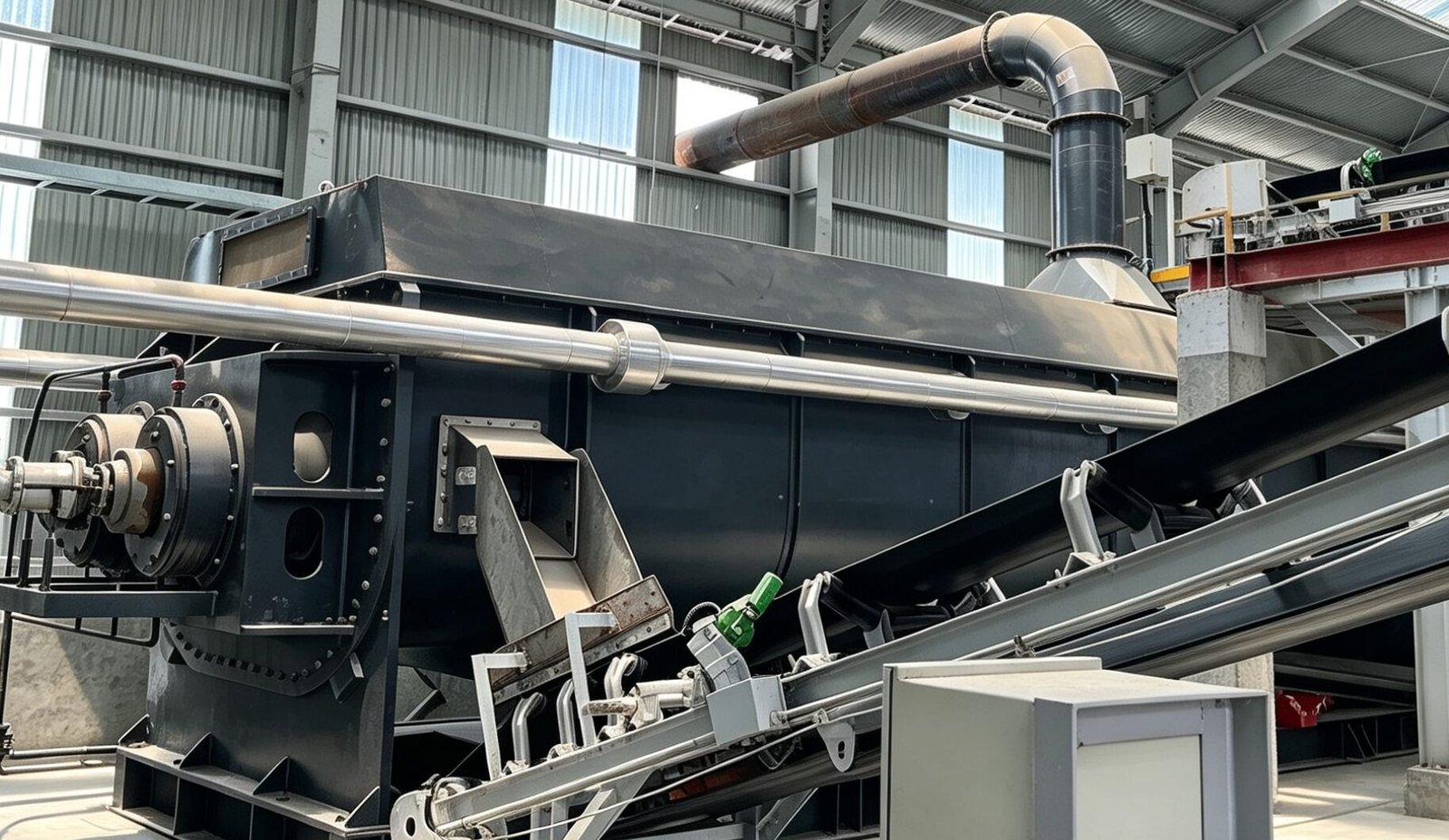
Indirect heat transfer dryer with hollow wedge-shaped paddles. Highly efficient for sludge and pastes.
View Paddle DryerReliable blending solutions for dry powders and granules, often integrated before or after the drying process.
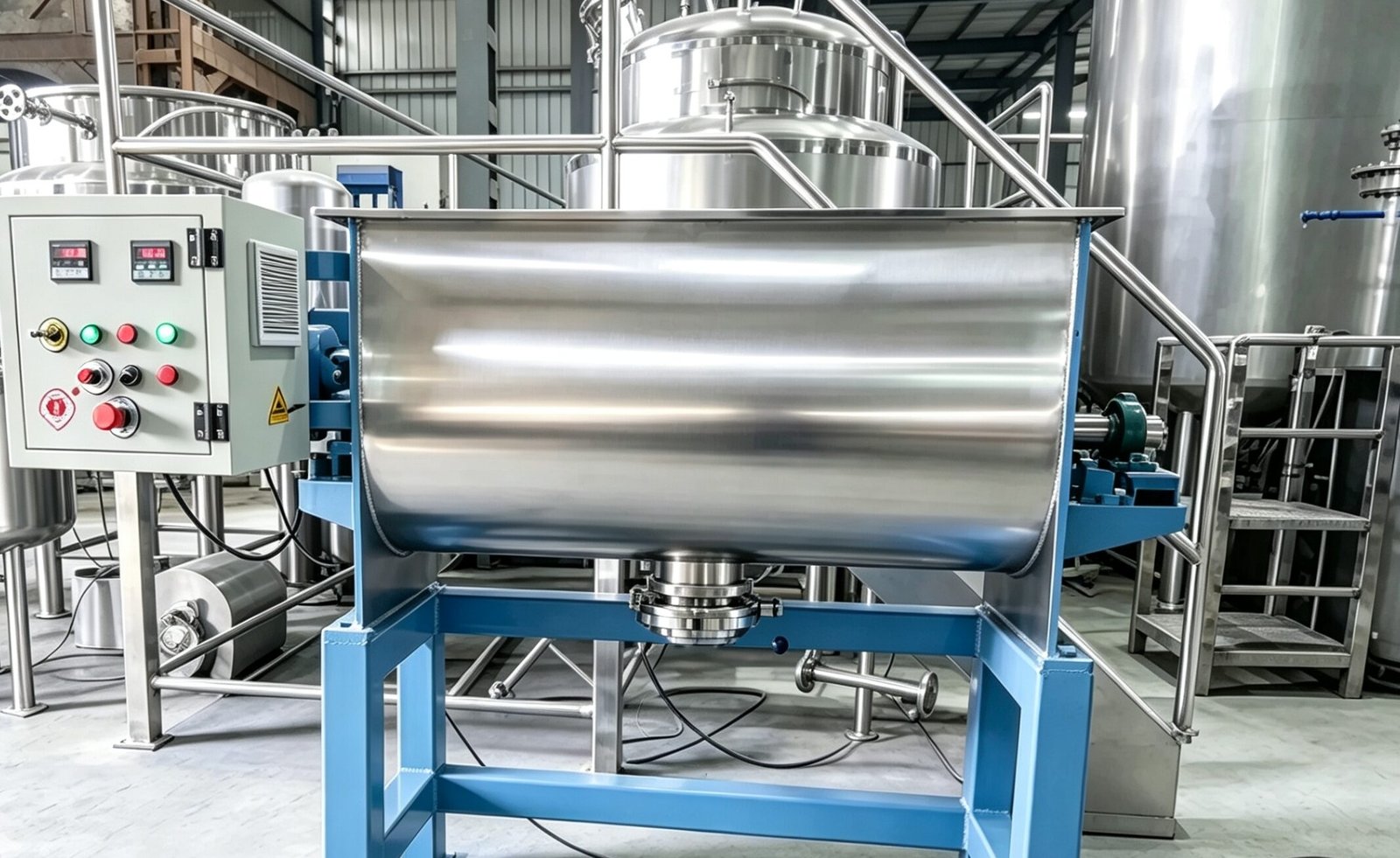
U-shaped horizontal trough with a double helical ribbon agitator for homogenous powder mixing.
View Ribbon BlenderReducing the volume and weight of municipal and industrial sludge requires robust engineering. Equipment evaluation depends heavily on sludge properties, initial/target moisture content, throughput, available heat sources, and end-use goals.
Explore Sludge Drying SolutionsUse this general guide to identify potential drying technologies for your process. Final selection requires detailed engineering evaluation.
| Material / Process Need | Equipment to Evaluate | Key Information Needed |
|---|---|---|
| Liquid feed to powder | Spray Dryer | Solid content %, viscosity, heat sensitivity |
| Heat-sensitive / Vacuum required | Vacuum Dryers (Tray, Double Cone) | Max allowable temp, solvent to be recovered |
| Powders & Granules (Continuous) | Fluid Bed Dryer, Rotary Dryer | Particle size, bulk density, throughput |
| Pastes & Filter Cakes | Spin Flash Dryer, Paddle Dryer | Initial moisture (wet basis), stickiness |
| High volume Sludge | Sludge Solutions (Paddle, Belt) | Organic content, target moisture, heat source |
| Dry powder blending | Ribbon Blender | Batch volume, bulk density, mixing time |
To help our engineers propose the most accurate solution, providing the following details is highly recommended:
Technical insights, selection guides, and application notes.
Explore how lowering pressure reduces the boiling point of water, making vacuum drying ideal for heat-sensitive pharmaceutical and chemical products.
Read Article →
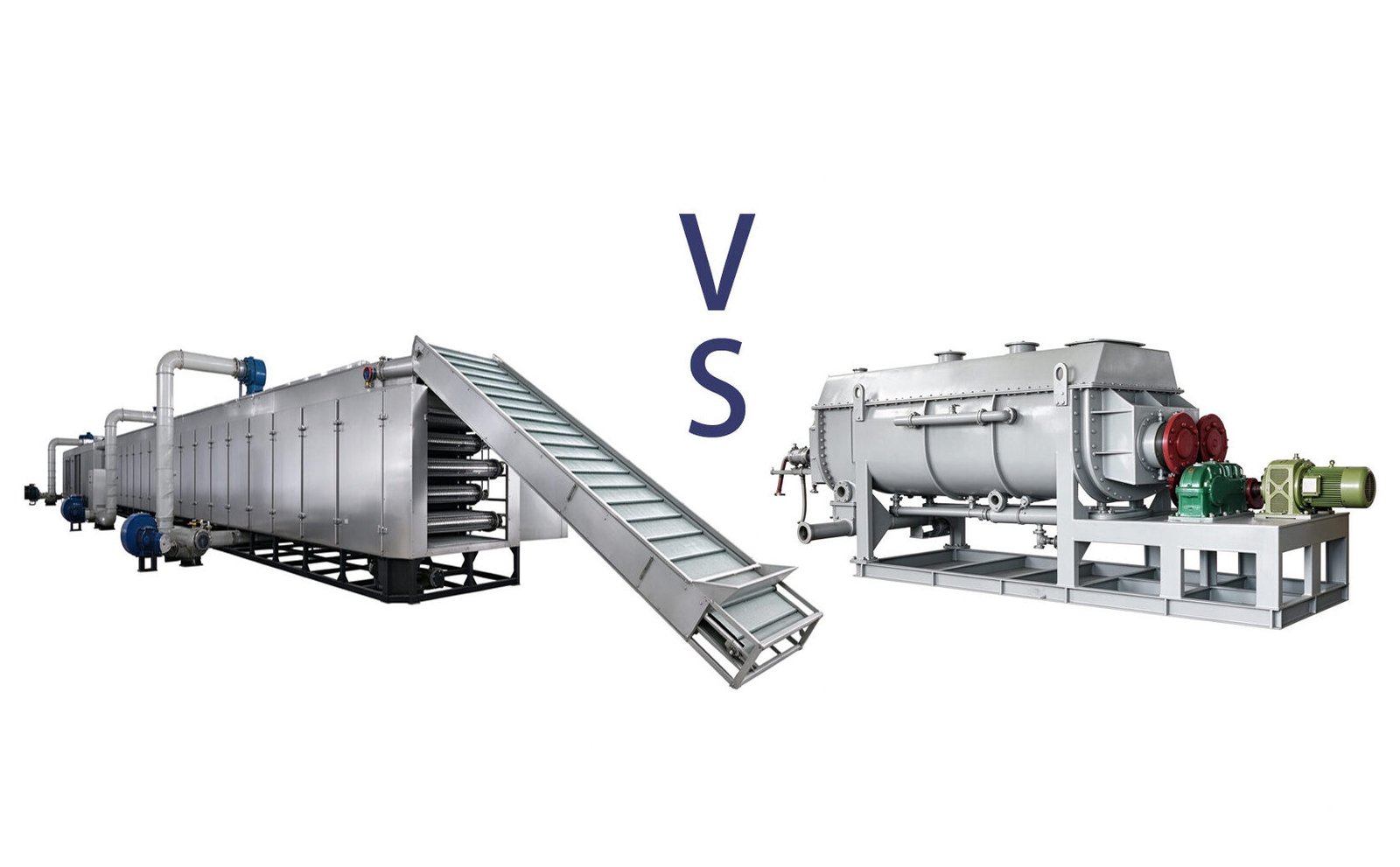
A comparative analysis of indirect and direct drying methods for municipal sludge volume reduction and stabilization.
Read Article →
Best practices for maintaining consistent viscosity and flow rates to ensure uniform atomization and powder quality in spray drying.
Read Article →Tell us about your material and process requirements. Our engineers will help you find the optimal solution.