To optimize paddle dryer performance, focus on five areas: temperature and pressure settings, paddle blade design, preventive maintenance, moisture monitoring, and feed preparation. These factors work together to control outlet moisture, drying capacity, and energy consumption.
- Fine-tune paddle dryer operating parameters within the approved range.
- Maintain effective heat transfer through the jacket and hollow paddles.
- Inspect wear, clearances, lubrication, and vapor-handling equipment.
- Use PLC controls and verified moisture measurements to manage feed variation.
- Prepare and meter the feed to maintain a consistent evaporation load.
Paddle dryers process materials ranging from chemical slurries and filter cakes to food-processing residues and sludge. When performance falls, the effects often appear as higher utility consumption, inconsistent product moisture, or unplanned downtime. Review the operating data and mechanical condition before deciding whether equipment changes are needed.
For an existing paddle dryer system, begin with the equipment manual, approved material limits, and current operating records. Trained operators should follow the model-specific startup and shutdown procedures. Batch and vacuum machines require their own loading and pressure controls; their settings should not be copied to a continuous atmospheric dryer.
1.What Paddle Dryer Operating Parameters Should You Fine Tune
Temperature, pressure, rotor speed, and residence time affect paddle dryer efficiency and final product moisture. Before changing them, record the wet feed rate, inlet and outlet moisture, product temperature, and utility consumption at a stable operating condition. Use the same moisture-test method and state whether results are on a wet or dry basis.
Jacket temperature. A higher temperature difference between the heated surface and material can increase heat transfer. However, exceeding the product’s temperature limit can cause scorching or degradation. Select an operating temperature that meets the moisture target and required throughput while keeping actual product temperature within the approved limit.
System pressure and vacuum. In a vacuum paddle dryer designed for reduced-pressure operation, lower absolute pressure allows water or solvents to evaporate at a lower temperature. This can suit heat-sensitive materials, but total energy use also includes the vacuum pump, condenser, and cooling system. Confirm vessel and seal ratings, and specify whether pressure readings are absolute or gauge values.
Rotor speed. Rotation controls mixing intensity and renewal of material at the heated surfaces. Its effect on drying depends on the material and paddle arrangement. Faster rotation does not automatically shorten residence time or improve drying; compare outlet moisture, motor current or torque, and particle condition when testing an approved speed change.
Residence time. This is the time material spends inside the dryer. It depends on the material inventory and feed and discharge arrangements. For example, the Komline-Sanderson Paddle Dryer/Processor controls residence time through feed rate and overflow-weir height. Confirm the mechanism on your machine. Insufficient retention can leave wet product, while excessive retention may limit throughput or overheat sensitive material.
Effects of Operating Parameter Adjustments
| Parameter | What it influences | What to verify | Risk of an unsuitable setting |
| Jacket temperature | Heat-transfer driving force | Product temperature and outlet moisture | Scorching or insufficient drying |
| Vessel pressure on vacuum models | Boiling temperature and vapor removal | Pressure basis, vacuum stability, and condenser load | Operation outside vessel or process limits |
| Rotor speed | Mixing, surface renewal, and drive load | Motor load, moisture, and particle condition | Attrition, overload, or ineffective mixing |
| Residence time | Time available for moisture removal | Feed rate, material inventory, and discharge setting | Wet product, reduced throughput, or overdrying |
Change one approved variable at a time and allow the process to stabilize before comparing samples. Evaluate steam use in kilograms of steam per kilogram of water evaporated and electrical use in kilowatt-hours per kilogram of water evaporated. Keep the feed conditions, final moisture target, and measurement boundary comparable; lower hourly steam use alone may mean that less water is being removed.
2.How Does Paddle Blade Design Affect Heat Transfer and Throughput
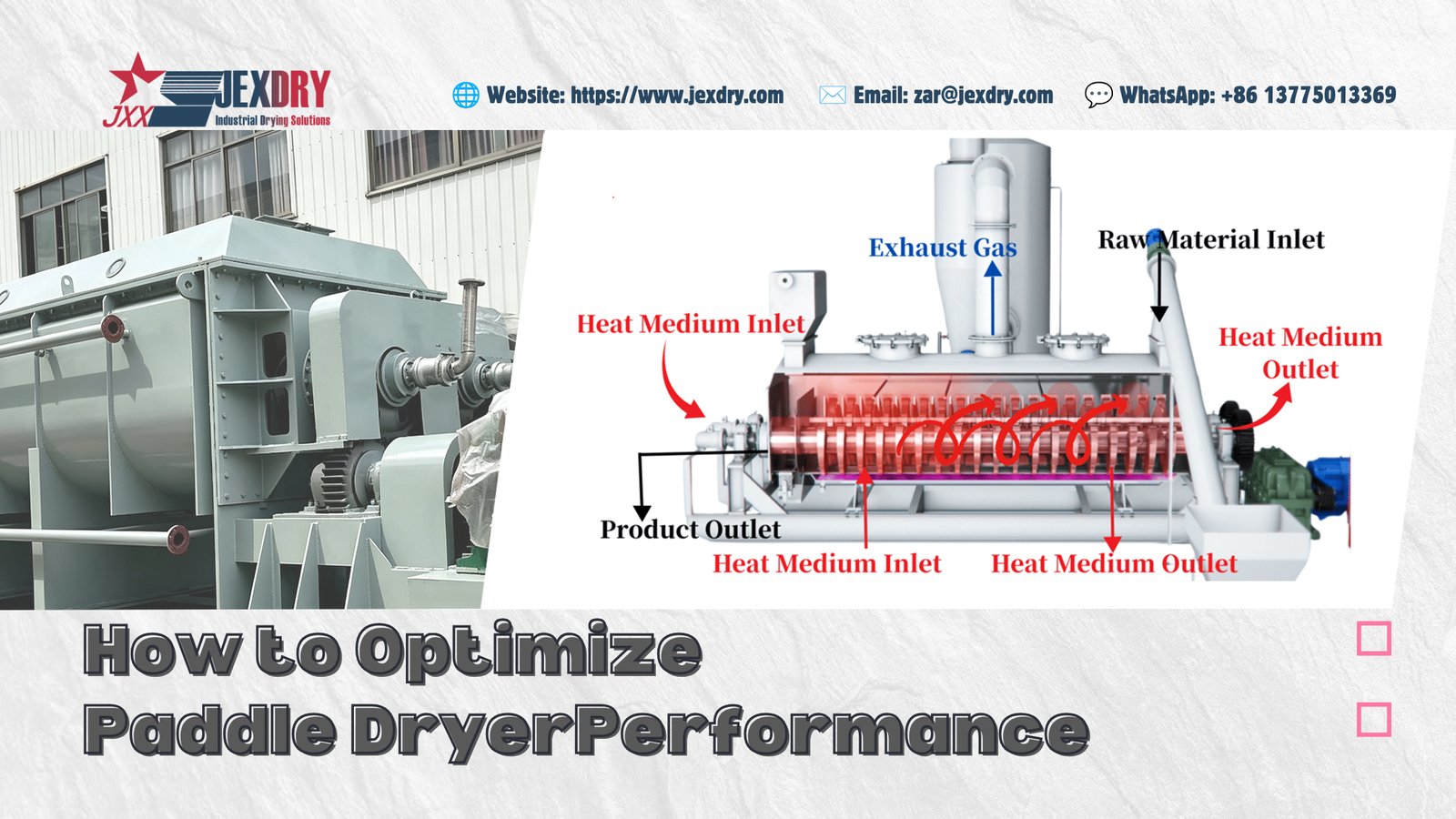
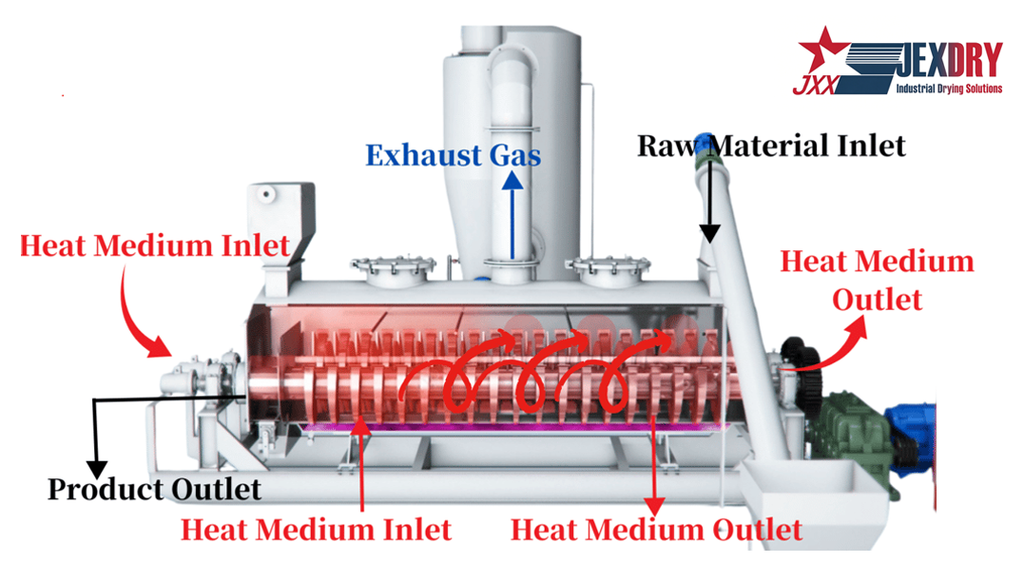
A paddle dryer is an indirect heat exchanger. In a hollow paddle design, heat passes through the jacket, heated shafts, and paddles into the product. The paddle dryer working principle depends on maintaining contact between the material and these surfaces while removing the generated vapor.
Wedge-shaped paddles can support mixing and limit material buildup by repeatedly renewing surface contact. Their effect depends on the paddle arrangement, clearances, and feed behavior. A blade change should therefore be reviewed against the actual material, shaft loading, and heating-circuit design before a retrofit is considered.
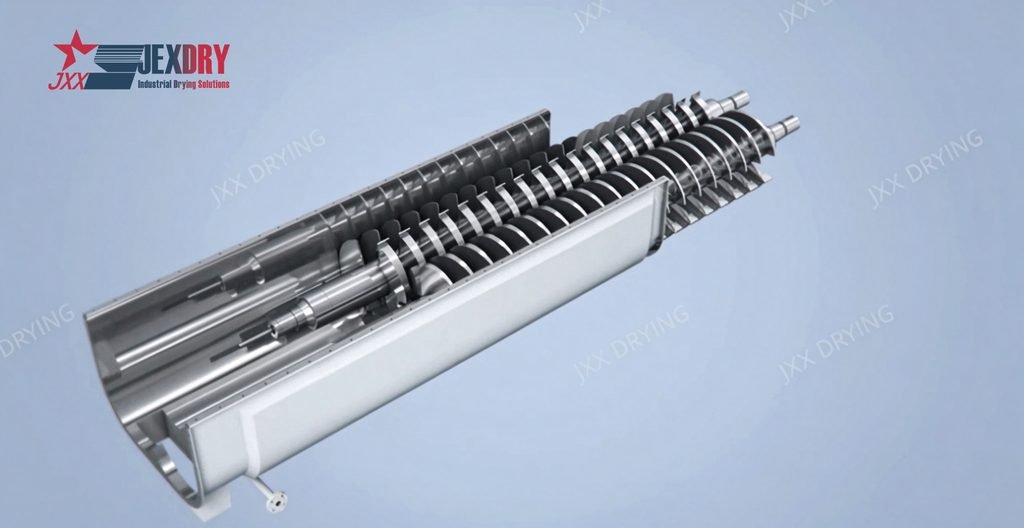
Self-cleaning action. Paddle geometry and movement of the material can help limit deposits on heated surfaces. This does not mean that the paddles continuously scrape metal against metal or that cleaning is unnecessary. Deposits can obstruct heat transfer, so compare buildup with moisture and utility trends during approved inspections.
Enhanced mixing. Agitation moves material through the product bed and renews contact with the heated surfaces. For sticky cakes and sludges, changes in consistency during drying can alter mixing and drive load. Verify discharge moisture with representative samples rather than assuming that all particles experience identical heating.
Durability and wear protection. Abrasive feed can wear paddle surfaces and change clearances over time. Select any hardfacing, coating, or replacement wear component for the actual abrasion and corrosion conditions. Record measured wear and component condition so that maintenance decisions reflect the material being processed.
3.What Paddle Dryer Maintenance Mistakes Should You Avoid
Waiting for a component to fail can turn gradual performance loss into an unplanned shutdown. Rising drive load, changing product moisture, seal leakage, and declining heat delivery deserve investigation. Use scheduled inspection together with condition monitoring to distinguish mechanical wear from changes in feed or operating load.
Before opening covers, clearing deposits, or checking internal parts, follow the approved shutdown and energy-isolation procedure. Authorized personnel must control electrical, mechanical, thermal, and pressure hazards and verify the safe state. A control-panel stop button is not an isolation device. Applicable U.S. requirements are set out in OSHA’s hazardous-energy control standard.
Mistake 1 Ignoring paddle clearances. Wear can change the relationship between paddles and nearby surfaces, affecting material movement and buildup. Measure clearances at the locations and conditions specified in the manufacturer’s drawing, using the approved tools and inspection interval. There is no universal clearance suitable for every paddle dryer; do not grind or reshape paddles to change it without engineering approval.
Mistake 2 Neglecting vapor and heating systems. Inspect condensers, filters, and vapor lines for fouling or restrictions according to the maintenance plan. On steam-heated units, also check condensate drainage through approved external checks. Unintended condensate accumulation can reduce heat transfer, as explained in Spirax Sarco’s condensate-removal guidance. Do not open connections on a running dryer or while the system is hot, pressurized, or under vacuum.
Mistake 3 Using the wrong lubrication practice. Both over-lubrication and under-lubrication can damage bearings. Follow the specified lubricant, quantity, and interval for the bearings and gearbox. Temperature, vibration, or ultrasound monitoring can support that plan, but should not replace the manufacturer’s lubrication requirements without a reviewed maintenance change.
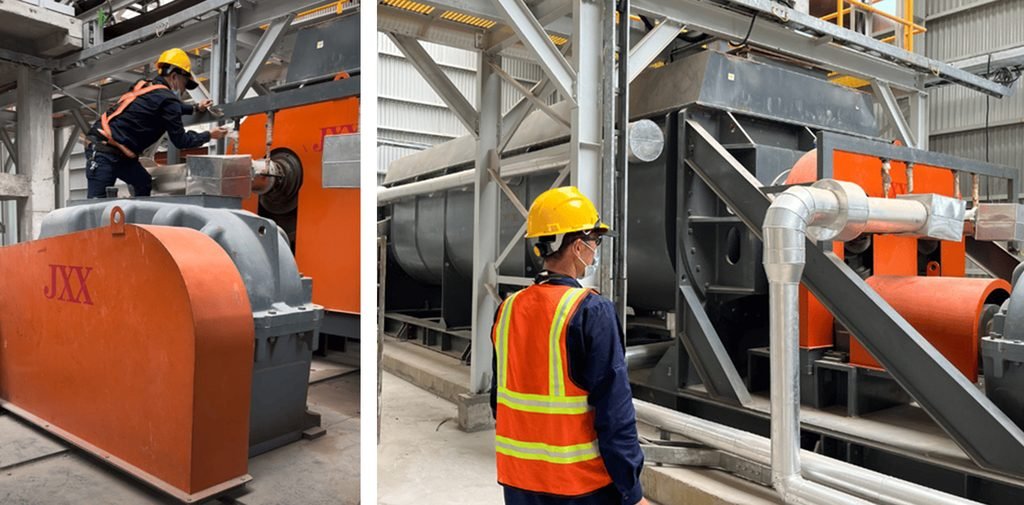
Operator training should cover alarms, material changes, sampling, and the correct response to abnormal drive load or leakage. Keep spare-part references matched to the dryer model and drawing revision, particularly for seals, bearings, and wear components, so replacements fit the installed equipment.
4.How Can PLC Controls and Moisture Sensors Improve Paddle Dryer Performance
PLC and SCADA systems can coordinate feed, heating, and discharge conditions while recording changes that are difficult to follow manually. An online moisture sensor at the discharge can provide feedback on product moisture. Its value depends on material-specific calibration, representative measurement, and the time delay between an operating change and its effect at the outlet.
Closed-loop control. Compare the moisture sensor with the plant’s validated laboratory method before using its signal for automatic corrections. The controls engineer should confirm which variable to adjust, the direction of the response, permitted limits, and the action required when the signal fails. For overdry product, the appropriate response may involve heating or feed control; slowing the rotor must not be assumed to shorten residence time.
Data logging and analytics. Record actual temperatures, pressure, shaft speed, motor load, feed rate, and moisture alongside sample times and alarms. These records support several practical checks:
- Identifying inefficiencies. Track energy per unit of water evaporated under comparable feed and moisture conditions to identify trends that may justify inspection.
- Process optimization. Compare controlled trials and retain a verified operating recipe for each material.
- OEE tracking. Where production data are available, track availability, performance against the agreed production rate, and the proportion of acceptable output.
- Remote monitoring. IoT-connected systems can send process and alarm information to authorized personnel. Remote alerts supplement the site’s operating response and do not replace protective interlocks.
5.How Should You Handle and Prepare Feed Material for a Paddle Dryer
Paddle dryer performance depends on the consistency of the incoming material. Changes in feed rate or inlet moisture alter the evaporation load. Particle size, bulk density, and consistency can also affect feeder delivery and material movement inside the dryer. Stable feeding helps maintain outlet moisture and makes temperature and residence-time changes easier to evaluate.
The objective of feed preparation is a consistent stream suited to the installed dryer. A suitable buffer hopper or storage arrangement can support continuous supply, but sticky material may bridge or discharge intermittently. Confirm storage behavior and measured feeder delivery instead of relying only on the feeder speed setting.
Homogenization and particle size control. Mixing or size reduction may help when uneven composition or large agglomerates affect drying. Use these methods only when compatible with the material’s particle requirements, thermal sensitivity, and process hazards. Record preparation changes because they can alter mixing behavior and drive load inside the dryer.
Belt Conveyor System
Advantages. Belt conveyors can move suitable bulk materials from storage or upstream processing over longer transfer routes. A belt system fitted with weighing and speed control can also provide measured feeding, depending on the application.
Limitations. A basic transfer conveyor may deliver uneven loads if material depth varies along the belt. Dust containment, spillage, and changes in wet-material consistency need attention. A buffer hopper and a separate metering device may be appropriate where transfer and controlled feeding have different requirements.
Screw Feeder
Advantages. An enclosed screw feeder can introduce suitable filter cakes or wet solids into the dryer at an adjustable rate. Its speed can be linked to process control, helping coordinate feeding with the available evaporation capacity.
Limitations. Conveying distance, inclination, stickiness, and agglomeration affect screw performance. The delivered mass also depends on filling and bulk density, so a fixed screw speed does not necessarily mean a constant mass flow. Verify delivery by the approved calibration method.
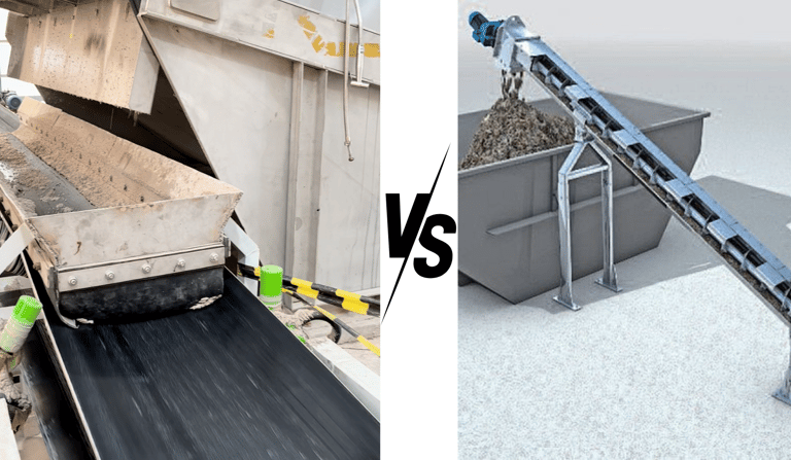
Belt conveyors and screw feeders can serve complementary roles. A belt may transfer material to a buffer hopper near the dryer, while a suitably selected feeder meters it into the inlet. Confirm the hopper discharge behavior and actual feed rate so the arrangement supports stable heating, mixing, and outlet moisture.
Frequently Asked Questions
Does Increasing Rotor Speed Always Improve Paddle Dryer Performance
No. Rotor speed affects mixing and drive load, while residence time also depends on material inventory and the feed and discharge design. Test speed changes within the approved range and compare outlet moisture, motor load, and particle condition before accepting a new setting.
Can a Rotary Vacuum Paddle Dryer Reduce Energy Consumption
Not necessarily. Reduced pressure allows evaporation at a lower temperature, but total energy use also includes heating, condensation, cooling, and vacuum equipment. Compare the complete system at the same feed and final moisture conditions, and confirm the actual agitator and vessel configuration.
How Often Should Paddle Dryer Clearances and Wear Parts Be Checked
Follow the manufacturer’s intervals and the site maintenance plan, then review wear, deposit, drive-load, and leakage records. Abrasive mineral cake and sticky sludge may require different inspection plans. Internal measurements require the approved shutdown and verified energy-isolation procedure.
Can an Online Moisture Sensor Replace Laboratory Testing
Online measurement supports continuous monitoring, but it needs verification against a validated reference method. Changes in composition, particle size, product temperature, or sensor buildup can affect readings. Keep the agreed comparison and calibration checks in the operating plan.
How Does Feed Moisture Affect Paddle Dryer Capacity and Energy Use
At a fixed dry-solids throughput and final moisture target, wetter feed requires more water to be evaporated. Record wet feed rate and inlet moisture together. Compare steam and electricity per kilogram of water evaporated so changes in incoming water load are not mistaken for efficiency changes.
Improve Paddle Dryer Performance with a Coordinated Operating Plan
Operating parameters, paddle condition, maintenance, moisture control, and feed preparation are connected. A temperature adjustment cannot fully compensate for restricted heat delivery, and an online sensor cannot remove fluctuations caused by an unsuitable feeder. Confirm improvements through stable product moisture, acceptable drive load, and measured utility consumption under comparable conditions.
To discuss your JEXDRY paddle dryer, send the model, material description, wet feed rate, inlet and target moisture, heating-medium conditions, and recent operating records. Include photographs of any deposits or wear and the moisture-test method. Contact JEXDRY with your operating data for a review of the process conditions and the information needed before a model-specific adjustment.