Conical Screw Mixer Manufacturer
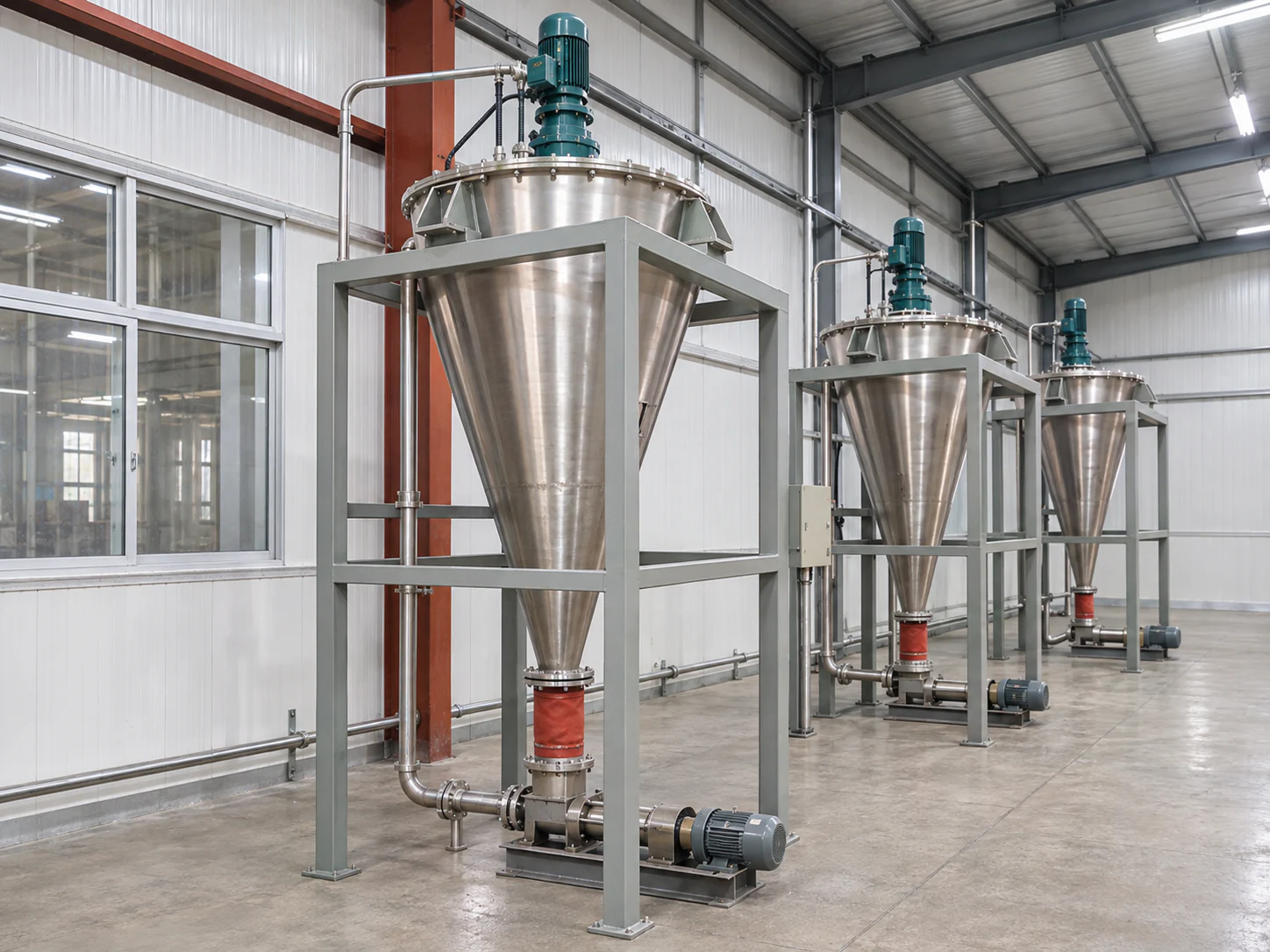
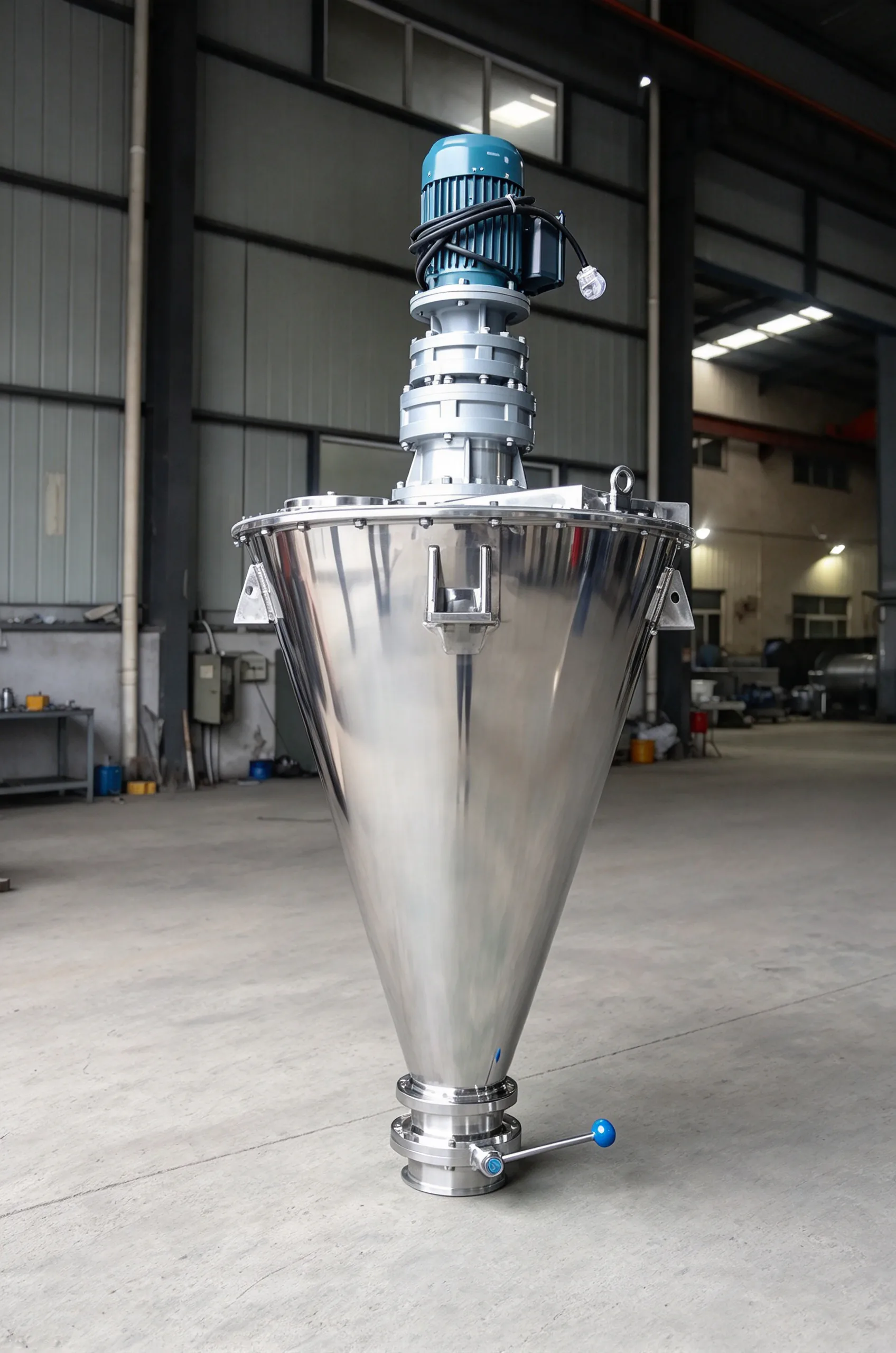
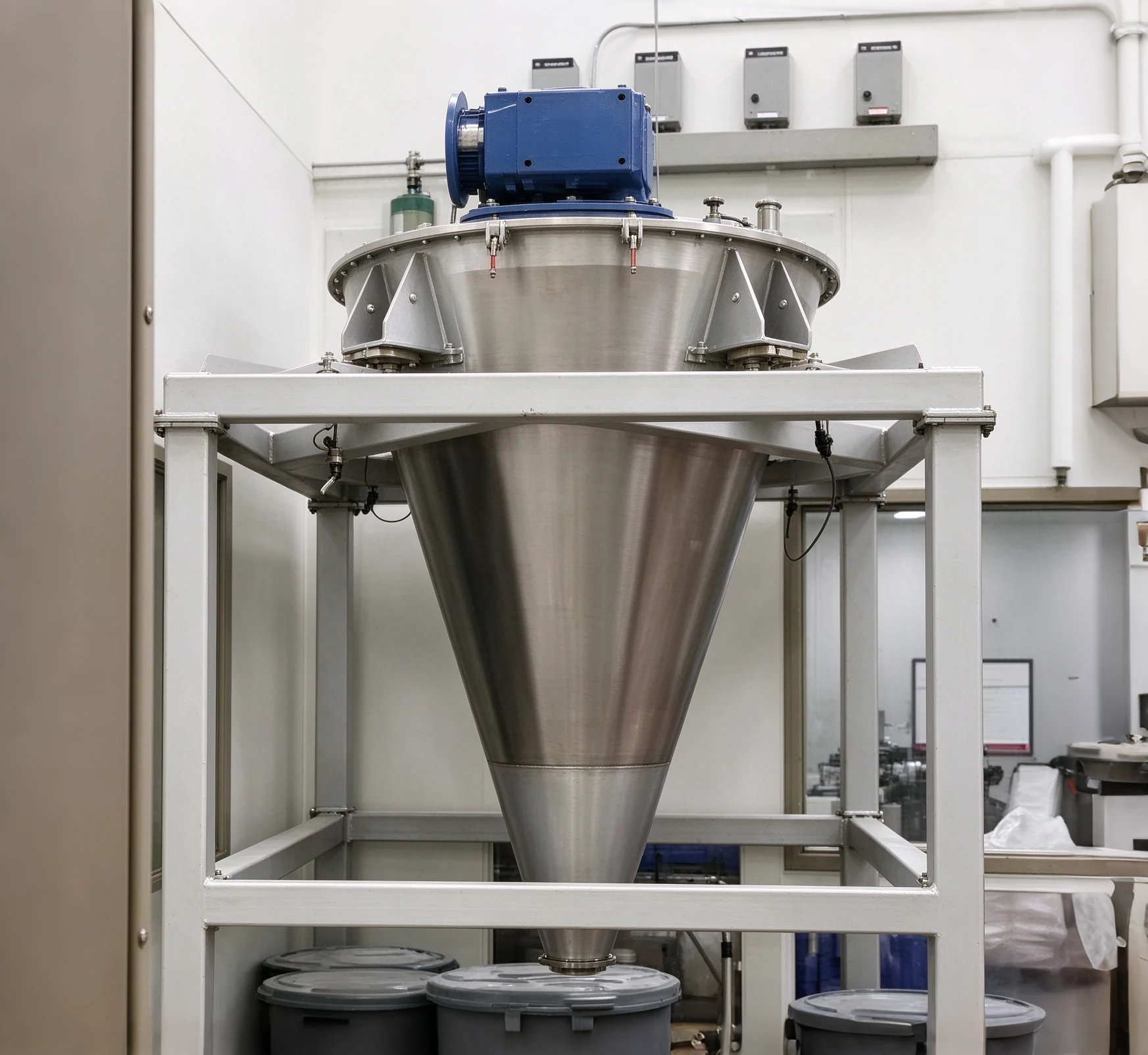
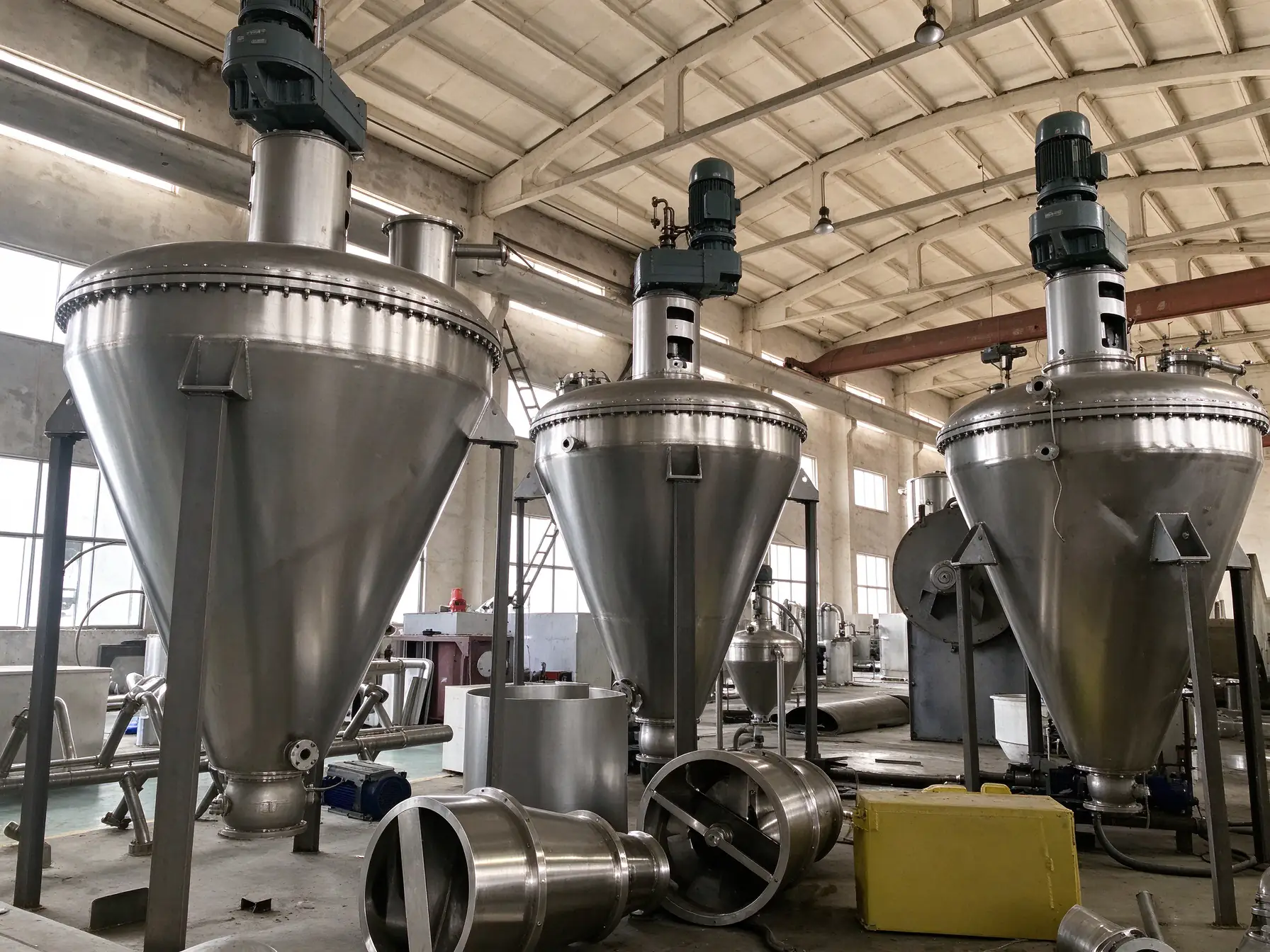
JEXDRY’s DSH series uses two asymmetric screws inside a conical vessel to deliver highly efficient, gentle, and precise powder mixing. Backed by our in-house manufacturing and material testing expertise, we custom-engineer every mixer to perfectly match your specific material characteristics and production targets.
- Double-screw conical mixing arrangement
- Equipment selection based on material and batch requirements
What Is a Double-Screw Conical Mixer?
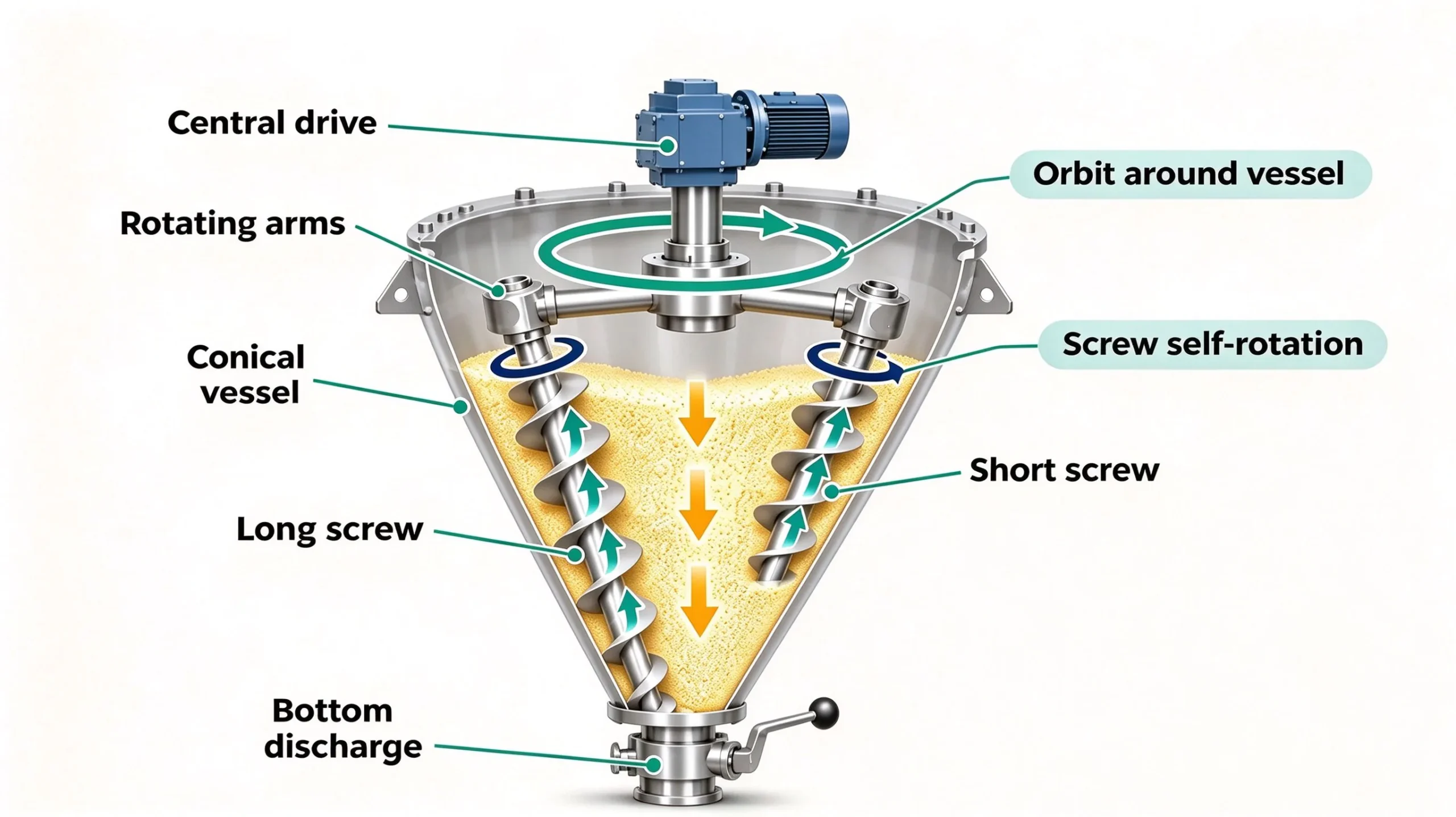
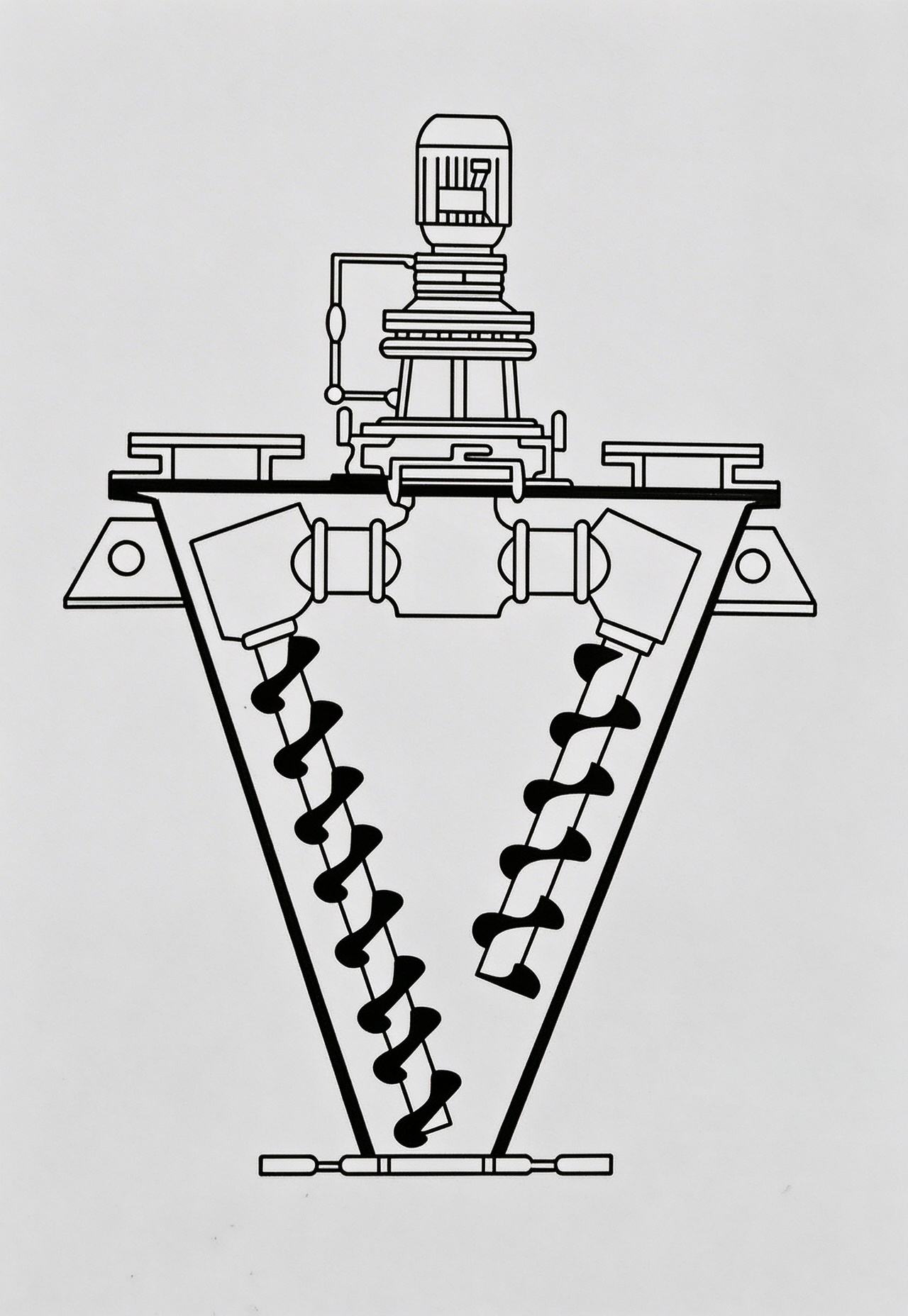
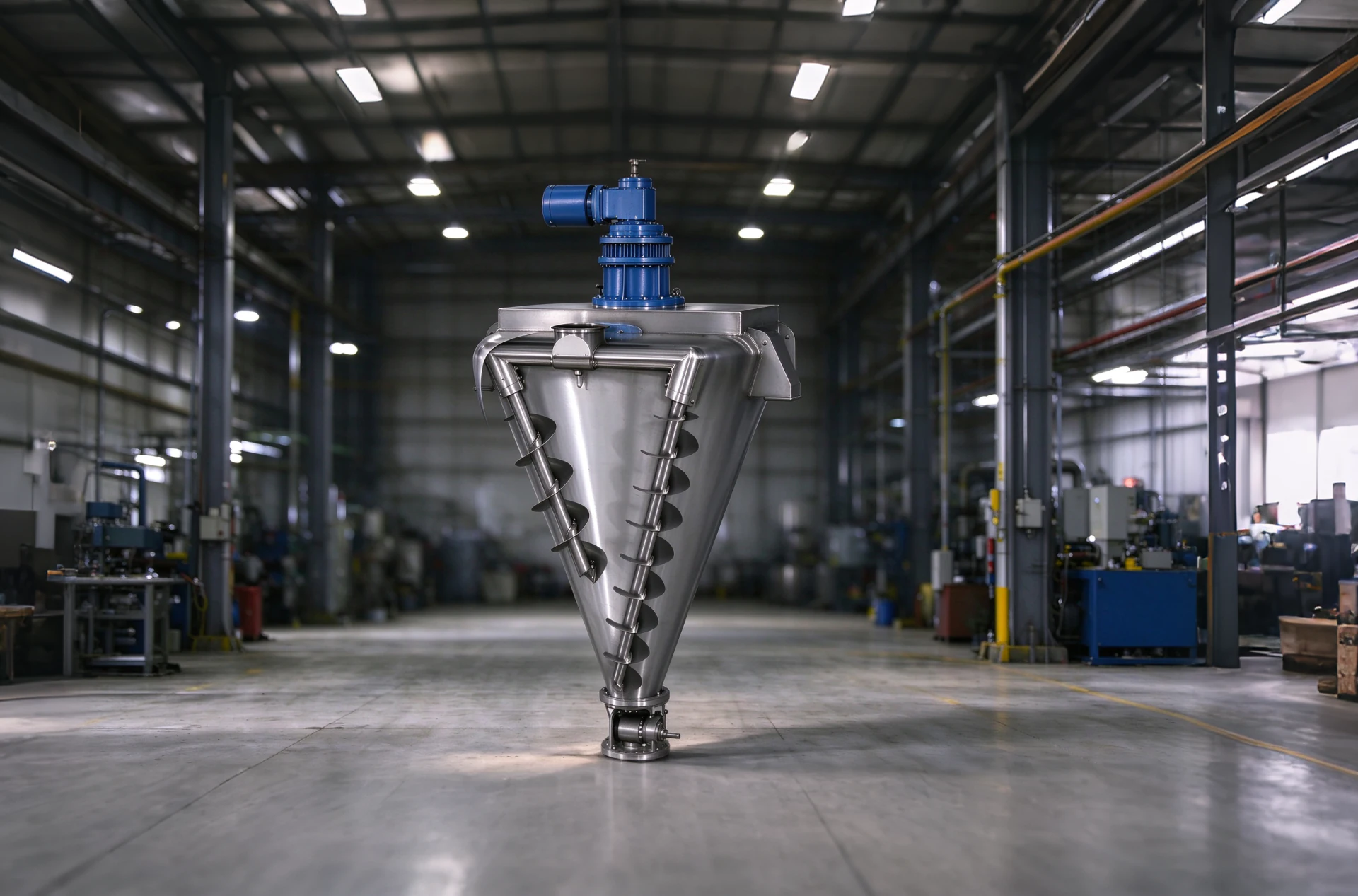
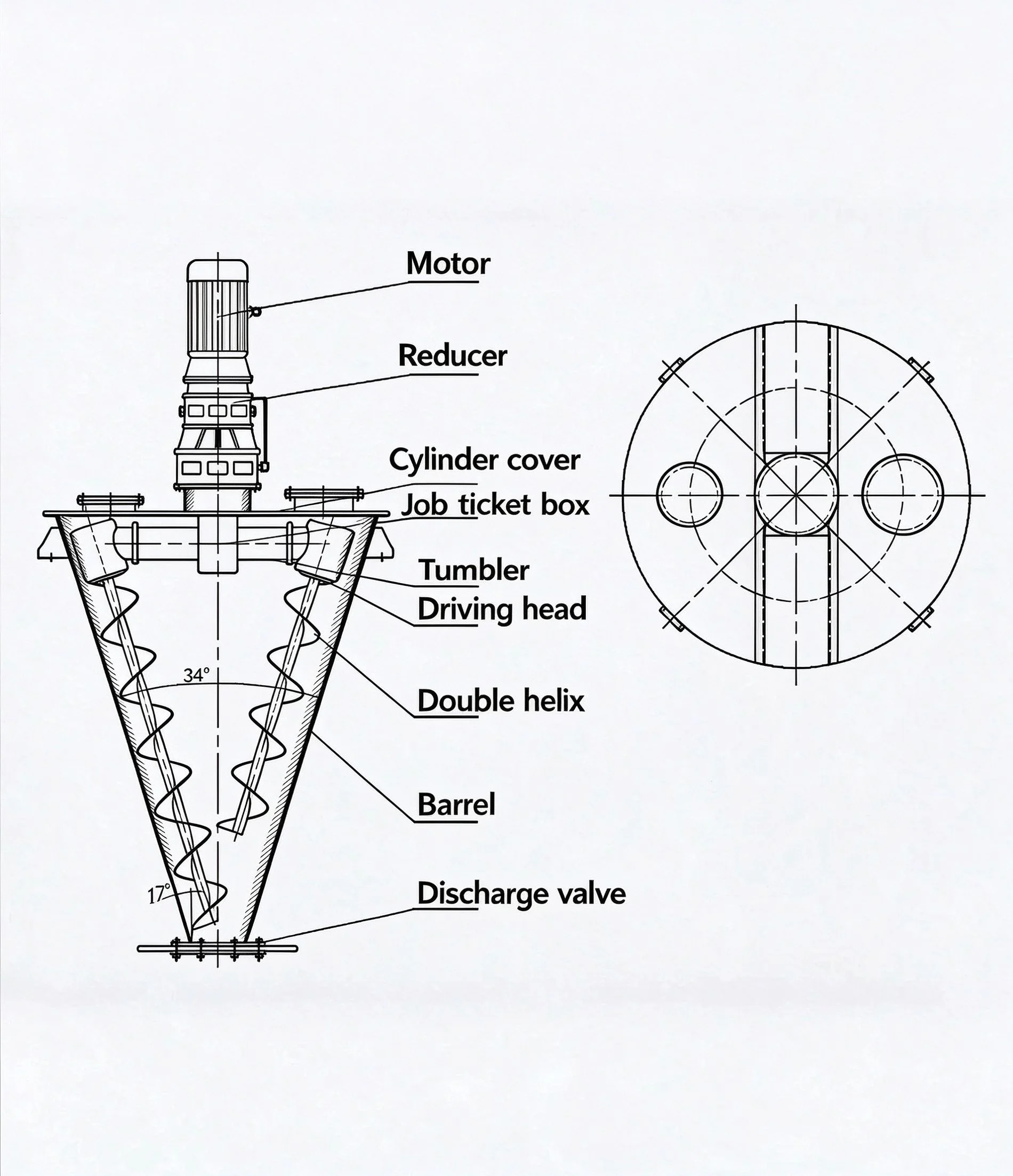
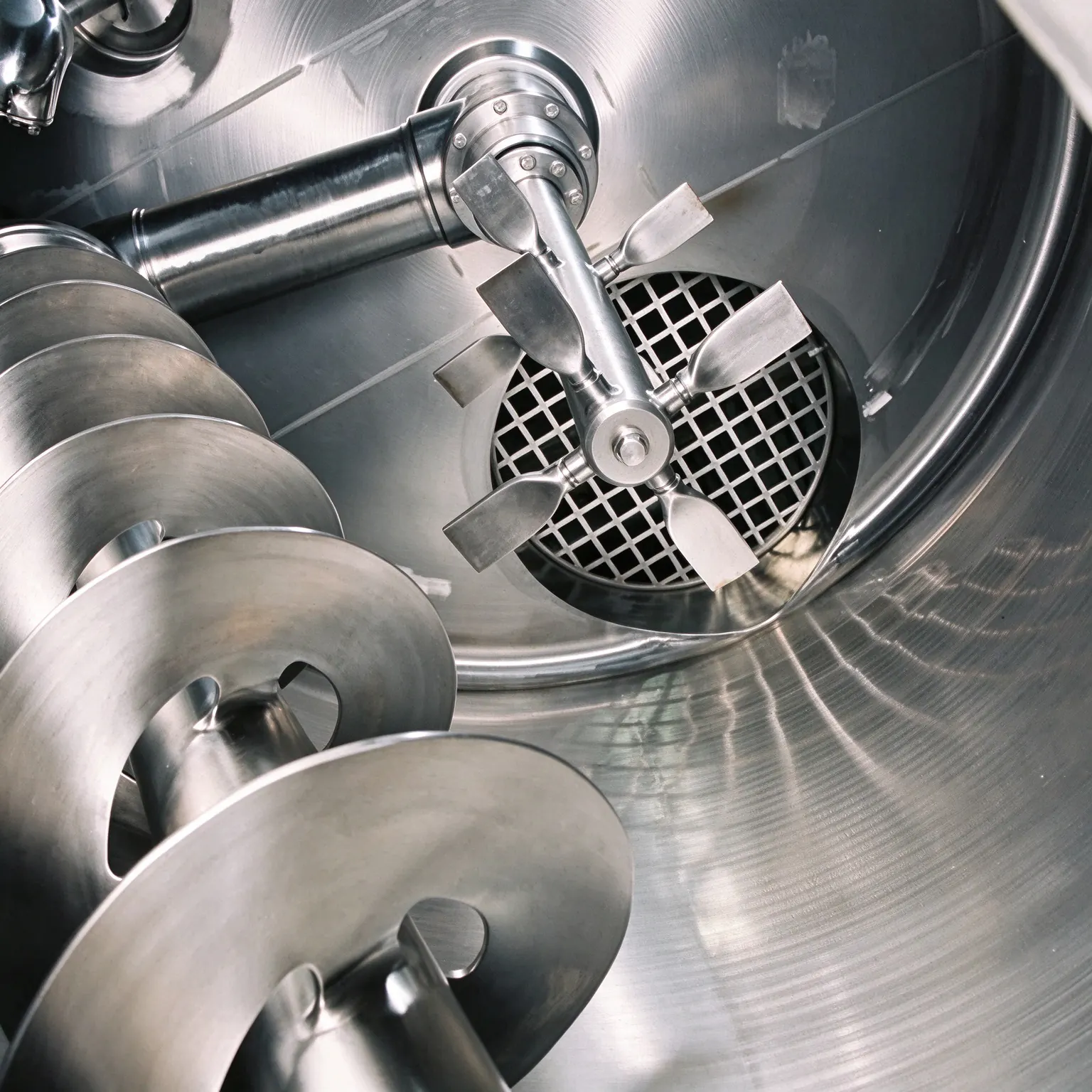
A double-screw conical mixer is a vertical batch mixer that moves material within a cone-shaped vessel. In the DSH arrangement, two asymmetric screws create repeated powder movement through the batch. This design is used to evaluate mixing duties involving powdered ingredients with differing physical characteristics.
How Does It Work?
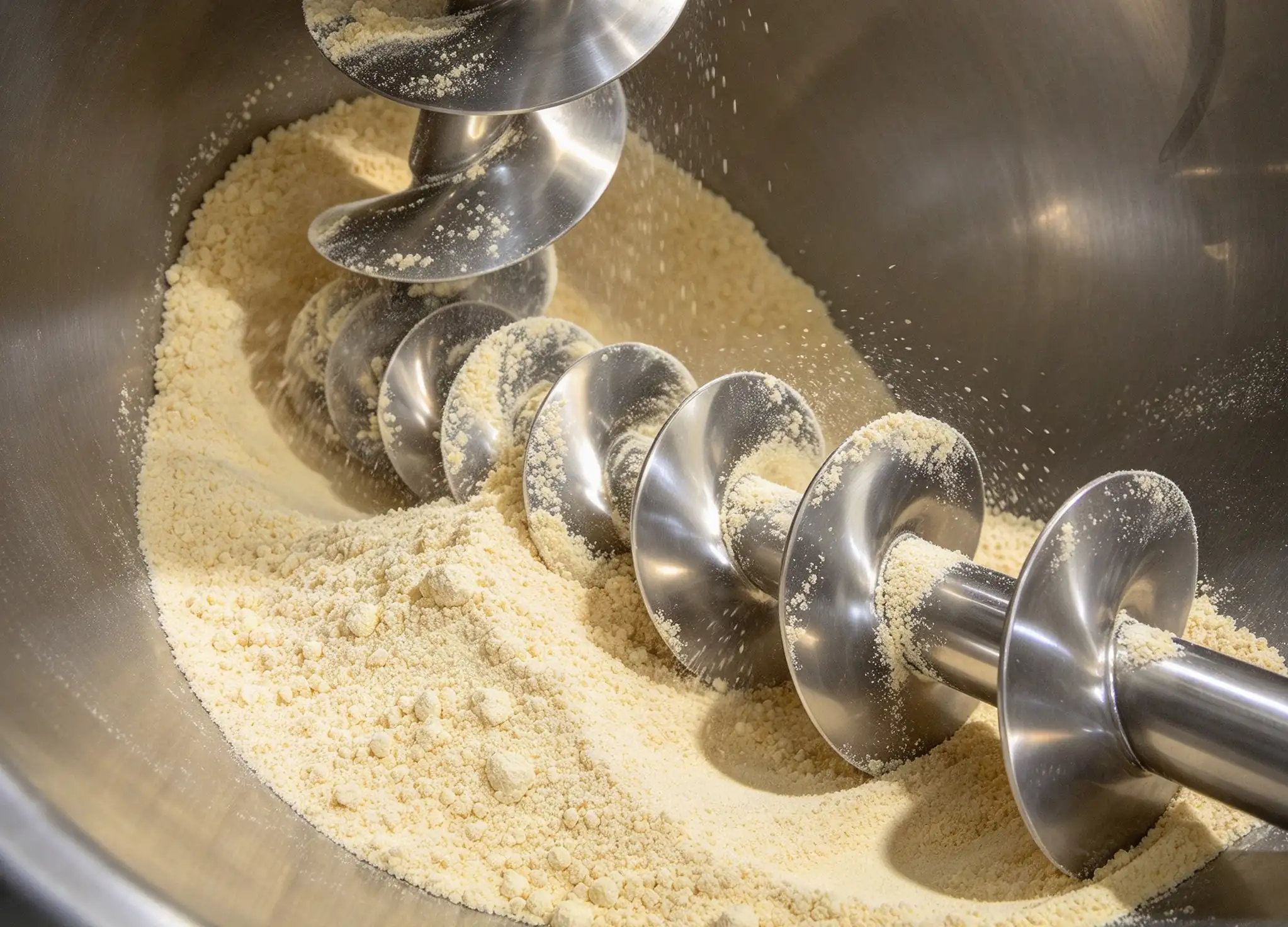
The screws rotate while moving through the conical vessel. Material is lifted from the lower region, redistributed and allowed to fall back under gravity. This repeated circulation supports mixing throughout the batch. The required mixing time and final uniformity depend on the actual formulation, fill level and machine configuration.
DSH Model Specifications
| Model | Total vessel volume (m³) | Loading coefficient | Reference batch output at ρ = 1 g/cm³ (kg) | Motor power (kW) | Mixing time (min) | Machine weight (kg) |
|---|---|---|---|---|---|---|
| DSH0.3 | 0.3 | 0.4–0.6 | 180 | 2.2 | 4–10 | 500 |
| DSH0.5 | 0.5 | 0.4–0.6 | 300 | 2.2 | 4–10 | 1,000 |
| DSH1 | 1 | 0.4–0.6 | 600 | 5.5 | 4–10 | 1,200 |
| DSH2 | 2 | 0.4–0.6 | 1,200 | 5.5 | 4–10 | 1,500 |
| DSH4 | 4 | 0.4–0.6 | 2,400 | 11 | 4–10 | 2,800 |
| DSH6 | 6 | 0.4–0.6 | 3,600 | 20.7 | 4–10 | 3,500 |
| DSH10 | 10 | 0.4–0.6 | 6,000 | 30.7 | 4–10 | 4,500 |
Additional conditions in the published reference: mixed-particle size 40–3000 μm; ambient temperature and pressure; dust-tight operation. The listed batch outputs assume material density of 1 g/cm³ and the upper reference loading coefficient of 0.6. Special materials require evaluation. Mixing time is a reference value, not a guaranteed result for every recipe.
How to Read Mixer Capacity Correctly
A mixer’s total vessel volume is not the same as its usable batch volume. The powder occupies only part of the vessel so it has room to circulate. Batch weight also changes with the material’s bulk density.
Illustrative sizing example:
- 1 Target batch: 300 kg
- 2 Measured bulk density: 600 kg/m³
- 3 Occupied powder volume: 300 ÷ 600 = 0.50 m³
- 4 At an illustrative 0.60 working fill, theoretical vessel volume: 0.50 ÷ 0.60 ≈ 0.83 m³
Note: This calculation explains preliminary sizing. It does not identify a confirmed JEXDRY model or guarantee a fill level for the material. The reference table’s batch outputs are based on 1 g/cm³ and specific conditions; do not apply those kg values universally.
What Should the Mixer Solve in Your Process?
Reviewing the right design factors ensures the equipment matches your actual working conditions.
1. Ingredients with different bulk densities or formulation ratios
A recipe with contrasting ingredients needs material movement across the batch. Review whether the DSH circulation pattern suits the actual powder and desired blend result.
2. An uncertain batch-size calculation
Kilograms alone do not determine vessel size. Measure bulk density and define usable fill before comparing model numbers.
3. Cleaning and discharge constraints
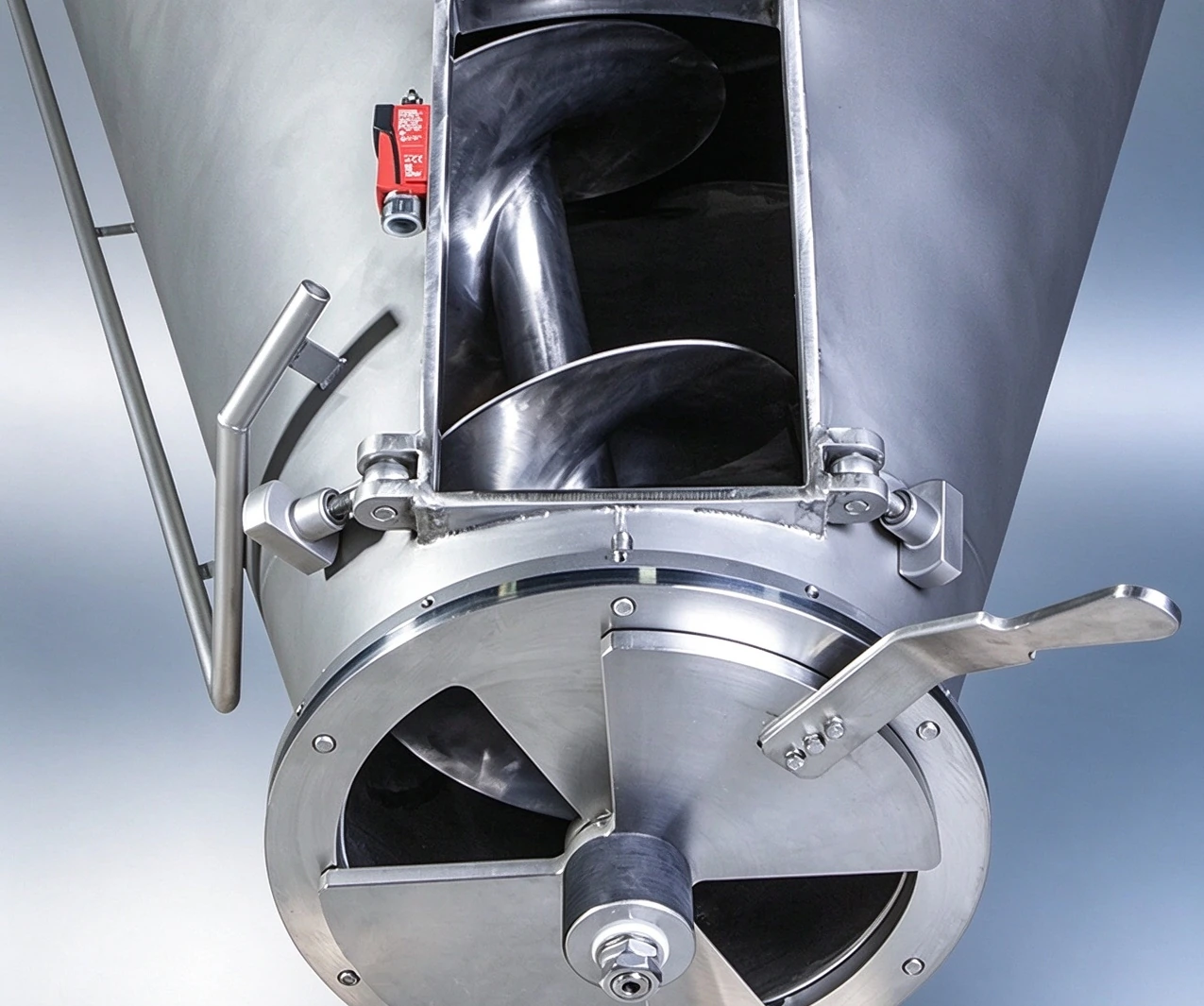
Blend quality is only one part of the decision. Confirm the feed route, outlet, dust control, cleaning access and connection to downstream equipment.
Why Consider a DSH Double-Screw Arrangement?
Two screws moving through a conical vessel provide repeated lifting and redistribution of powder. The arrangement is relevant when engineers need to examine how ingredients with different physical characteristics move through the batch.
The vertical vessel and bottom discharge also make the equipment interface an important part of specification review. The appropriate configuration depends on material behavior, cleaning requirements, plant height and the required mixing outcome.
Double-Screw Drive
Asymmetric rotation for powder lifting.
Conical Vessel
Gravity-assisted material fallback.
Bottom Discharge
Central outlet for downstream connection.
Typical Materials for a Conical Screw Mixer
Drawing on our experience in industrial powder processing, we consider conical screw mixers for blending food ingredients, pharmaceutical excipients, chemical and mineral powders, and feed premixes. The materials below are typical applications we review when selecting a configuration for a specific batch.

Food Ingredients
Food powders can differ in particle size, flow behavior and sensitivity to handling. Review the recipe, ingredient ratio, cleaning requirements and required product condition before selecting the mixer’s contact materials and configuration.
Pharmaceutical Excipients
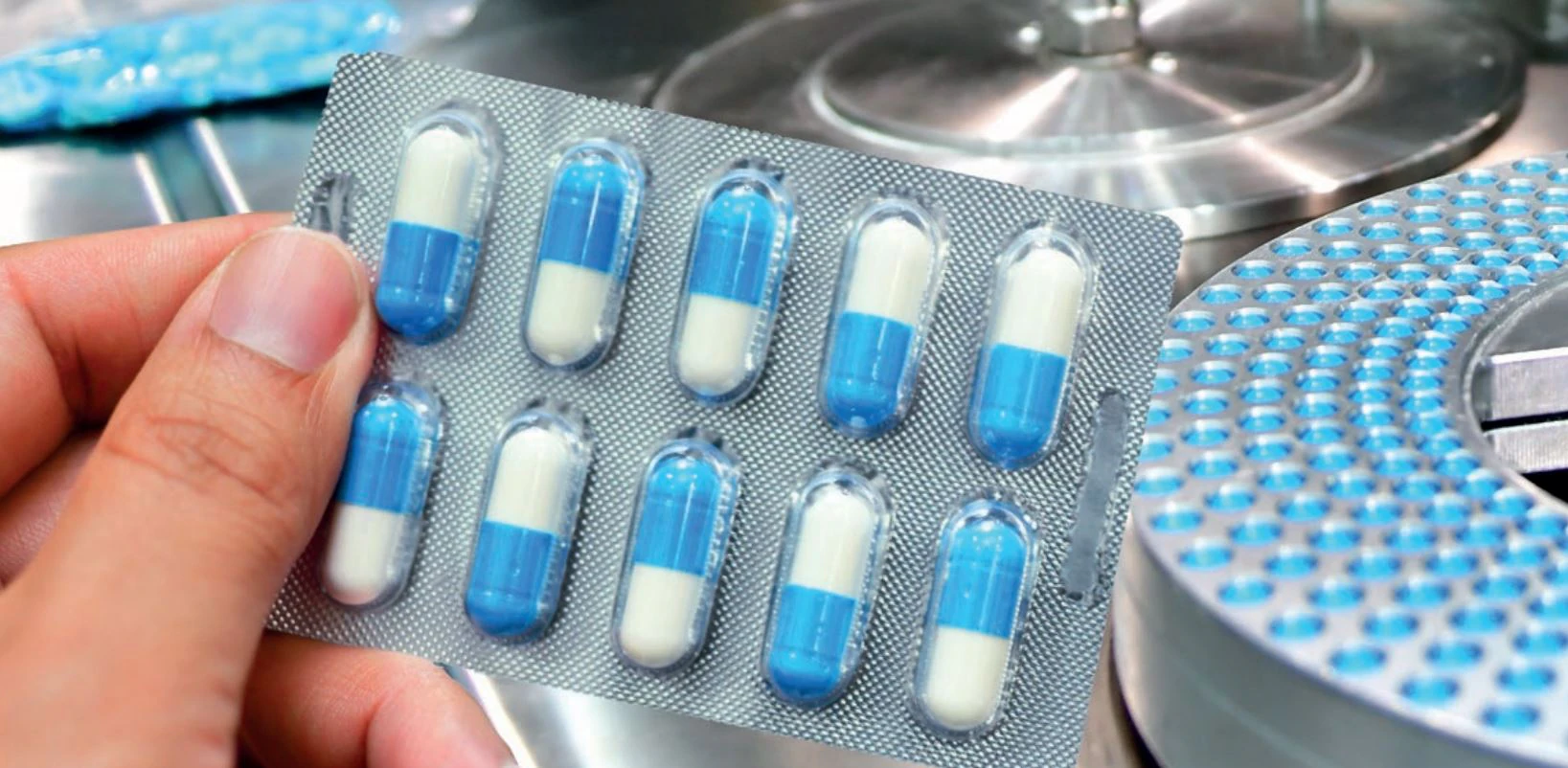
For excipient blending, define the ingredient ratio, required blend assessment, cleaning approach and product-contact construction. A pharmaceutical application does not by itself establish that a proposed DSH configuration meets a particular hygiene or regulatory requirement.
Chemicals & Minerals
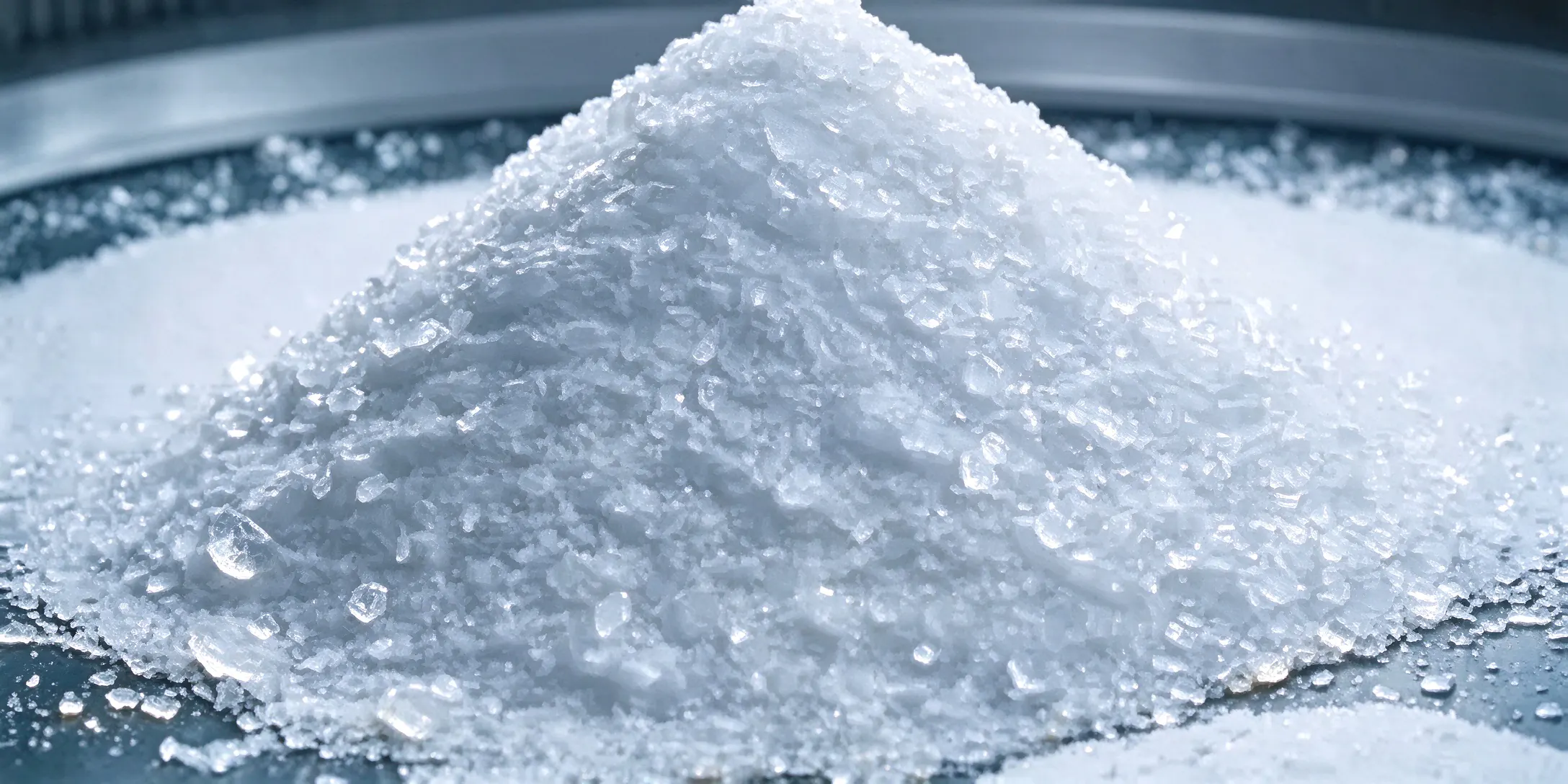
These materials may have very different bulk densities, particle characteristics and handling requirements. Review dust containment, wear, cleanability and the target blend before confirming a specification.

Feed & Nutritional Powders
When a formula combines ingredients in different proportions, confirm the batch size, bulk density and required distribution of minor ingredients. The suitable mixing cycle and final result must be assessed for the actual formulation.
Single Screw vs Double Screw vs Ribbon Blender
Comparing common mixing technologies for bulk powders.
Single-screw conical mixer
One screw lifts and circulates material in a conical vessel. Its suitability depends on the specific design, powder properties and batch duty.
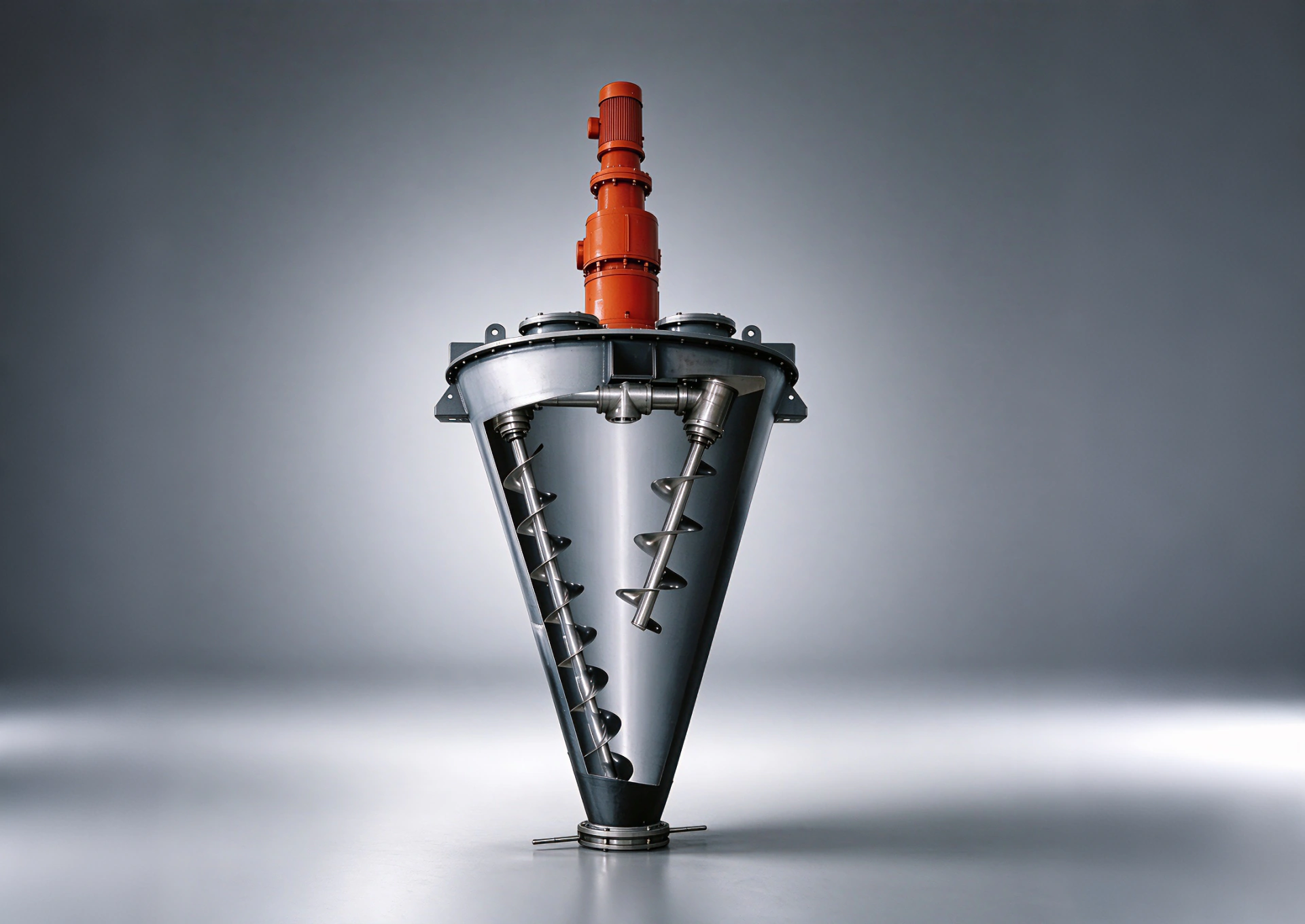
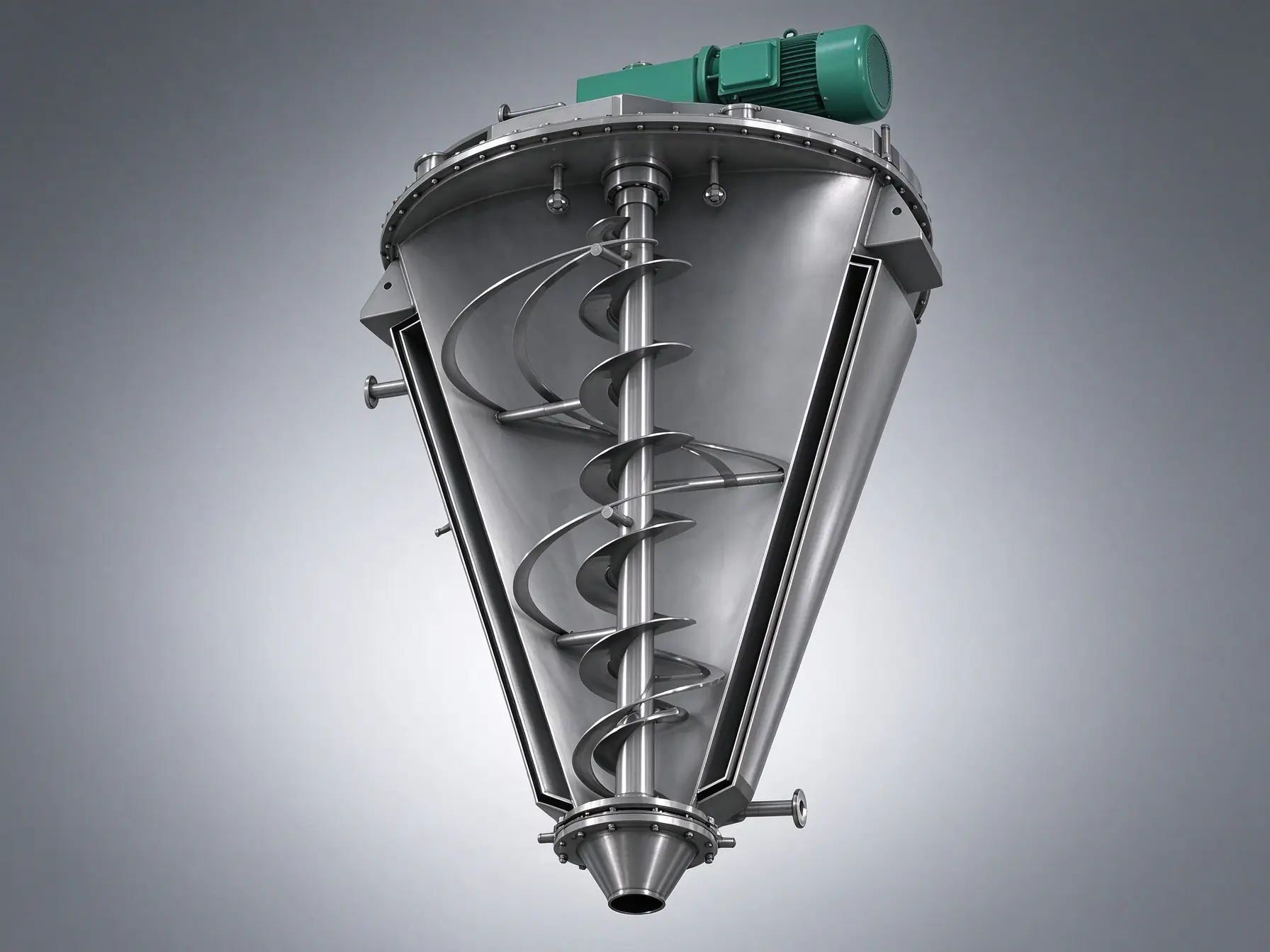
DSH double-screw conical mixer
Two asymmetric screws move through the cone. We highly recommend this double-screw configuration for its superior mixing efficiency, precision, and versatility. Request confirmed specifications for your proposed equipment.
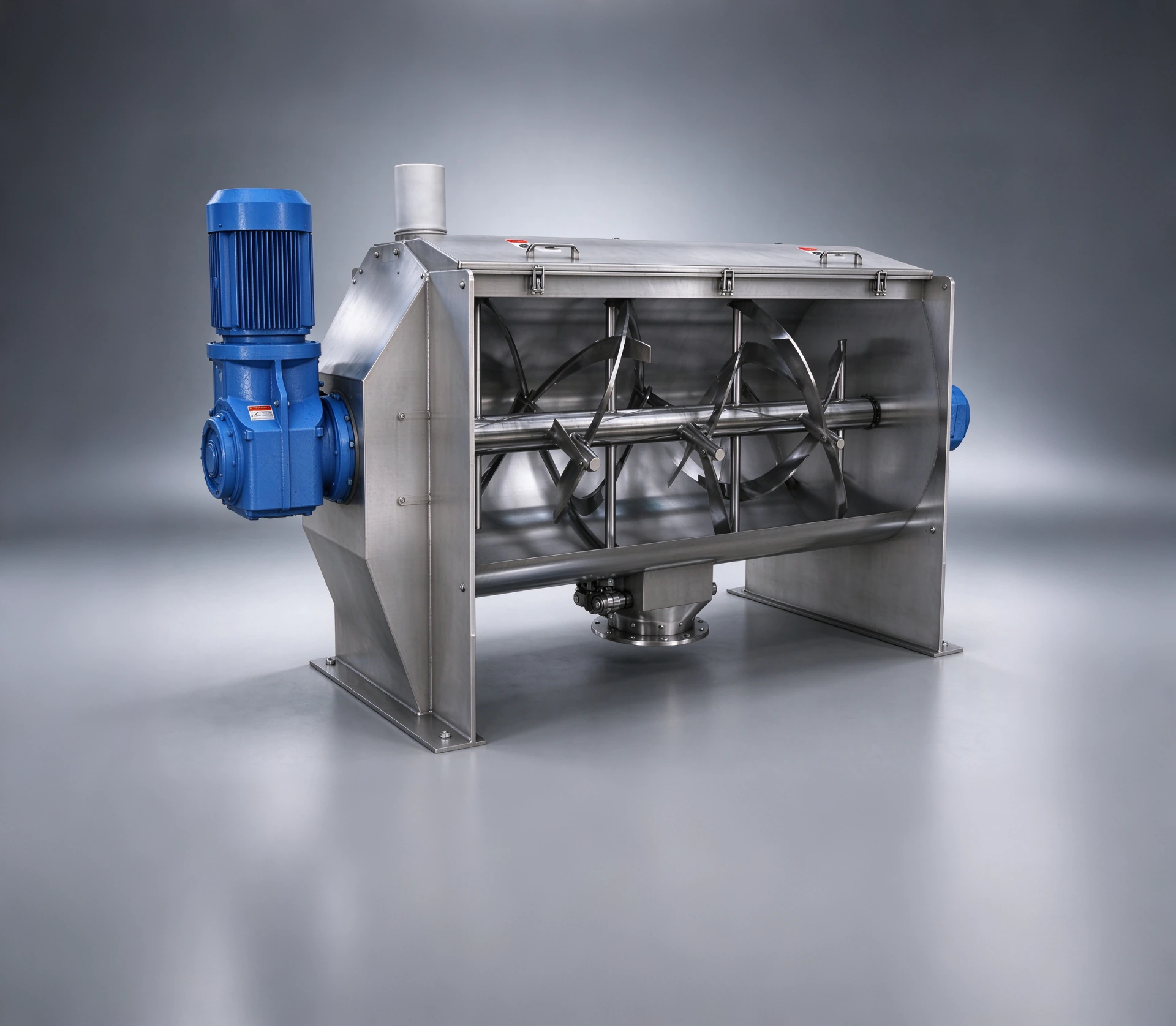
Horizontal ribbon blender
Inner and outer ribbons move powder within a horizontal trough. It is a separate mixing route for suitable materials.
Compare Ribbon Blender →How to Choose a Conical Screw Mixer
Follow these steps to ensure the equipment specification aligns with your production reality.
Request a DSH Configuration Review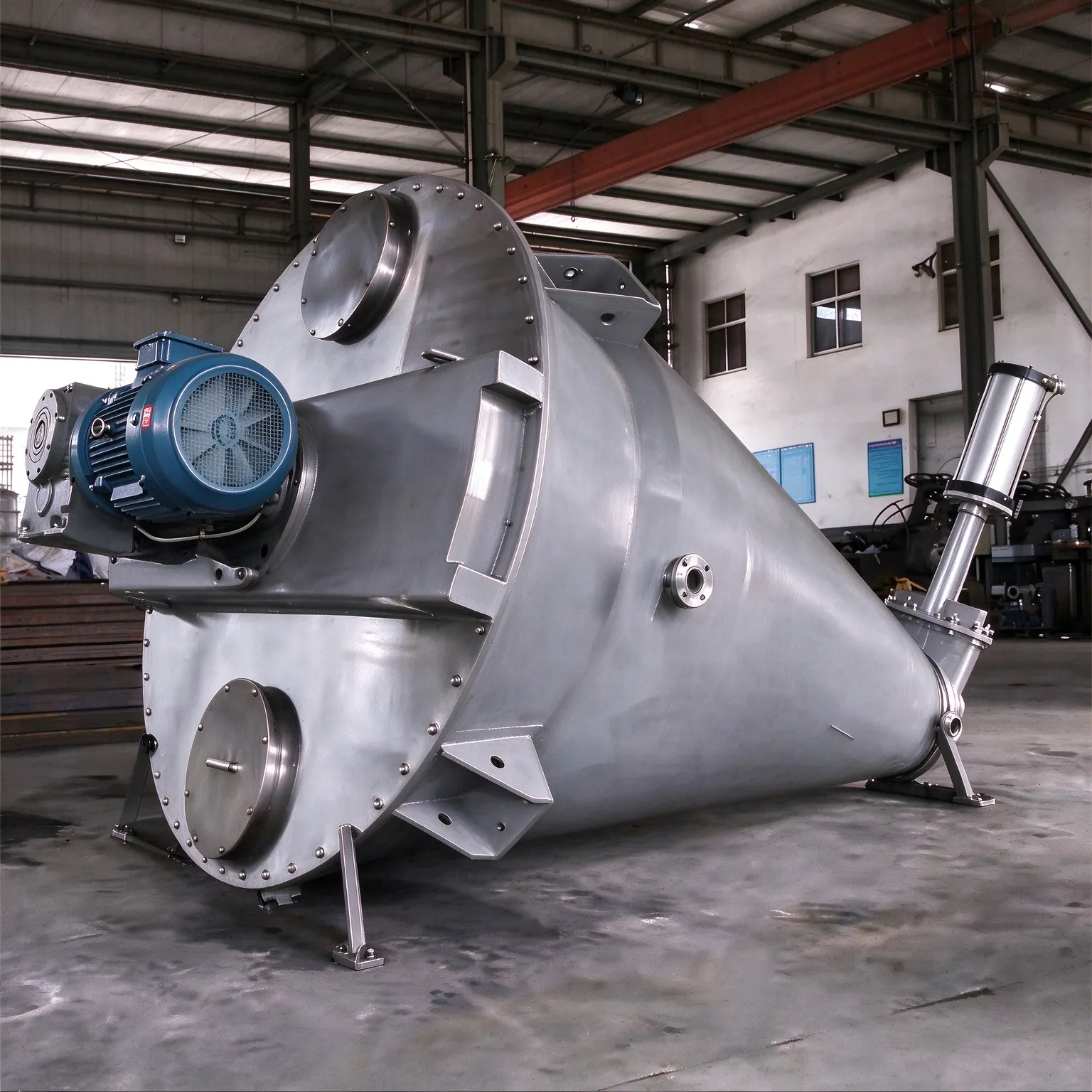
Understand the material.
Identify the ingredients, measured bulk density, particle characteristics, flow behavior and any sensitivity to mechanical action.
Define the batch.
Set the target kilograms per batch, expected variation and production schedule.
Define the mixing target.
State the required blend result and how it will be assessed. Reference mixing times from another manufacturer do not replace evaluation of your recipe.
Check the plant interface.
Review loading, discharge, available height, dust control and cleaning access.
Confirm the supplier specification.
Compare the proposed drawing, vessel volume, working fill, motor power, contact materials, dimensions and commercial scope before ordering.
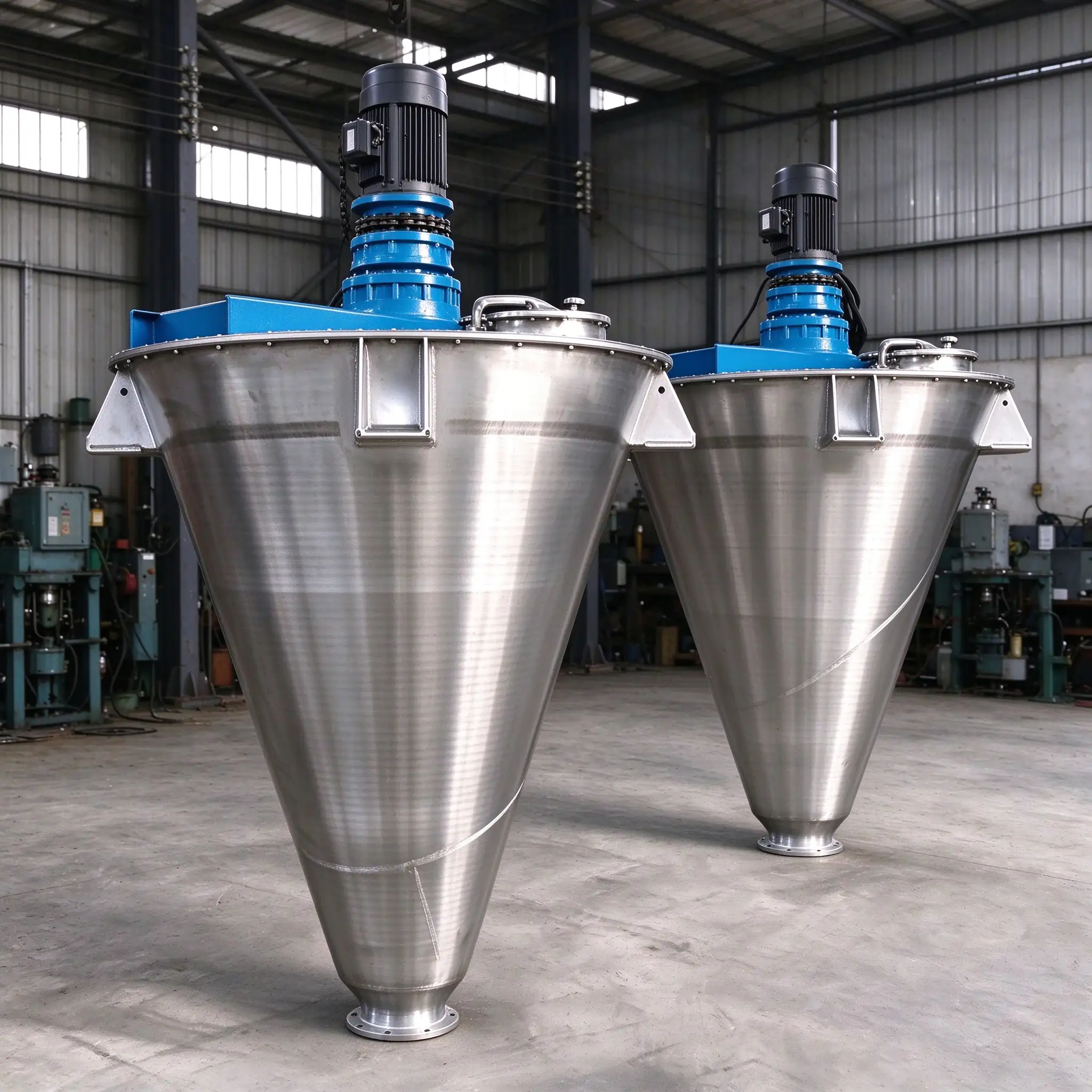
Made by JEXDRY
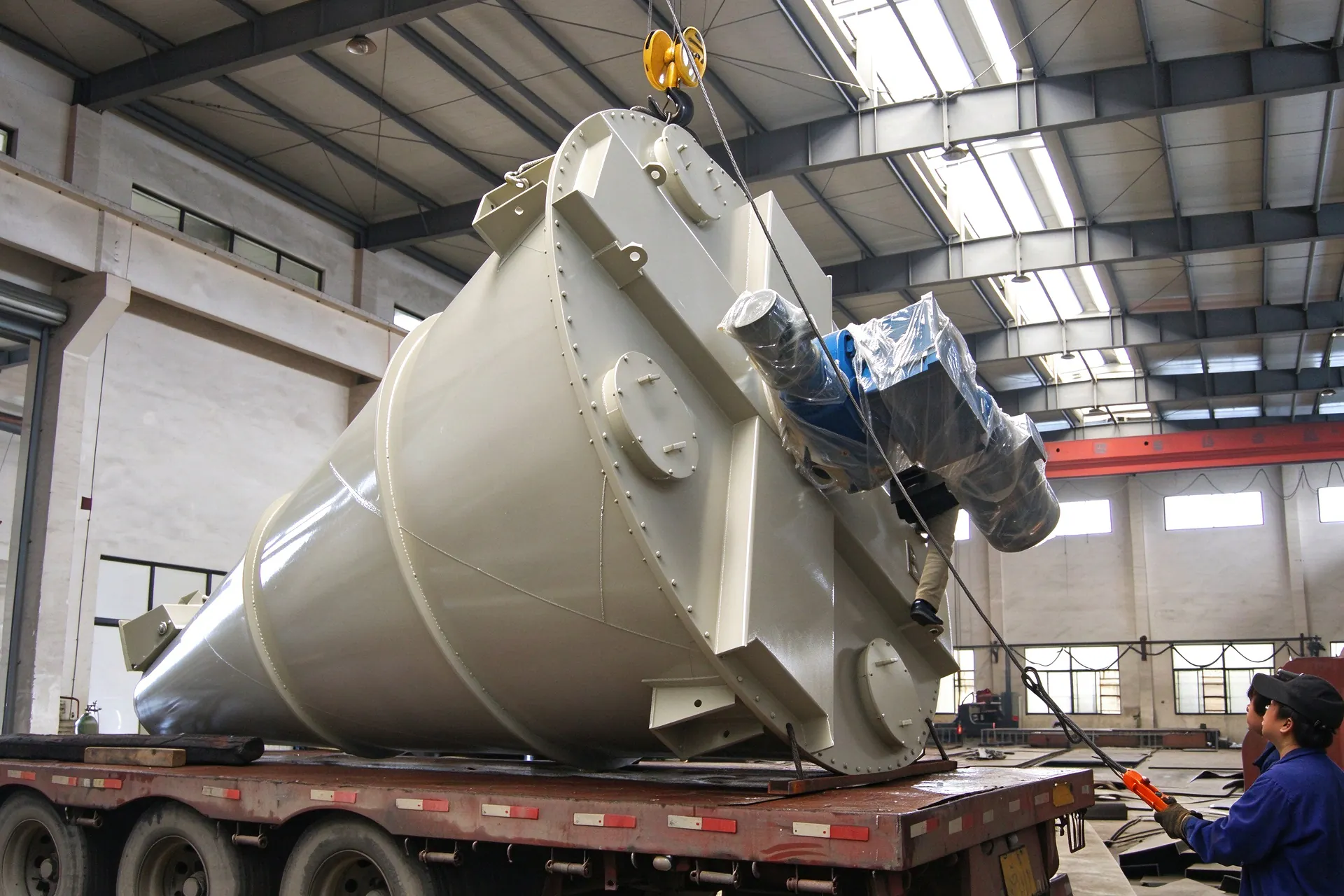
JEXDRY is the international brand of Jiangsu Xingxing Drying Equipment Co., Ltd., based in Changzhou, Jiangsu, China. As a direct manufacturer with comprehensive in-house production capabilities, we engineer and build industrial drying and mixing systems, including the DSH double-screw conical mixer.
-
In-House Manufacturing
Custom-engineered dryers and complete systems built entirely in our own facilities, ensuring strict quality control from raw material to final assembly.
-
Factory Acceptance Testing (FAT)
Rigorous FAT procedures and material testing capabilities guarantee your custom drying system meets all operational specifications before shipment.
-
Global After-Sales Support
We provide comprehensive installation guidance, ongoing maintenance, and reliable worldwide technical support to keep your production running.
Conical Screw Mixer Questions, Answered
What is a conical screw mixer?
A conical screw mixer is a batch mixer that circulates material inside a cone-shaped vessel using one or more screws. This page focuses on the DSH double-screw arrangement.
How does a double-screw conical mixer work?
The screws lift material from the lower part of the cone and redistribute it through the batch. Powder falls back under gravity, creating repeated circulation.
How does it work in industrial powder processing?
Powder is charged, mixed toward a defined target and discharged to the next process. The feed, dust control, cleaning and outlet connections must suit the surrounding line.
Is single screw or double screw better?
Neither is universally better. Compare powder behavior, material movement, batch size, cleaning access, power and the required result. JEXDRY’s documented DSH family is the double-screw type.
Where can I buy a conical screw mixer suited to my material?
Ask a supplier to review the powder properties, target batch and plant interface, then provide a model-specific proposal. JEXDRY can discuss the DSH family listed in its catalog; the final configuration must be confirmed for the project.
How should I compare conical screw mixer manufacturers?
Compare specifications under the same assumptions: vessel and working volume, powder bulk density, calculated batch output, motor power, materials, sealing, discharge, dimensions and the method used to assess the blend. A generic “best manufacturer” list cannot replace this technical comparison.
Explore Related Equipment
View All Products →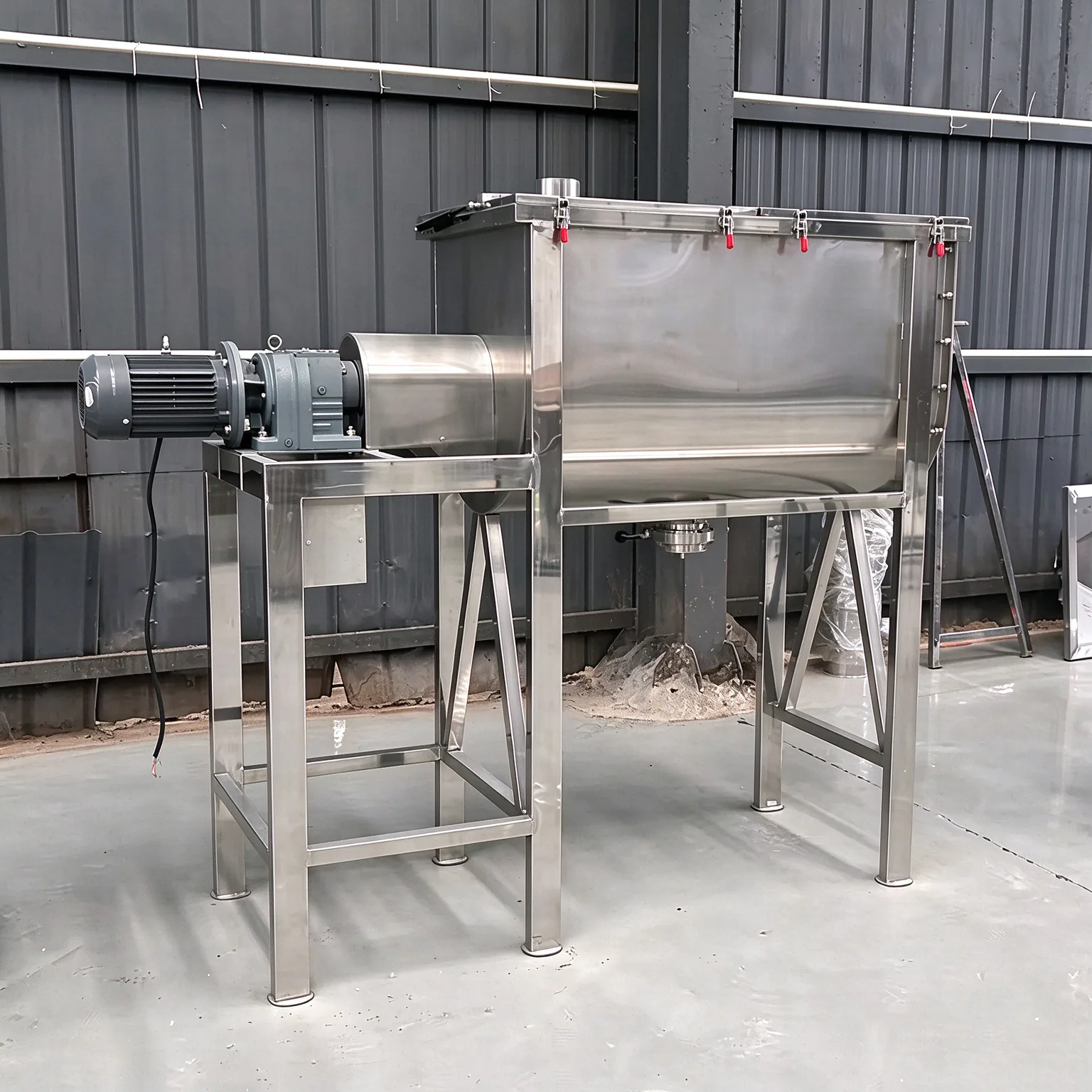
Conical Vacuum Dryer
A different equipment category when the process requires drying. Do not confuse its CHD specifications with the DSH mixer.
Explore the Conical Vacuum Dryer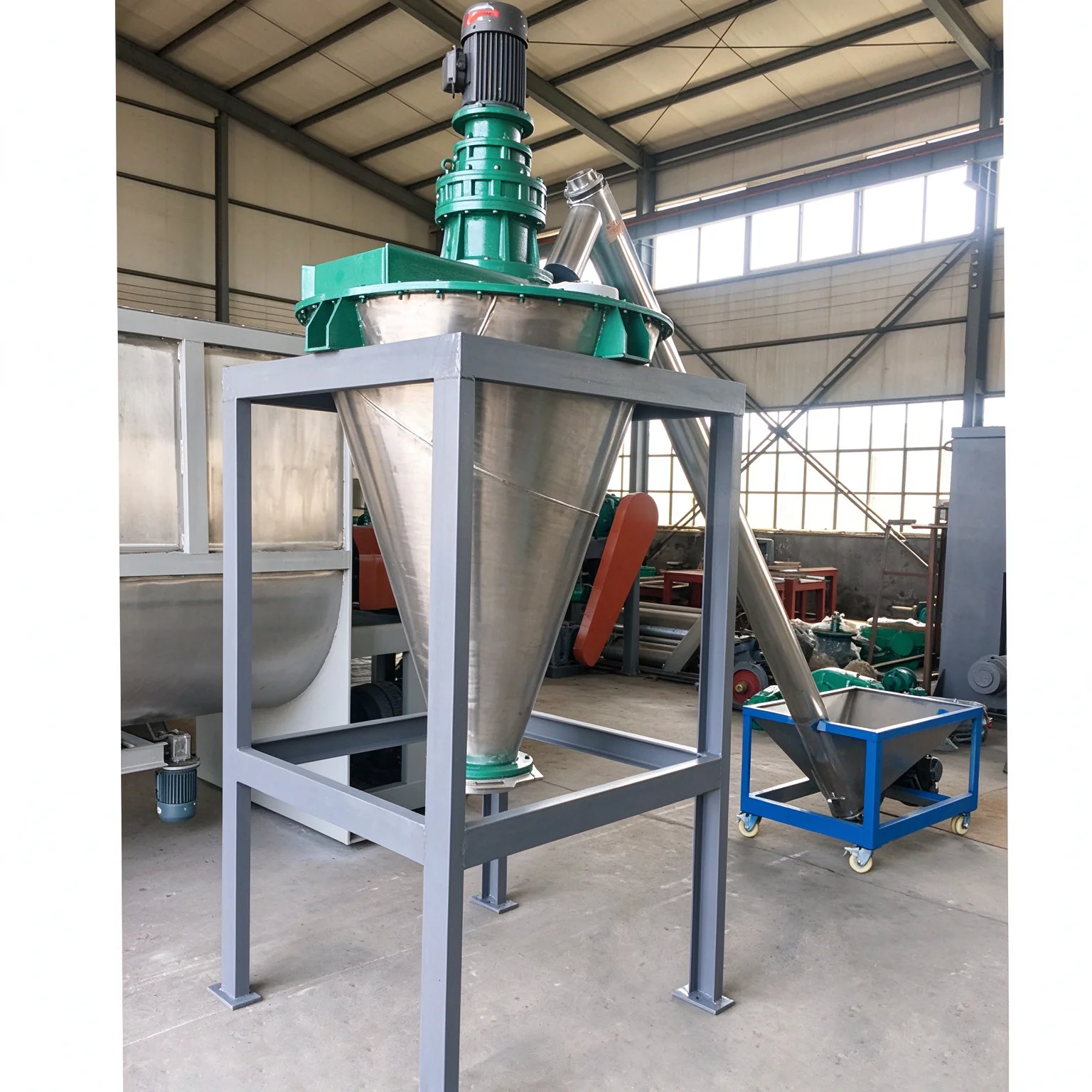
Contact Us
Reach out to us directly for immediate assistance with your industrial drying and mixing needs.
Phone / WhatsApp
+86 137 7501 3369Address
Jiaoxi Industrial Zone, Zhenglu Town, Tianning District, Changzhou, Jiangsu Province, China
Discuss Your DSH Mixing Requirement
Tell us the material you need to mix, its bulk density and the batch you want to produce. Ingredient ratio, cleaning requirements and discharge connection will help define a useful equipment discussion.