Disc Dryer for Sludge, Filter Cakes and Industrial Materials
Explore horizontal rotary disc drying for your material and process. Share your feed properties, moisture target and available utilities with JEXDRY to evaluate a suitable drying route and system configuration.
What Is a Disc Dryer and How Does It Work?
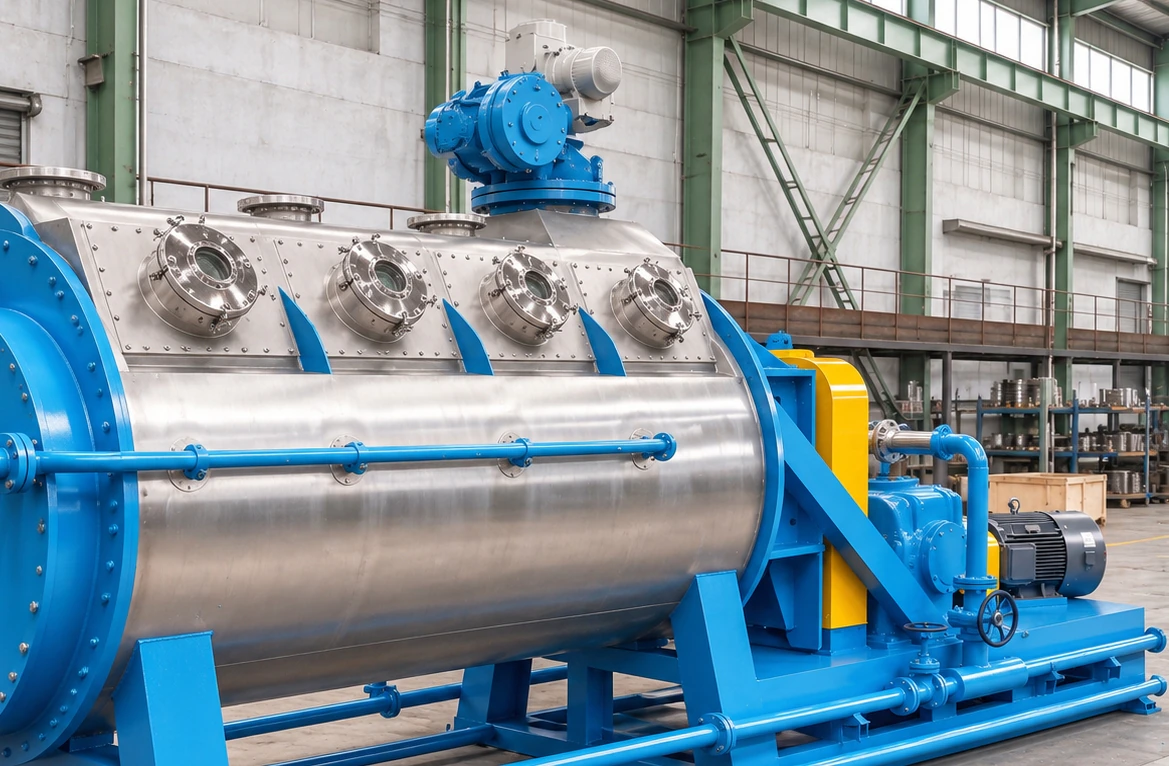
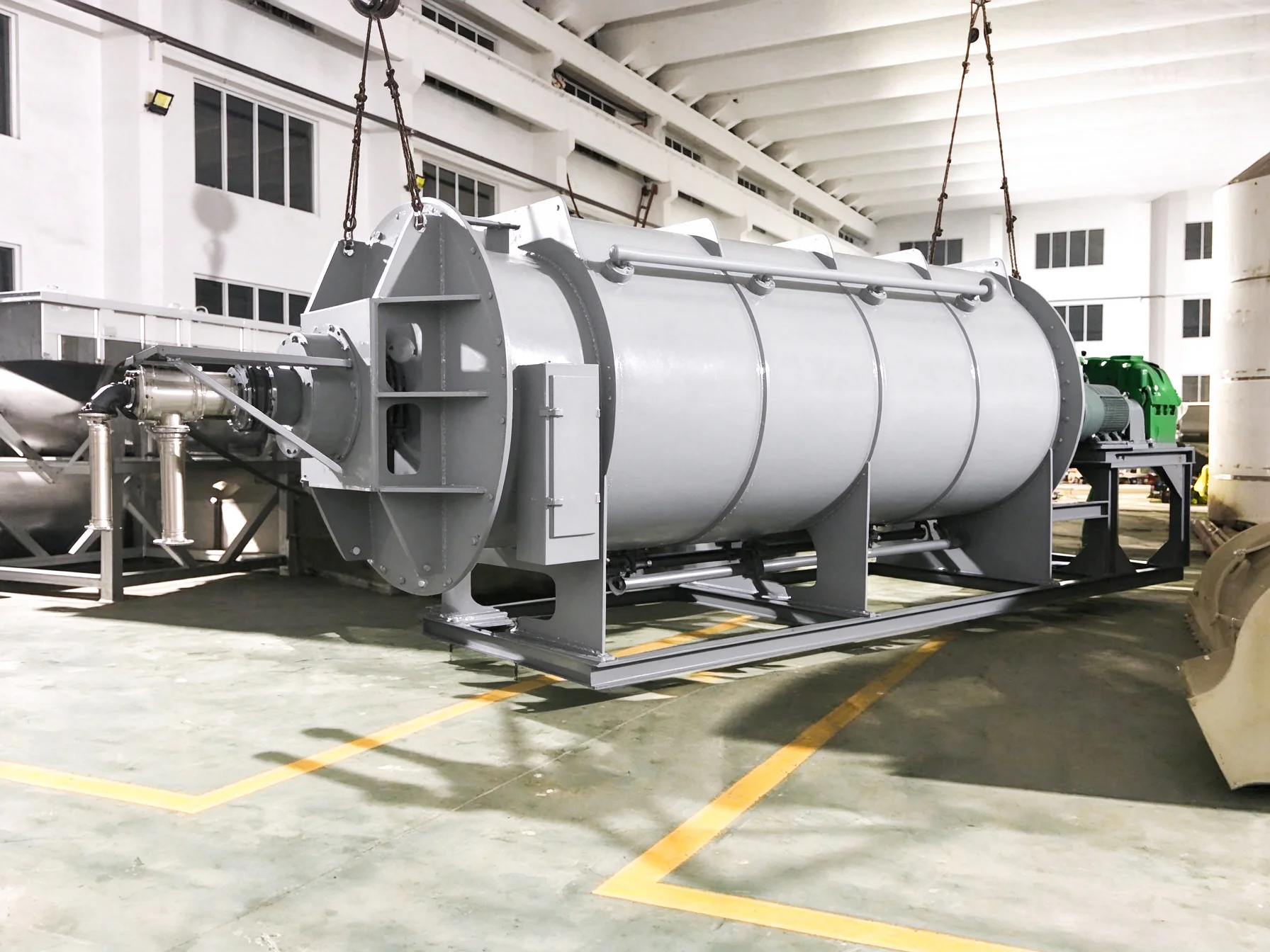
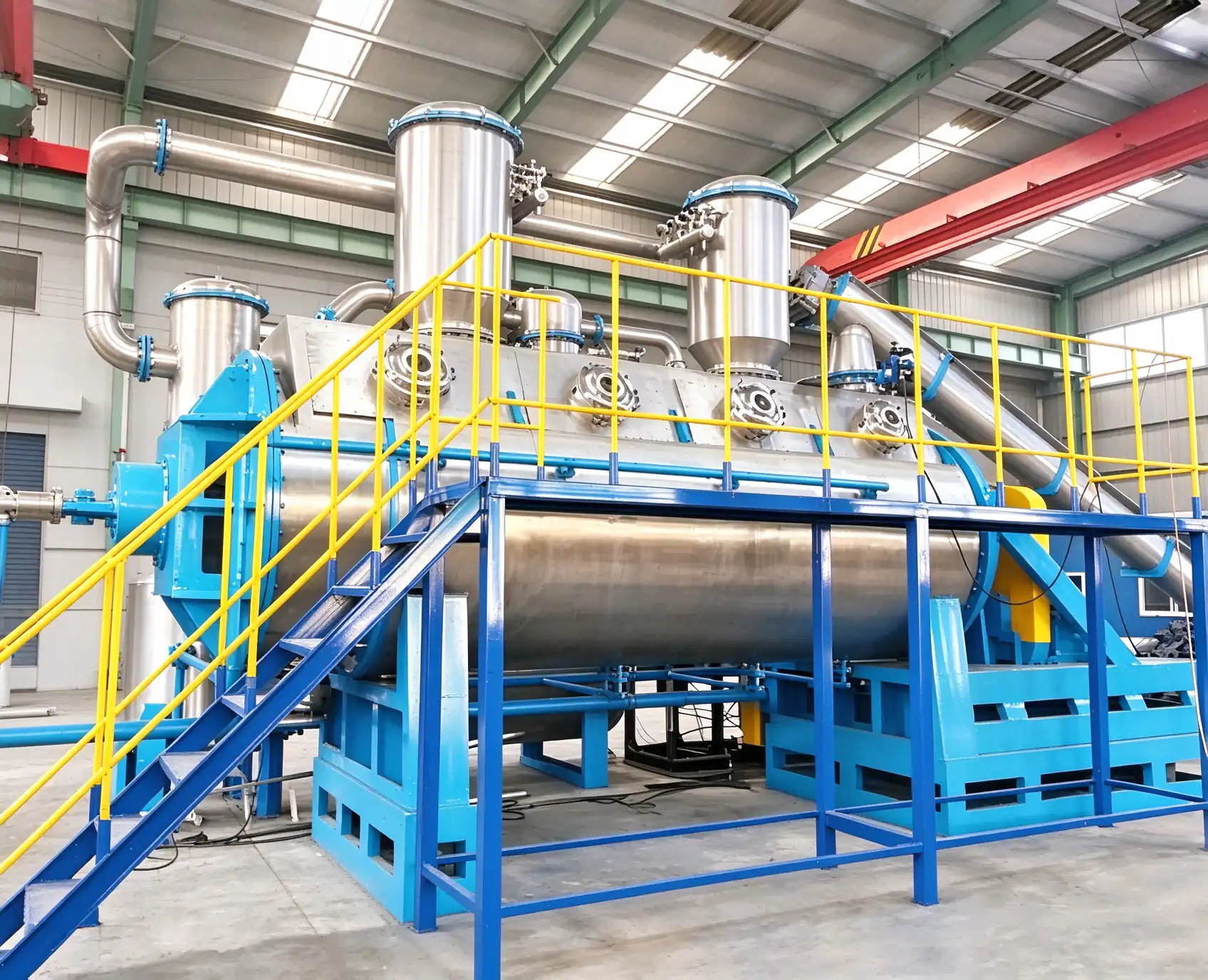
A horizontal rotary disc dryer removes moisture by bringing wet material into contact with heated, rotating discs. The heating medium stays inside the heating circuit, separate from the material.

Meter the Feed
Dewatered sludge is stored in a bunker and metered into the dryer.
Heat and Mix the Material
The rotating discs expose fresh material to the heated surfaces as the feed moves through the vessel.
Remove Process Vapor
Moisture released from the sludge leaves through a separate outlet and flows to the condenser in the system shown.
Two Separate Condensate Streams
The green arrow marks the heating-side outlet. Condensate from the heating steam stays on the utility side, separate from the process condensate shown leaving the bottom of the vapor condenser.
Discharge the Product
A discharge screw transfers the dried or partially dried sludge to the next process.
Applications to Evaluate for Disc Drying
Application names alone do not determine dryer suitability. Feed behavior, moisture load, product quality and downstream use must be assessed together.
Municipal and Industrial Sludge
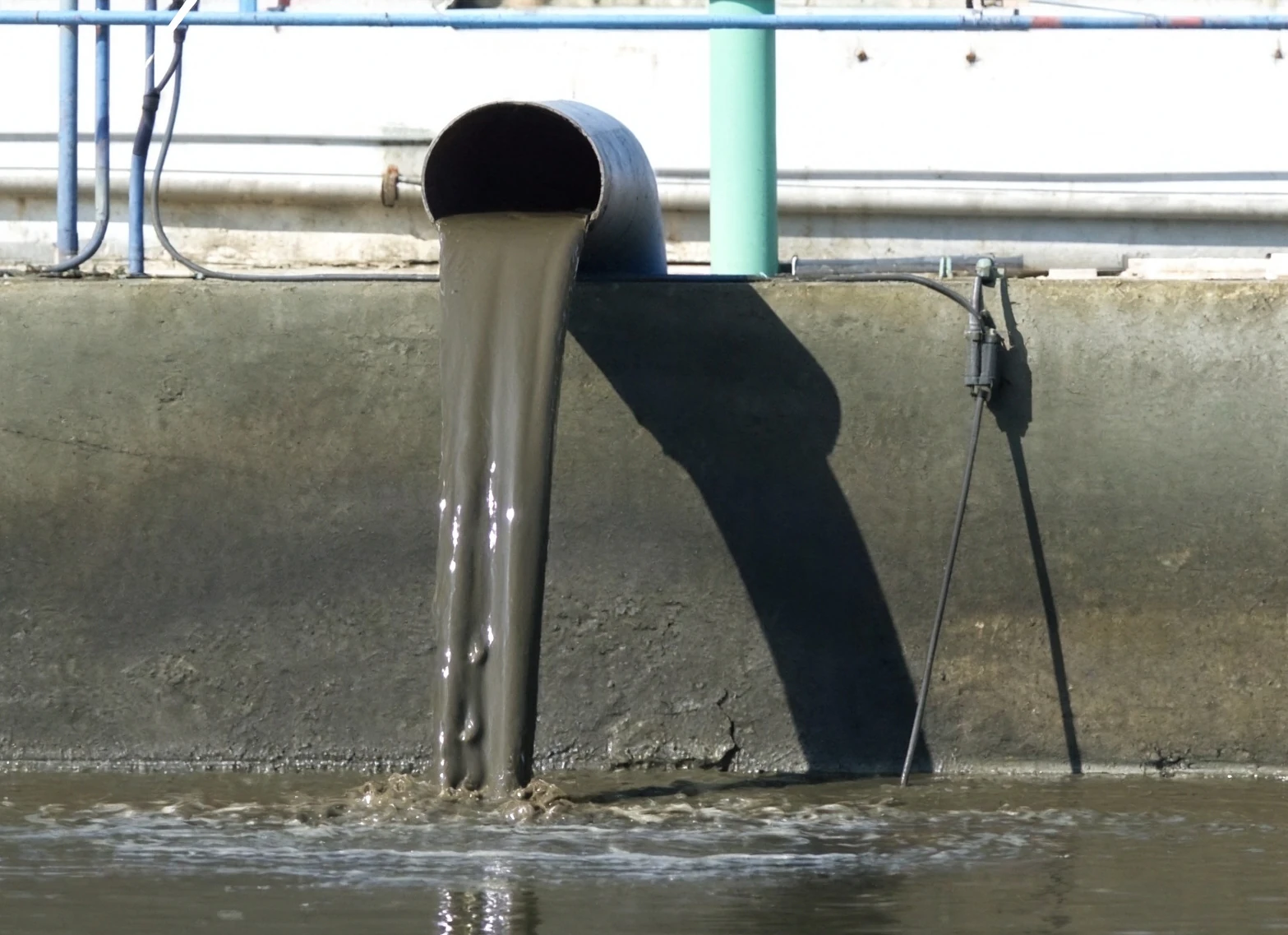
Evaluate dewatered sludge for moisture reduction before transport, further treatment or a defined downstream process. Sludge drying systems design is influenced by sludge composition, grit, variability and the required solids content.
Typical feeds: municipal sewage sludge, printing & dyeing sludge, electroplating sludge, chemical industrial sludge.
Chemical Filter Cakes and Pastes
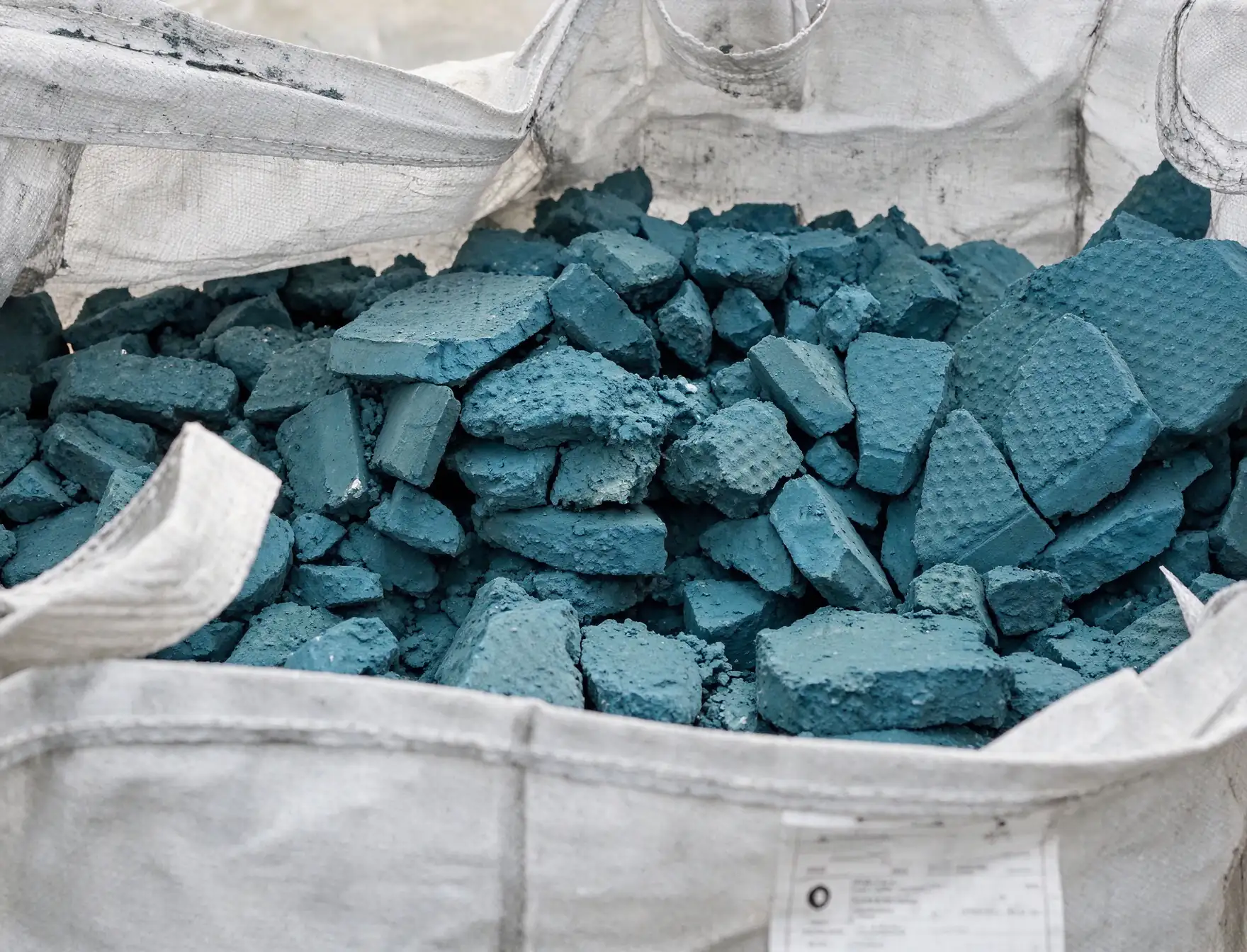
Review cohesive feeds that need indirect heating and controlled agitation. Stickiness, corrosion, solvent content and changes in consistency during drying are key selection factors.
Typical feeds: dye filter cakes, pesticide intermediate pastes, resin slurries, viscous chemical filter materials.
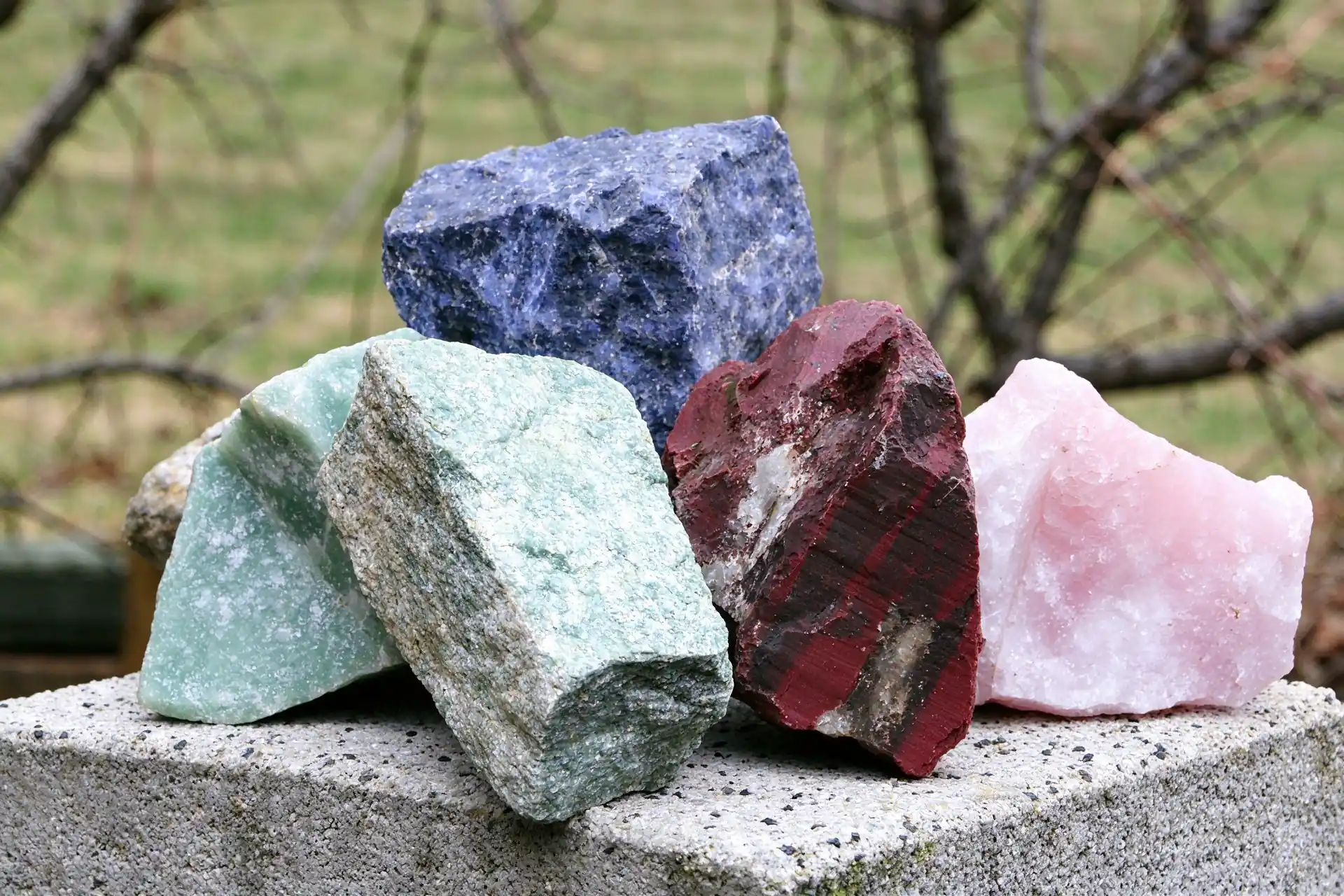
Mineral and Inorganic Materials
Assess suitable mineral cakes and inorganic solids against abrasion, particle size, bulk density and discharge behavior. Wear protection and contamination limits require project-specific review.
Typical feeds: lithium iron phosphate, titanium dioxide, silica (white carbon black), calcium carbonate, inorganic salt filter cakes.

Selected Organic and Process By-Products
Evaluate suitable organic residues against thermal stability, fouling behavior, odor and product quality requirements. Food or feed applications require a separate hygiene and process assessment.
Typical feeds: distiller’s grains, mushroom dregs, fermentation residues, food processing by-products.
Not every material is suitable for disc drying. A material review may identify another drying technology as the better option.
Check Your MaterialDrying Challenges That Need More Than a Capacity Number
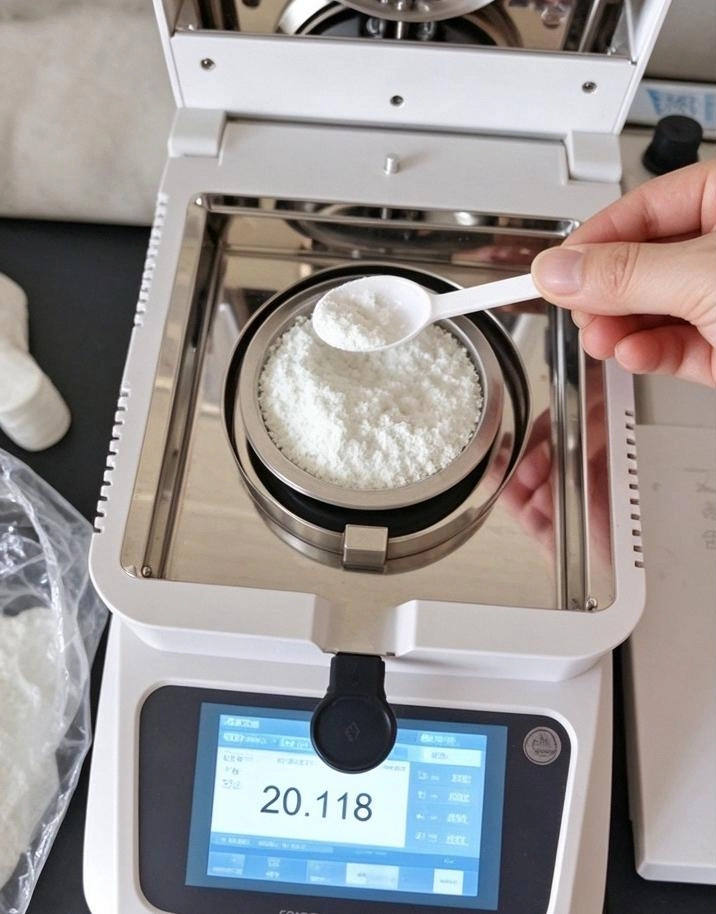
Changing Feed Moisture
A fixed wet-feed rate can conceal a changing evaporation load. Evaluate feed variation and the required outlet condition before defining capacity.
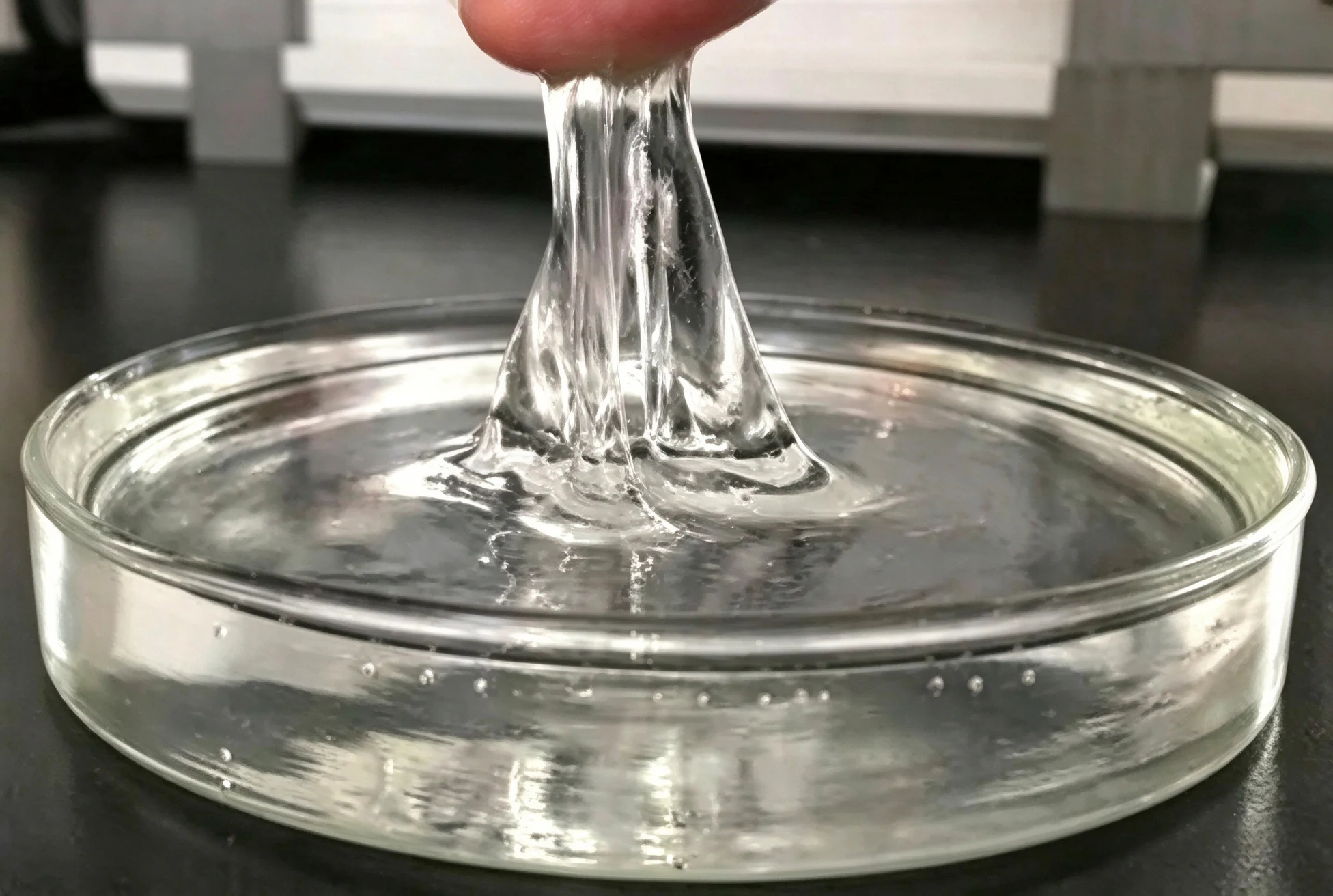
Sticky or Cohesive Material
Material can change from paste to sticky solids and then to powder during drying. Agitation, torque and discharge behavior need to be evaluated across that transition.
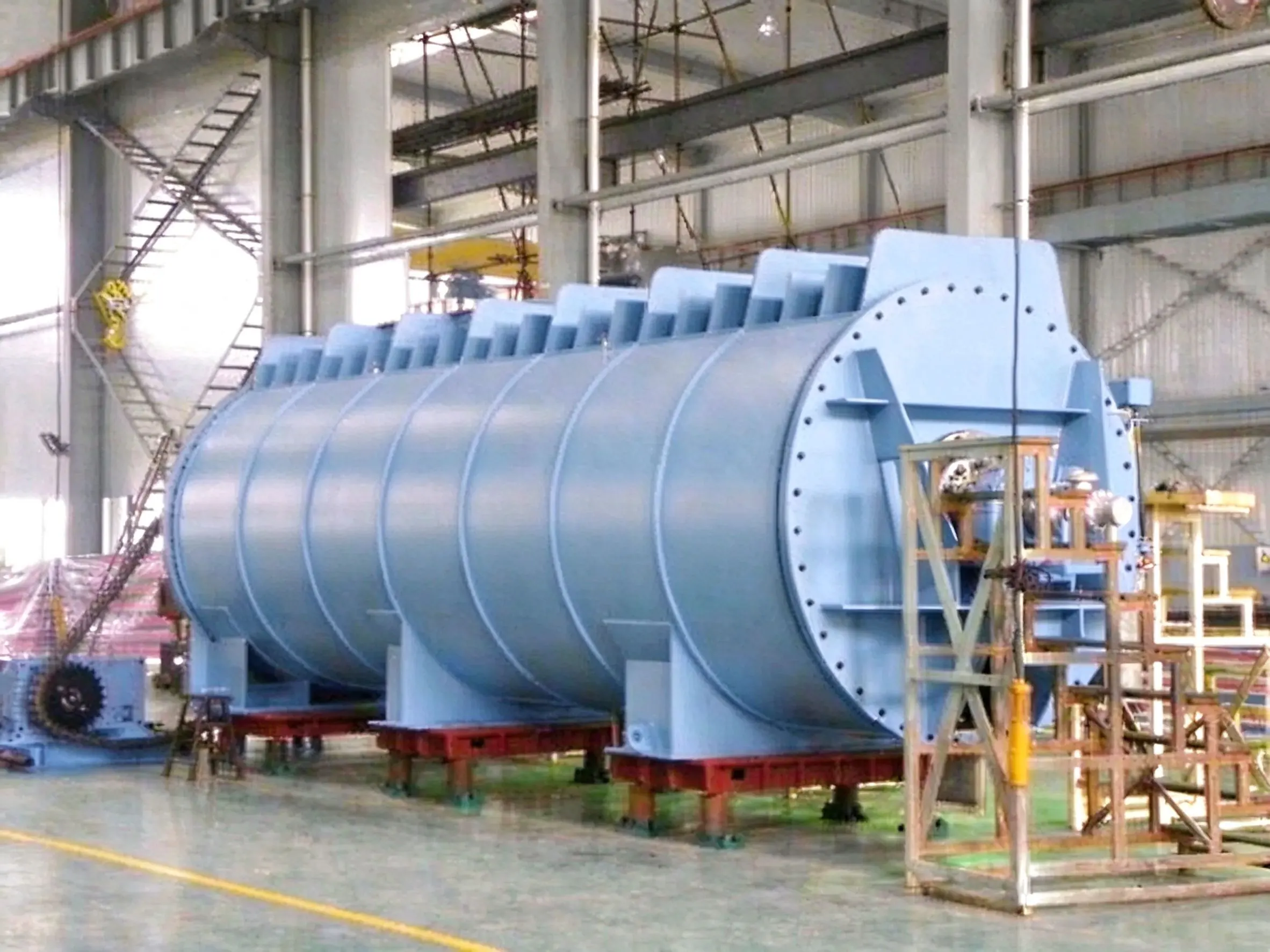
Limited Installation Space
Check the complete installation envelope, including feeding, vapor handling, access platforms and rotor maintenance clearance.
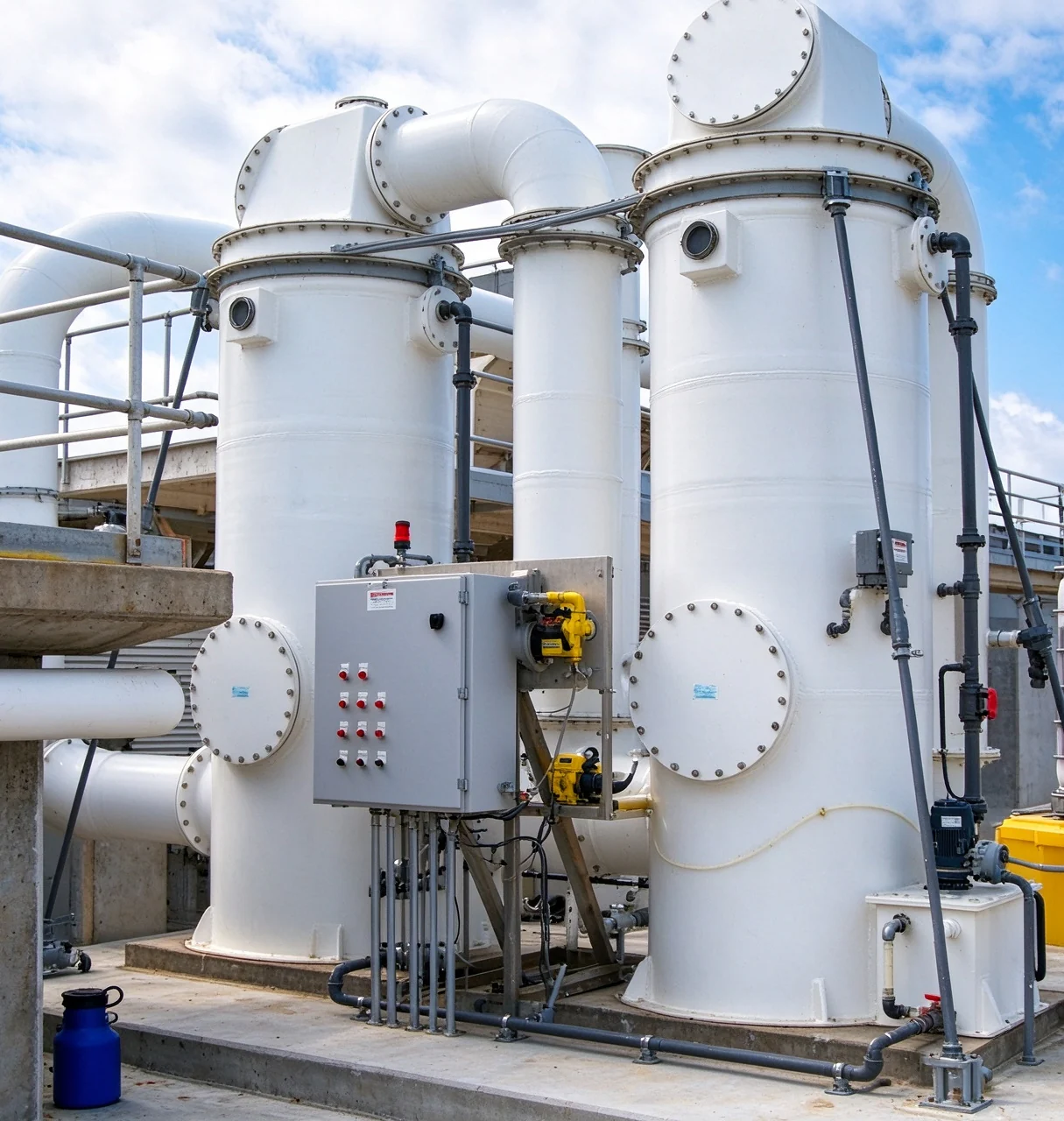
Odor and Condensate Management
A dryer is only one part of the process. Define how vapor, non-condensable gases and potentially contaminated condensate will be managed.
Engineering Features to Review
Heat-Transfer Area Within the Vessel
Disc surfaces provide contact area inside the dryer. Required heating area must be established from the evaporation duty and material heat-transfer behavior.
Agitation During Drying
Mixing renews contact with heated surfaces. Rotor geometry, speed and drive torque must suit the material through its drying transition.
Defined Product Moisture
Feed rate, heat input and material hold-up are evaluated together to reach the required outlet condition.
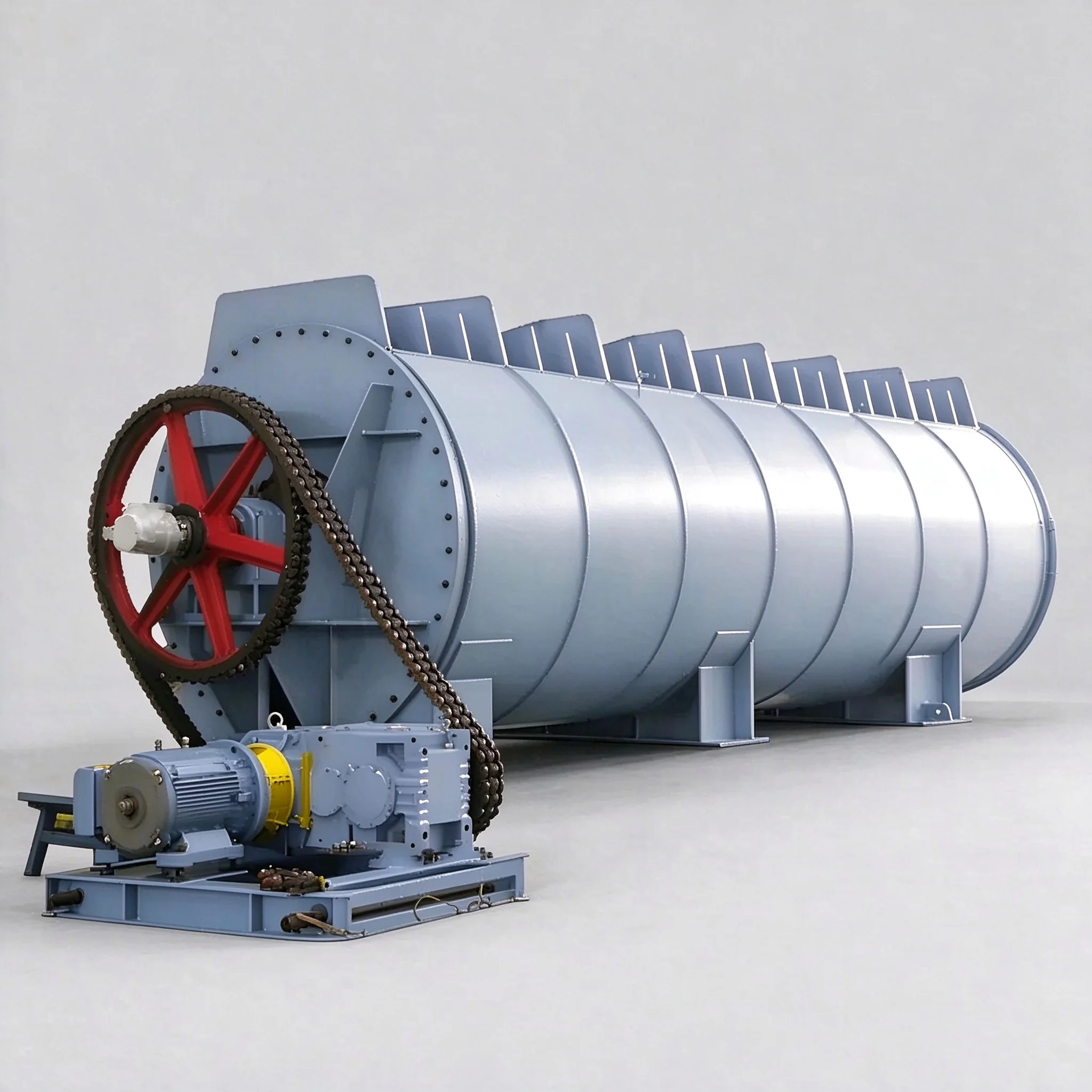
Reduced Reliance on Drying Air
Indirect heating can reduce carrier-gas demand compared with direct hot-air drying. Vapor treatment and ventilation requirements still need to be sized.
Heat-Source Matching
Steam and other thermal-fluid arrangements require compatible rotor, vessel and utility designs. The available heat source must be checked against the drying duty.
Access for Inspection and Maintenance
Review seals, bearings, wear parts, cleaning access and major component removal before finalizing the plant layout.
Disc Dryer Specifications and Sizing
Compare heating surface area, power and equipment dimensions across published horizontal disc dryer models. Then use the sludge example below to see how feed moisture and the outlet target affect evaporation duty.
Reference Specifications for Horizontal Disc Dryers
| Reference Model | Heating Surface Area (m²) | Listed Power (kW) | Total Vessel Volume (m³) | Overall Dimensions, L × W × H (mm) |
|---|---|---|---|---|
| YJG-50 | 50 | 18.5 | 3.27 | 5,600 × 1,600 × 1,000 |
| YJG-80 | 80 | 22 | 4.5 | 5,200 × 1,900 × 2,700 |
| YJG-120 | 120 | 30 | 8 | 7,200 × 1,900 × 2,700 |
| YJG-180 | 180 | 45 | 11.5 | 7,500 × 2,500 × 3,000 |
| YJG-240 | 240 | 55 | 15 | 9,000 × 2,500 × 3,000 |
| YJG-320 | 320 | 75 | 20 | 10,100 × 2,800 × 3,300 |
| YJG-420 | 420 | 90 | 26 | 10,100 × 3,000 × 3,550 |
Published Sludge Sizing Example — YJG-120
| Design Parameter | Published Example |
|---|---|
| Feed Material | Sludge |
| Wet Feed Rate | 1,350 kg/h (27 t/day at 20 operating hours per day) |
| Inlet Moisture | Approx. 60% |
| Target Outlet Moisture | Approx. 20% |
| Calculated Water Evaporation | Approx. 675 kg/h |
| Heating Medium | Saturated steam at 0.6 MPa; pressure basis not stated |
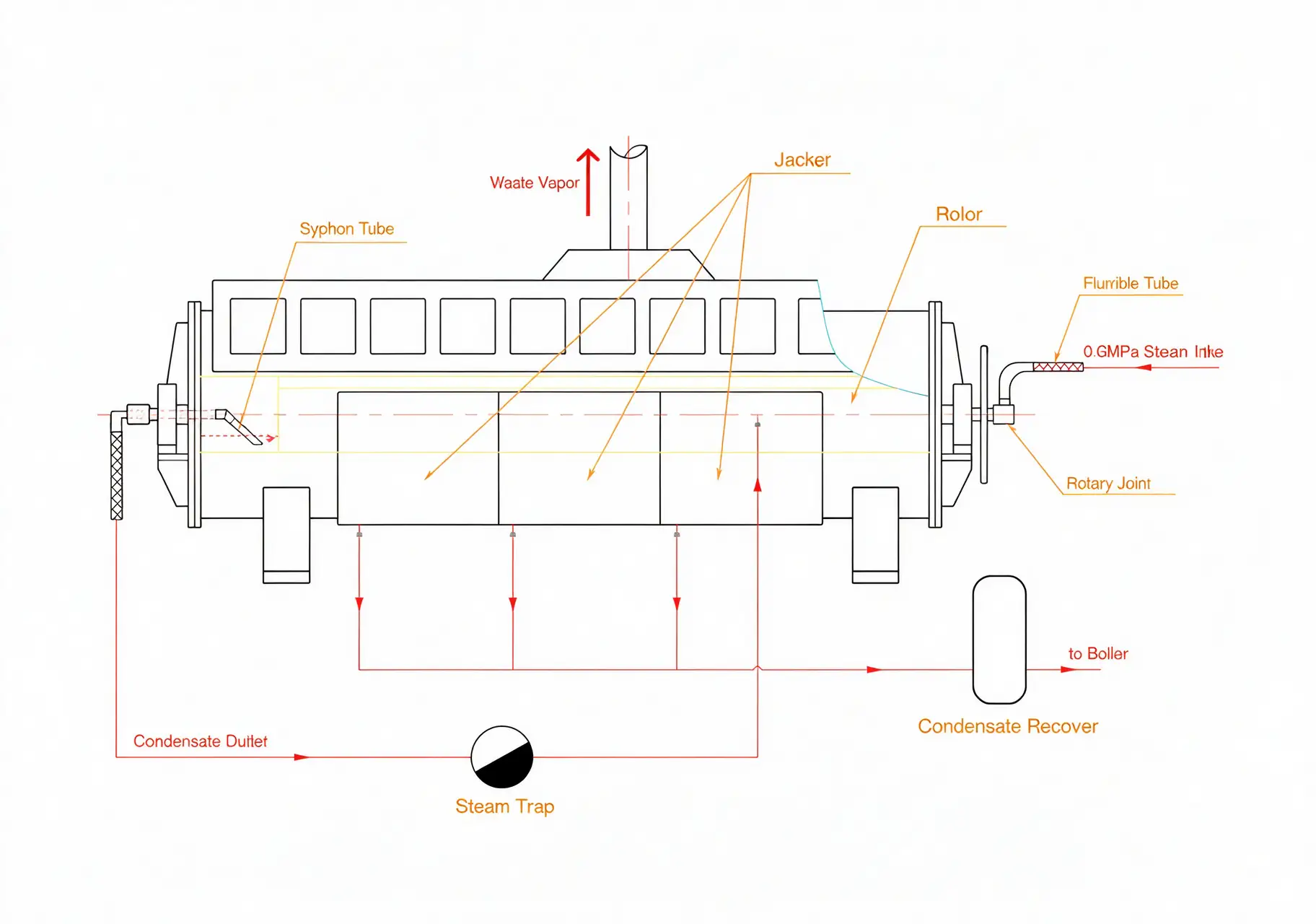
What to Send for a JEXDRY Specification
Send your material description, normal and peak wet-feed rates, inlet and target outlet moisture, and available heat source. Include any product temperature limits or installation constraints so the proposed configuration can be reviewed against your process.
Plan the Utilities and Vapor System Together
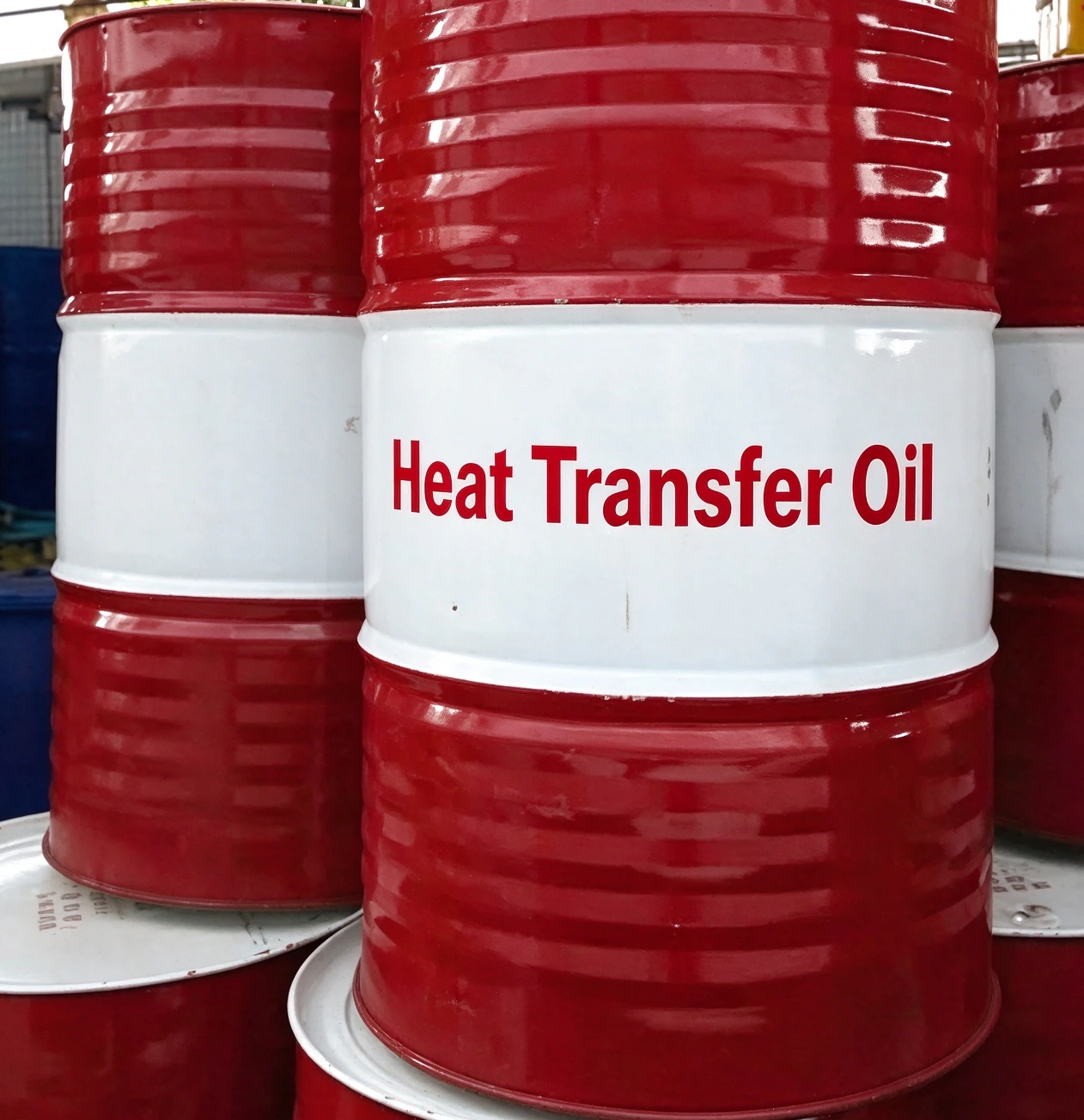
Heat Supply
Confirm the available temperature, pressure, flow and seasonal variation of the heating utility. The heat source must support the required evaporation duty.
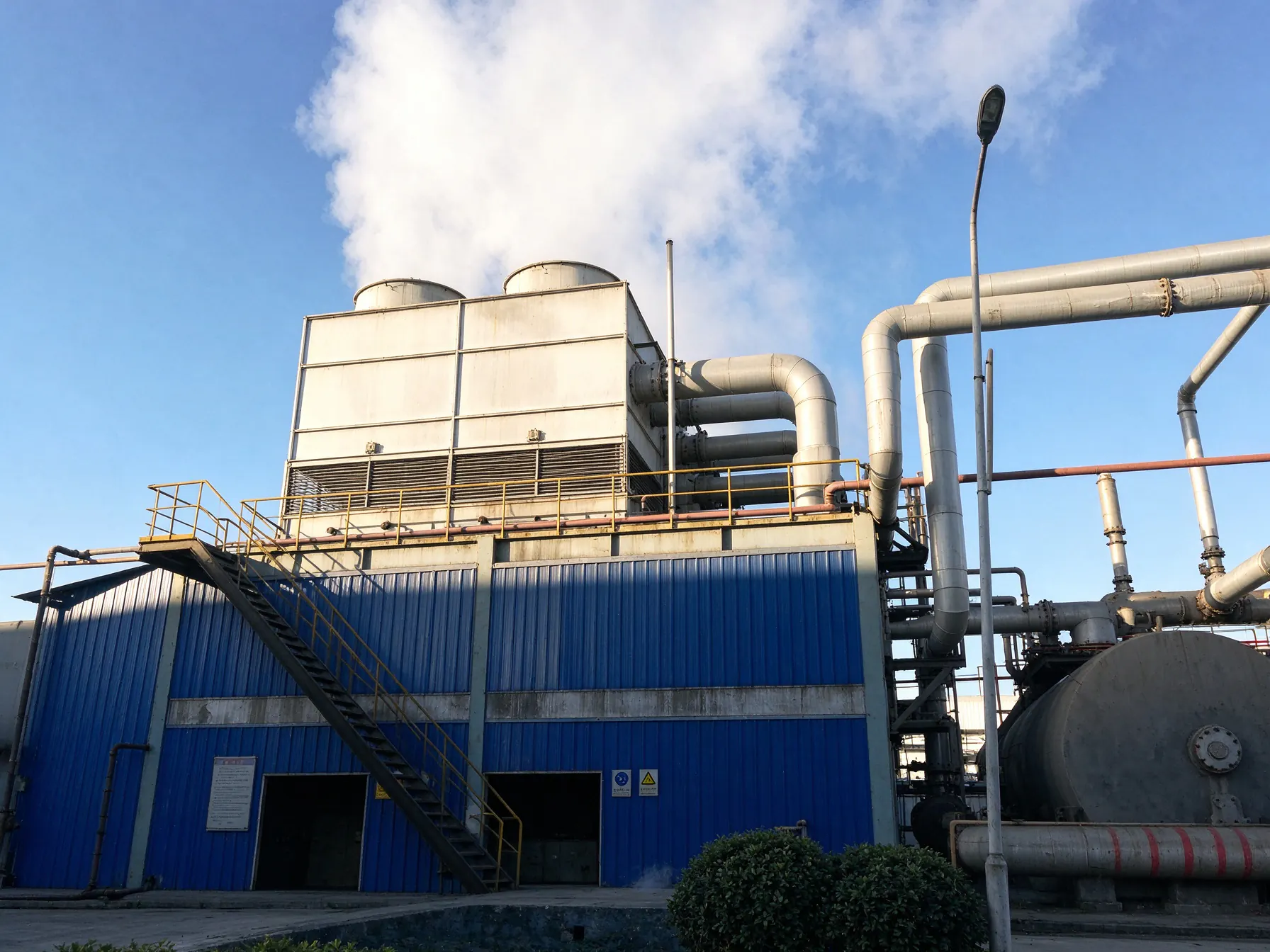
Vapor and Condensate
Define the vapor composition, cooling duty and condensate destination. Condensate from sludge or contaminated feeds may require treatment.
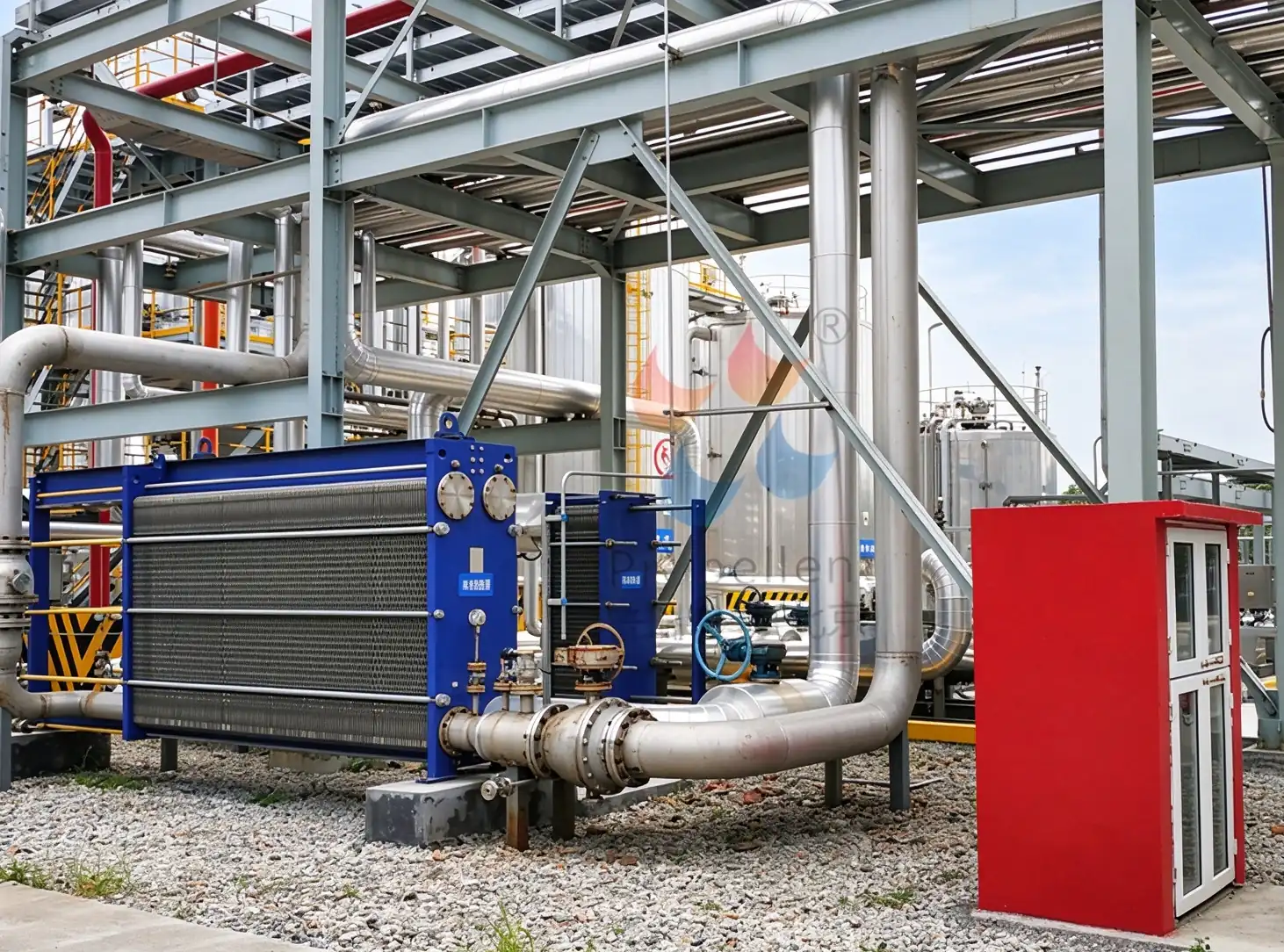
Heat Recovery
Assess whether recoverable heat has a practical use at the available temperature. Feasibility depends on the plant heat balance and operating schedule.
Dryer selection should consider utility demand, emissions treatment and downstream interfaces as one process.
Review Your System RequirementsDisc Dryer vs. Other Dryers for Sludge Drying
Compare dryer options using the same sludge, wet-feed rate, inlet moisture and target outlet solids. Start with how the sludge behaves as it dries and what the downstream process requires.
| Dryer Type | When to Consider It for Sludge | What to Verify Before Selection |
|---|---|---|
| Horizontal Rotary Disc Dryer | Consider it for continuous indirect drying of dewatered sludge, including partial drying before incineration when the downstream process specifies a target solids content. | Check how feed variability, sticking and grit affect heat transfer, rotor torque and discharge. Define the scope for vapor and condensate handling. |
| Hollow Paddle Dryer | Compare it directly with a disc dryer when sticky sludge or filter cake needs agitation and changes consistency as it dries. | Check buildup on heated surfaces, startup torque and whether the sludge discharges reliably at the target moisture. |
| Belt Dryer | Consider it when dewatered sludge can be formed into a bed that allows air to pass through, particularly where low-temperature drying air is available. | Check feed preparation, airflow through the sludge bed, required belt area and exhaust treatment. |
| Direct Rotary Drum Dryer | Consider it when the sludge can be conditioned for tumbling and direct contact with hot gas is acceptable. | Check whether feed conditioning or dried-product recycle is needed, and account for dust, odor and exhaust treatment. |
When comparing a disc dryer and a paddle dryer, use the same sludge characteristics and moisture target. Compare heat and electricity use, discharge behavior and vapor-treatment scope at the same required water evaporation rate. Check our hollow paddle dryers and Explore Sludge Drying Systems for broader options.
Compare Drying Options for Your MaterialIs a Vertical Disc Dryer the Same Machine?
No. A vertical disc or plate dryer typically moves material across stacked heated trays using rotating rake arms. A horizontal rotary disc dryer uses a rotating disc assembly inside a horizontal vessel. Their material paths, mechanical designs and selection criteria differ.
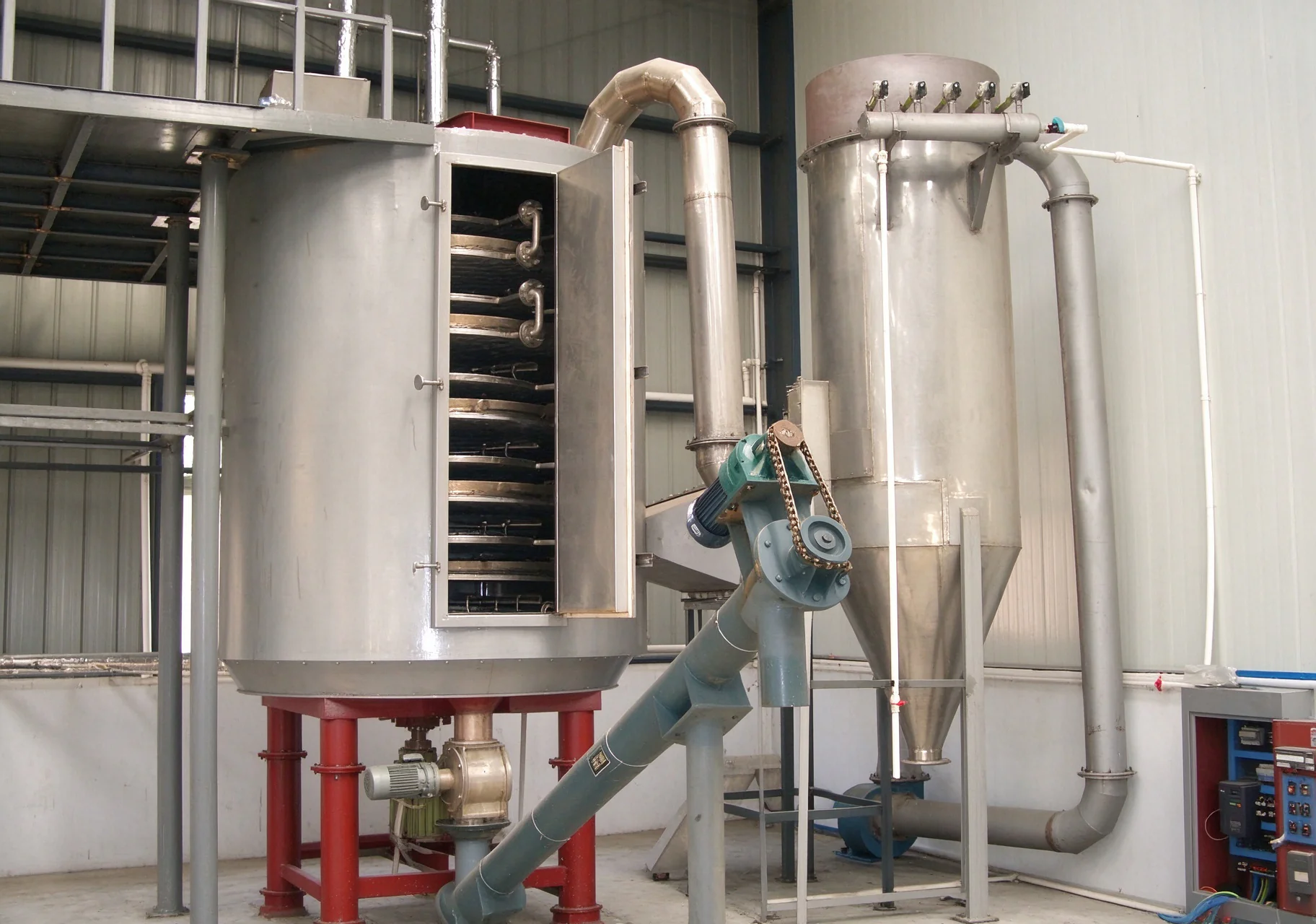
How to Choose a Disc Dryer
Define the Feed
Provide the material identity, composition, physical form and expected variability.
Calculate the Moisture Load
State wet-feed throughput, inlet moisture and the required outlet moisture on a consistent basis.
Check Material Behavior
Review stickiness, abrasion, corrosion, thermal stability and discharge characteristics. Testing may be needed.
Match the Plant
Confirm utilities, operating hours, installation space, maintenance access and downstream requirements.
Agree on the Performance Basis
Define the feed specification, scope, acceptance criteria and test conditions before comparing proposals.
Capacity Starts with a Moisture Balance
- Wet feed: 1,000 kg/h
- Inlet moisture: 80% wet basis
- Outlet moisture: 40% wet basis
- Dry solids: 200 kg/h
- Calculated product flow: approx. 333 kg/h
- Calculated water evaporation: approx. 667 kg/h
This simplified balance assumes no dry-solids loss, no solids addition and water as the only evaporated component. It estimates moisture removal, not heating area, energy consumption or guaranteed machine capacity.
Dry solids = Wet feed × (1 − Inlet moisture fraction)
Product flow = Dry solids ÷ (1 − Outlet moisture fraction)
Evaporated water = Wet feed − Product flow
Manufacturing and Engineering Support from JEXDRY
JEXDRY is the international industrial drying equipment brand of Jiangsu Xingxing Drying Equipment Co., Ltd., established in 1998 in Changzhou, China. Its industrial drying work includes material evaluation, customized equipment and system integration.
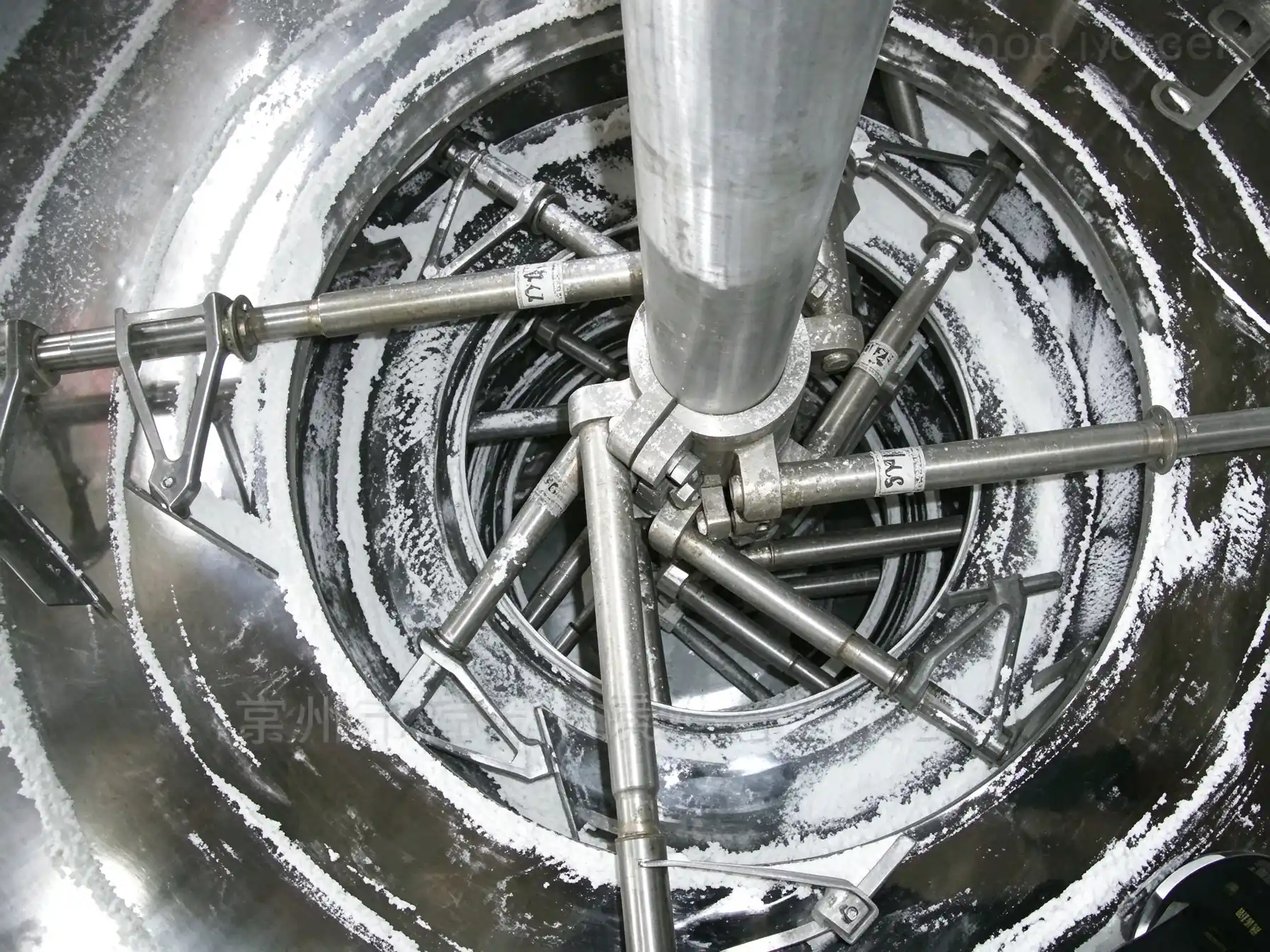
Material Evaluation
Review feed properties and process requirements before selecting the drying route.
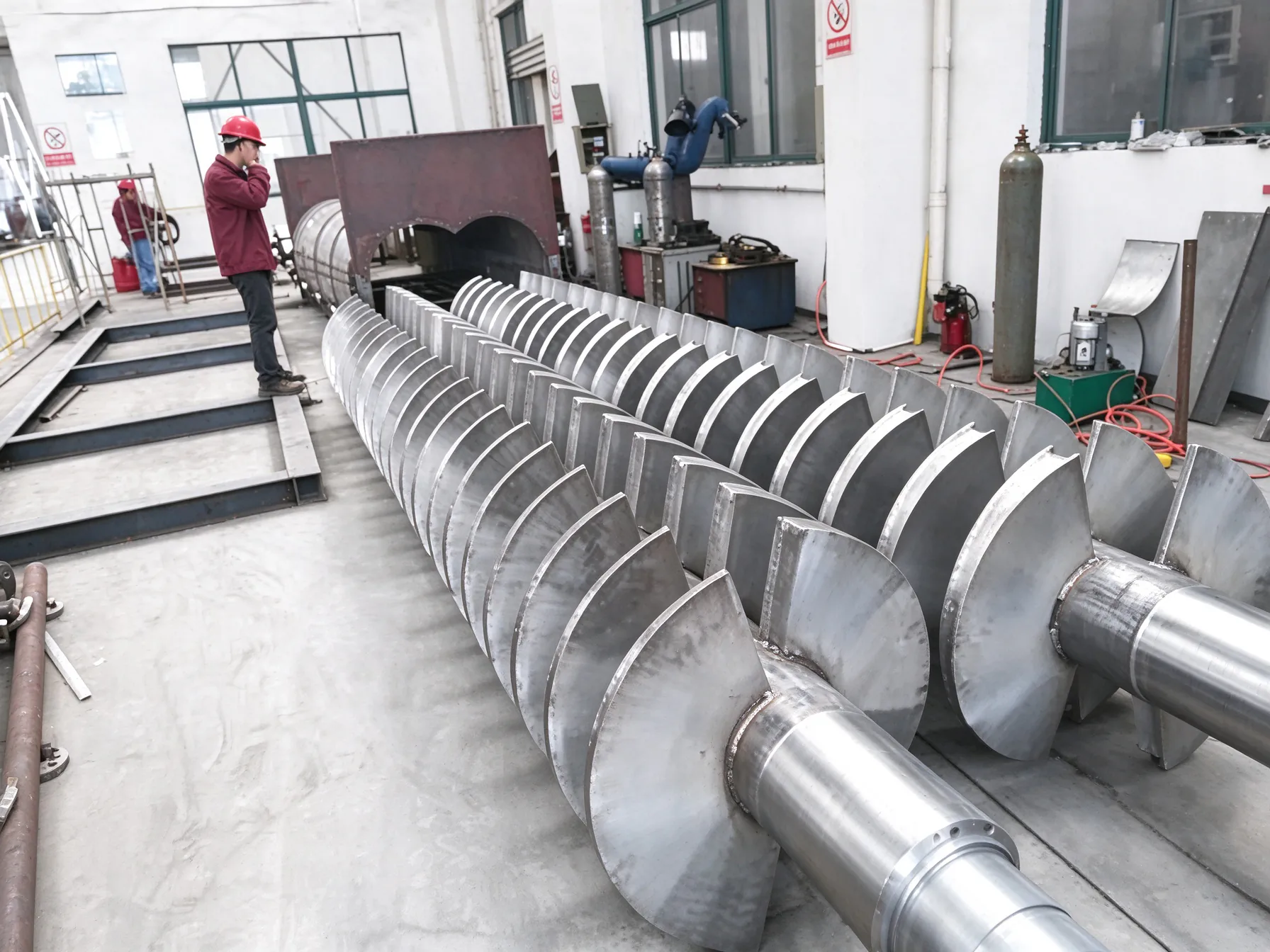
Engineering and Scope
Define the equipment configuration, utilities and supply interfaces in the technical proposal.
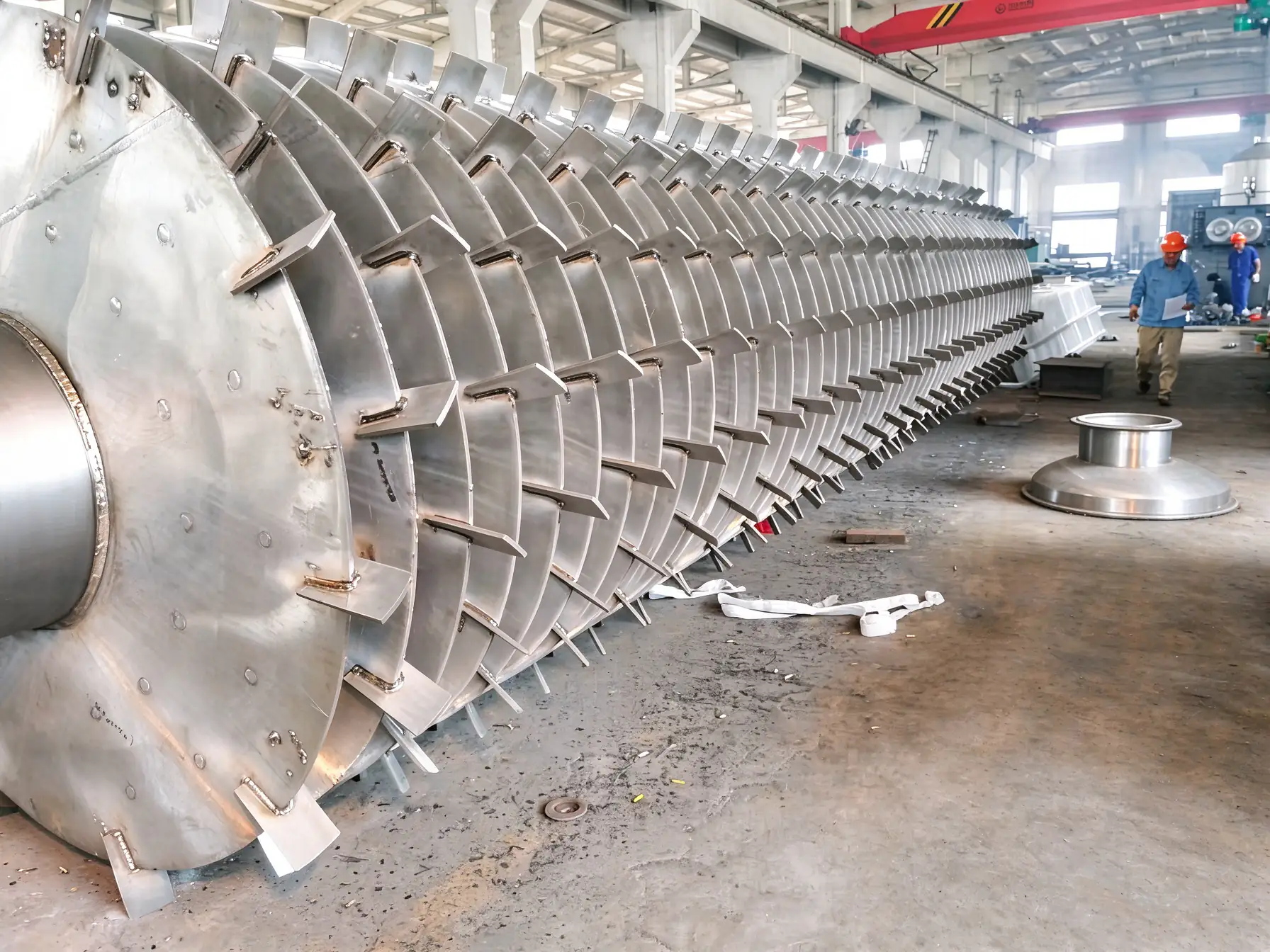
Manufacturing and Inspection
Use agreed drawings, inspection requirements and documentation to define the manufacturing scope.
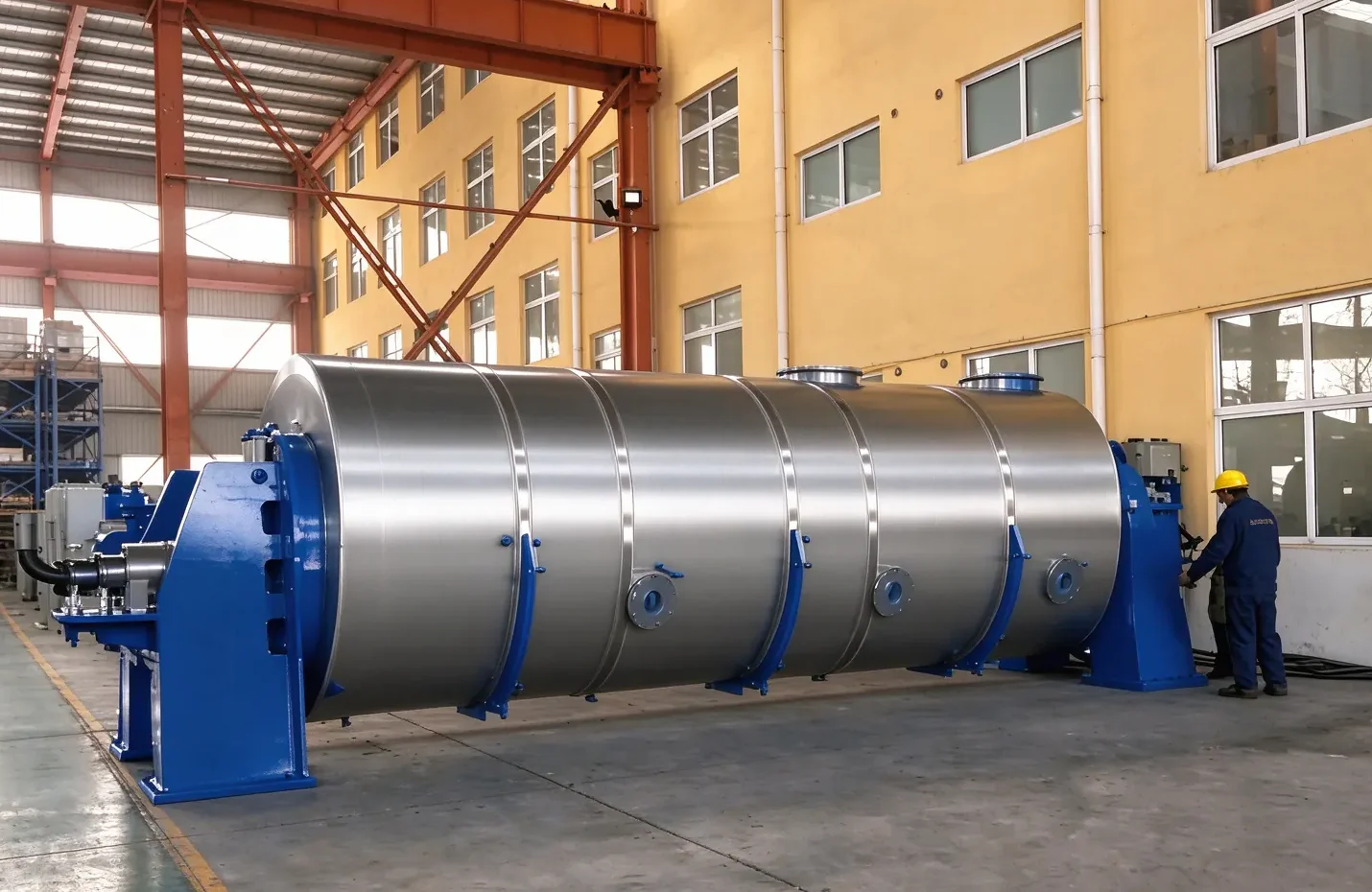
FAT and Technical Support
Agree on factory acceptance activities, English documentation and commissioning support for the project.
Continuous Vacuum Disc Drying Line for a Project in Peru
JEXDRY completed an engineering proposal for a continuous, steam-heated vacuum disc drying line for a project in Peru. The customer needed a clear outlet moisture target, a way to feed and discharge solids without losing vacuum, and a defined scope for vapor handling and plant utilities. We developed the equipment configuration around those requirements.
Project Design Basis
| Parameter | Project Design Basis |
|---|---|
| Dryer Configuration | BDMD-260 horizontal vacuum disc dryer |
| Operating Mode | Continuous |
| Wet Feed Rate | 6–8 t/h |
| Inlet Moisture | 30–60% by weight, wet basis |
| Target Outlet Moisture | 5–15% by weight, wet basis, depending on the operating point |
| Heating Medium | Saturated steam; 160°C assumed for preliminary sizing |
| Dryer Chamber Pressure | Approx. 31–41 kPa absolute |
How We Addressed the Customer’s Requirements
1. What Does “50% Moisture Removal” Mean for Dryer Sizing?
We distinguished between removing half of the incoming water and cutting the moisture percentage in half. For example, feed at 60% moisture would still be about 43% moisture after half of its incoming water was removed, assuming no dry-solids loss. We used the target outlet moisture at each design point to calculate the water evaporation duty.
2. How Can the Line Feed and Discharge Continuously Under Vacuum?
We specified vacuum-tight feed and discharge assemblies and a dedicated vacuum unit downstream of the condenser. The solids-transfer design would be selected based on feed consistency, the risk of bridging or buildup, and the amount of air leakage the vacuum system could accommodate.
3. How Will the Line Handle Entrained Solids and Process Vapor?
We placed a cyclone before the water-cooled condenser to remove entrained solids from the vapor stream. The design specified 316L stainless steel for metal surfaces in direct contact with wet feed, dried product or entrained solids. Condenser and receiver materials would be confirmed separately based on vapor and condensate chemistry.
4. What Does the Plant Need to Provide, and How Will Performance Be Checked?
We defined the package interfaces for steam, cooling water, exhaust and process condensate so the customer could see what the equipment package covered and what the site needed to provide. The proposal also set out how to agree on representative feed, sampling methods and acceptance conditions before committing to performance guarantees.
Have a similar drying requirement? Send us your feed rate, inlet and target outlet moisture, and available utilities. We’ll use those inputs to define the evaporation duty and the equipment scope for your project.
Discuss Your Drying RequirementsDisc Dryer FAQs
What is the difference between a disc dryer and a paddle dryer?
Can a disc dryer handle sticky sludge or filter cake?
What capacity should I specify?
What final moisture can a disc dryer achieve?
Which heat source is suitable?
Does indirect drying eliminate odor and emissions?
Is a vacuum or solvent-recovery configuration standard?
How much energy does a disc dryer consume?
What information is needed for a quotation?
Still have questions?
Our engineering team is ready to help with your specific application.
Discuss Your Disc Dryer Project
Tell us what you need to dry and the outlet condition you require. JEXDRY will review the application and help define the next step in equipment selection.
Contact Engineering
Phone / WhatsApp
+86 137 7501 3369Location
Jiaoxi Industrial Zone, Zhenglu Town, Tianning District, Changzhou, Jiangsu Province, China
Prefer to contact JEXDRY directly? Send us an email or connect on WhatsApp.