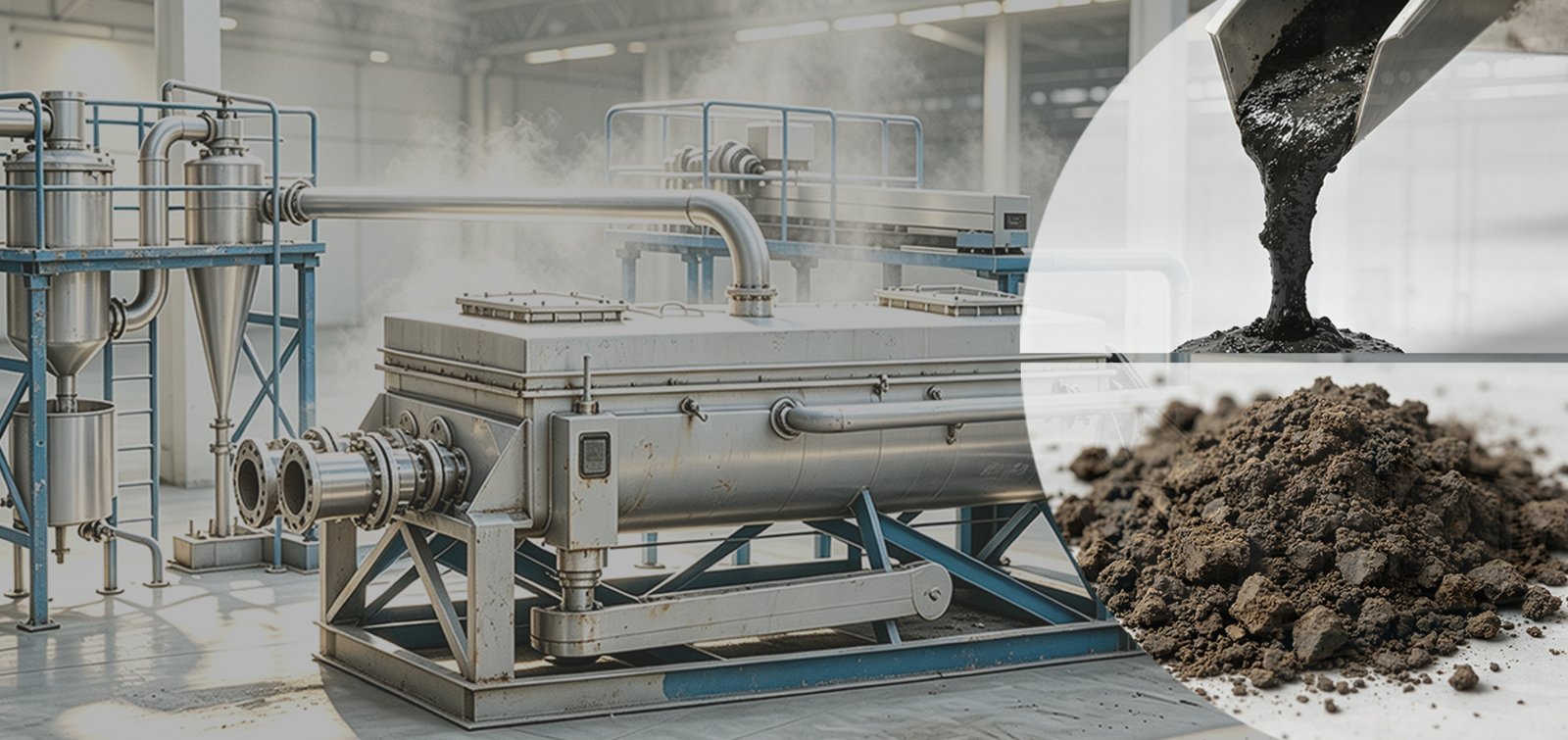
Paddle Dryer for Sludge, Filter Cake and Industrial Materials
JEXDRY designs continuous paddle dryers and integrated drying systems around your material properties, moisture load, available heat source, product temperature limit and site interfaces. Indirect heating and low-speed agitation make this dryer suitable for many sticky, pasty, powdery and granular feeds.
Is a Paddle Dryer Right for Your Material?
Final equipment selection should be based on the actual feed properties, required evaporation load, temperature limit and available utilities.
Custom-Engineered Drying Solutions
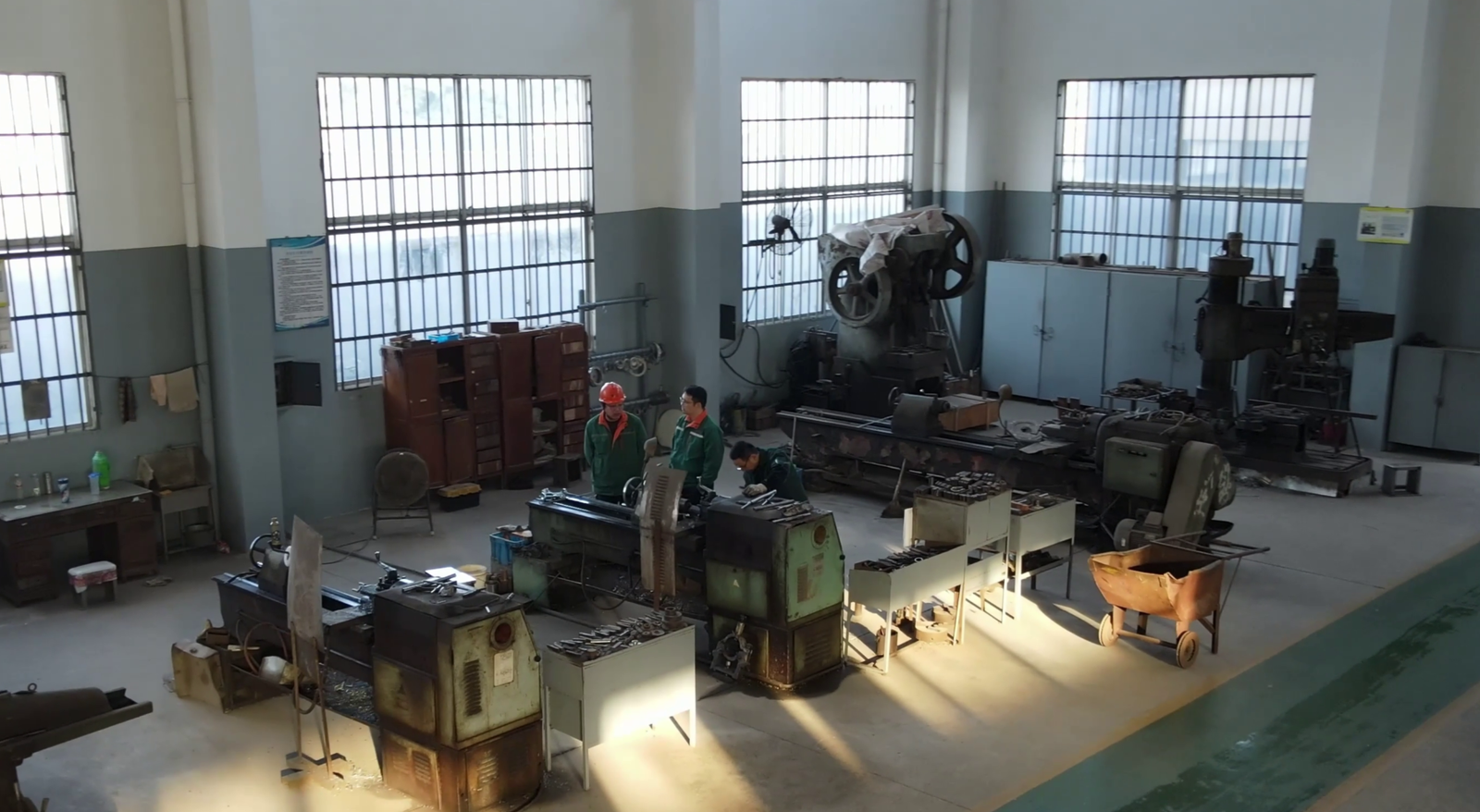
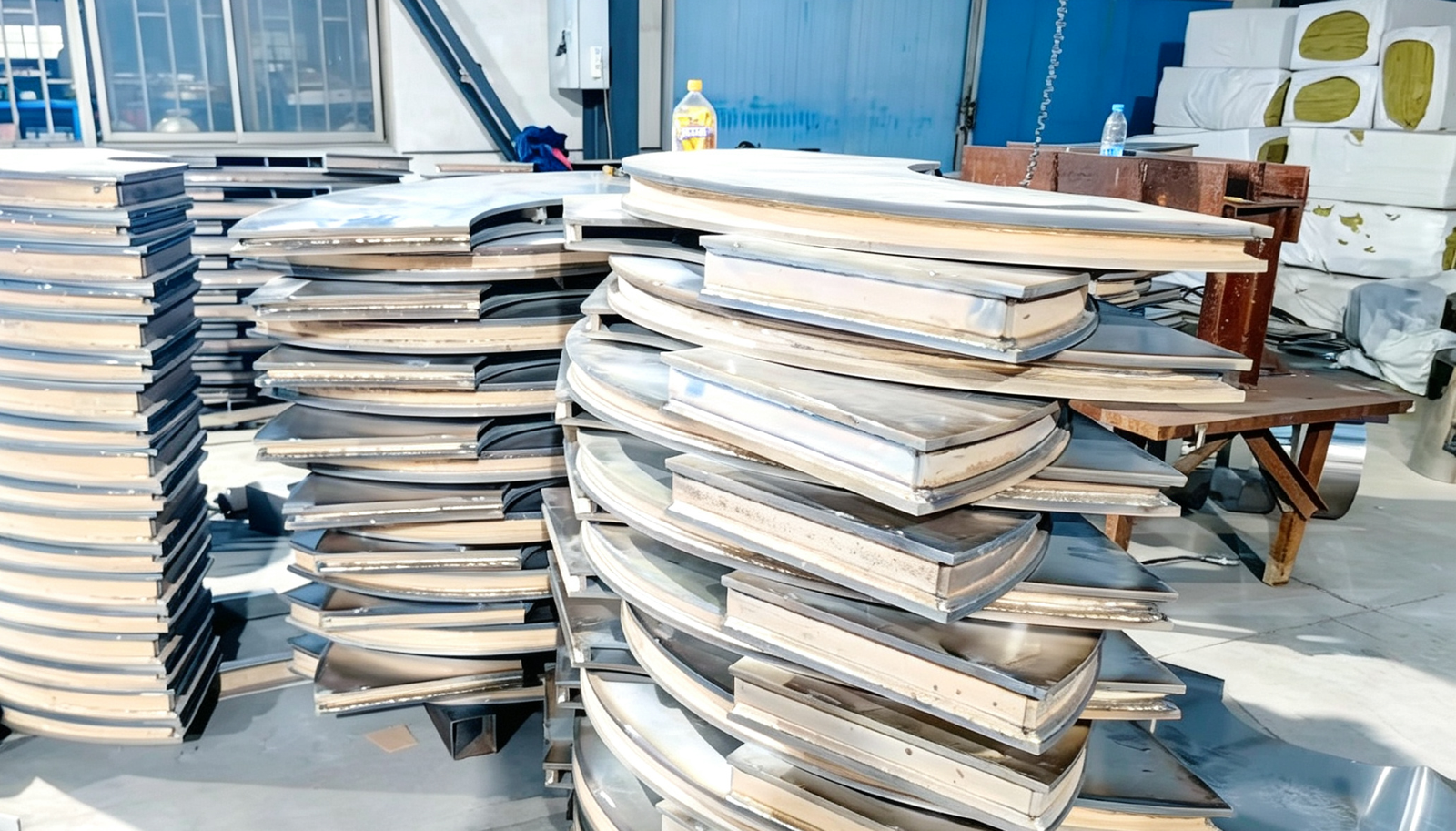
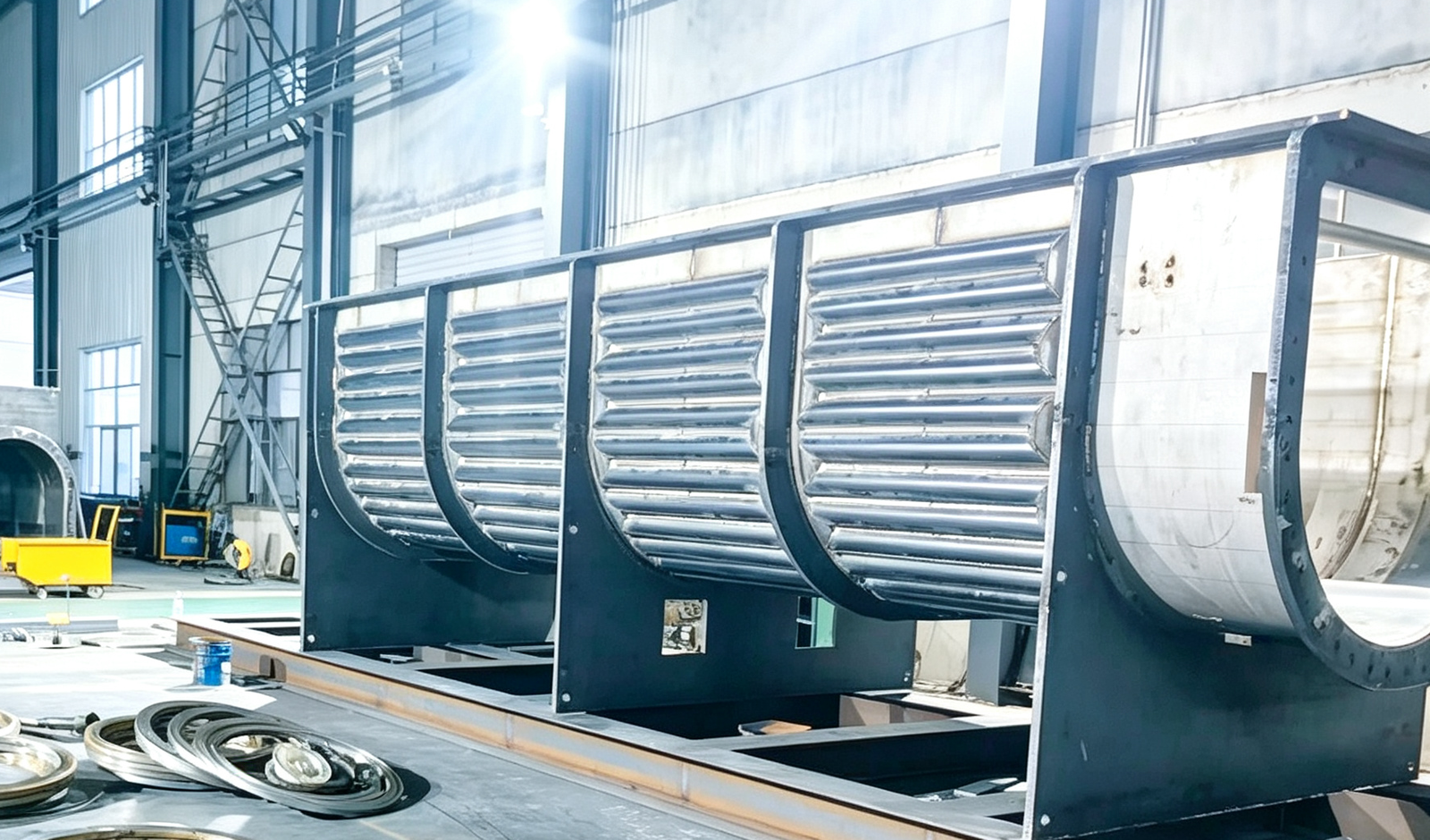
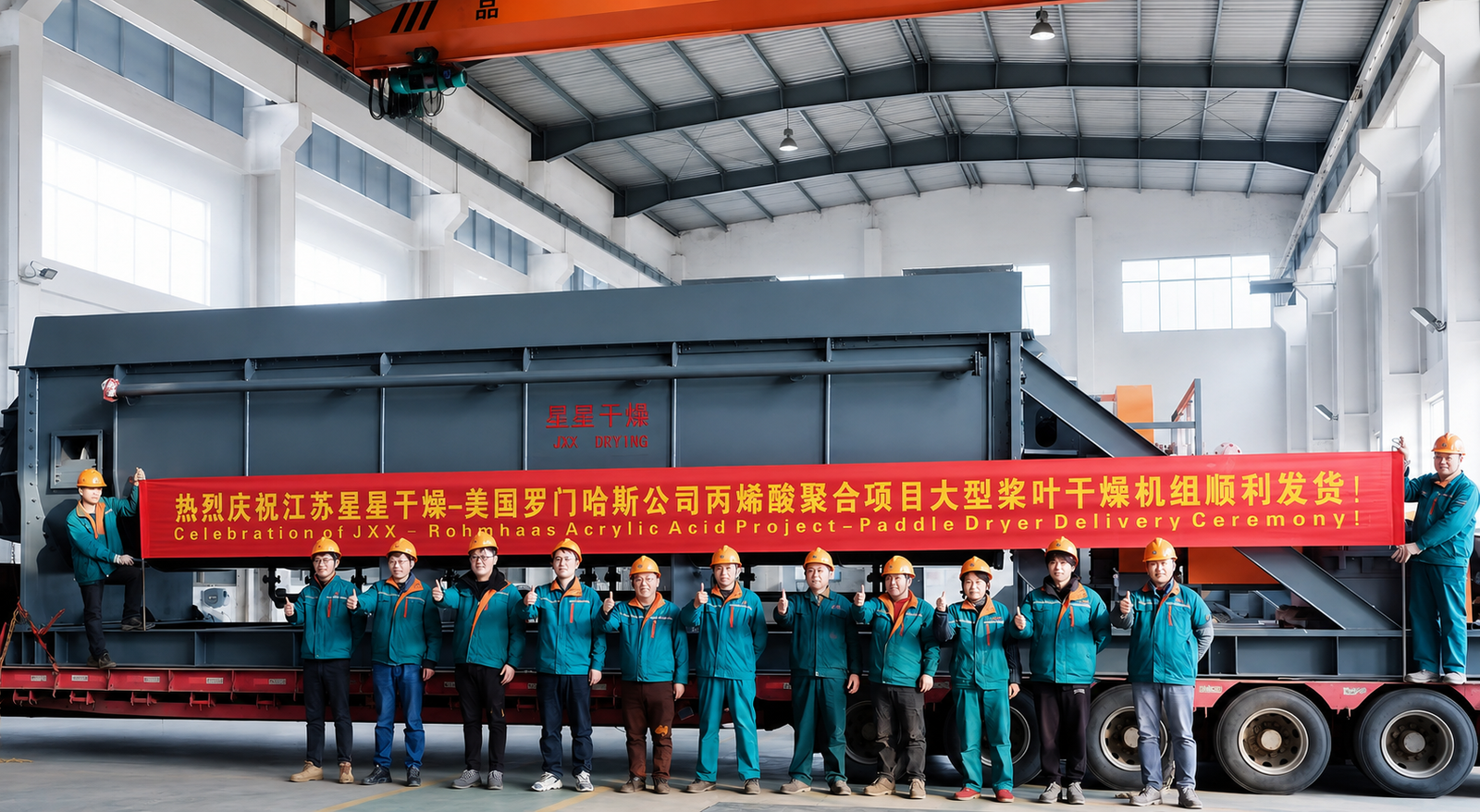
In-house manufacturing and full FAT testing ensure your paddle dryer perfectly matches your material's unique thermal profile.
A Paddle Dryer May Be Suitable When
- The feed is sludge, filter cake, paste, slurry or another difficult-to-convey material.
- Direct contact between hot gas and the product is undesirable.
- Odor, dust or vapor needs to remain within an enclosed process.
- The plant wants to limit the volume of carrier gas and downstream exhaust treatment.
- Continuous indirect drying is required.
- Steam, thermal oil or hot water is available as a heating medium.
- Product temperature needs closer control than in many direct-air dryers.
Another Technology May Be Better When
- The material is a free-flowing, coarse bulk solid requiring very high throughput (Rotary Dryer).
- The feed is a pumpable liquid that should be converted directly into a fine powder (Spray Dryer).
- Very short residence time is required for a fine powder (Spin Flash Dryer).
- The process requires low-temperature vacuum drying or controlled solvent recovery (Vacuum Dryer).
- The material cannot tolerate mechanical agitation.
What Is a Paddle Dryer?
A paddle dryer is a continuous indirect contact dryer in which the heating medium is separated from the product by metal heat-transfer surfaces. Heat can be supplied through the jacket, hollow shafts and hollow paddles, while rotating paddles mix and move the material toward the discharge. This configuration is commonly evaluated for sludge, filter cakes, pastes, powders and granules.
Learn more about the paddle dryer working principle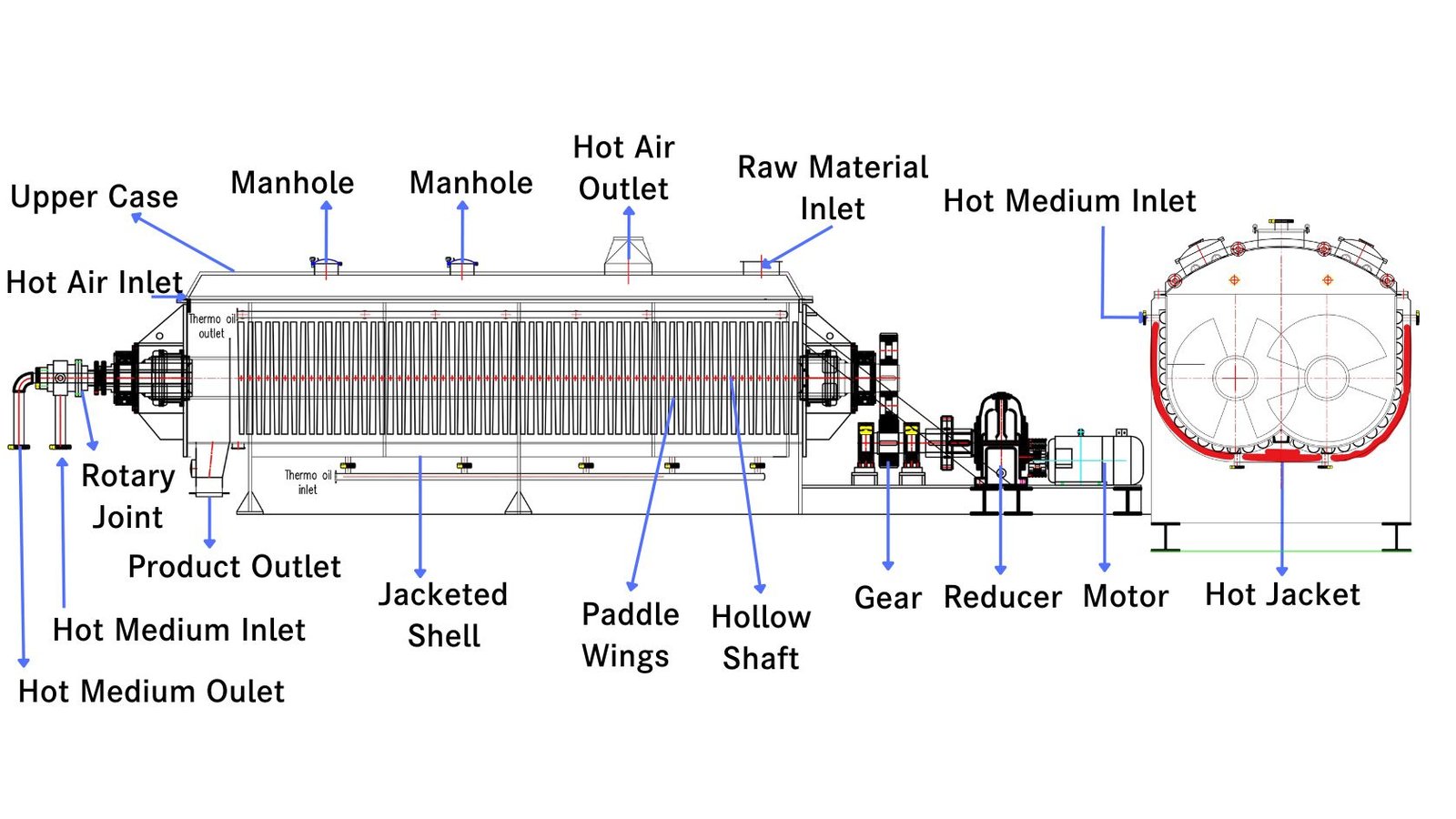
How the Paddle Dryer Works
The required residence time, heating area, shaft speed and vapor-treatment arrangement must be established from material data, testing and the project heat and mass balance.
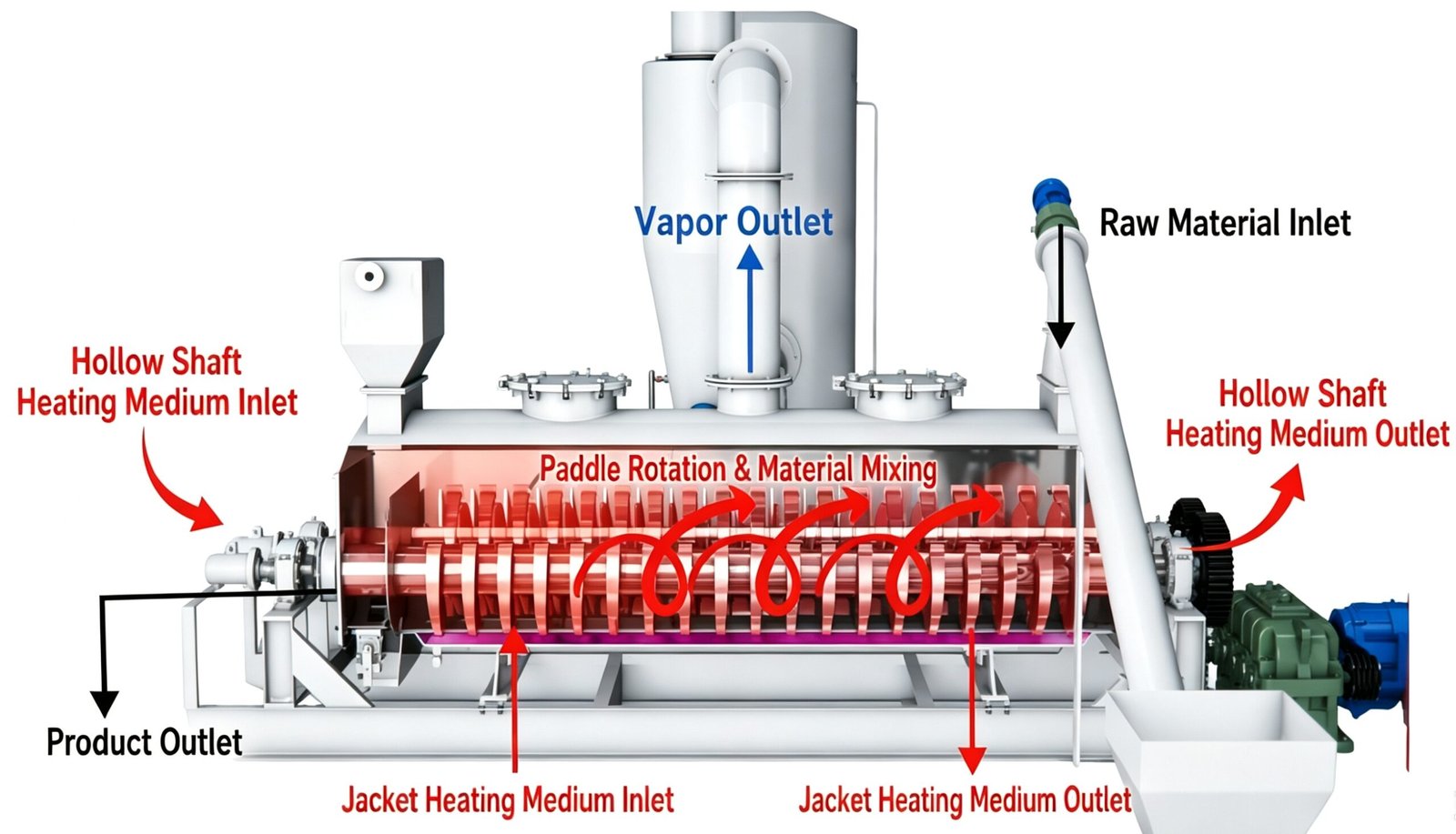
Controlled Feeding
Wet material enters through a metered feeding system selected according to its consistency and flow behavior.
Indirect Heating
Steam, thermal oil or hot water transfers heat through the dryer’s heated metal surfaces without directly mixing with the product.
Mixing & Moisture Removal
The rotating paddles renew contact between the material and heated surfaces while vapor leaves through the vapor outlet.
Controlled Discharge
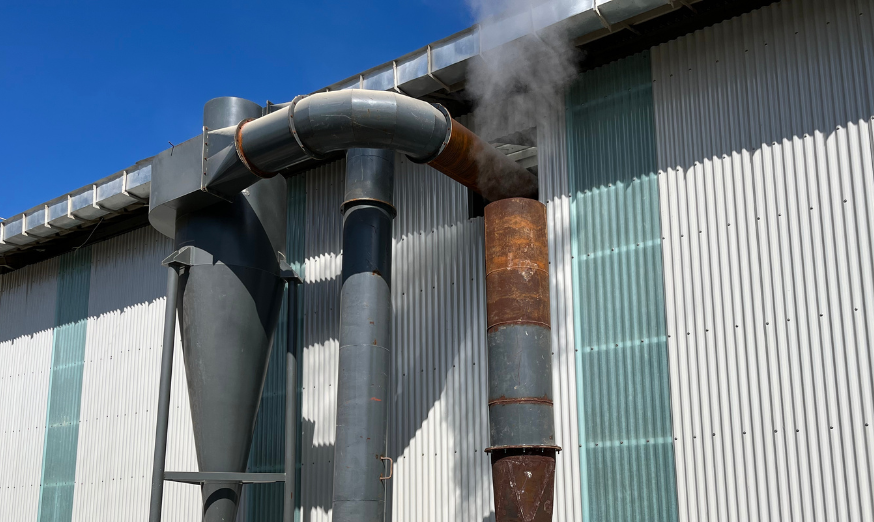
The dried material exits continuously, while vapor is directed to the project-specific dust, condensation, scrubbing or odor-treatment system.
Drying Problems Addressed by the Design
Engineered responses to common process constraints.
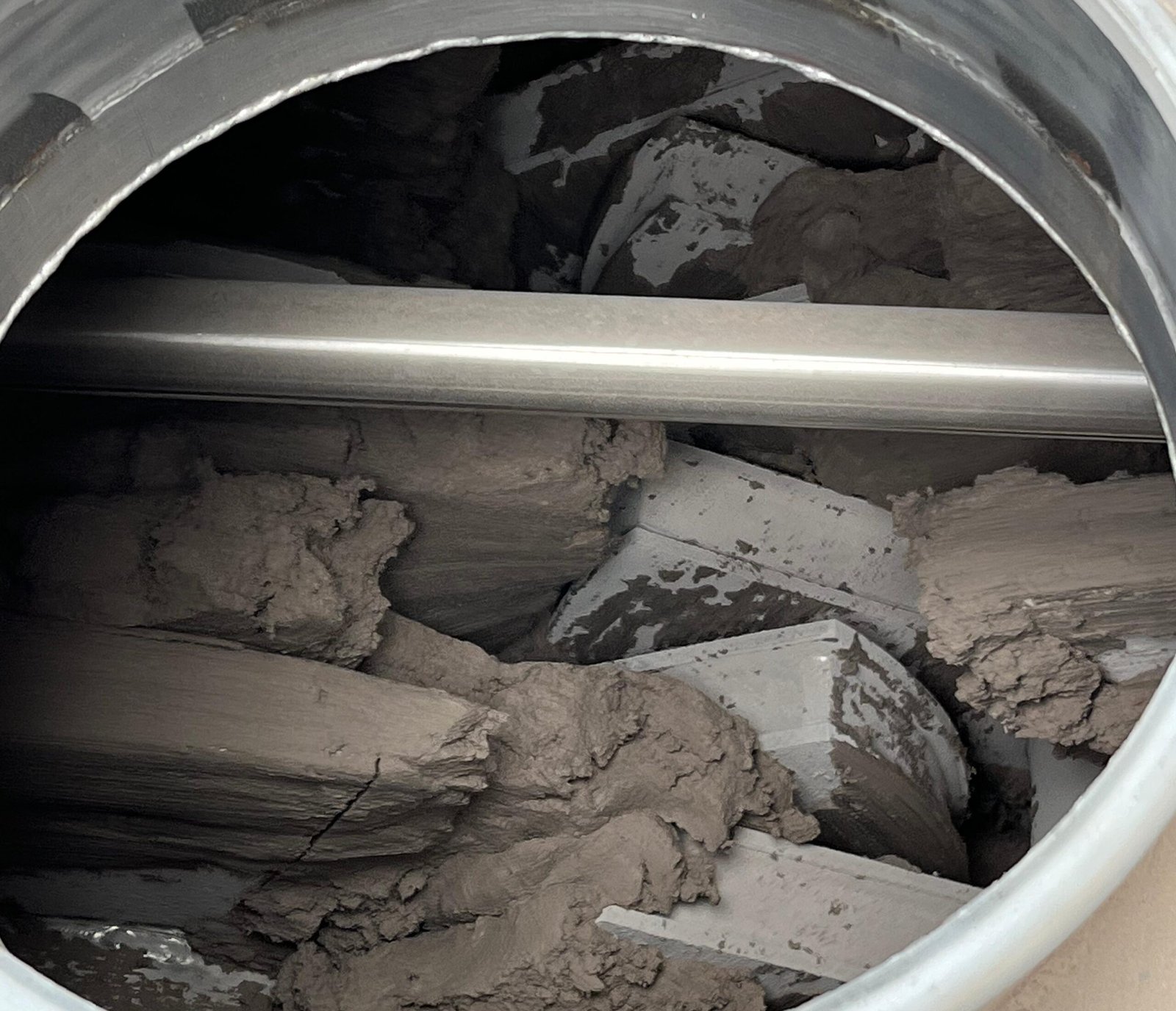
Sticky or Pasty Feed
Constraint: Material adheres to walls, reducing heat transfer.
Design Response: Low-speed agitation and wedge-shaped paddle geometry.
Benefit: Continuously renews contact with heated surfaces and can reduce buildup.
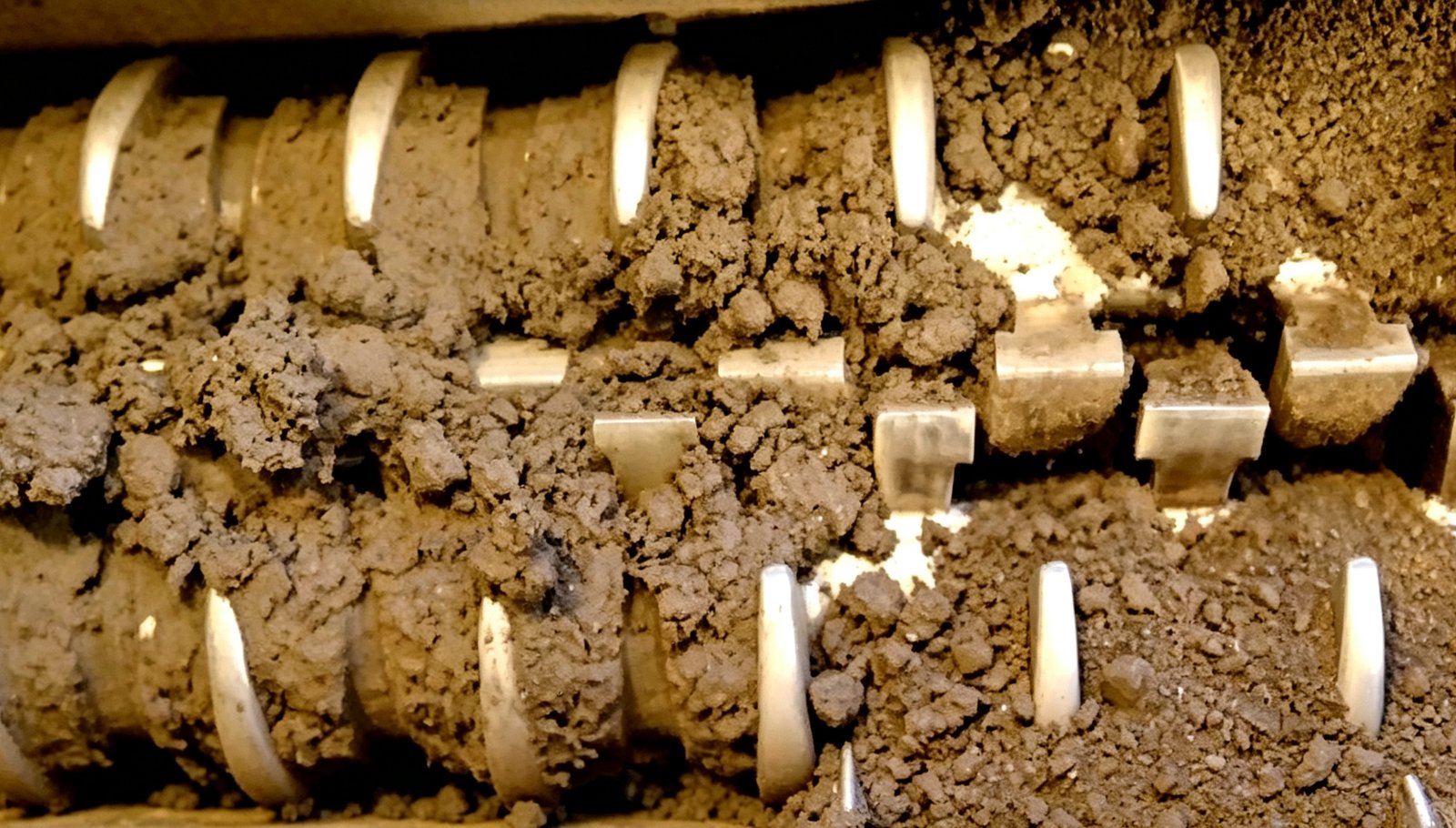
Variable Feed Moisture
Constraint: Upstream fluctuations cause uneven final product.
Design Response: Variable feed control and adjustable residence-time weir.
Benefit: Helps stabilize operation and outlet moisture when upstream conditions vary.
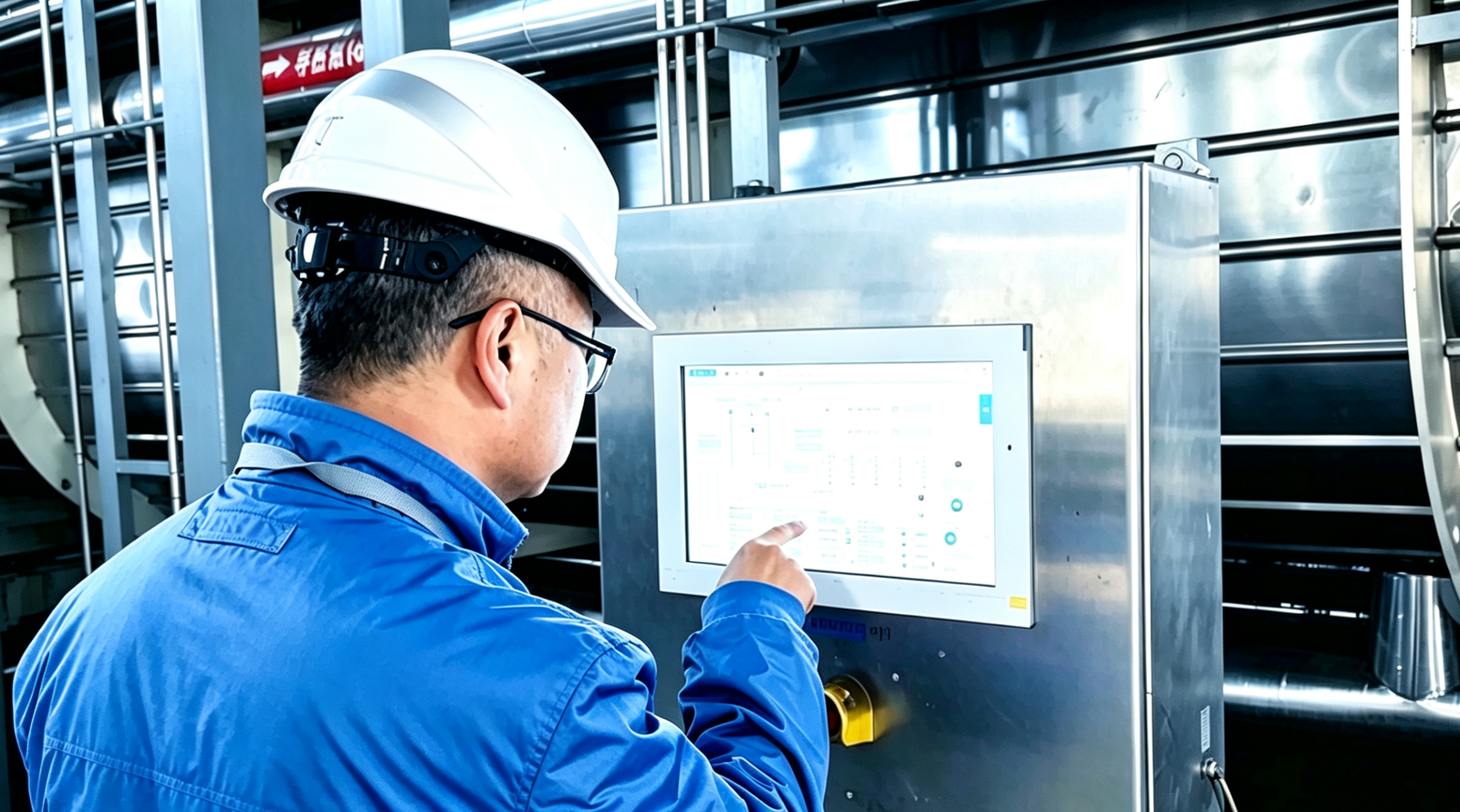
Product Temperature Limits
Constraint: Heat-sensitive materials degrade at high temperatures.
Design Response: Indirect heat transfer with precise heating-medium flow/temp control.
Benefit: Allows the design to be matched safely to the material’s allowable temperature.
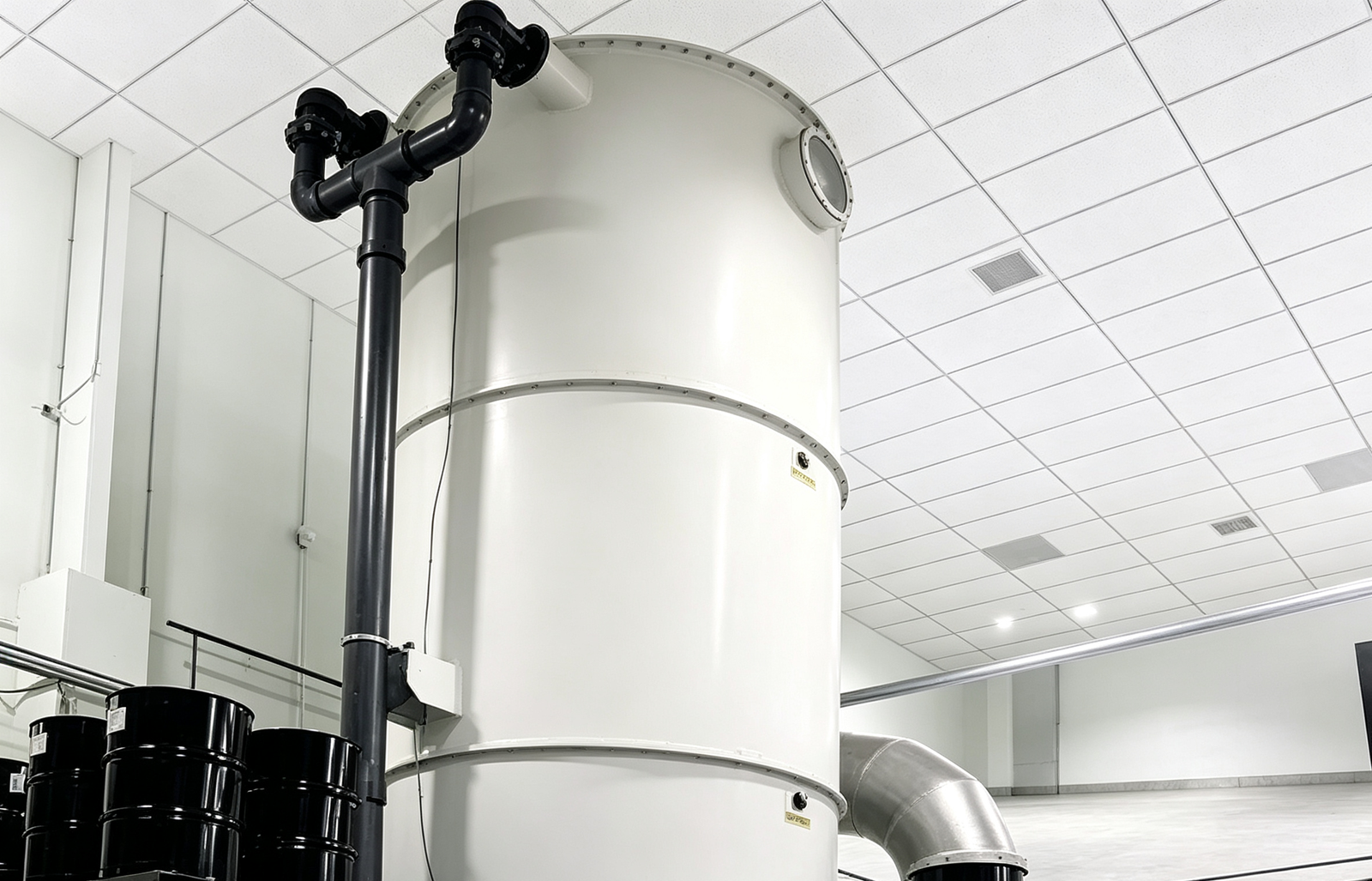
Odor, Dust and Vapor
Constraint: Environmental regulations require strict emission control.
Design Response: Fully enclosed dryer vessel and project-specific vapor routing.
Benefit: Helps contain and route process vapor to downstream treatment efficiently.
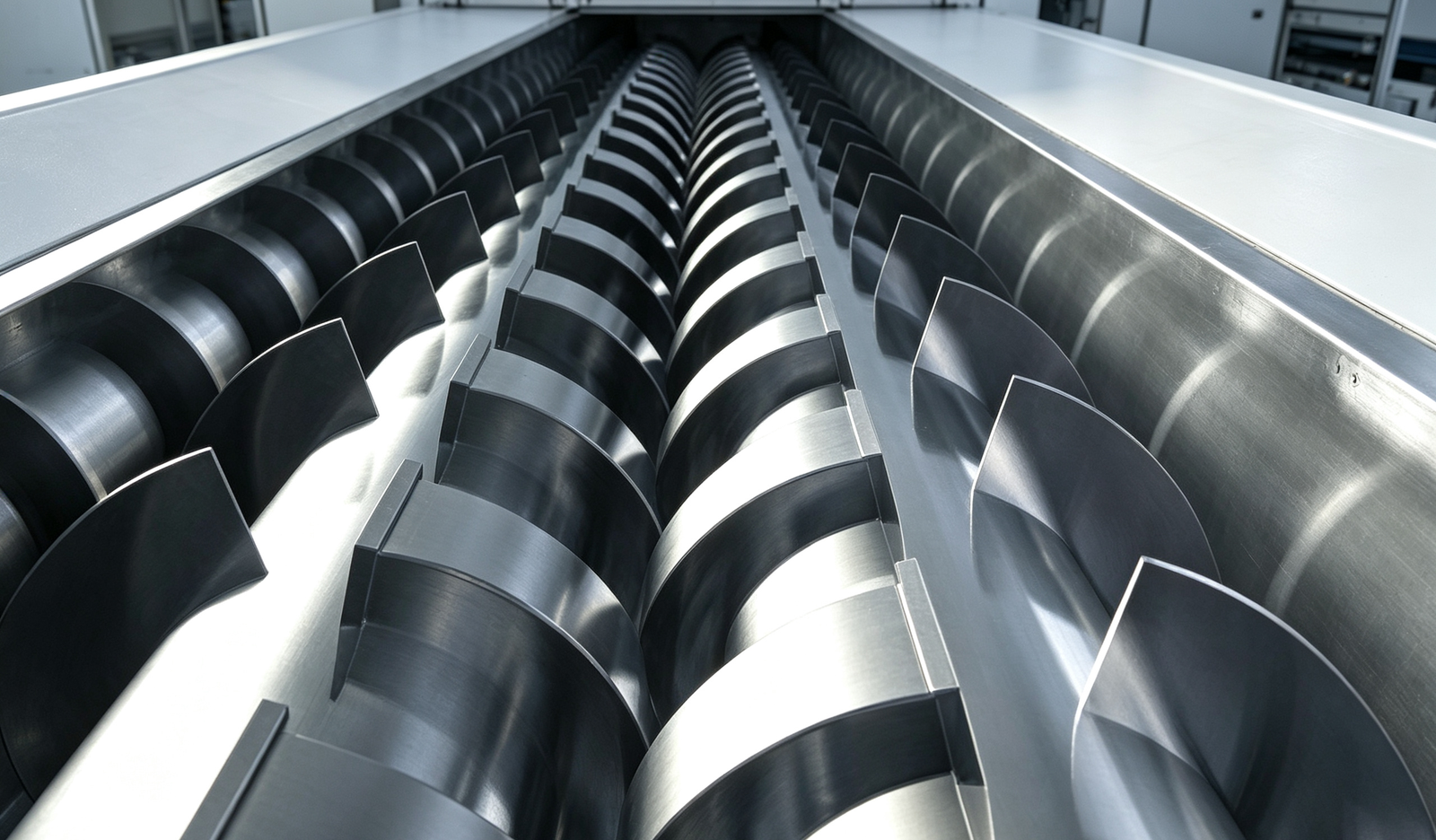
Corrosion or Abrasion
Constraint: Chemical composition or hard particles damage equipment.
Design Response: Selection of specific alloys, surface treatments, and wear protection.
Benefit: Extends operational life based on pH, chlorides, and solids characteristics.
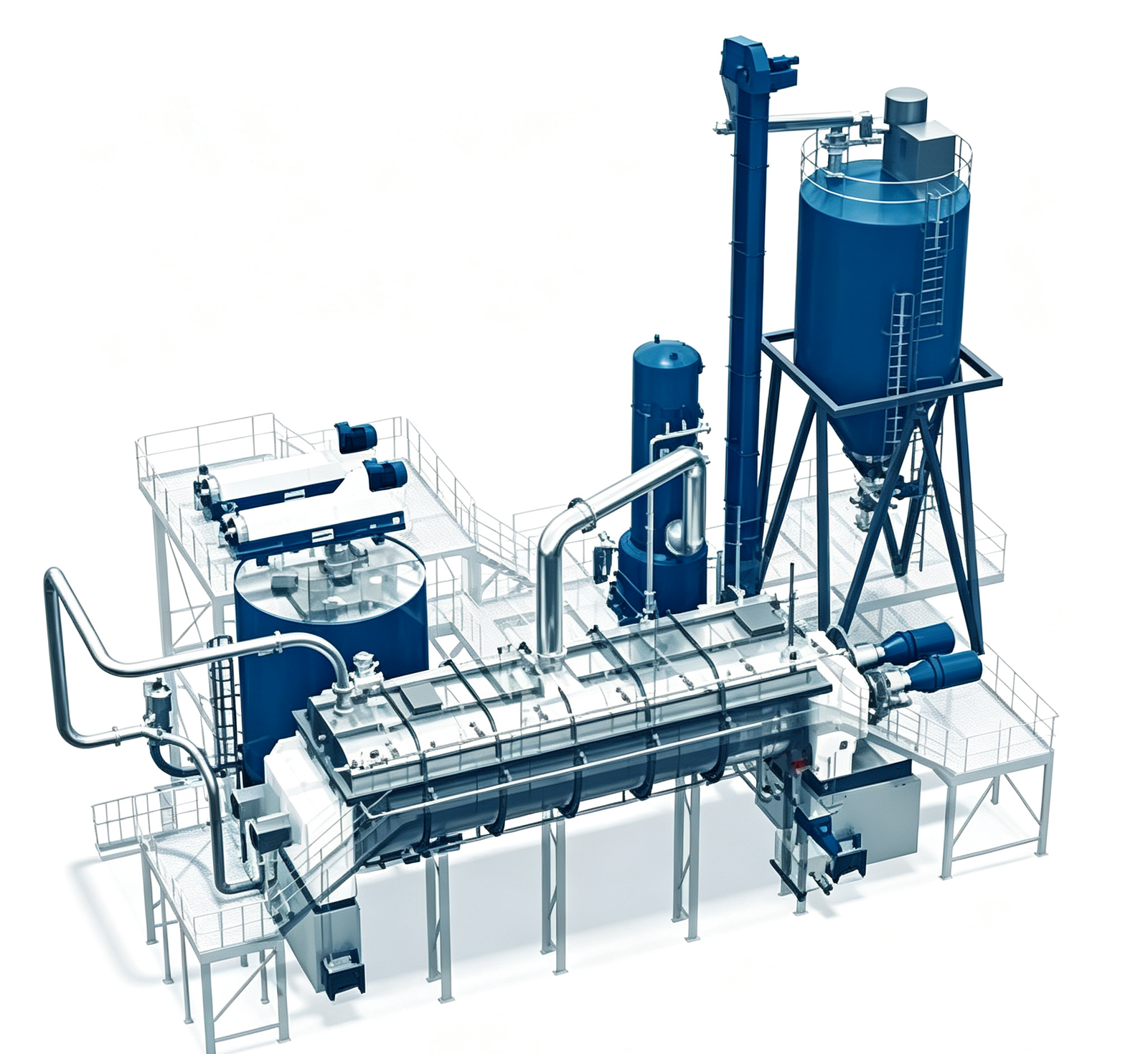
Difficult Site Integration
Constraint: Existing plant has limited space or specific interface points.
Design Response: Customized general arrangement (GA) considering elevation and access.
Benefit: Ensures smooth connection with upstream feeding and downstream utilities.
Paddle Dryer Configurations
JEXDRY engineers these configurations based on material requirements
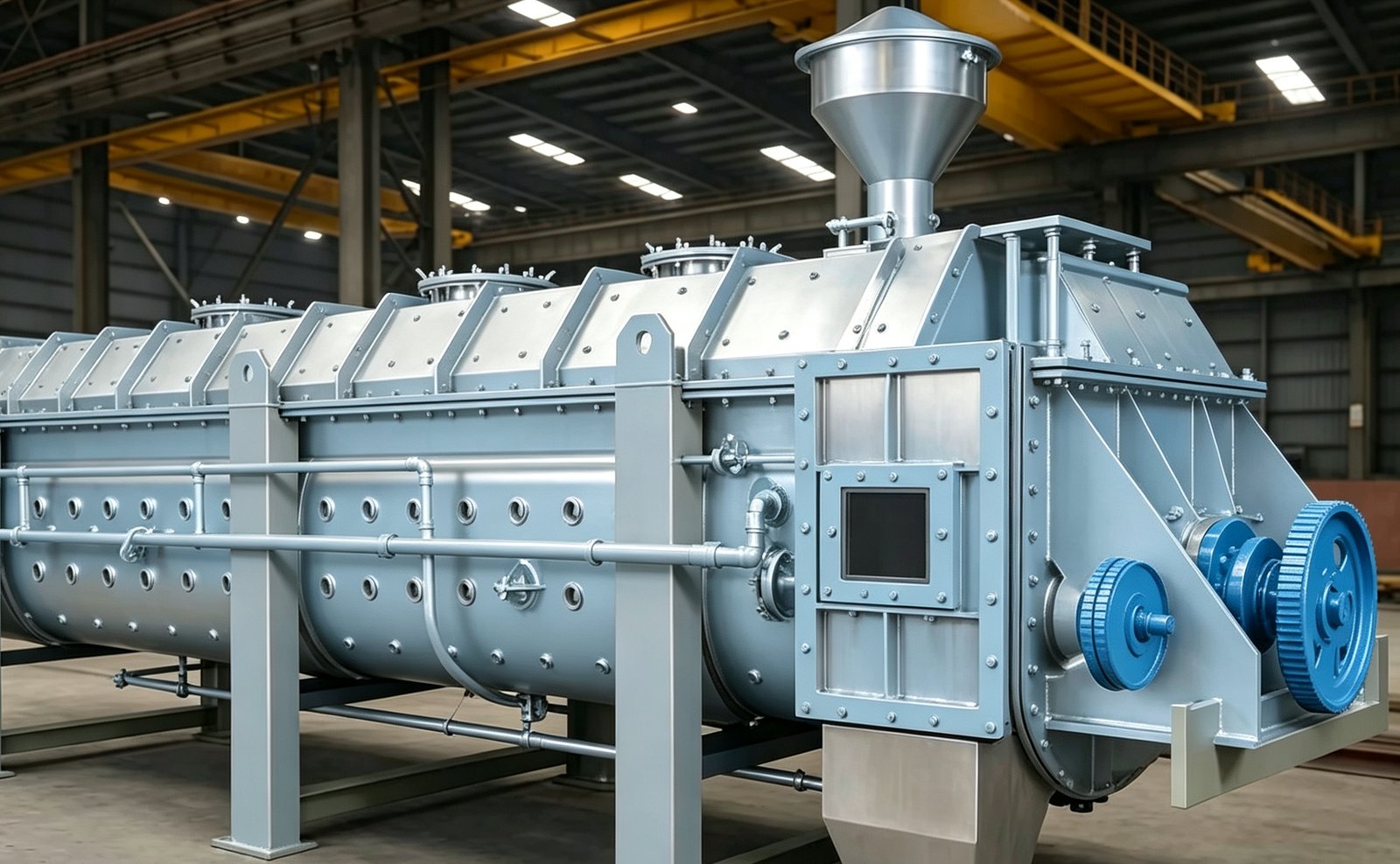
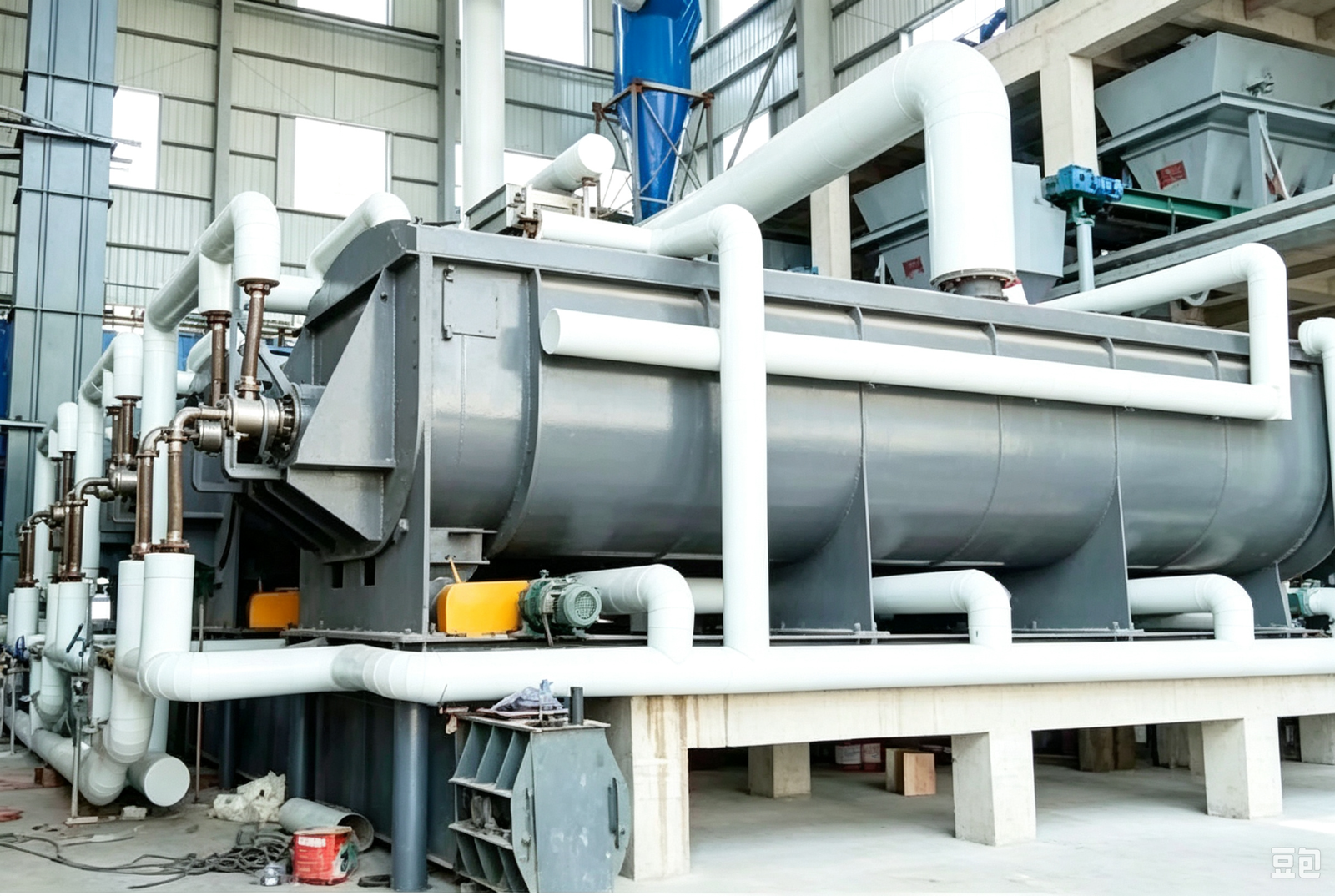
Continuous Hollow Paddle Dryer
Best suited for: Continuous indirect drying of sludge, filter cakes, pastes, powders and granules when the material can tolerate mechanical agitation.
- Indirect heating mechanism
- Continuous feeding and discharge
- Project-specific heating area
- Configurable contact material
Paddle Dryer
Paddle Sludge Dryer System
Best suited for: Municipal or industrial sludge projects requiring feeding, drying, handling and exhaust treatment as one integrated system.
- Wet sludge storage & metered feeding
- Dust separation & condensation
- Odor treatment & scrubbing
- Centralized PLC and interlocks
Final scope confirmed in the proposal.
Explore the Sludge Drying System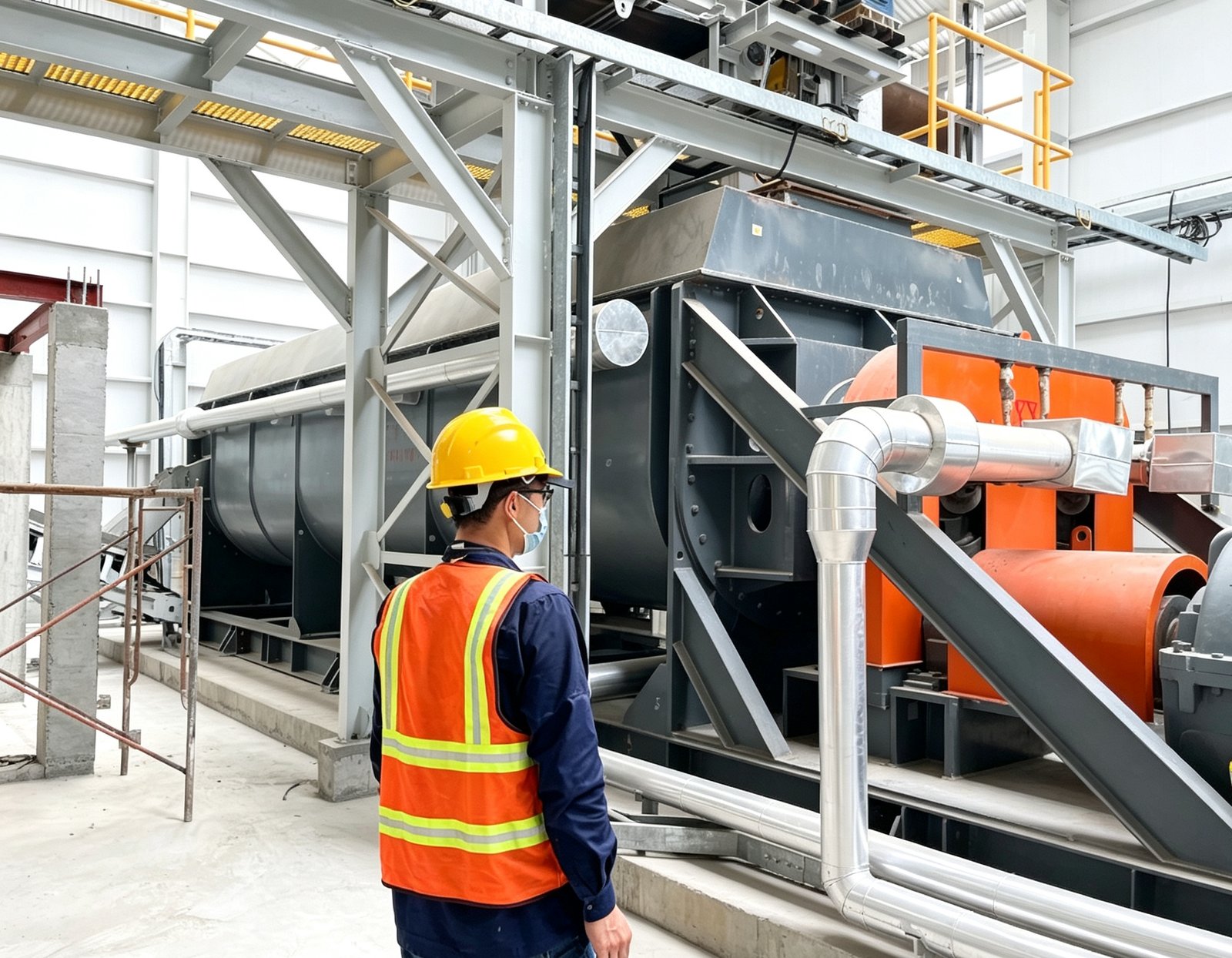
Vacuum Paddle Dryer
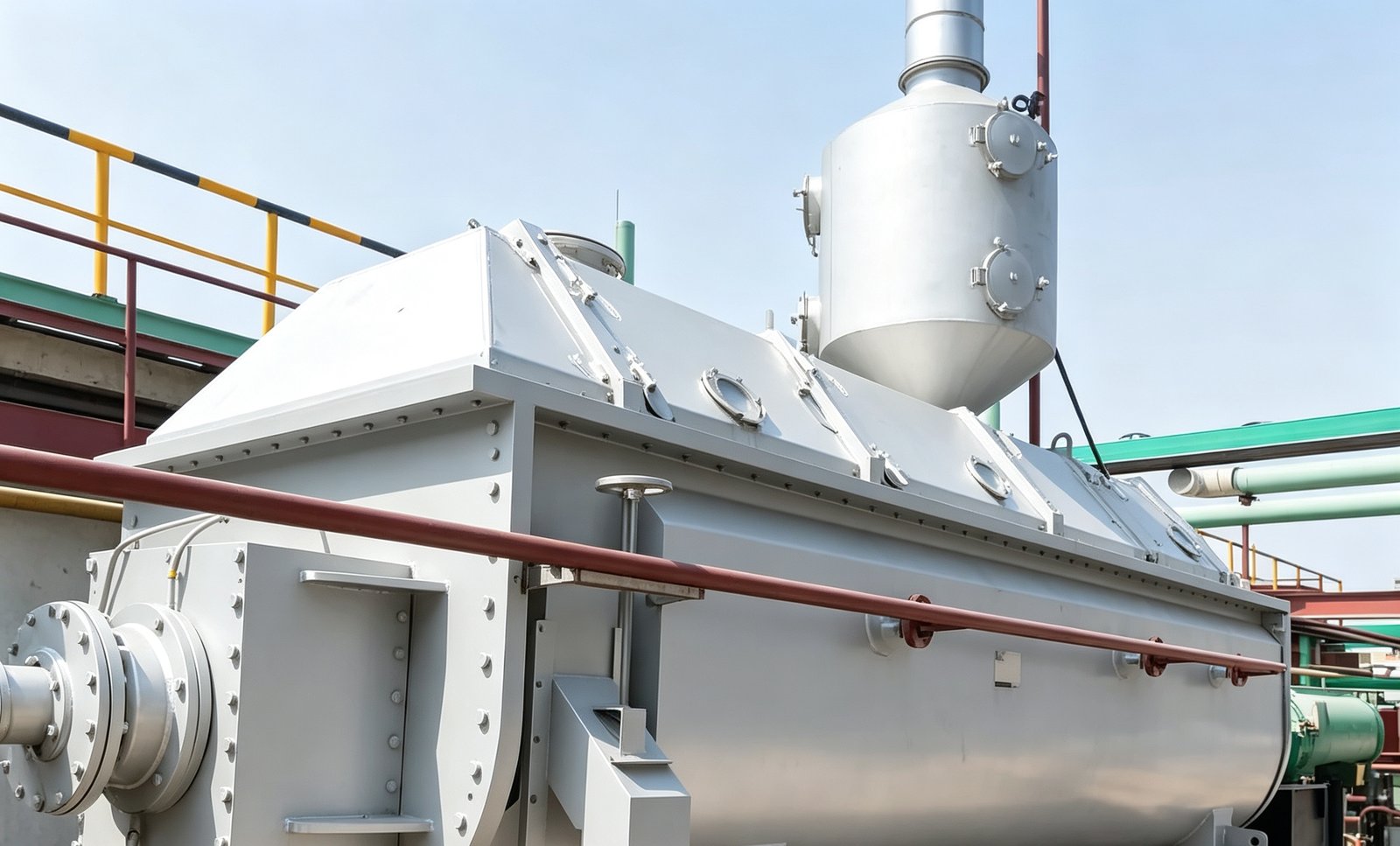
Best suited for: Heat-sensitive or solvent-bearing materials when reduced-pressure drying is required.
A vacuum paddle dryer requires a different vessel, sealing, vacuum and vapor-recovery design. It is engineered as a separate product, not as a standard feature of every paddle dryer.
View Vacuum Paddle DryersMaterials and Industries
Material compatibility and dryer configuration must be confirmed from moisture, stickiness, bulk density, particle behavior, corrosiveness, temperature sensitivity and product-quality requirements.
Environmental & Sludge
- Municipal wastewater sludge
- Industrial wastewater sludge
- Biosludge
- Paper sludge
- Filter-press cake
Chemical
- Pigments & Dyes
- Polymers
- Catalysts
- Salts
- Resins
- Chemical intermediates
Food & Pharma
- Starch & Yeast
- Protein ingredients
- Food-process by-products
- Pharmaceutical intermediates
- Biotech filter cakes
- Temperature-sensitive solids
Advanced Materials
- Lithium battery materials
- Metal hydroxides
- Mineral concentrates
- Fine inorganic solids
Project-Specific Design Parameters
Paddle dryer capacity cannot be selected from wet feed rate alone. The required size depends mainly on the hourly evaporation load, material heat-transfer behavior, allowable temperature, residence time and heating-medium conditions.
| Design Parameter | How JEXDRY Determines It | Required from Buyer |
|---|---|---|
| Wet feed rate & Operating hours | Used to calculate total daily capacity | ✓ Required input |
| Initial & Target moisture | Calculates water evaporation load | ✓ Required input |
| Feed form, Density, Particle size | Used to select the feeding method and evaluate agitation torque and drive requirements. |
✓ Required input |
| Max allowable product temp | Limits heating medium selection & temp | ✓ Required input |
| Available heating medium (Temp/Press) | Drives the heat transfer calculation | ✓ Required input |
| Dryer heating area | Calculated after evaluation | - |
| Shaft speed and installed drive | Confirmed in technical proposal | - |
| Material of construction (MOC) | Selected based on corrosion/abrasion data | ✓ Required input (pH, chlorides) |
| Vapor and exhaust handling | Confirmed in technical proposal | ✓ Site emission limits |
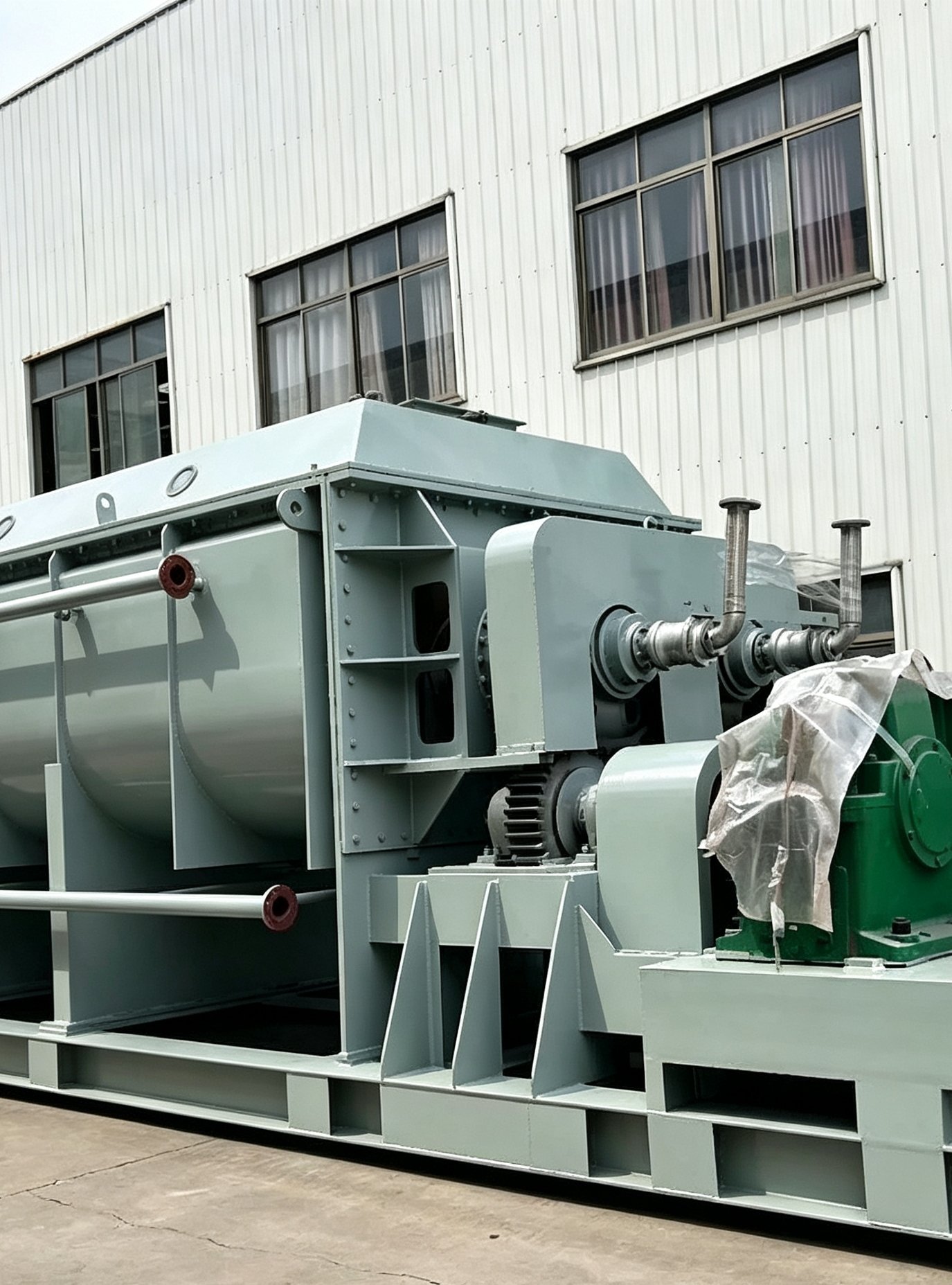
Choosing the Heating Medium
The heating medium should be selected from the material temperature limit, evaporation duty, available utilities, control requirement and lifecycle operating cost. Thermal oil and steam are more commonly used.
Steam
Reason for selection: High latent heat; often considered when stable plant steam is already available.
Site requirement: Boiler capacity, pressure regulation.
Design consideration: Must account for available pressure, condensate return and rotary-joint specifications.
Thermal Oil
Reason for selection: Can achieve high temperatures at low operating pressures.
Site requirement: Centralized thermal-fluid heater loop.
Design consideration: Fluid temperature, pump arrangement, expansion system and fluid degradation over time.
Hot Water
Reason for selection: Suitable for lower-temperature duties and highly heat-sensitive materials.
Site requirement: High-volume water heating loop.
Design consideration: Available inlet temperature, flow rate, and temperature difference affect the required heating area.
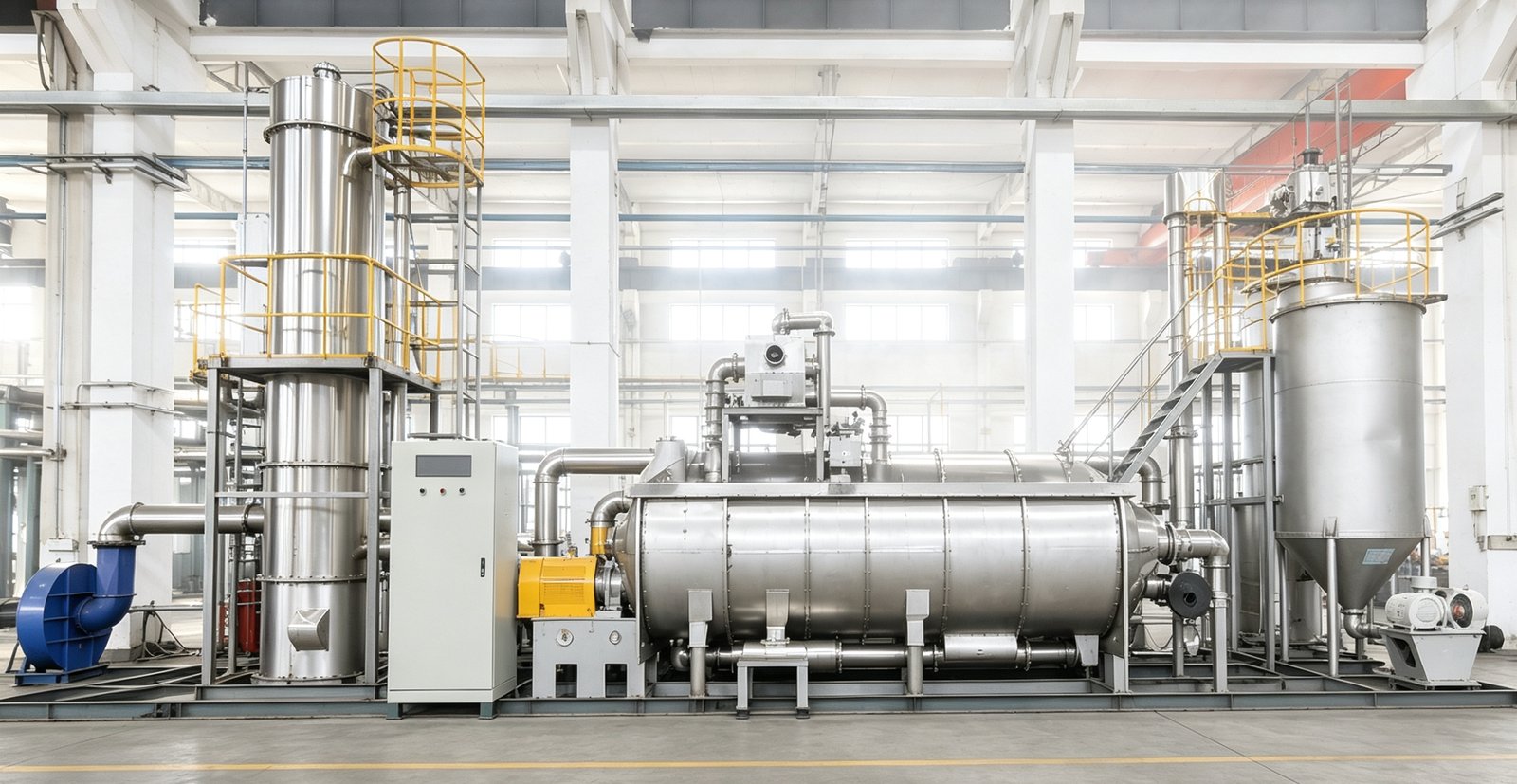
Complete Paddle Dryer System
Vapor flow, dust loading, odor, VOCs, condensate and wastewater must be evaluated for each material. Final system scope is engineered to project requirements.
Material Path
Wet Storage → Metered Feeding → Paddle Dryer → Dry Product Discharge / Cooling → Conveying
Vapor Path
Dryer Outlet → Dust Separation → Condenser/Scrubber → Odor Treatment → Exhaust
Heating Path
Steam/Oil Supply → Jacket & Hollow Shafts/Paddles → Condensate/Return Line
Control Layer
PLC → Feed Control → Drive → Temp/Press Monitoring → Vapor Interlocks
How JEXDRY Selects a Paddle Dryer
Information Required for Design
- Material name and composition (SDS when applicable)
- Wet feed rate and operating hours
- Initial moisture and normal variation
- Required outlet moisture
- Feed temperature and allowable product temperature
- Bulk density, particle size, viscosity and stickiness
- Solvent, odor, dust, corrosion or abrasion concerns
- Available steam, thermal oil, hot water and electrical supply
- Available installation space and maintenance clearance
- Upstream feeding and downstream product-handling interfaces
- Required control, documentation, testing and site-service scope
5-Step Engineering Process
Material Evaluation
Material Testing
When needed for sticky, variable or heat-sensitive feeds.
Heat and Mass Balance
Equipment and System Selection
Technical Proposal
Interface confirmation and FAT scope.
Paddle Dryer vs. Rotary Dryer
Comparing indirect agitation with direct convective drying.
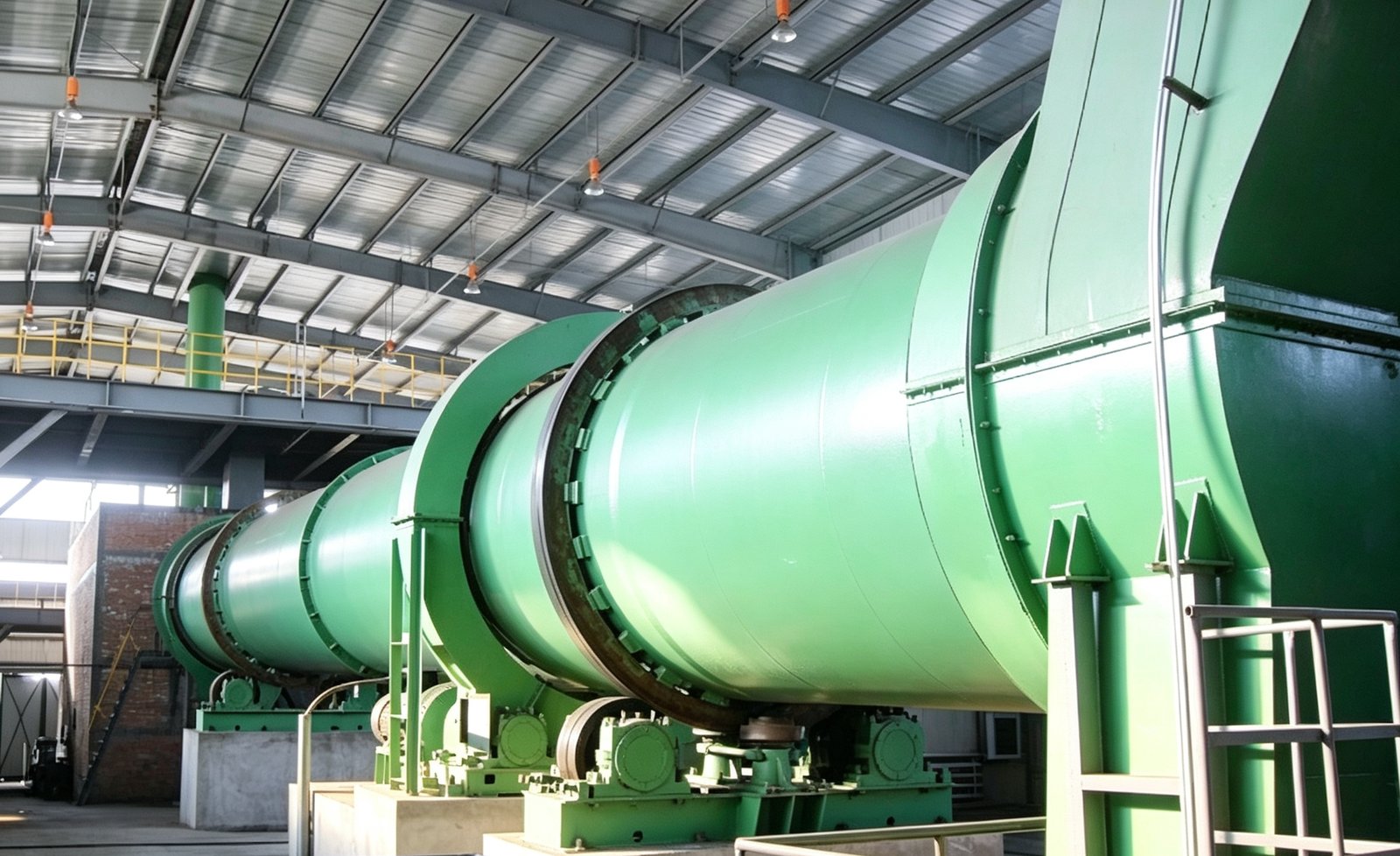
| Feature | Paddle Dryer | Rotary Dryer |
|---|---|---|
| Heat-transfer method | Indirect contact via metal surfaces | Direct contact with hot gas |
| Typical feed form | Sludge, paste, filter cake, fine powder | Free-flowing granules, coarse solids, biomass |
| Ability to handle sticky material | High (due to mechanical agitation/shearing) | Low to Moderate (requires special internal flights) |
| Exhaust-gas volume | Very low (mostly evaporated vapor) | Very high (carrier gas + vapor) |
| Typical footprint | Compact (high heat transfer area per volume) | Large (requires long drum for residence time) |
Conclusion: A paddle dryer is generally evaluated for sticky, pasty or sludge-like feeds requiring continuous indirect heating and enclosed vapor handling. A rotary dryer is generally evaluated for free-flowing granules, minerals, biomass and other bulk solids that can be dried by direct contact with a larger hot-gas stream. The final choice depends on the feed and process conditions.
Proven Project Cases
Review how JEXDRY engineers specific thermal boundaries, handles high-viscosity materials, and integrates solvent recovery systems for real-world industrial facilities.
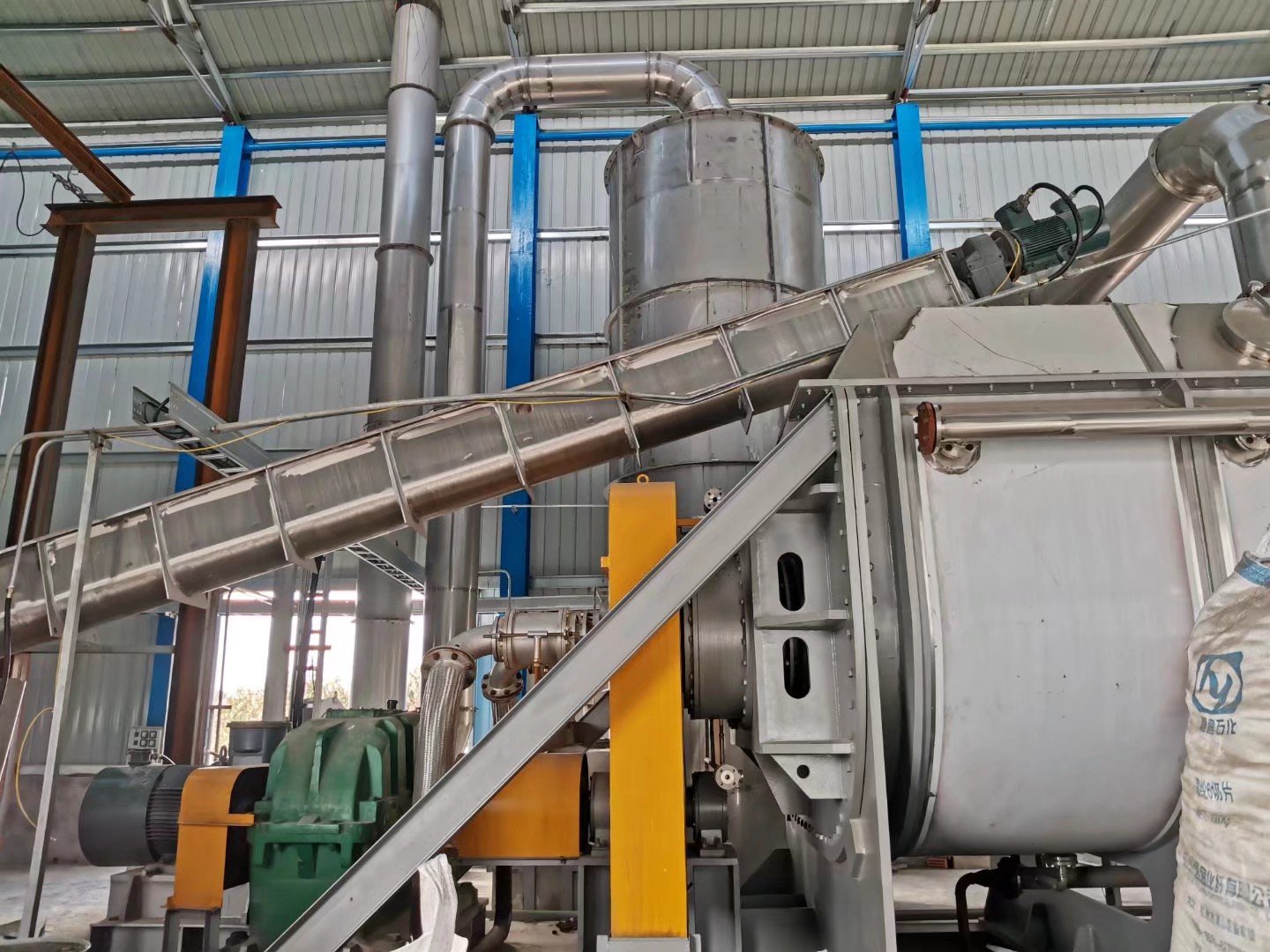
Heat-Sensitive Resin Drying (Ulsan, South Korea)
- Constraint: Strict ≤80°C heat tolerance to prevent irreversible resin degradation.
- System Specs: Precision low-temperature indirect dryer with closed-loop solvent recycling.
- Outcome: Maintained exact thermal parameters, achieving zero material loss while recovering costly solvents.
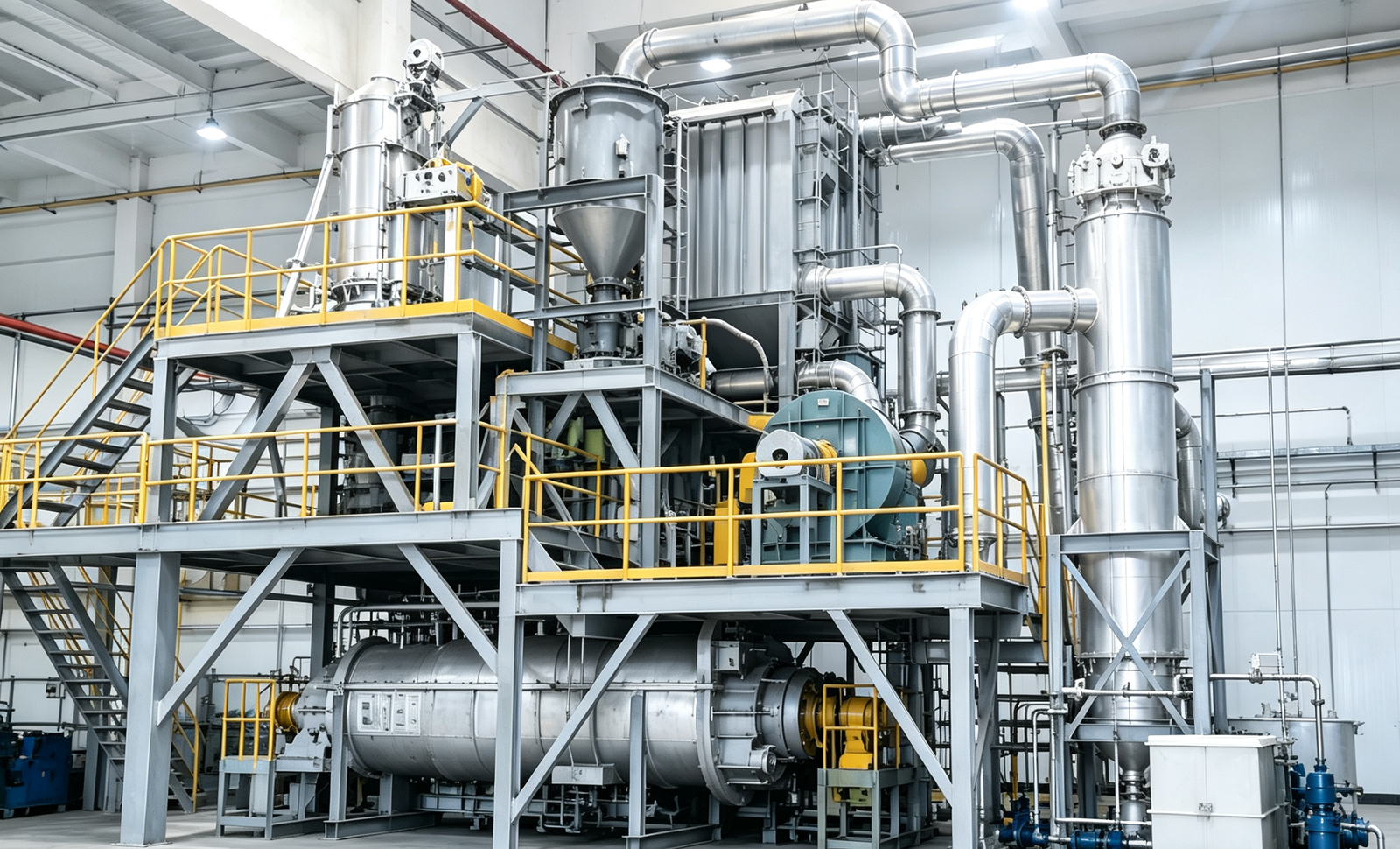
50T/Day Sludge to EPA Class A (Chicago, USA)
- Input Condition: 50 wet tons daily of highly viscous municipal sludge (25% initial solids) handled in sub-zero winter environments.
- JEXDRY Configuration: Custom indirect drying system featuring an integrated steam-lock and 18% thermal recycling module.
- Result: Sustains a 70°C pathogen kill zone to output EPA Class A biosolids, cutting winter heating costs and eliminating odor emissions.
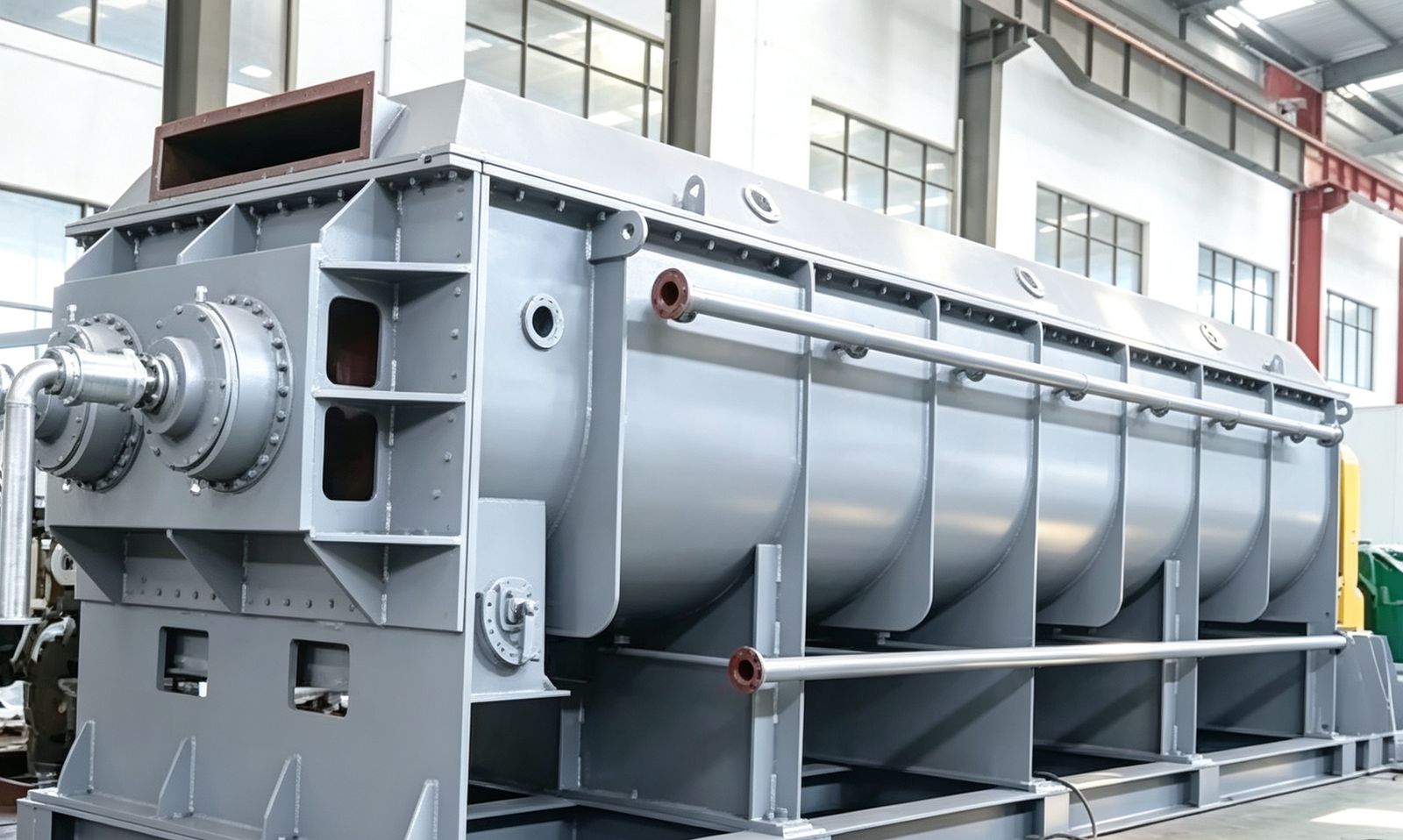
Nutritional Protein Powder Drying (Japan)
- Challenge: Dehydrating bulk protein powder without denaturing its molecular structure or altering flavor demands exact atmospheric control.
- System Specs: Tailored food-grade paddle dryer with independent temperature zones & continuous humidity monitoring.
- Compliance: Gentle moisture removal preserves 100% nutritional integrity, passing stringent local food safety audits.
From Material Evaluation to Factory Acceptance Testing
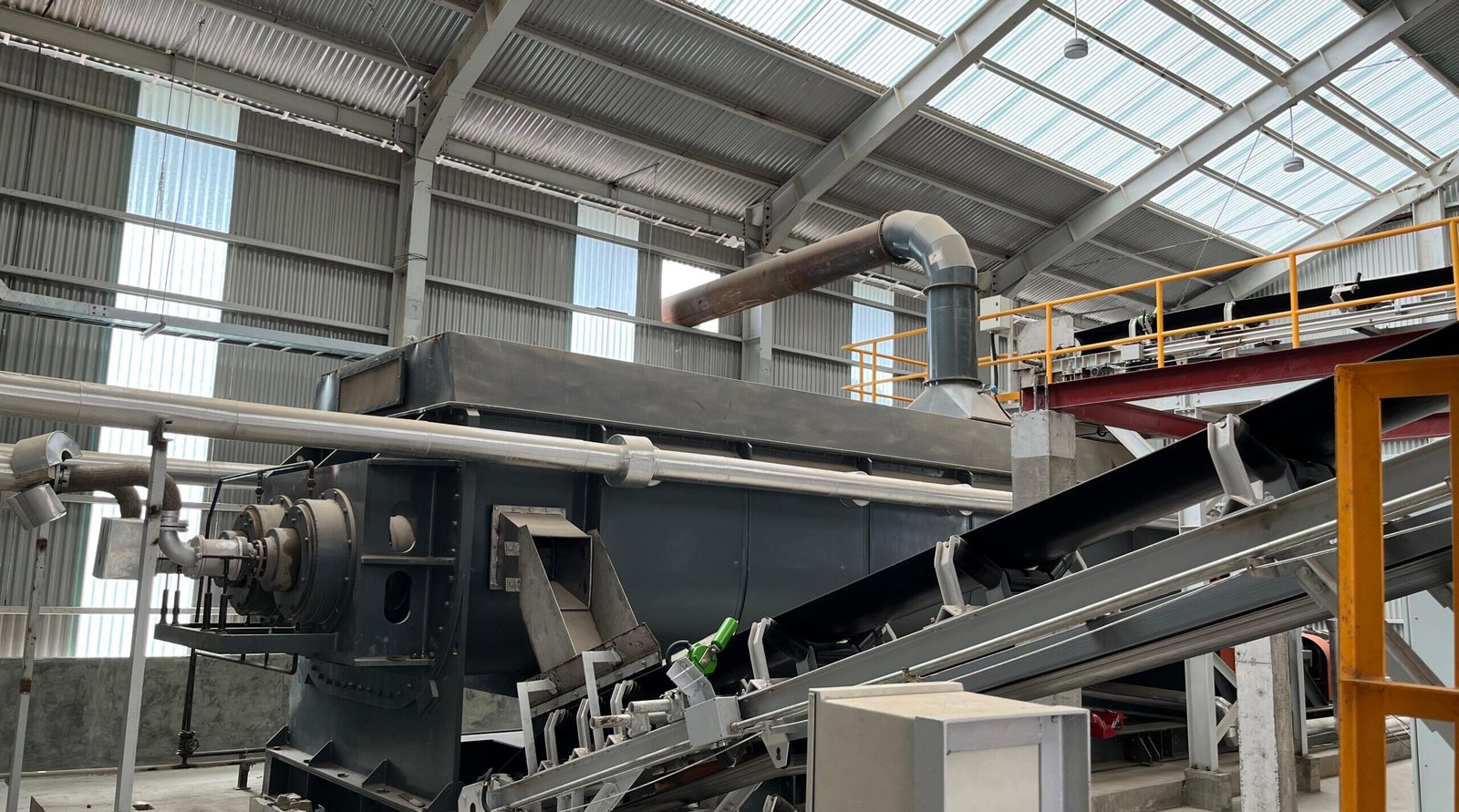
To eliminate integration risks, JEXDRY aligns mechanical and control designs directly with your site constraints. Following your review of complete 3D and P&ID layouts, we execute a rigorous Factory Acceptance Test (FAT) under simulated loads to verify performance, ensuring seamless commissioning upon arrival.
- Direct engineer involvement
- Equipment & control checks
- FAT records
- Complete English technical docs & drawings
- On-site installation supervision & commissioning
- Operator training & performance verification
- Continuous remote & spare parts support
Note: The inspection plan and FAT scope are agreed in the technical proposal. Not every test is included in every project by default.
Frequently Asked Questions
What is a paddle dryer?
Is a paddle dryer a direct or indirect dryer?
Can a paddle dryer handle sticky sludge or filter cake?
How is a paddle dryer sized?
How is vapor from a paddle dryer treated?
What information does JEXDRY need to prepare a proposal?
Discuss Your Material Before Selecting a Dryer
Send JEXDRY your material data, required throughput, moisture conditions, available heat source and site constraints. Our engineers will evaluate whether a paddle dryer is suitable and identify the information needed for a preliminary equipment and system proposal.
Direct Contact
zar@jexdry.com
+86 137 7501 3369
Jiaoxi Industrial Zone, Zhenglu Town, Tianning District,
Changzhou, Jiangsu Province, China