Atmospheric Continuous Plate Dryer
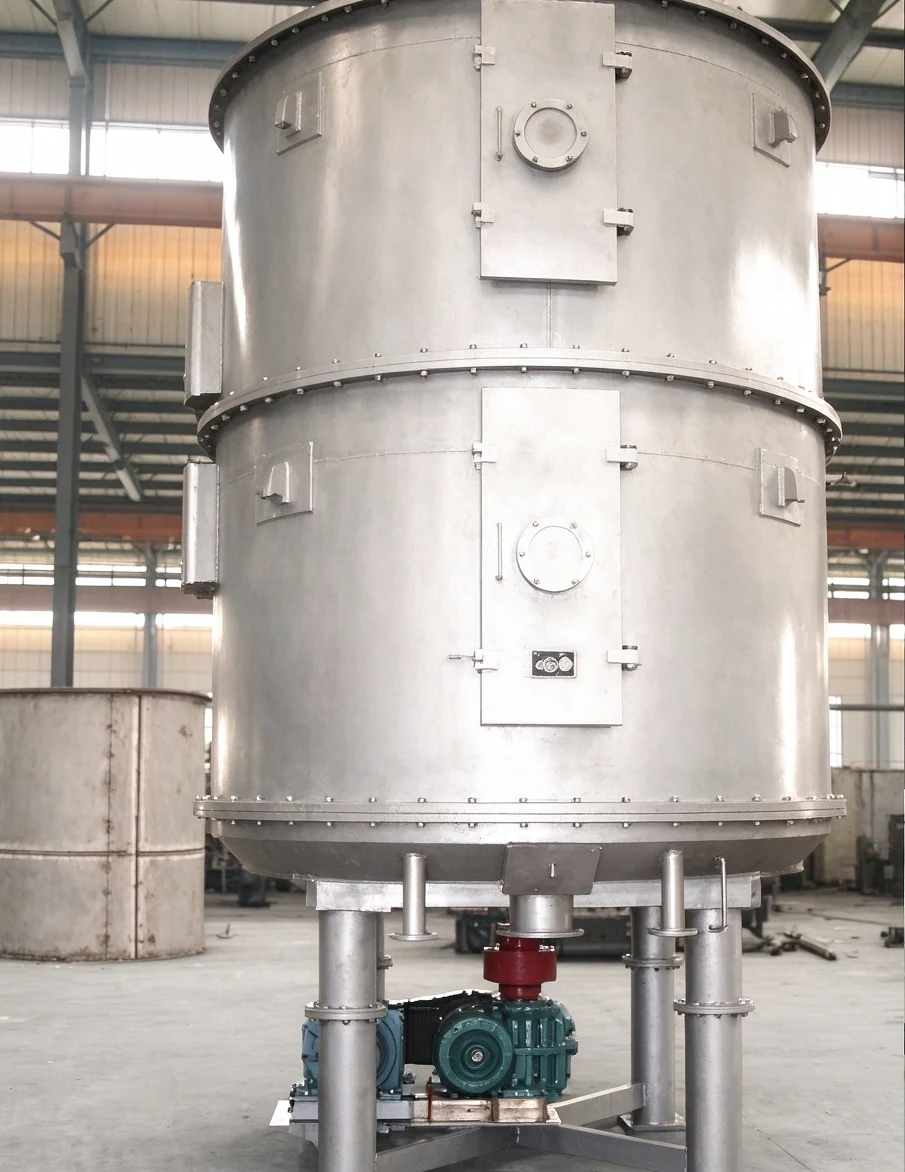
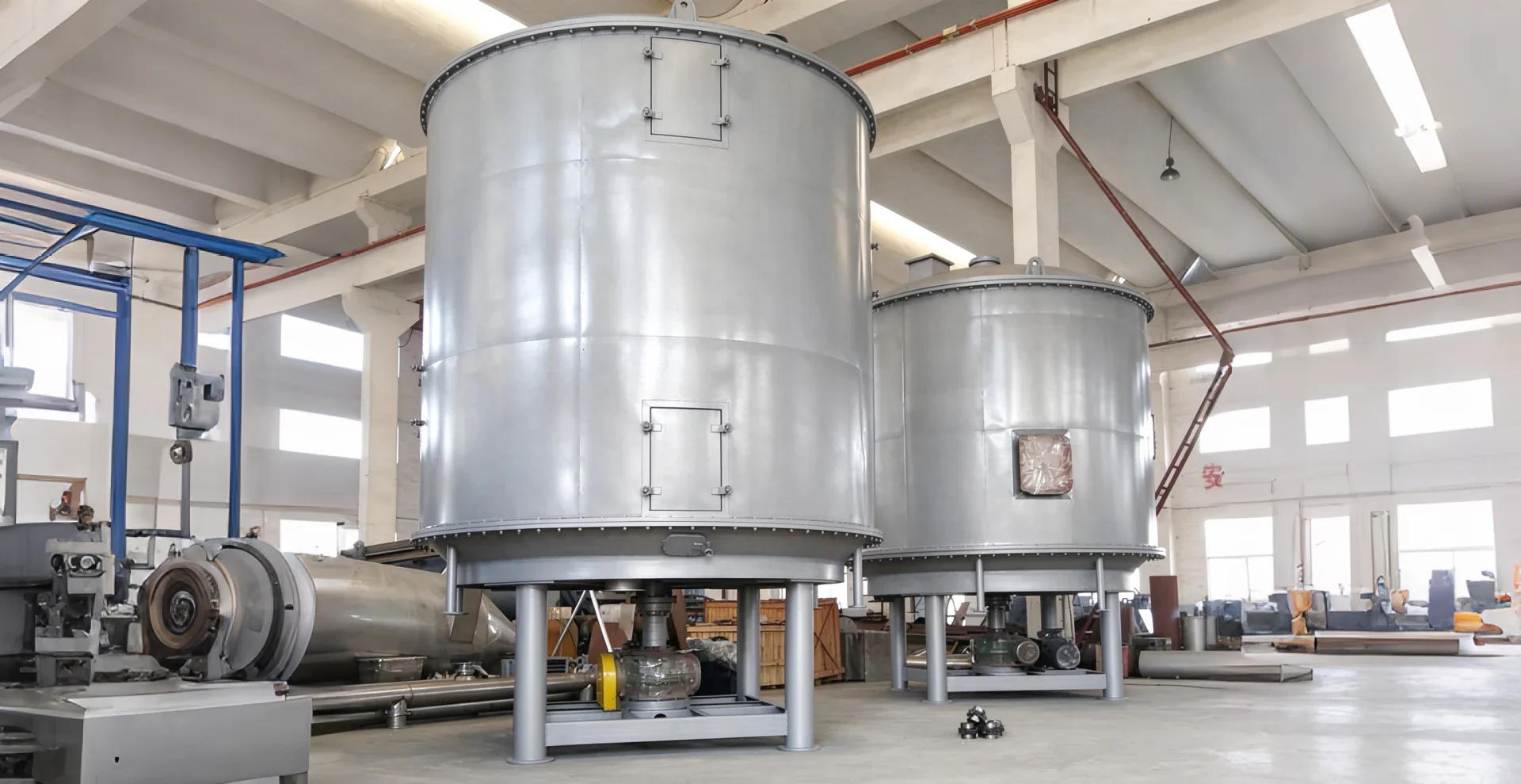
Operates at atmospheric pressure and removes vapor through the upper outlet. Start here for a water-based feed that spreads readily across the plates and can be dried without a closed vapor circuit.

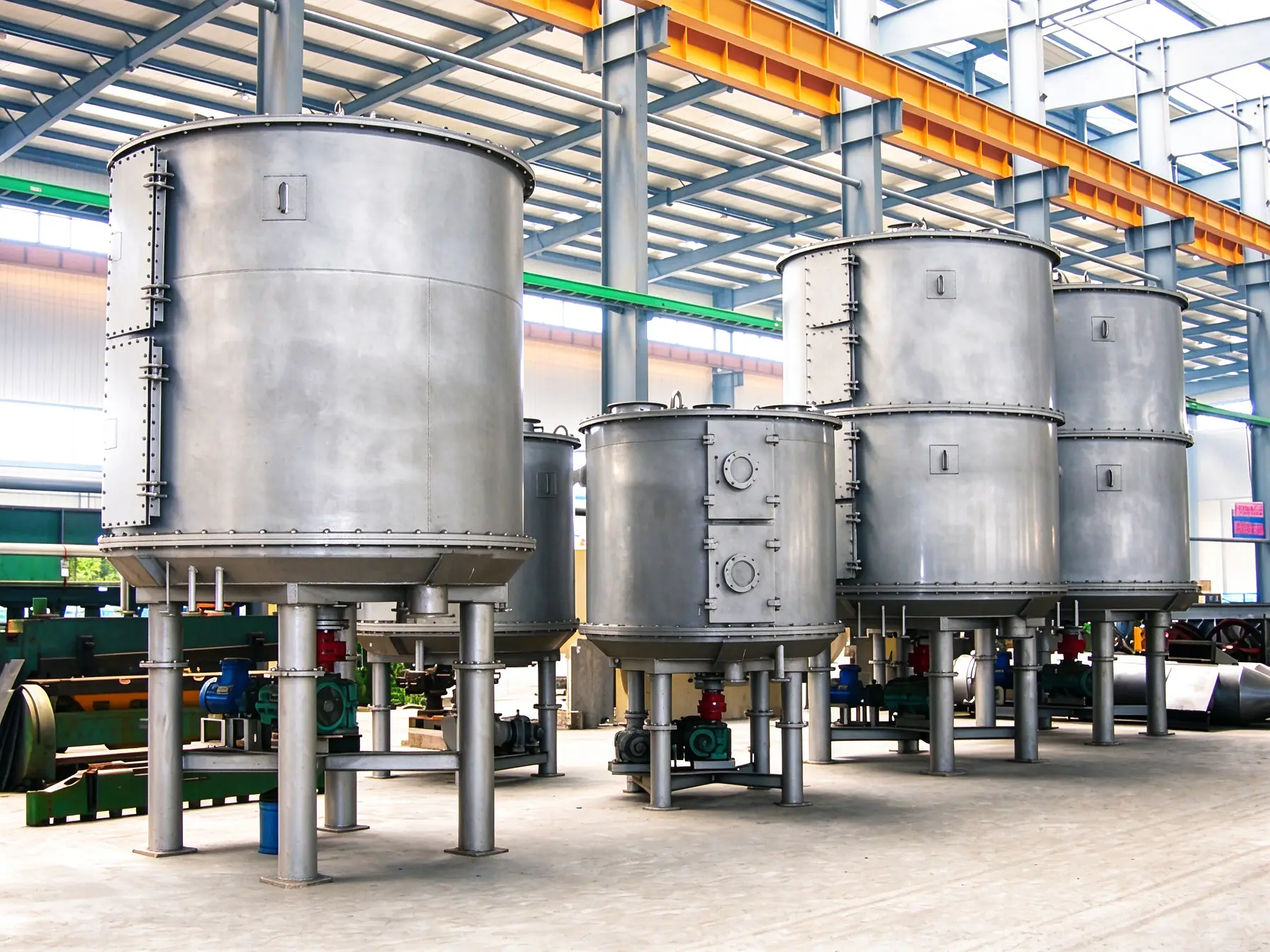
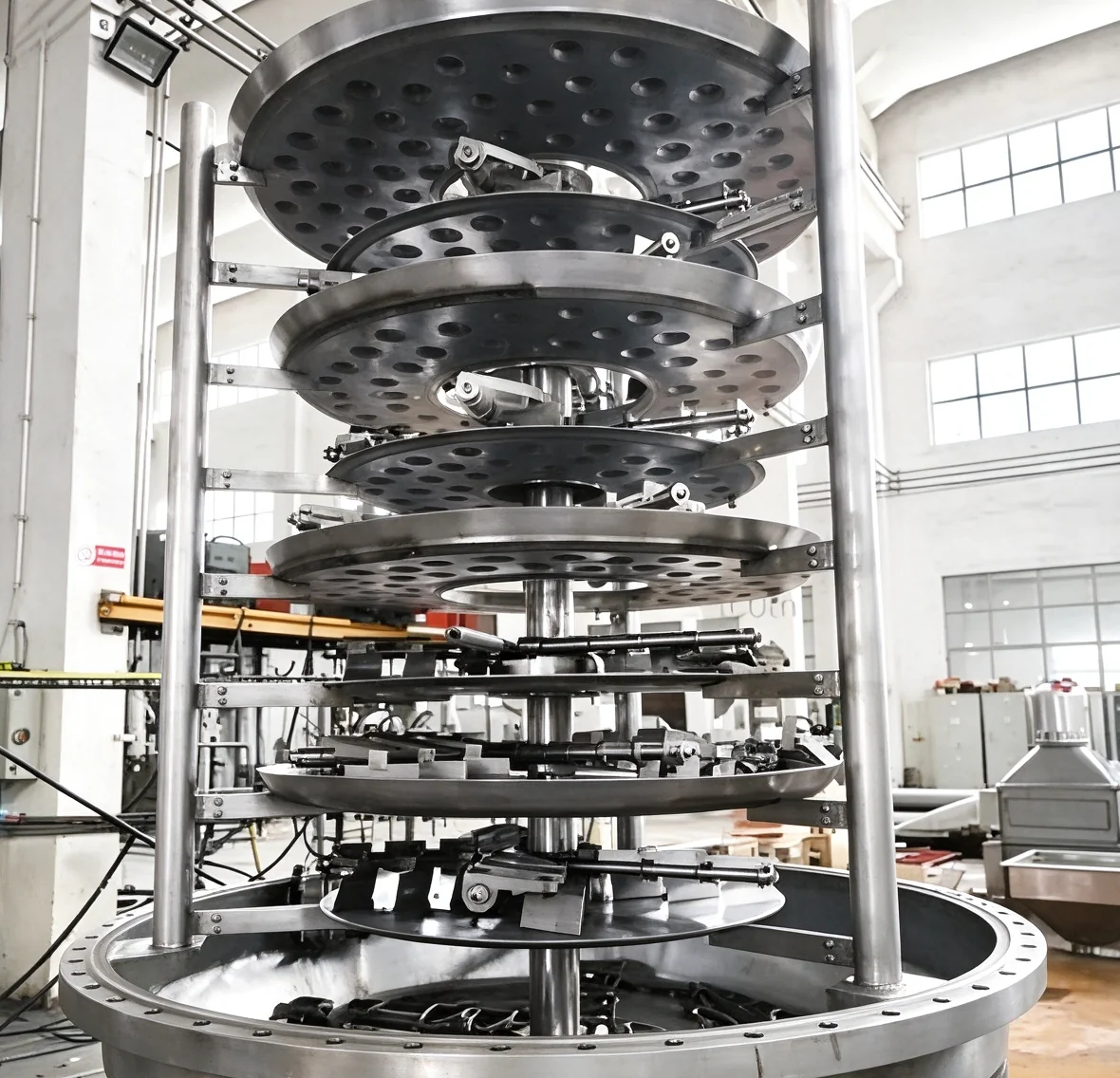
JEXDRY manufactures PLG vertical plate dryers for continuous contact drying of powders and granules that can spread and move across heated plates. Rotating rakes carry the material through a vertical stack of stationary plates. Atmospheric, closed and vacuum configurations accommodate different temperature and vapor-handling requirements.
All three configurations use the same vertical plate-and-rake design. The main differences are operating pressure and how the system handles the vapor released during drying.
Operates at atmospheric pressure and removes vapor through the upper outlet. Start here for a water-based feed that spreads readily across the plates and can be dried without a closed vapor circuit.
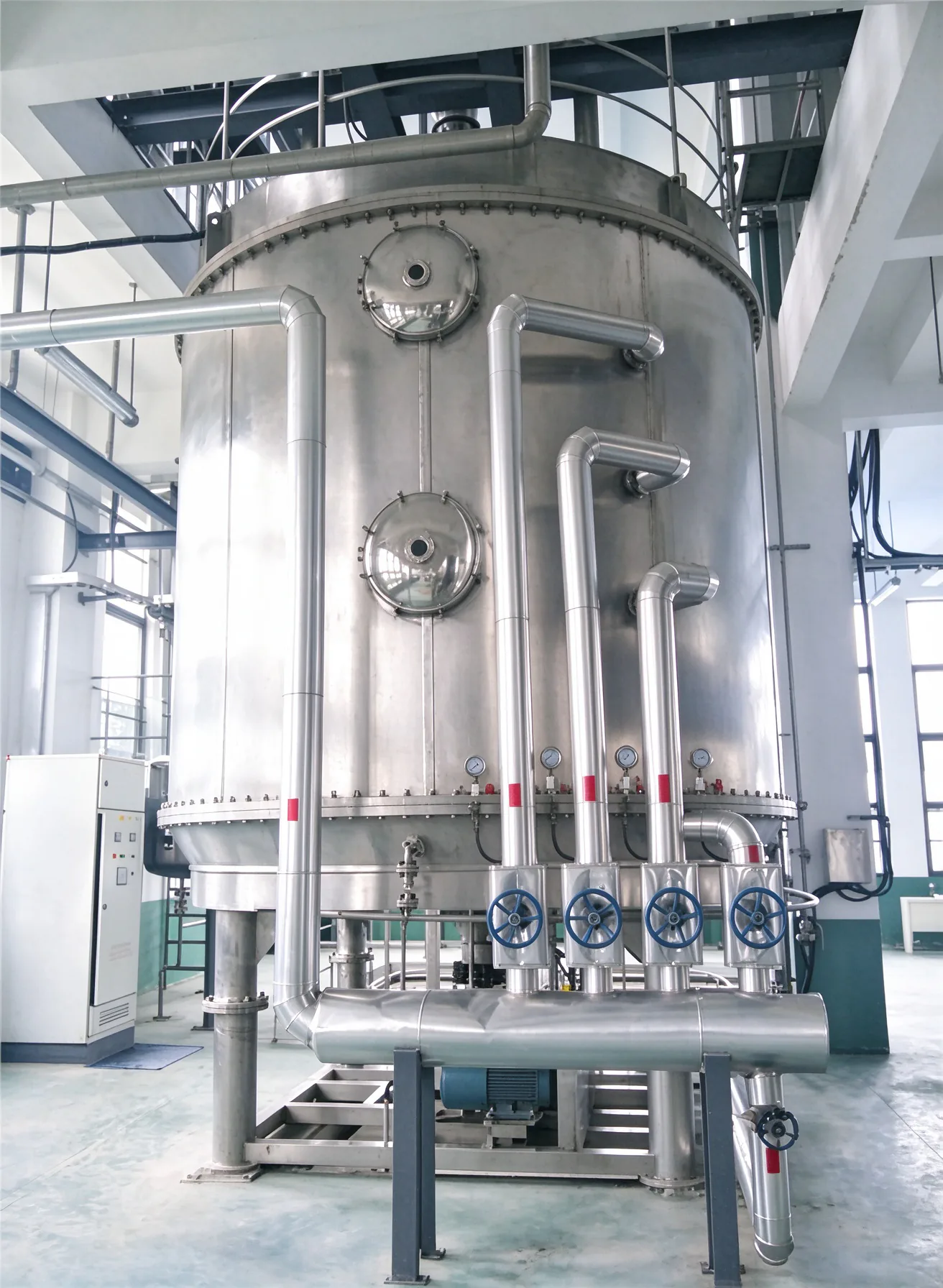
Uses an enclosed vapor path. A condenser and receiver can be included when the process calls for solvent recovery. Vapor load, solvent properties and recovery requirements determine the auxiliary equipment.
Operates under reduced pressure so liquid can evaporate at a lower temperature. Evaluate this configuration when atmospheric drying would expose the product to more heat than it can tolerate. The required pressure and vapor load guide vacuum-system selection.
Four PLG size families provide a starting point for comparing drying area and installation space. The models below show how outside diameter, overall height and plate area vary across the range.
| Reference model | Drying area (m²) | Number of plates | Outside diameter (mm) | Overall height (mm) | Listed power (kW) |
|---|---|---|---|---|---|
| PLG 1200/8 | 6.6 | 8 | 1,850 | 3,448 | 1.5 |
| PLG 1500/10 | 13.4 | 10 | 2,100 | 3,862 | 2.2 |
| PLG 2200/16 | 49.3 | 16 | 2,900 | 5,362 | 5.5 |
| PLG 3000/20 | 120 | 20 | 3,800 | 7,650 | 15 |
| Configuration item | Available options and selection notes |
|---|---|
| Heating medium | Steam, hot water or thermal oil, selected around the required plate temperature and plant utilities |
| Product-contact construction | Carbon steel or stainless steel contact surfaces. Selected internal components can also be specified in stainless steel |
| Material movement | Adjustable main-shaft speed with rake arms and blades selected for the material |
| Vapor handling | Atmospheric exhaust, closed vapor handling with optional condensation, or vacuum extraction |
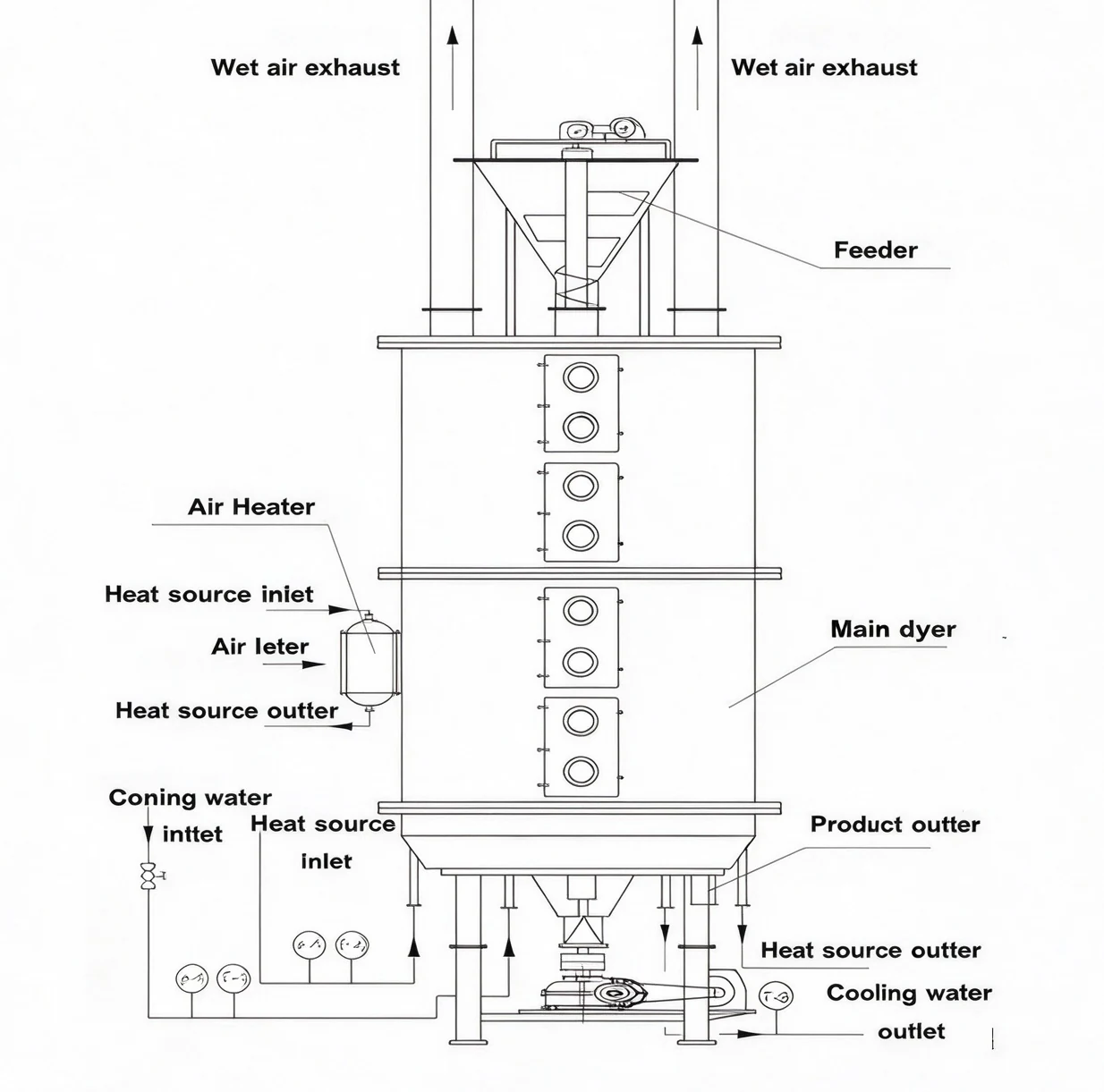
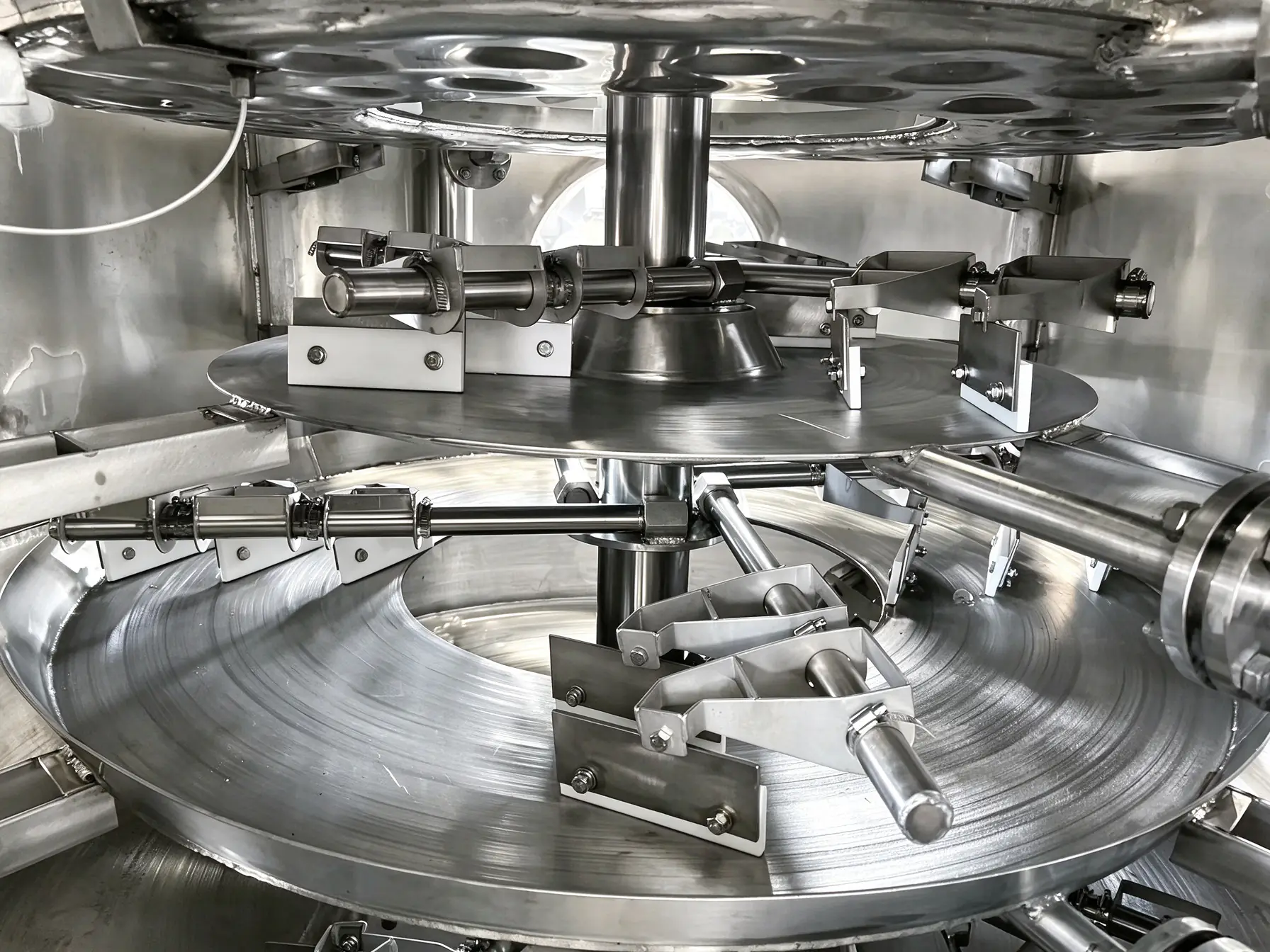
A vertical plate dryer transfers heat from stationary heated plates directly to the material. Rotating rake blades spread the feed and move it across each plate. The material falls from one level to the next and leaves through the bottom outlet.
A feeder delivers wet material onto the first drying plate.
Rakes sweep material outward on one plate and inward toward the center opening on the next.
A heating medium circulates inside the hollow plates. The vapor leaves through the upper connection or is extracted by the vacuum system, depending on the configuration.
Material leaves the last plate and is guided to the outlet for downstream handling.
A cohesive feed can build up on the plates and reduce contact with the heated surface. For sticky powders or pastes, we evaluate how the material spreads and moves under the rakes. Feed preparation or a pre-drying stage may be needed before the material enters the plate dryer.
A low product temperature limit can slow drying and increase the time required on the plates. Separately supplied plate circuits can create heating or cooling sections. Vacuum operation is another option when the process calls for a lower evaporation temperature.
The vapor outlet is part of the line design. When recovery is required, the system can include a condenser and receiver. Vapor composition, vapor load and available cooling conditions guide the selection of that equipment.
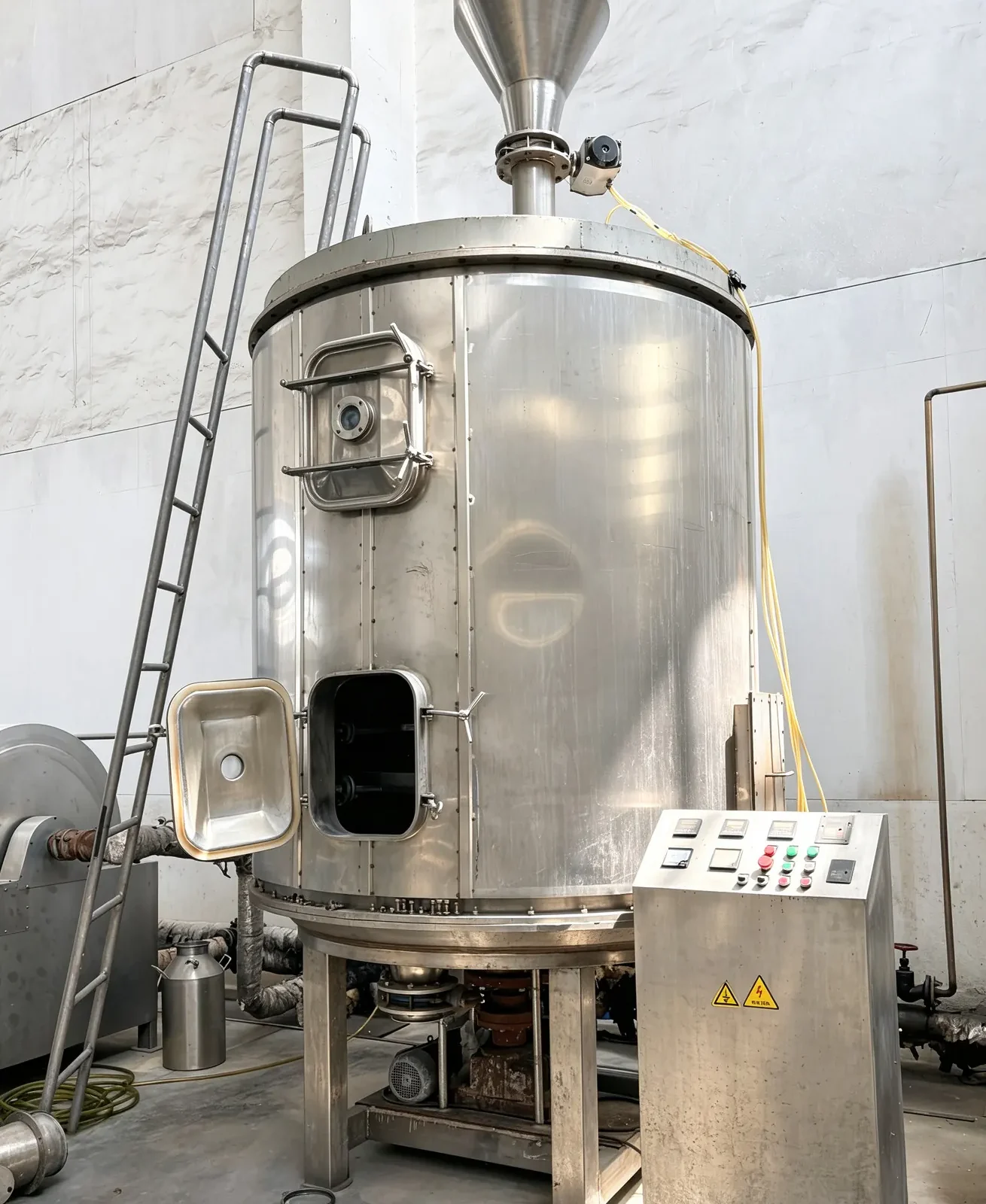
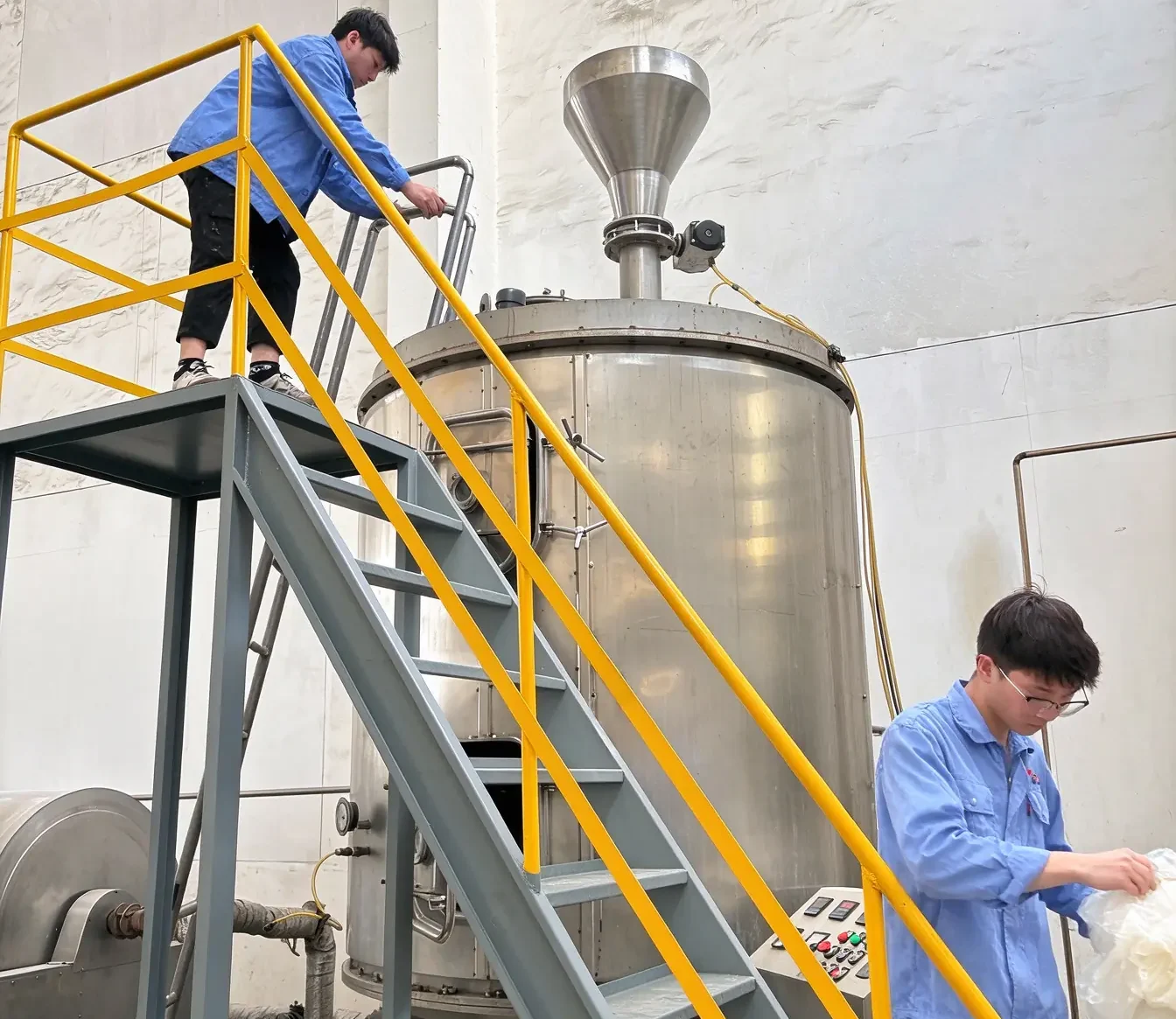
The vertical stack adds contact surface at each level. When planning the installation, allow room above the feeder, around the inspection doors and below the discharge.
Shaft speed and rake arrangement can be selected around bed depth, material flow and the time the product needs on the heated surfaces.
Inspection doors provide access to the plate stack. After the feed stops, the rake system can continue moving residual material toward the outlet.
Powders and granules that spread into a thin layer and move across the plate are natural candidates. Crystals may also be suitable when the product can tolerate rake contact. If the wet feed smears, cakes or forms hard lumps, evaluate feed preparation and compare a dryer with stronger agitation.
Start with the wet feed rate and the initial and target moisture contents on the same basis. For example, drying 500 kg/h of feed from 30% to 5% moisture on a wet basis requires removing about 132 kg/h of water, assuming the dry solids are conserved. Use that load with the material’s drying behavior and temperature limit to assess the required plate area. Check building height, feeder clearance and maintenance access before fixing the layout.
| Equipment | Visual | How it handles material | When to evaluate it |
|---|---|---|---|
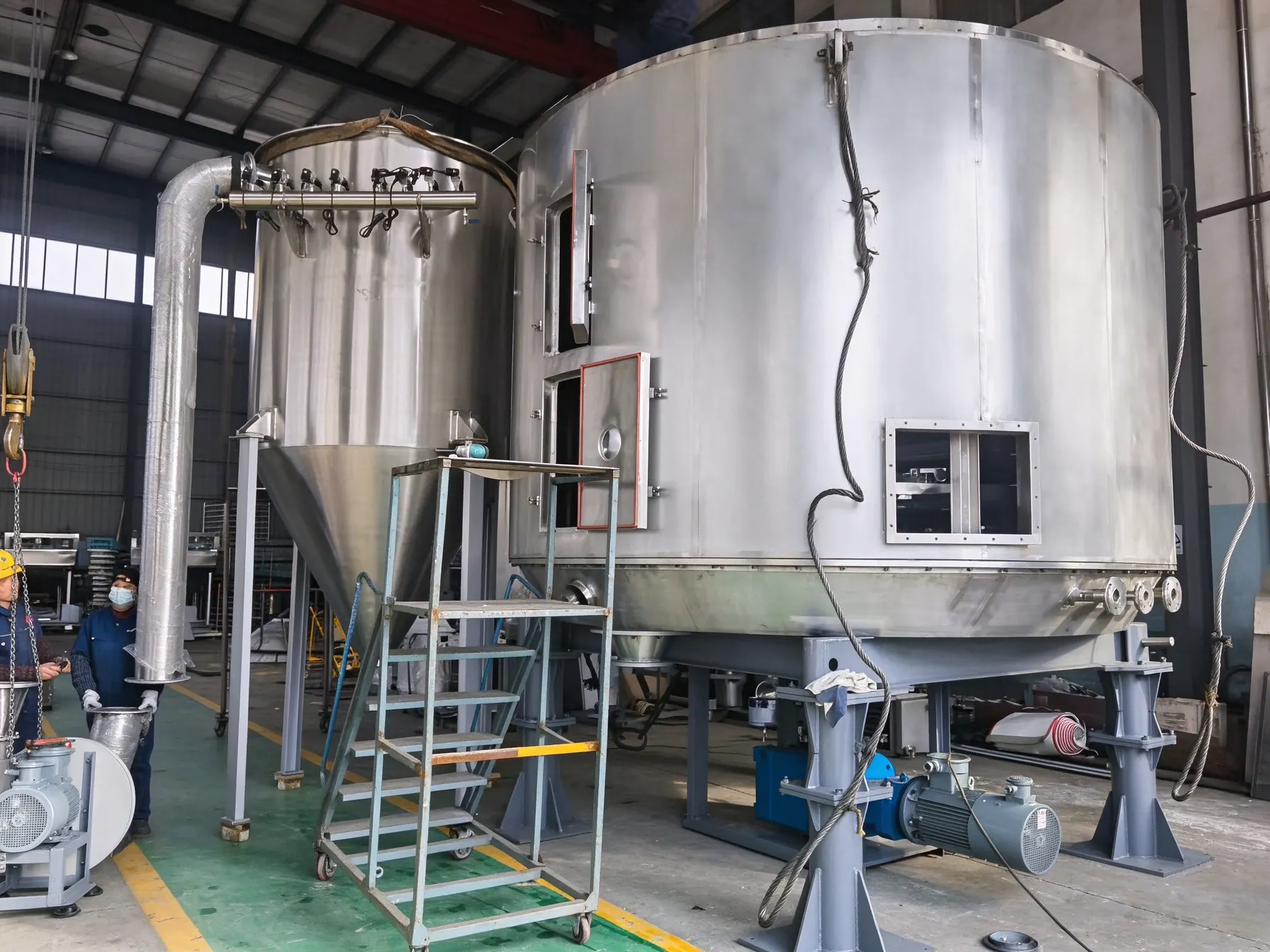
| Continuous plate dryer |
|
Rakes move material through a vertical stack of heated plates during continuous feeding and discharge | The line needs continuous operation and the feed can spread and travel across the plates |
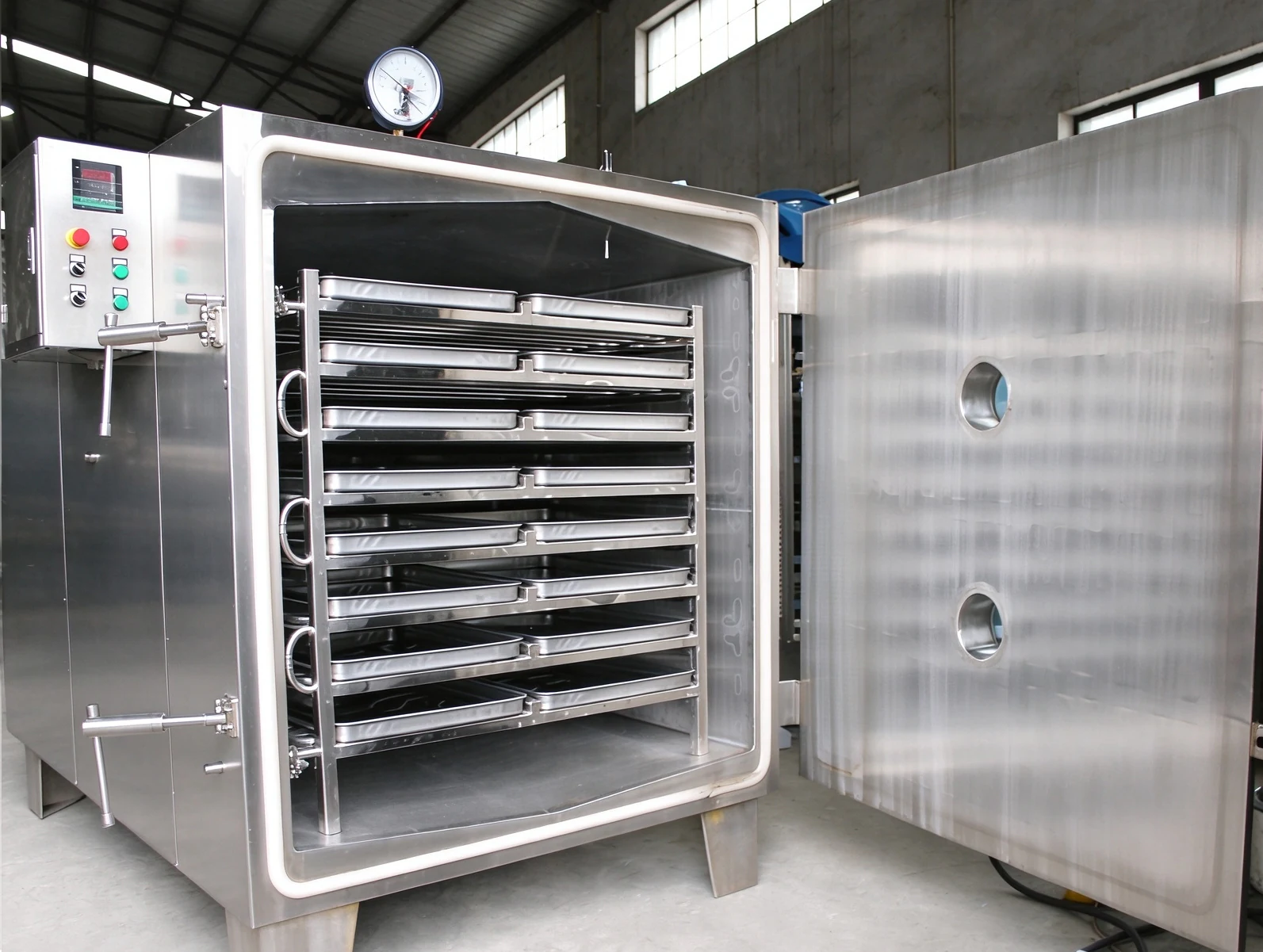
| Vacuum tray dryer |
|
Material stays still in removable trays on heated shelves during batch vacuum drying | The material benefits from static handling or production runs in batches |
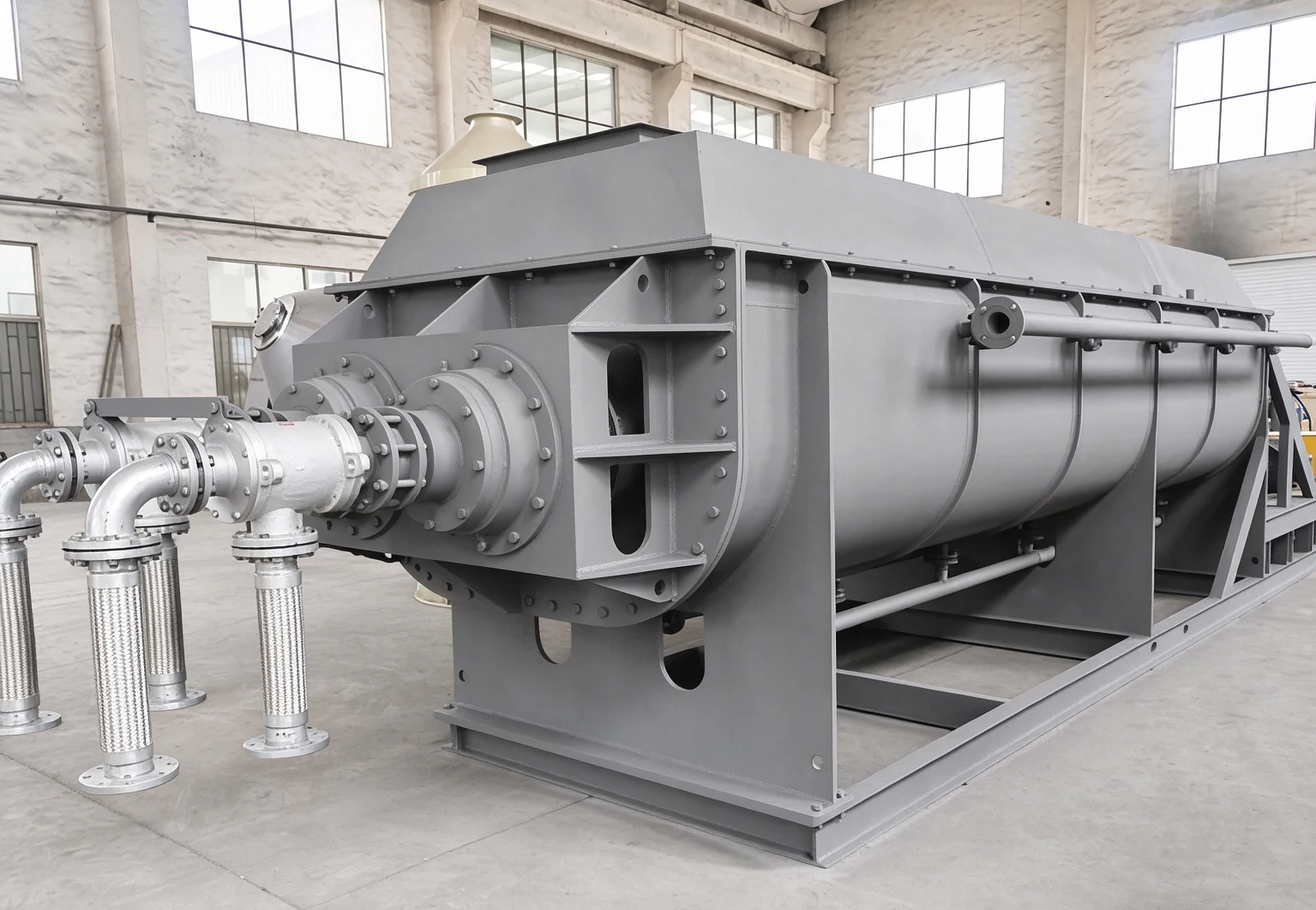
| Paddle dryer |
|
Rotating paddles mix and convey material through an indirectly heated trough | Wet filter cakes, pastes or other cohesive feeds need stronger agitation |
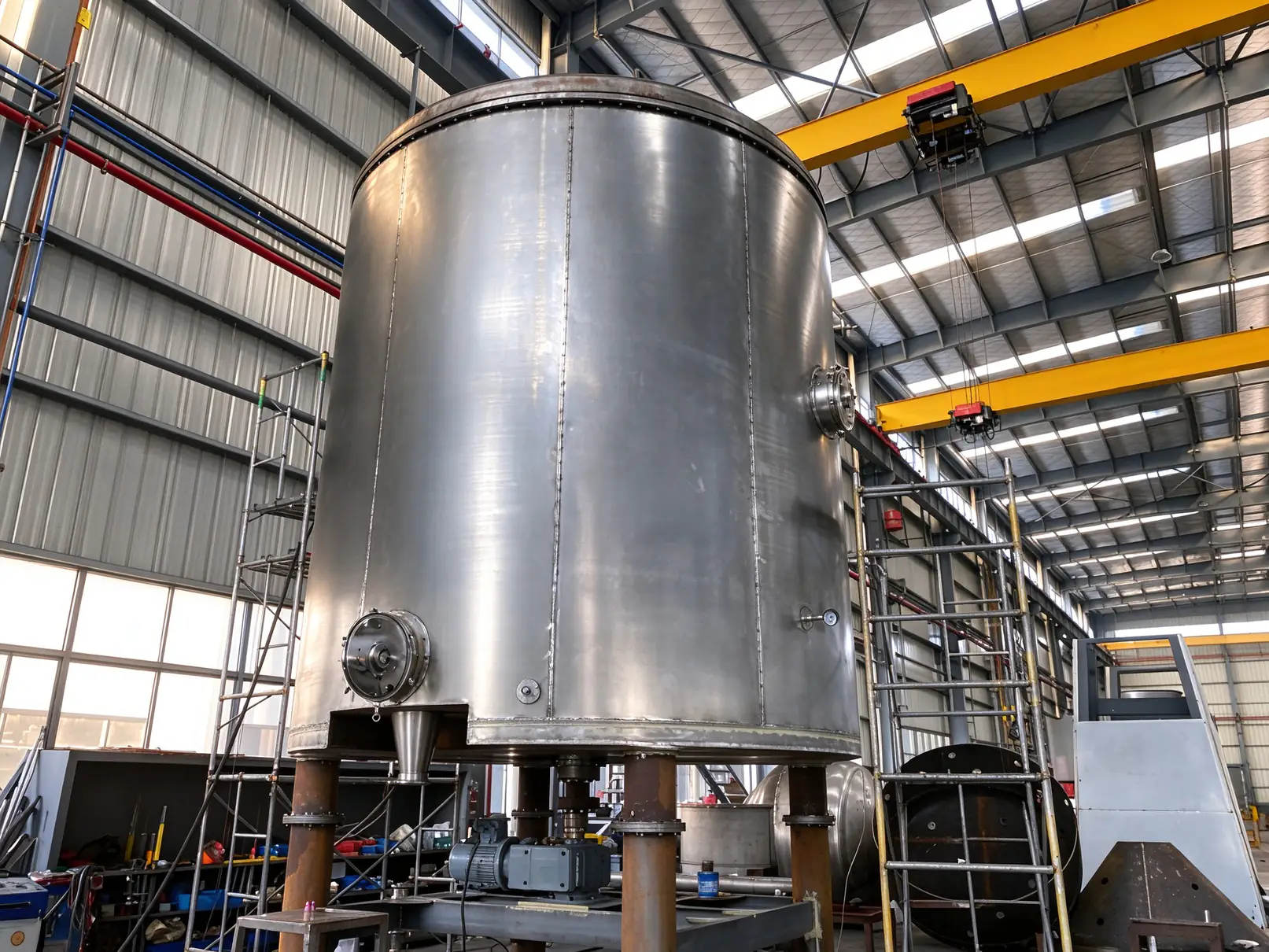
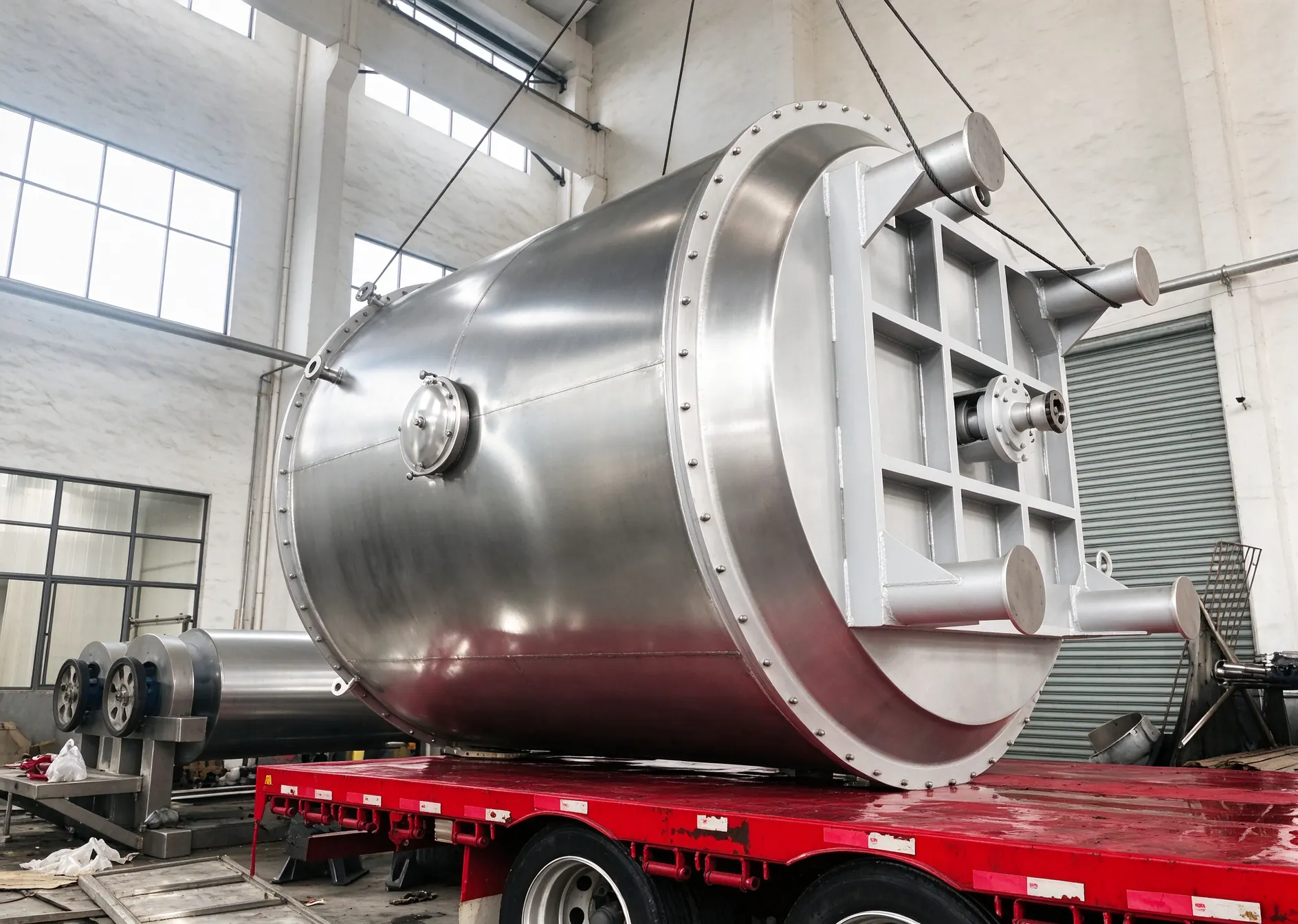
We supplied a JPD-3000/28 vertical continuous plate dryer for a polyester resin project in Japan. Designed to process crushed, dewatered cake, the system combines drying and cooling in one vertical unit.
| Project detail | Specification |
|---|---|
| Material | Polyester resin |
| Feed moisture | 15% |
| Target final moisture | ≤0.3% |
| Specified drying temperature | 80°C |
| Plate configuration | 26 heating plates + 2 cooling plates |
SS304 drying plates and PTFE rake blades were specified for material handling. A cooled bottom plate provides an additional cooling stage before discharge, with system control through the customer’s DCS.
We help you evaluate the drying process before selecting a plate dryer, then support your team through installation, commissioning and operation.
We review your material, moisture target, feed rate and temperature limits. Where needed, material trials help assess drying feasibility and operating conditions before equipment selection.
Our engineers review the PLG configuration, heating source, feeding, vapor handling and discharge together. You receive a proposal matched to your process and plant layout.
We complete the agreed functional checks and factory acceptance testing before shipment. English technical documents can include layout drawings, P&IDs, electrical diagrams and operation manuals, according to the project scope.
We provide remote video guidance for installation, commissioning and troubleshooting, together with operator and maintenance training. On-site engineer support can be arranged according to your project requirements.
Find answers to common questions about JEXDRY continuous plate drying systems, their applications, and how to get a personalized quote for your production line.
A continuous plate dryer removes moisture by bringing the material into contact with heated plates. In the JEXDRY PLG vertical plate dryer, rotating rakes spread the wet feed across a stack of stationary plates. The material moves from plate to plate and exits at the bottom, while vapor leaves through the upper outlet or vacuum system, depending on the configuration.
See the Plate Dryer Working PrincipleA continuous plate dryer is a good candidate for powders, granules and some crystals that can spread across the heated plates and tolerate contact with the rakes. Typical applications include drying chemical powders and granular intermediates on continuous production lines. Sticky powders and pastes need a closer look at how they spread and move. They may require feed preparation or pre-drying.
A continuous plate dryer moves material through a vertical stack of heated plates and suits a steady feed that spreads readily. A vacuum tray dryer holds material still on heated shelves and suits batch processes where static handling is preferred. A paddle dryer provides more active mixing, making it worth evaluating for cohesive pastes and wet filter cakes.
Compare Plate, Vacuum Tray and Paddle DryersThe quote depends on the required drying area, the operating configuration, the materials used for product-contact parts and the auxiliary equipment. A vacuum system or a condenser for solvent recovery can change the scope. For a project quote, share your material name, wet feed rate, initial and target moisture, and available heat source.
Send us your material name, wet feed rate, initial and target moisture, and any product temperature limit. If you know the available heat source, installation height or solvent recovery requirement, include those details. We can use them to review the configuration and identify what needs to be checked before sizing.
Have an urgent requirement? Connect with our engineering team directly.