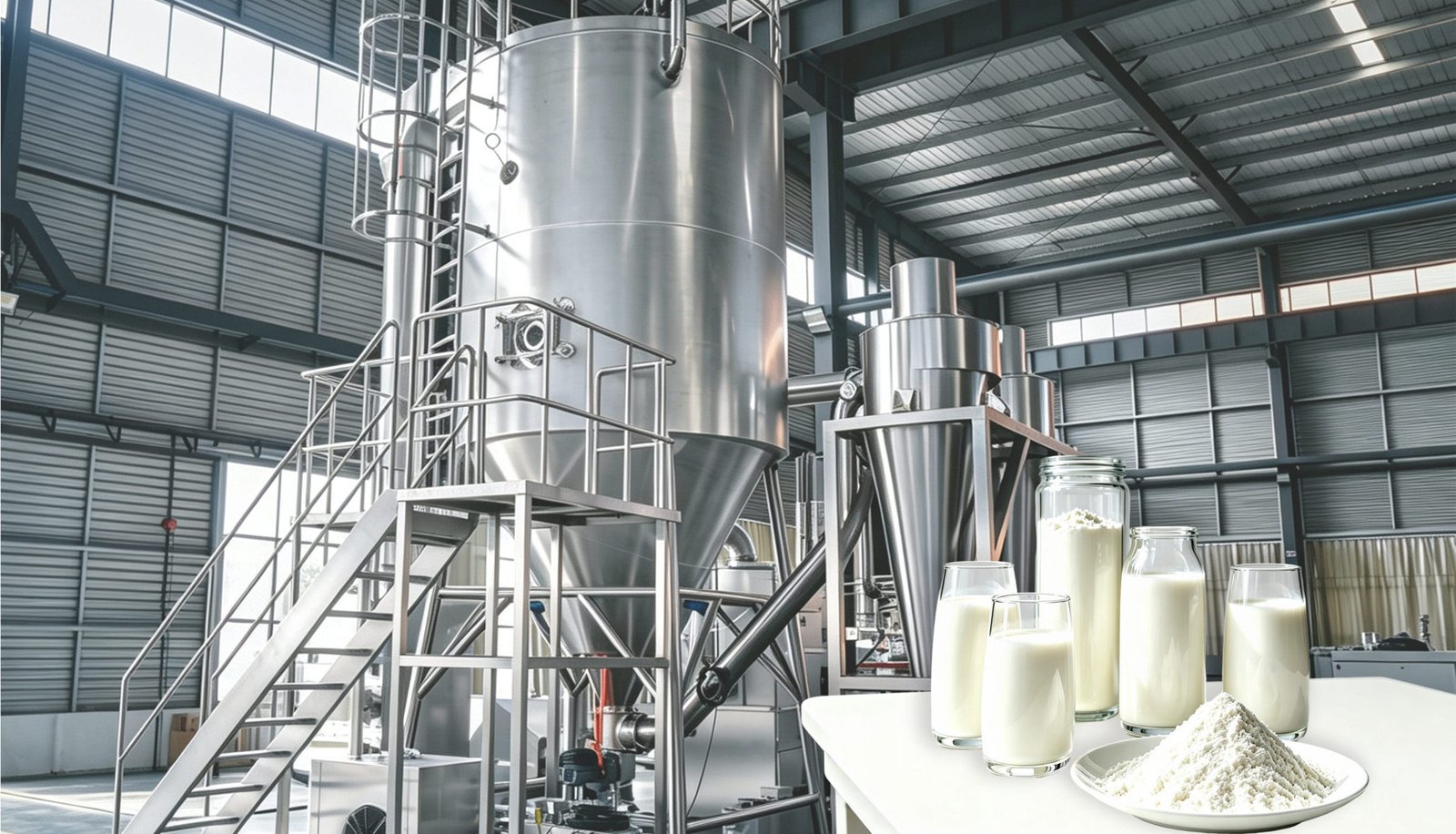
Milk Powder Spray Dryer for Consistent Dairy Powder Production
JEXDRY LPG centrifugal spray drying systems convert concentrated dairy feed into free-flowing powder. Covering 3–7 to 800–1000 kg/h brochure-listed maximum water evaporation capacity, engineered to adapt to your raw material, powder quality targets, available heat source, and factory layout.
Evaporation Capacity
3–1000 kg/h max water evaporation
Atomization Method
High-speed centrifugal (12k-27k rpm)
Temperature Range
Inlet: 130–300°C / Outlet: 70–90°C
Powder Collection
Cyclone + Bag filter (configurable)
Available Heat Sources
Electric, steam, gas, or thermal oil
Custom Engineering
Adapted to factory layout & hygiene
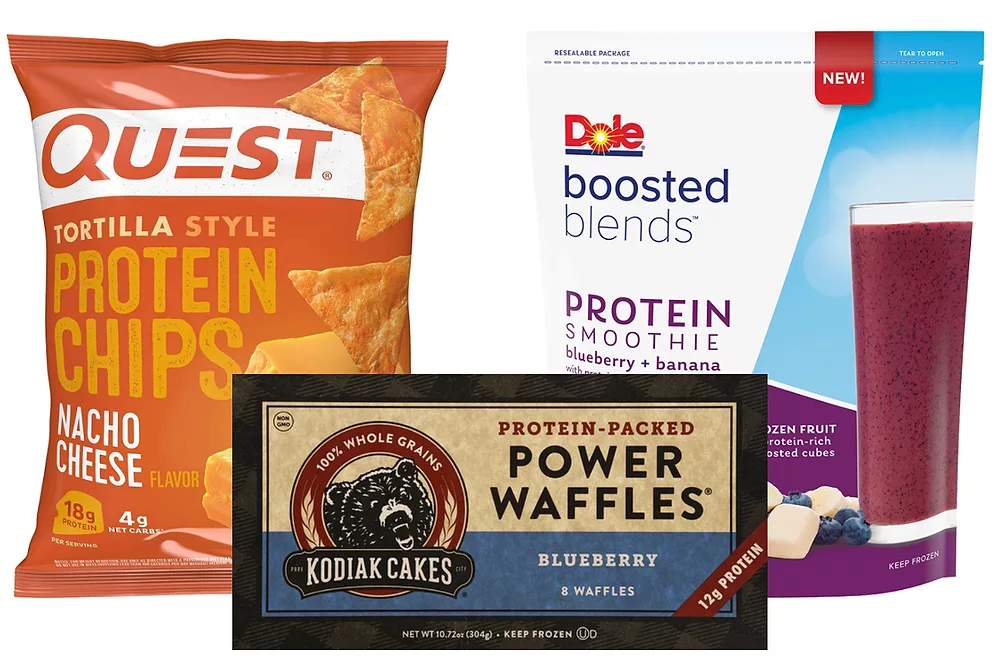
Engineered for Diverse Dairy Powder Applications
Beyond standard milk, our drying systems are evaluated and selected based on specific feed solids, viscosity, and thermal sensitivity. Note: Sanitary grades, cleaning protocols, and regulatory compliance for infant formula must be confirmed per project design.
Whole Milk Powder
Skim Milk Powder
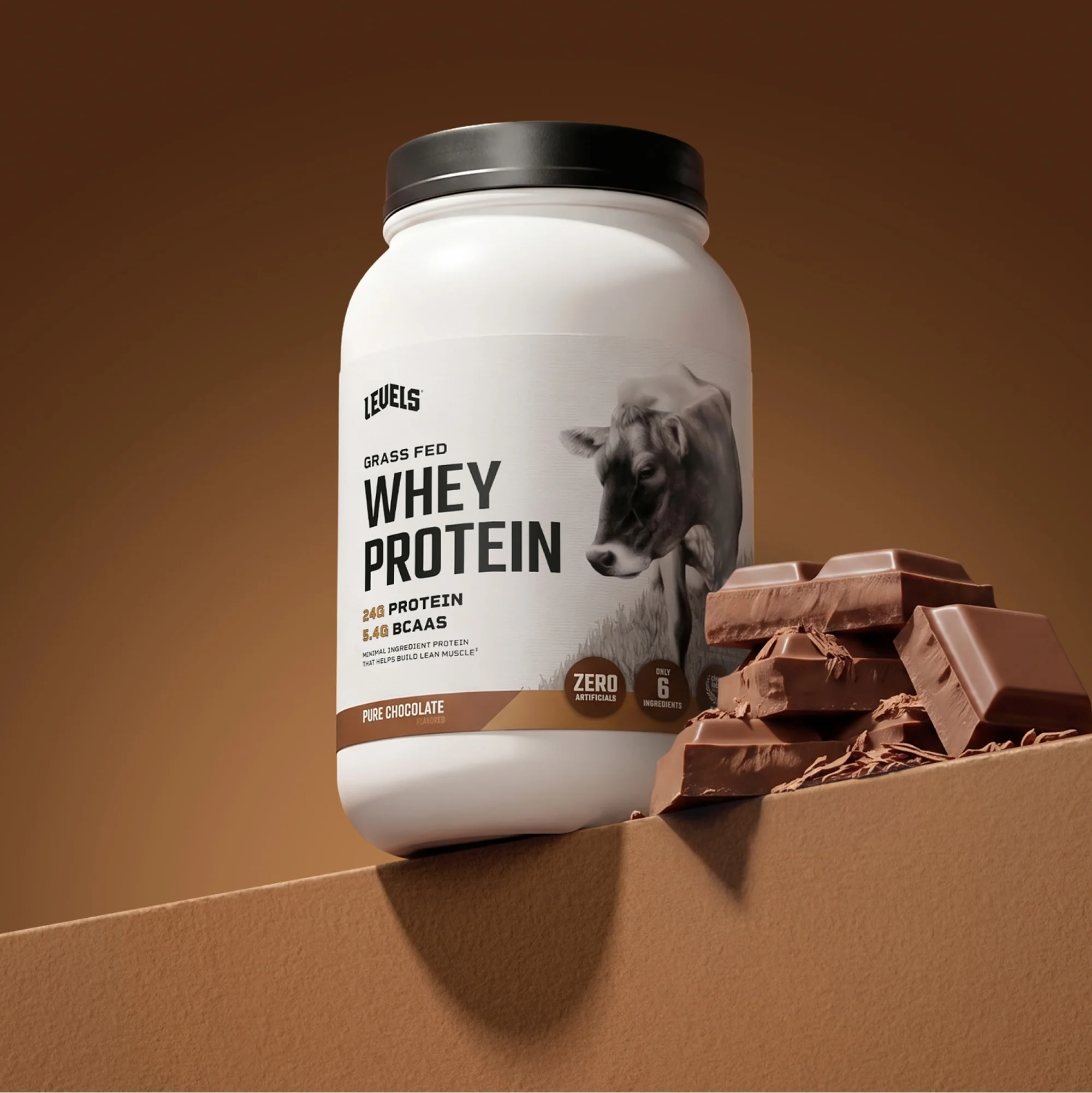
Whey Powder
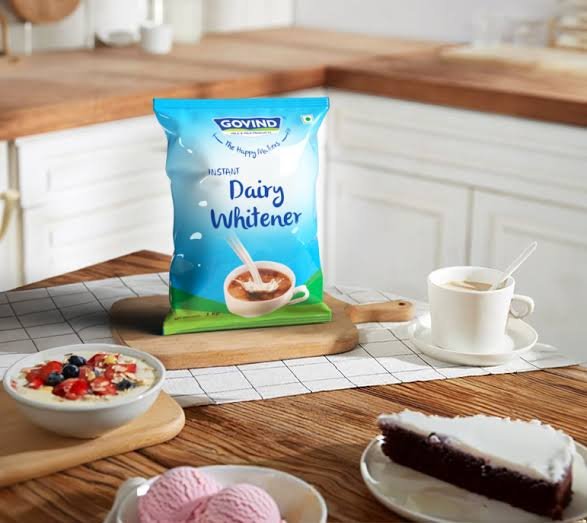
Dairy Whitener
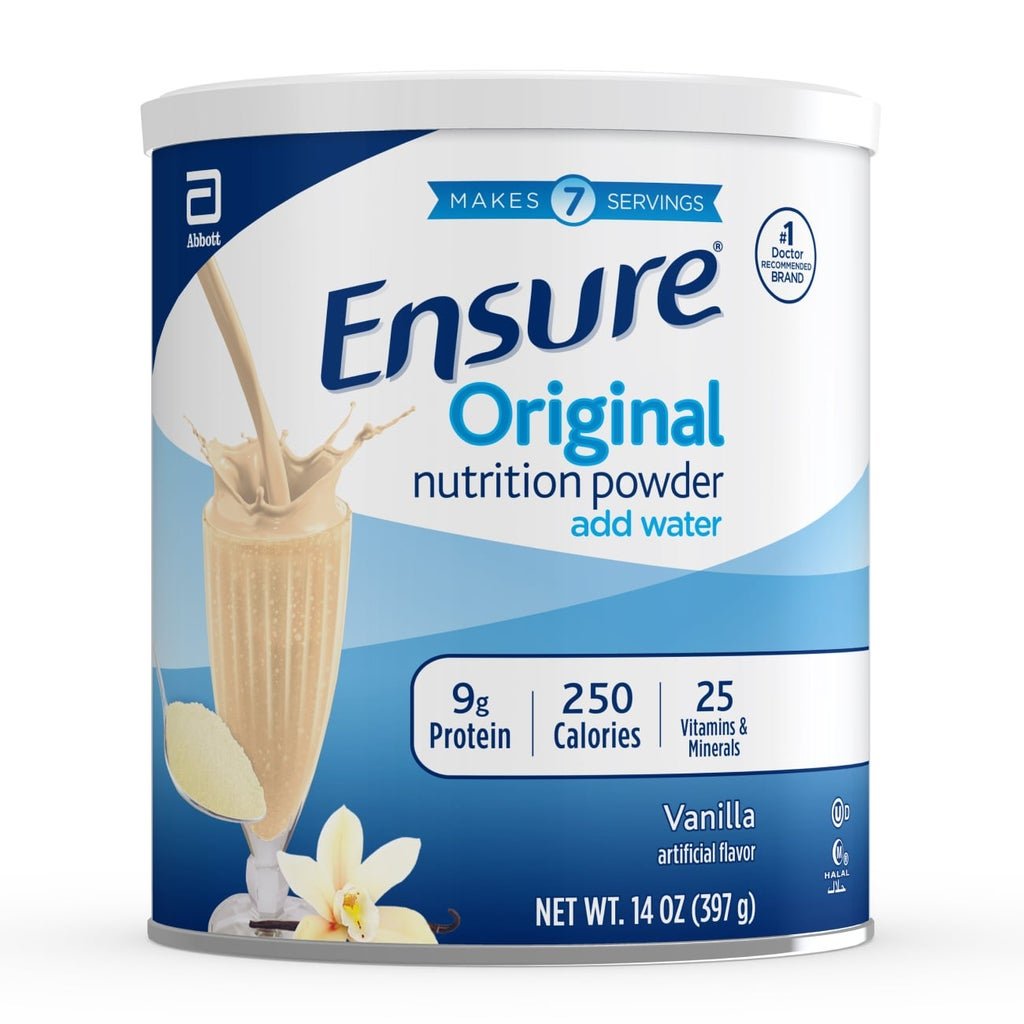
Nutritional Powder
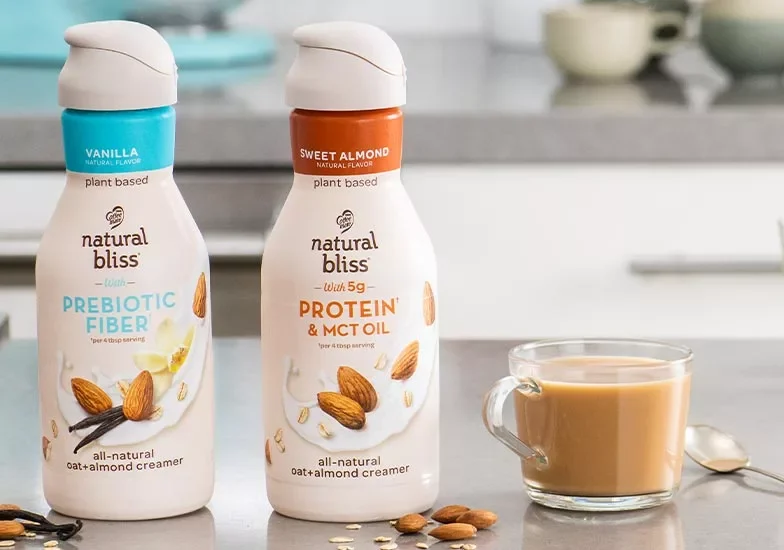
Creamer & Formulated
Dairy Ingredient Blends
Other Formulations?
Tell Us What Dairy Product You Need to Dry →What Is a Milk Powder Spray Dryer?
Milk powder spray drying atomizes concentrated liquid dairy feed into fine droplets and contacts those droplets with controlled hot air. Moisture evaporates rapidly, while dry particles are separated and collected from the exhaust air.
This process is highly suitable for continuously converting liquid dairy concentrates into stable powders because the rapid evaporation keeps the droplet temperature relatively low, protecting heat-sensitive proteins. However, fast drying does not guarantee "zero nutrient loss"—the exact retention depends heavily on operating temperatures.
The final powder quality is not determined by the dryer alone. It is a combined result of upstream feed pretreatment, concentration levels, atomization speed, inlet/outlet temperatures, air distribution within the chamber, particle residence time, and subsequent downstream processing like agglomeration or cooling.
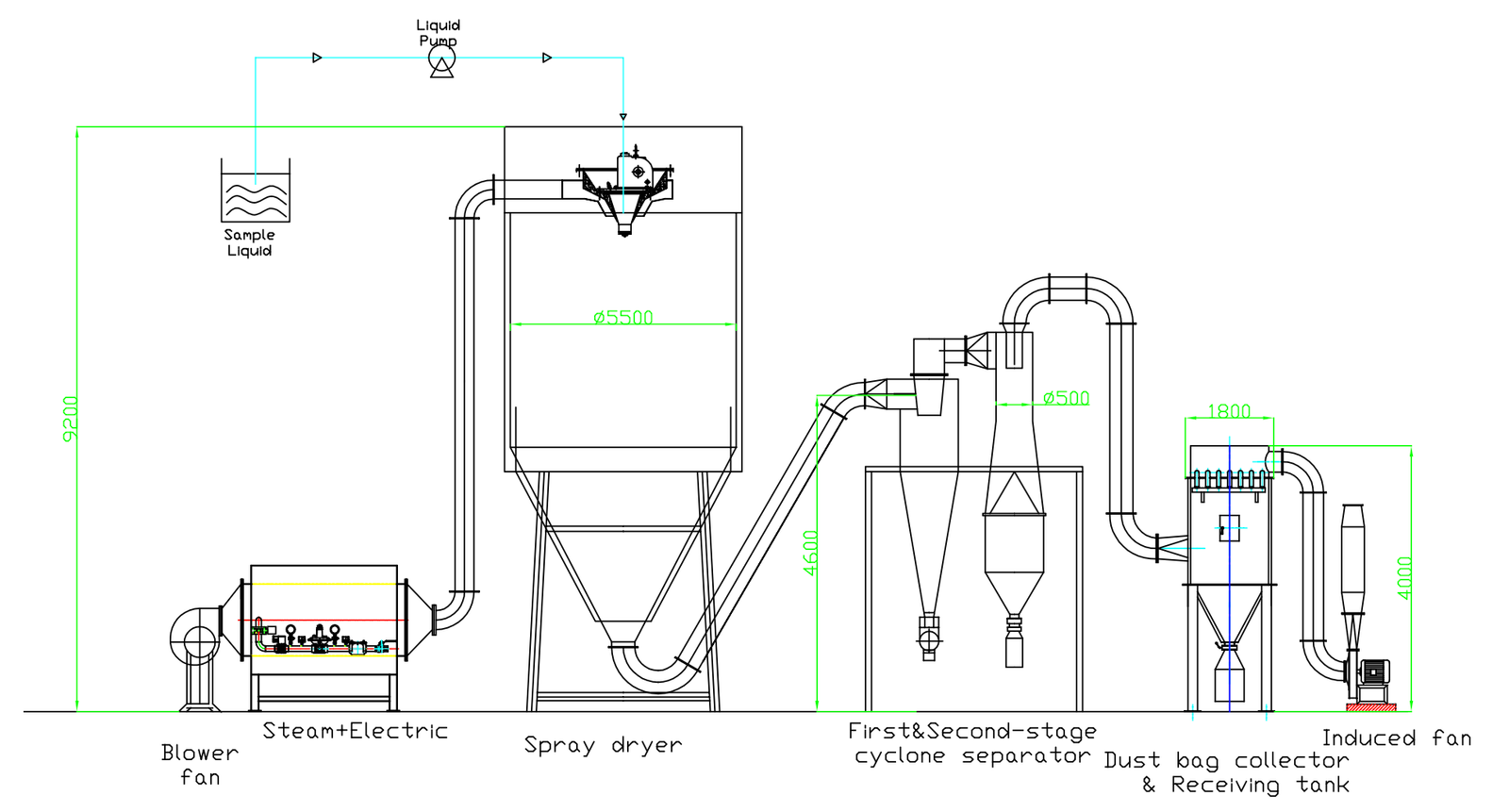
How the Milk Powder Processing Line Works
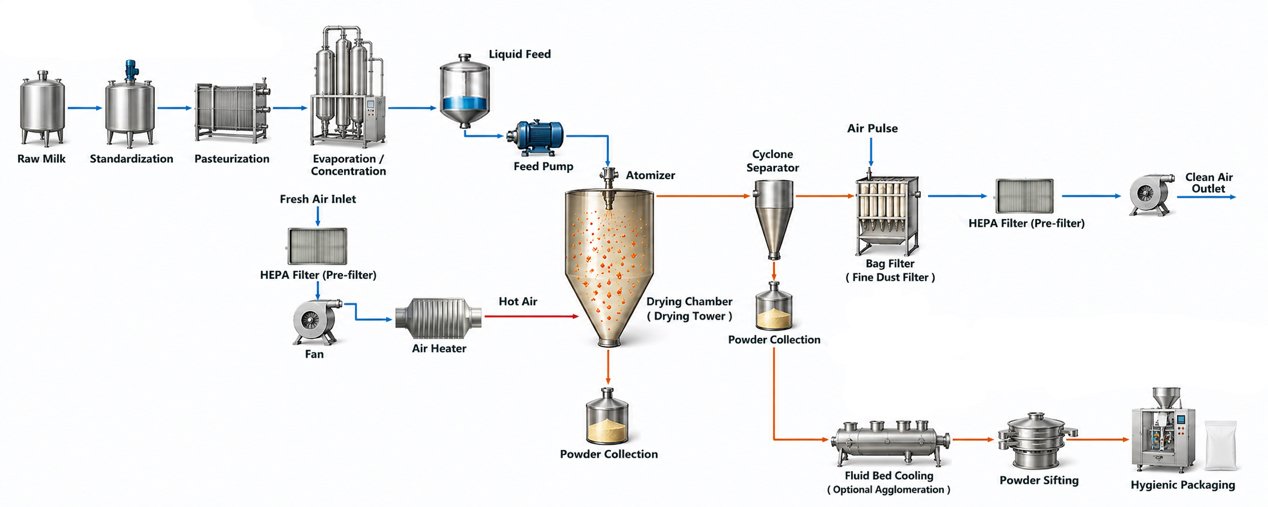
Understanding the equipment boundary is critical. Homogenization, pasteurization, vacuum concentration, fluid-bed cooling, and packaging are upstream or downstream systems—not built-in functions of the spray drying tower itself.
1. Feed Preparation
Raw milk is standardized, pasteurized, and concentrated (typically via falling film evaporators) to increase total solids before drying.
2. Controlled Feeding
The concentrated dairy feed is pumped from a buffer tank to the atomizer at a controlled rate using a screw or diaphragm pump.
3. Atomization
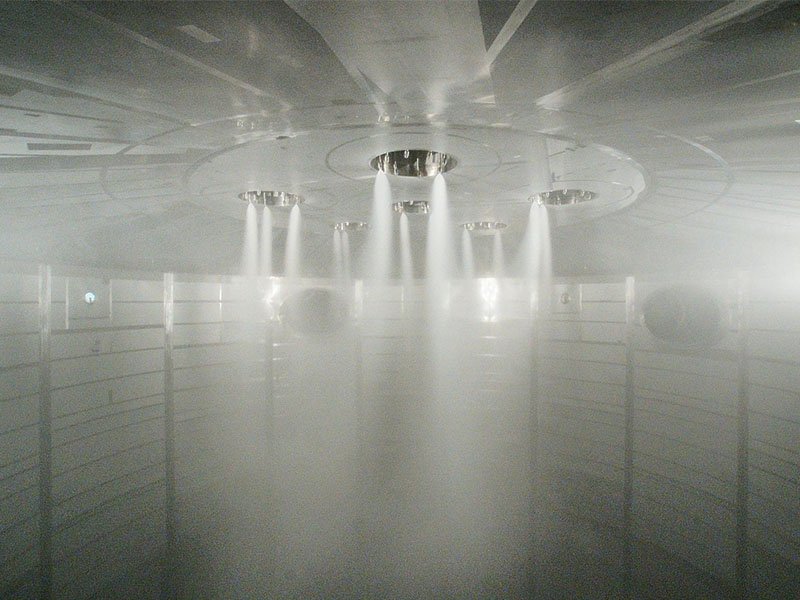
A high-speed centrifugal disc or high-pressure nozzle shears the liquid into millions of fine droplets, vastly increasing the surface area.
4. Hot-Air Contact
Droplets mix with filtered, heated air in the drying chamber. Moisture evaporates instantly, leaving dry milk particles.
5. Powder Separation
Dry powder falls to the chamber bottom or is carried by exhaust air to cyclone separators and bag filters for collection.
6. Cooling & Packaging
Powder is often cooled in a fluid bed (optional agglomeration step) and sifted before final hygienic packaging.
LPG Centrifugal Spray Dryer Capacity Range
The LPG Series covers reference water-evaporation duties from 3 to 1,000 kg/h. The three configurations below represent typical small, medium and large systems for preliminary comparison. Final model selection, tower dimensions and operating conditions depend on the feed properties, required evaporation load, target powder characteristics and collection-system design.
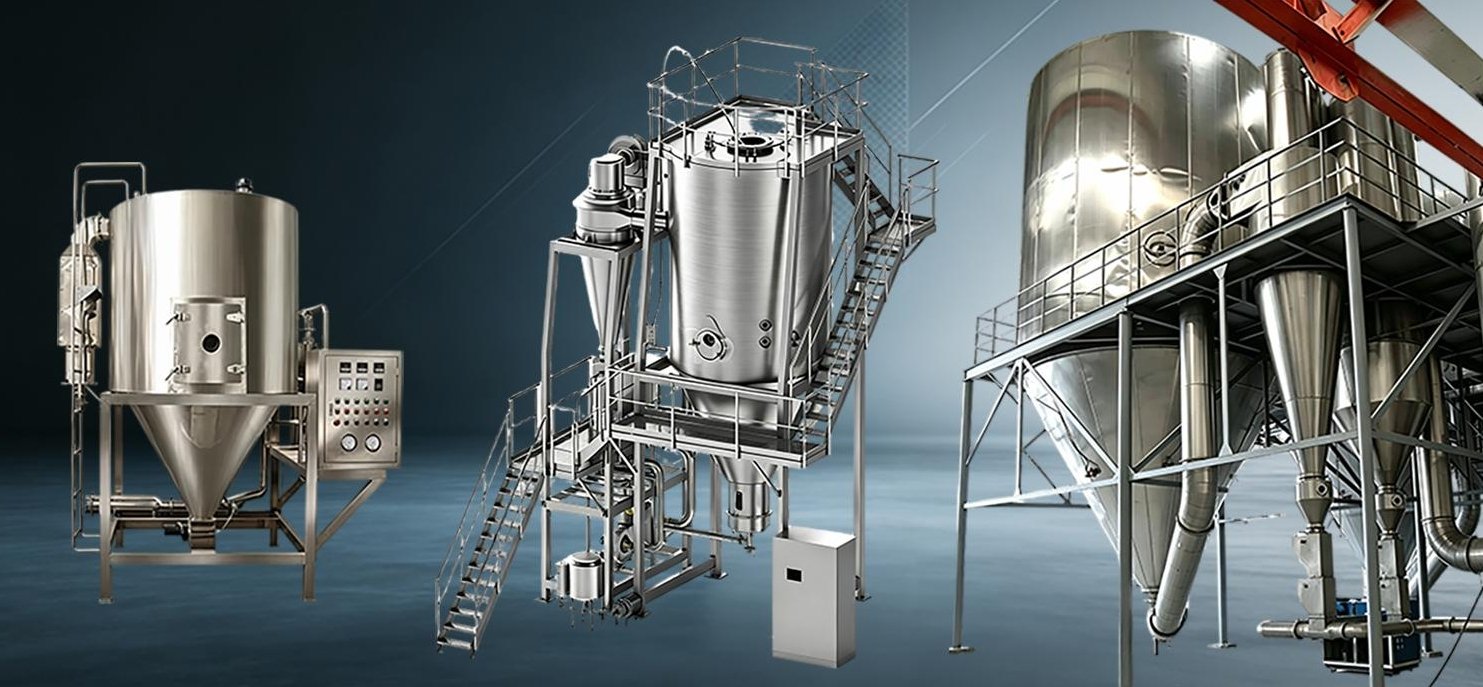
Compact Configuration
Representative Model: LPG-5
- Maximum water evaporation: 3–7 kg/h
- Tower diameter: Φ1.2 m
- Overall height: 2.2 m
Typical positioning: Small-volume production and preliminary process evaluation
Medium Production
Representative Model: LPG-100
- Maximum water evaporation: 75–100 kg/h
- Tower diameter: Φ2.56 m
- Overall height: 5.4 m
Typical positioning: Continuous small-to-medium industrial production
Large Industrial
Representative Model: LPG-1000
- Maximum water evaporation: 800–1,000 kg/h
- Tower diameter: Φ7.6 m
- Overall height: 12.4 m
Typical positioning: High evaporation duties requiring complete utility, installation and site-layout engineering
The complete LPG range also includes LPG-25, LPG-50, LPG-150, LPG-200 and LPG-500 configurations. Contact our engineering team for the full model table and a recommendation based on your feed data.
Capacity Note
Spray dryer capacity refers to the maximum amount of water evaporated under reference operating conditions. It is not the total liquid-feed rate or the finished-powder output. Actual performance depends on feed composition, solids concentration, inlet and outlet conditions, atomization and powder-collection configuration.
LPG Series Technical Specifications
Important: Capacity is stated as maximum water evaporation, not finished powder output.
| Model | Max Water Evaporation (kg/h) | Atomizer Speed (rpm) | Transmission Power (kW) | Listed Heating Power (kW) | Tower Diameter (m) | Overall Height (m) |
|---|---|---|---|---|---|---|
| LPG-5 | 3–7 | 25,000 | 4.2 | 18 | Φ1.2 | 2.2 |
| LPG-25 | 18–25 | 18,000–27,000 | 14 | 36 | Φ1.9 | 3.6 |
| LPG-50 | 35–50 | 18,000–27,000 | 18 | 48 | Φ2.2 | 4.6 |
| LPG-100 | 75–100 | 18,000–27,000 | 23 | 72 | Φ2.56 | 5.4 |
| LPG-150 | 120–150 | 15,000–18,000 | 29 | 84 | Φ2.96 | 6.3 |
| LPG-200 | 170–210 | 15,000–18,000 | 43 | 96 | Φ3.36 | 7.0 |
| LPG-500 | 400–500 | 12,000–15,000 | 76 | 144 | Φ5.2 | 9.2 |
| LPG-1000 | 800–1000 | 12,000–15,000 | 109 | 144 | Φ7.6 | 12.4 |
- Actual performance depends on feed solids, viscosity, inlet temperature, target moisture, and ambient conditions.
- Final dryer dimensions can change with project-specific configuration (e.g., adding fluid beds or fines return).
- Listed heating power is a brochure-listed value; actual heating configuration and fuel consumption require project calculation.
- Dairy operating temperatures (typically within the 130–300°C inlet / 70–90°C outlet equipment range) must be confirmed by testing and process design to protect nutritional value.
- Brochure-listed dry powder collection rate is ≥97%, subject to material properties and system configuration.
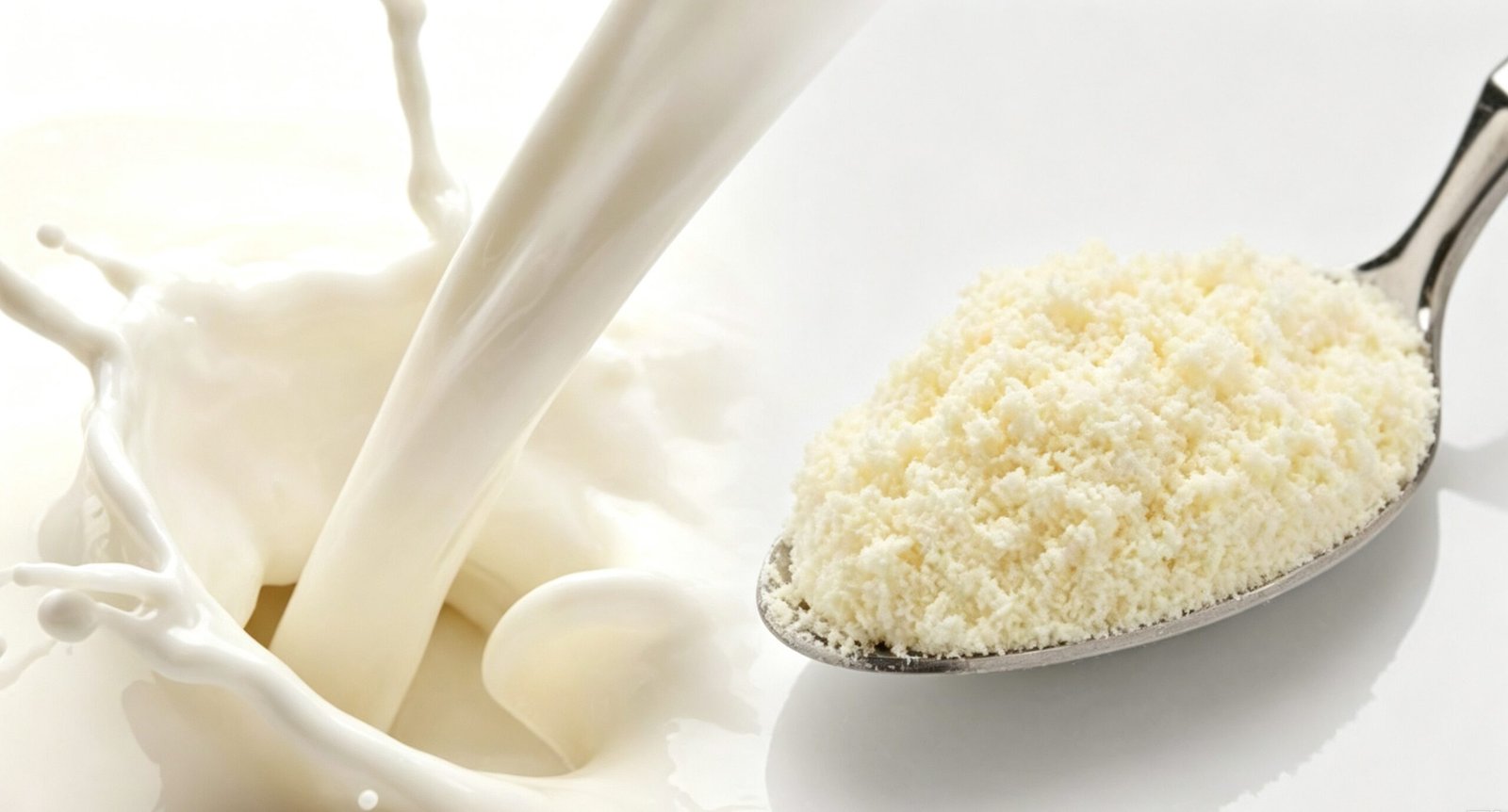
Why "100 kg/h" Doesn't Mean 100 kg/h of Milk Powder
A common mistake in procuring a milk powder spray dryer is confusing water evaporation capacity with finished powder output. Industrial dryers are sized based on how much water they must remove, which depends entirely on your feed's solid content.
Capacity Calculation Formulas
Finished powder output (P):
P = F × S ÷ (1 - M)
Water evaporation (E):
E = F - P
- F = Liquid feed rate (kg/h)
- S = Feed dry solids fraction
- M = Final powder moisture fraction
- P = Finished powder (kg/h)
- E = Evaporation load (kg/h)
*Illustrative calculation only. Example: 1000 kg/h feed at 40% solids dried to 4% moisture yields ~416 kg/h powder, requiring ~584 kg/h water evaporation (selecting an LPG-1000).
Centrifugal Atomizer vs. Pressure Nozzle
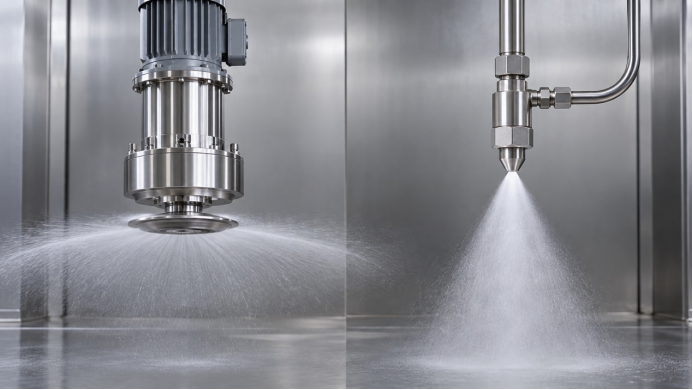
While the LPG Series uses high-speed rotating discs, we also offer the YPG Series Pressure Spray Dryer (working pressure 1.6–2.5 MPa via diaphragm pump). Neither is universally "better" for all milk powder projects; selection depends on viscosity, target particle size, and maintenance conditions.
| Comparison Factor | LPG (Centrifugal) | YPG (Pressure Nozzle) |
|---|---|---|
| Atomization Principle | High-speed rotating disc shearing | High-pressure liquid forced through orifice |
| Feed Pressure Requirement | Low (pumped to top of tower) | High (1.6–2.5 MPa via diaphragm pump) |
| Control Variables | Disc speed (rpm) & feed rate | Pump pressure & nozzle core size |
| Feed Characteristics | Handles slight viscosity variations well | Requires strict filtration; prone to blockage |
| Typical Particle Size | Finer, more uniform distribution | Often larger, hollow spheres (better flowability) |
| Maintenance Focus | Spindle bearings & dynamic balance | Nozzle wear & high-pressure pump seals |
* Note: Instant milk powder requiring specific agglomeration, fines return, or fluid-bed treatment is an optional system design subject to engineering confirmation.
Controlling Milk Powder Quality Targets
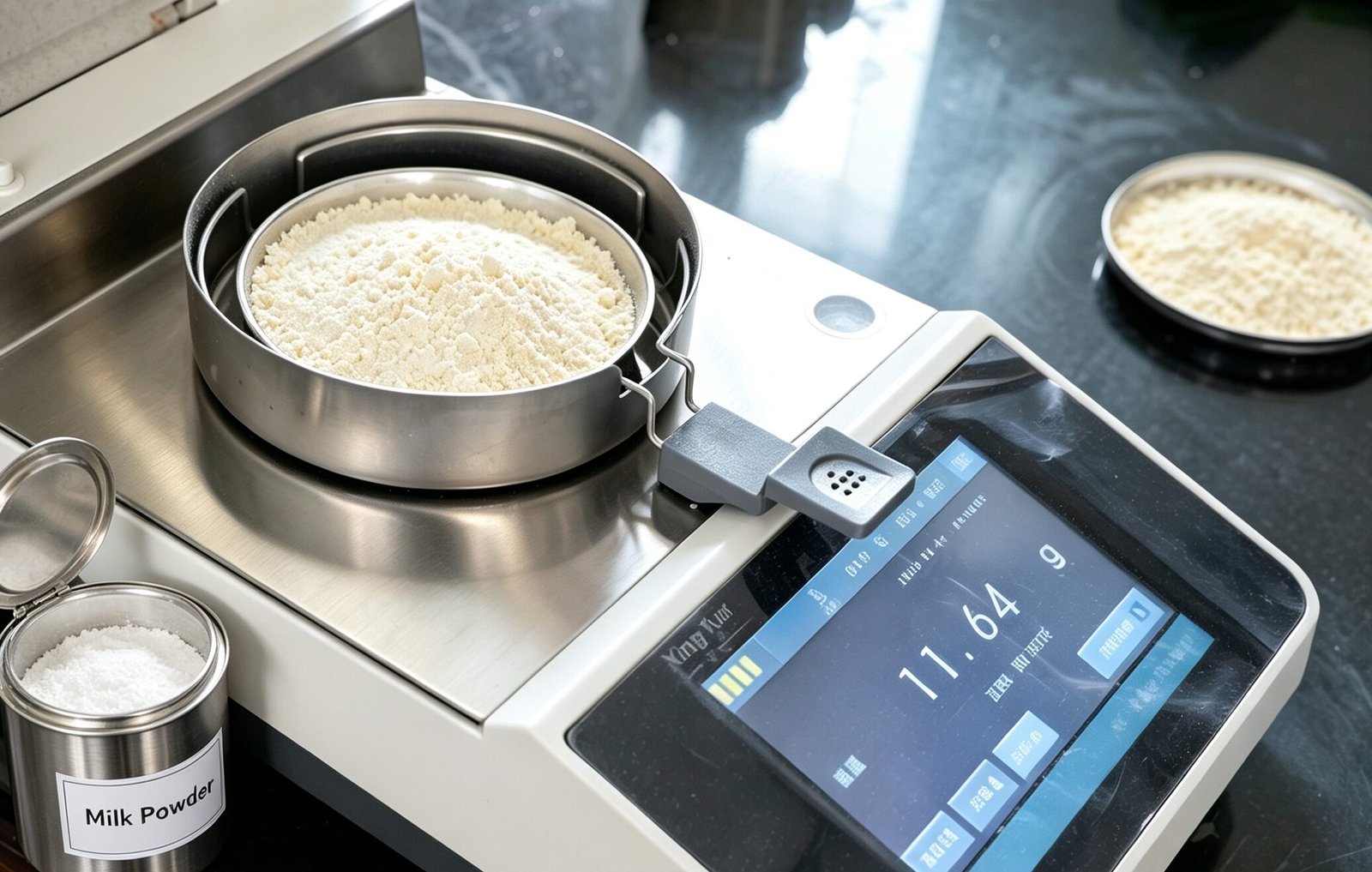
We design our systems recognizing that buyers care about powder performance, not just machine structure. No single parameter guarantees quality; it requires a holistic process balance.
Key Quality Indicators
- Final moisture
- Particle size distribution
- Bulk density & Flowability
- Solubility & Dispersibility
- Wettability & Sinkability
- Agglomeration level
Influencing Factors
- Feed solids & viscosity
- Atomizer speed / nozzle pressure
- Inlet & outlet air temperature
- Air distribution & residence time
- Fines return (optional)
- Fluid-bed treatment (optional)
Solving Common Milk Powder Drying Problems
Operational issues often stem from a mismatch between feed properties and equipment settings. Our engineering response focuses on identifying the root cause.
| Problem | Possible Cause | Engineering Response |
|---|---|---|
| Powder sticking to chamber wall | High moisture, low exhaust temp, or improper air distribution. | May be improved by adjusting atomizer speed, increasing outlet temp, or adding air sweepers (depending on configuration). |
| Low powder collection rate | Cyclone inefficiency or bag filter blinding. | Requires checking cyclone pressure drop and pulse-jet cleaning frequency on bag filters. |
| High final moisture | Low inlet temp, high feed rate, or low feed solids. | Reduce feed rate or increase inlet temp (subject to product heat sensitivity). |
| Excessive fines and dust | Atomizer speed too high (droplets too small). | Lower RPM on centrifugal disc; optional fines return system can agglomerate dust. |
| Poor solubility / dispersibility | Overheating, lack of agglomeration, or high fine particle ratio. | Requires confirmation through feed testing; may require secondary fluid-bed drying/cooling. |
| Hopper bridging & poor discharge | Powder too warm or hygroscopic absorbing moisture. | Install pneumatic hammers or air pads; ensure dehumidified cooling air. |
JEXDRY Engineering Advantages
We deliver tangible engineering value for dairy projects, built on
Adjustable Atomization Parameters
Benefit: Allows operators to fine-tune droplet size and bulk density.
Condition: Achieved via VFD control on the centrifugal atomizer, within the motor's rated RPM range.
Configurable Collection Concepts
Benefit: Maximizes powder recovery (brochure-listed ≥97%) while meeting local emission standards.
Condition: Cyclone, bag-filter, or combined setups are selected based on dust limits and budget.
Layout Adaptation
Benefit: Fits into existing factory buildings without unnecessary civil modification costs.
Condition: System layout adapted to available installation height and floor space during the drawing phase.
Accessible Maintenance & Cleaning
Benefit: Reduces downtime between product changeovers.
Condition: Quick-open doors and manual cleaning points are standard; automated CIP is optional and subject to confirmed design.
How to Choose the Right Spray Dryer
Follow this 7-step engineering flow to ensure the equipment matches your dairy process.
Selection Data Checklist
- • Product/formulation
- • Feed rate (kg/h)
- • Feed solids (%)
- • Feed viscosity
- • Target powder output
- • Target final moisture
- • Target particle size
- • Bulk-density target
- • Available heat source
- • Electricity supply
- • Installation space
- • Cleaning requirement
Define the dairy feed
Identify if it's whole milk, skim milk, whey, or a formulated blend. Heat sensitivity dictates temperature limits.
Confirm feed rate and total solids
Determines how much water must be removed.
Set final powder targets
Define acceptable moisture, bulk density, and instant properties.
Calculate evaporation load
Use the mass balance formula to select the base LPG or YPG model.
Compare atomization
Choose between centrifugal disc (LPG) and pressure nozzle (YPG) based on viscosity and particle needs.
Select heat & recovery
Configure air heating (steam/electric/gas) and powder collection (cyclone/bag filter).
Confirm compliance
Finalize hygiene (e.g., CIP options), layout dimensions, and local safety standards.
Recommended Evaluation Before Final Equipment Selection
For new formulations or stringent powder requirements, we advocate a "test, evaluate, scale-up" approach.
- Feed-property review (solids, viscosity)
- Trial parameter recording & Moisture testing
- Particle-size analysis
- Powder-yield or material-balance evaluation
- Observation of wall sticking and blockage
- Scale-up recommendations
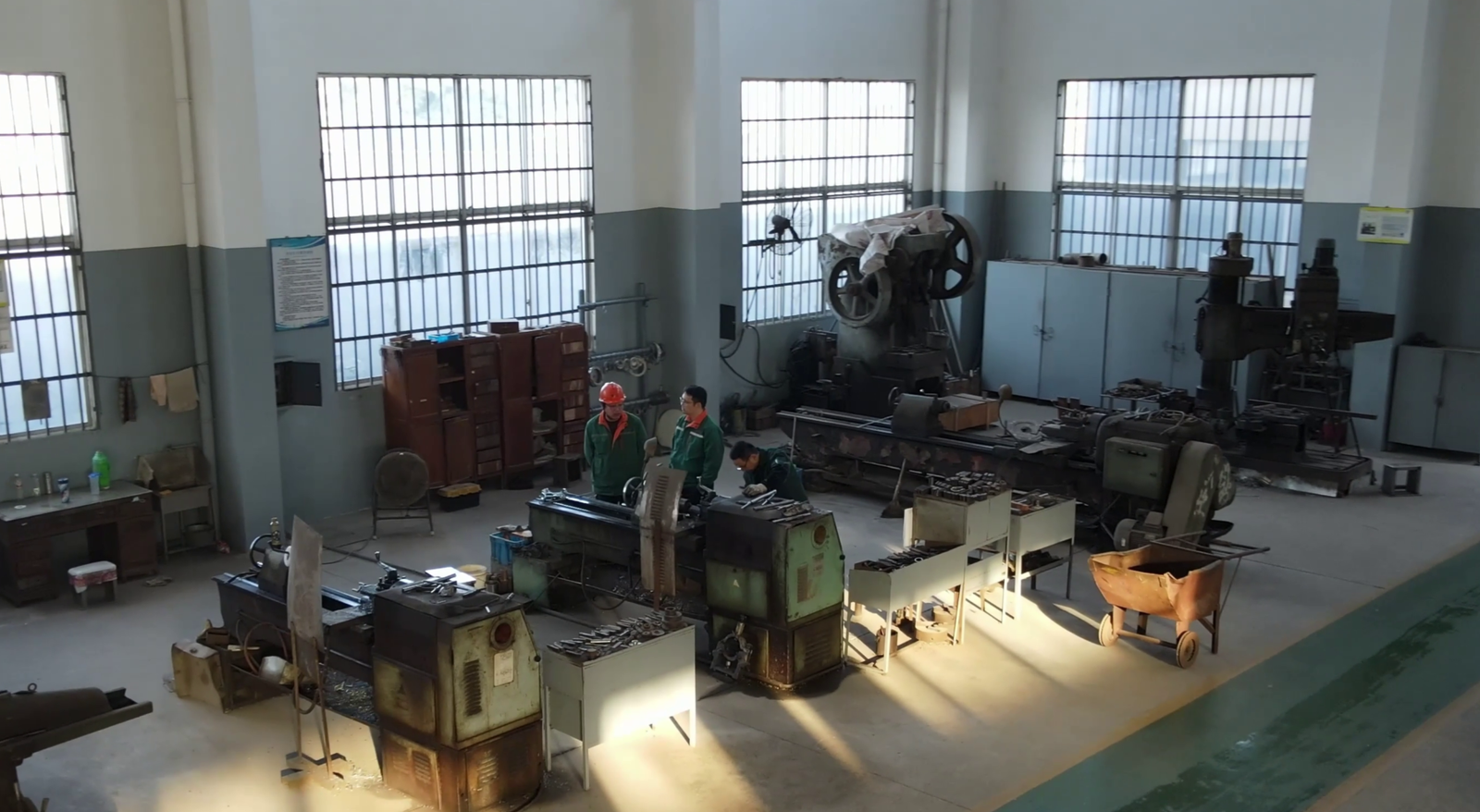
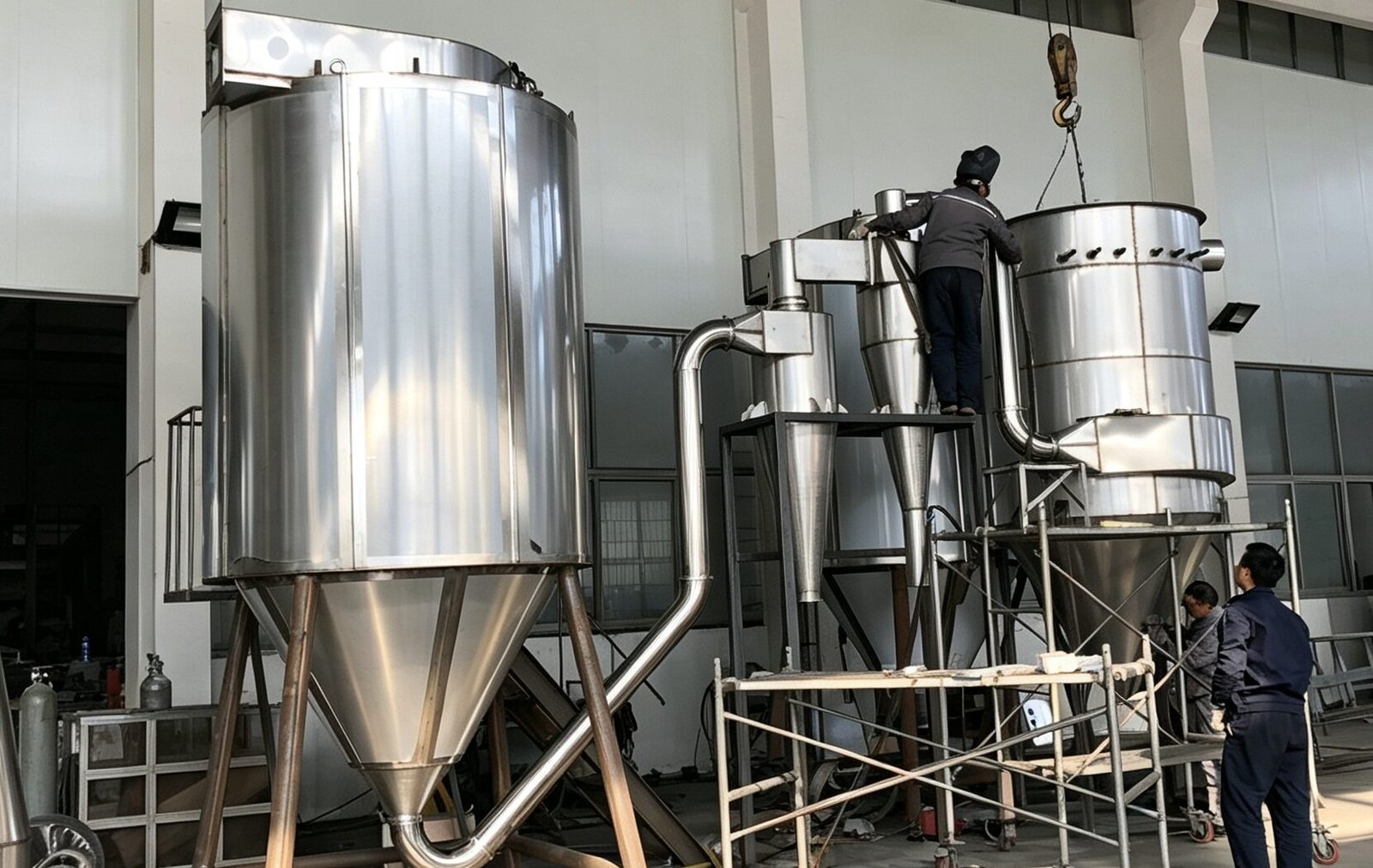
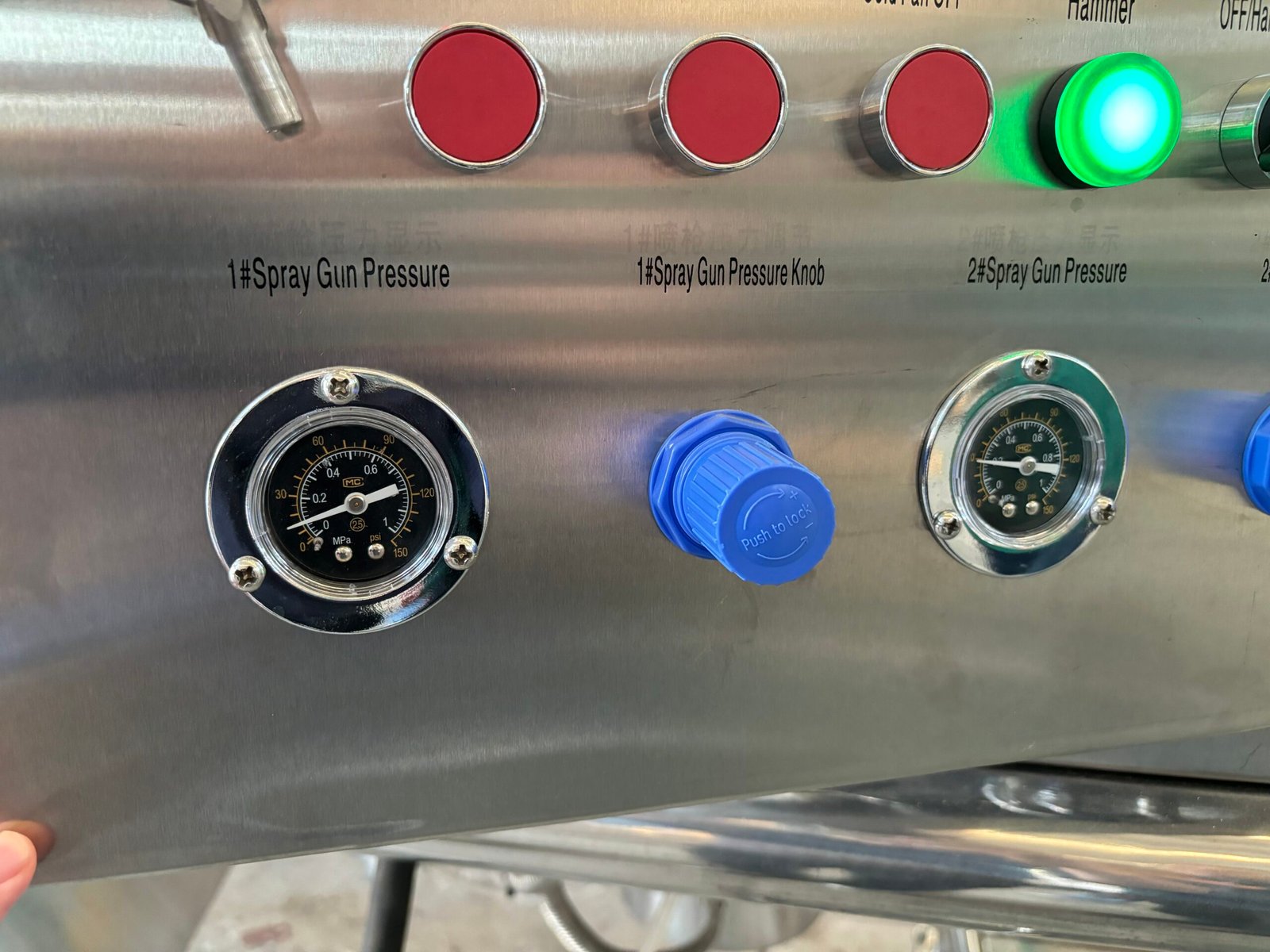
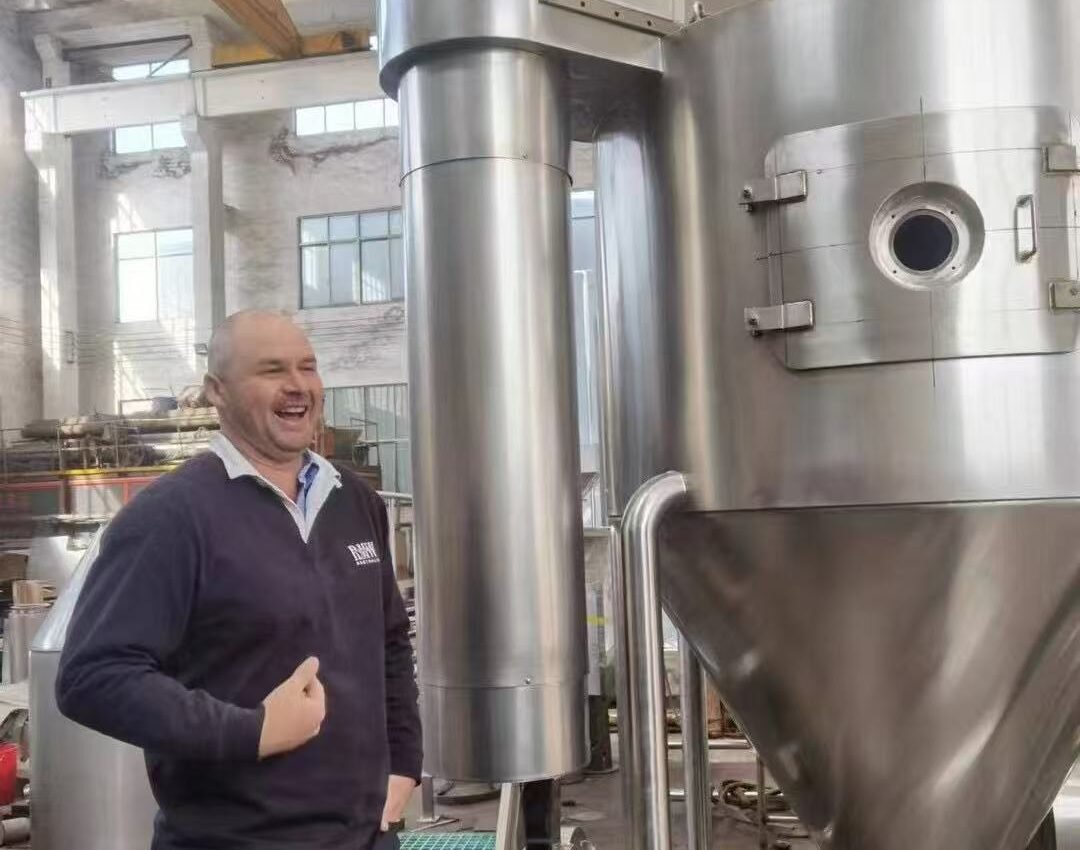
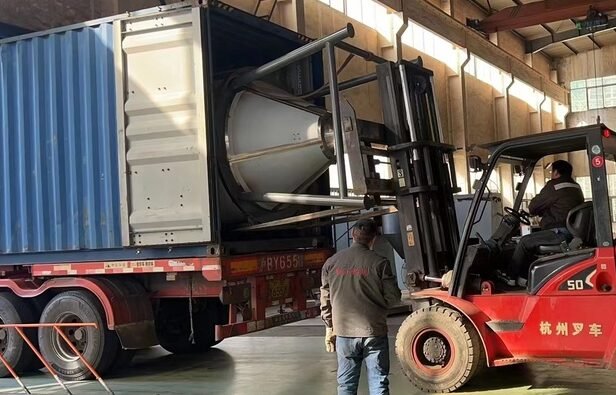
Manufactured by JEXDRY Since 1998
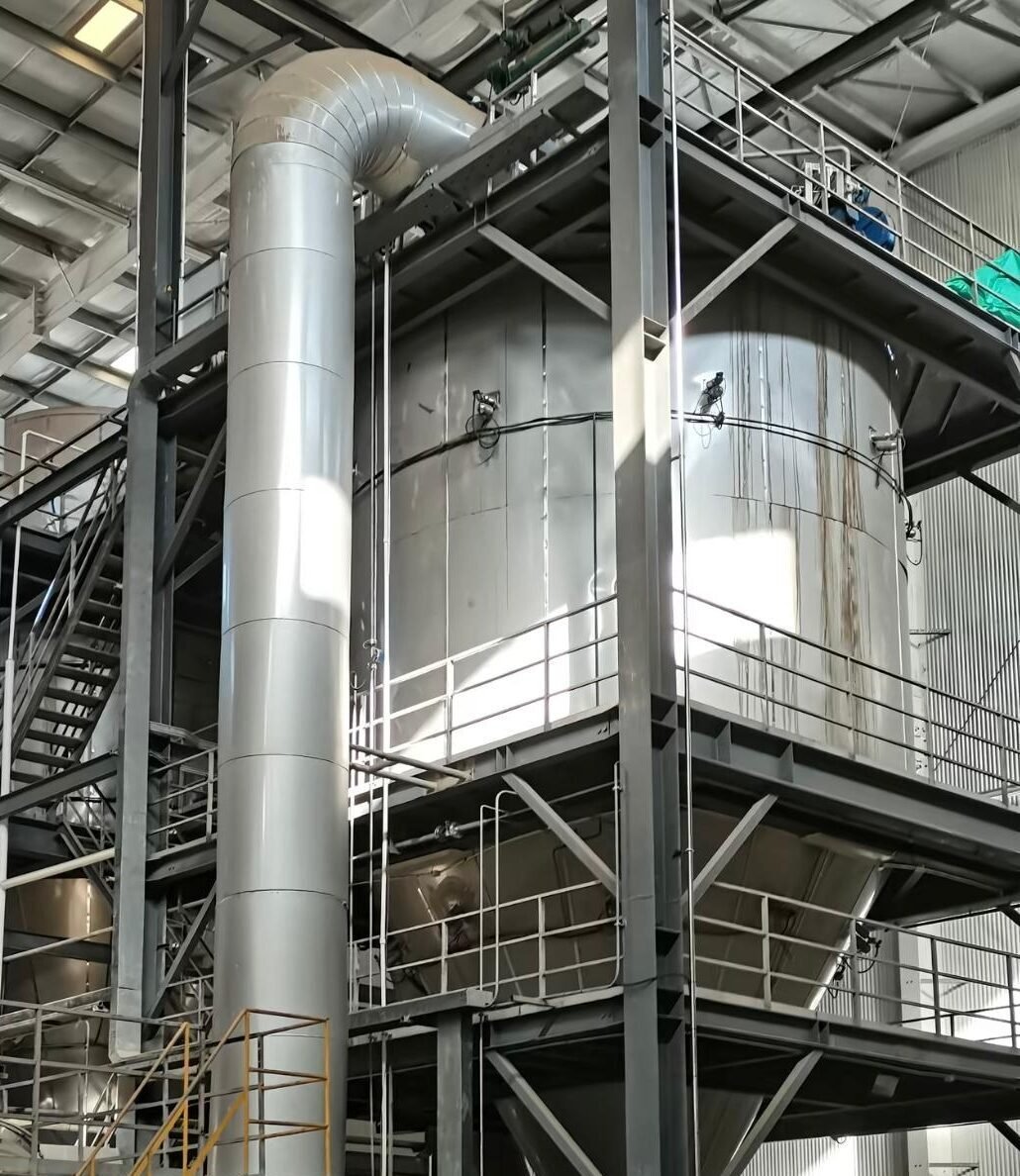
Trust is built on visible manufacturing capability. From stainless-steel fabrication to
Typical Project Delivery Process
From initial requirement analysis to lifelong support, we ensure a seamless and transparent journey for your custom drying system.
Requirement
Review
Feed & Capacity
Confirmation
Proposal
Process & Equip
Drawing
Utility confirm
Manufacturing
Fabrication
Inspection
Factory acceptance
Shipment
Packing
Installation
Guidance
Training
Operator
Support
Spare parts
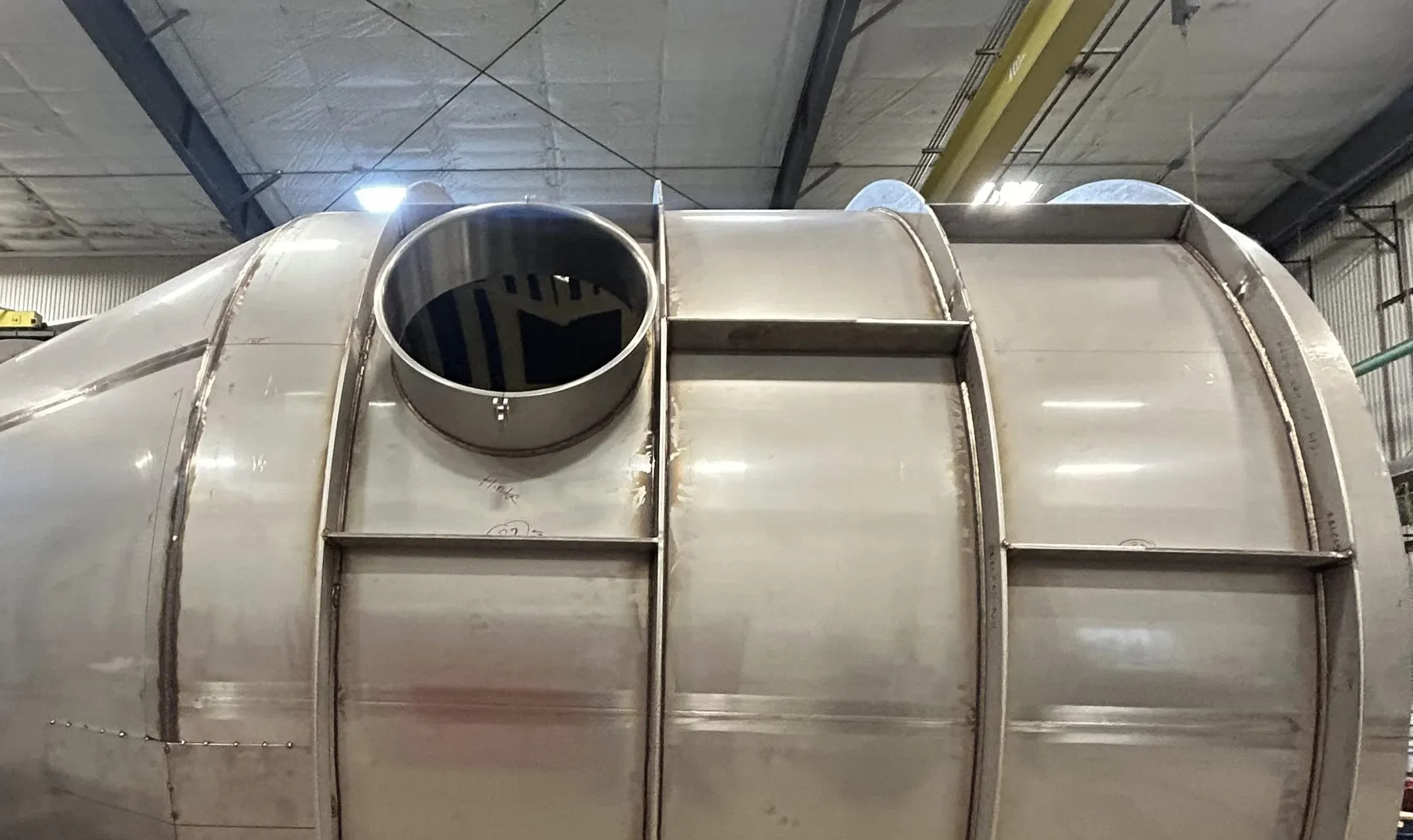
Case Study: High-Efficiency Milk Powder Production
A complete spray drying system engineered, manufactured, and successfully commissioned by JEXDRY for a commercial dairy processing facility.
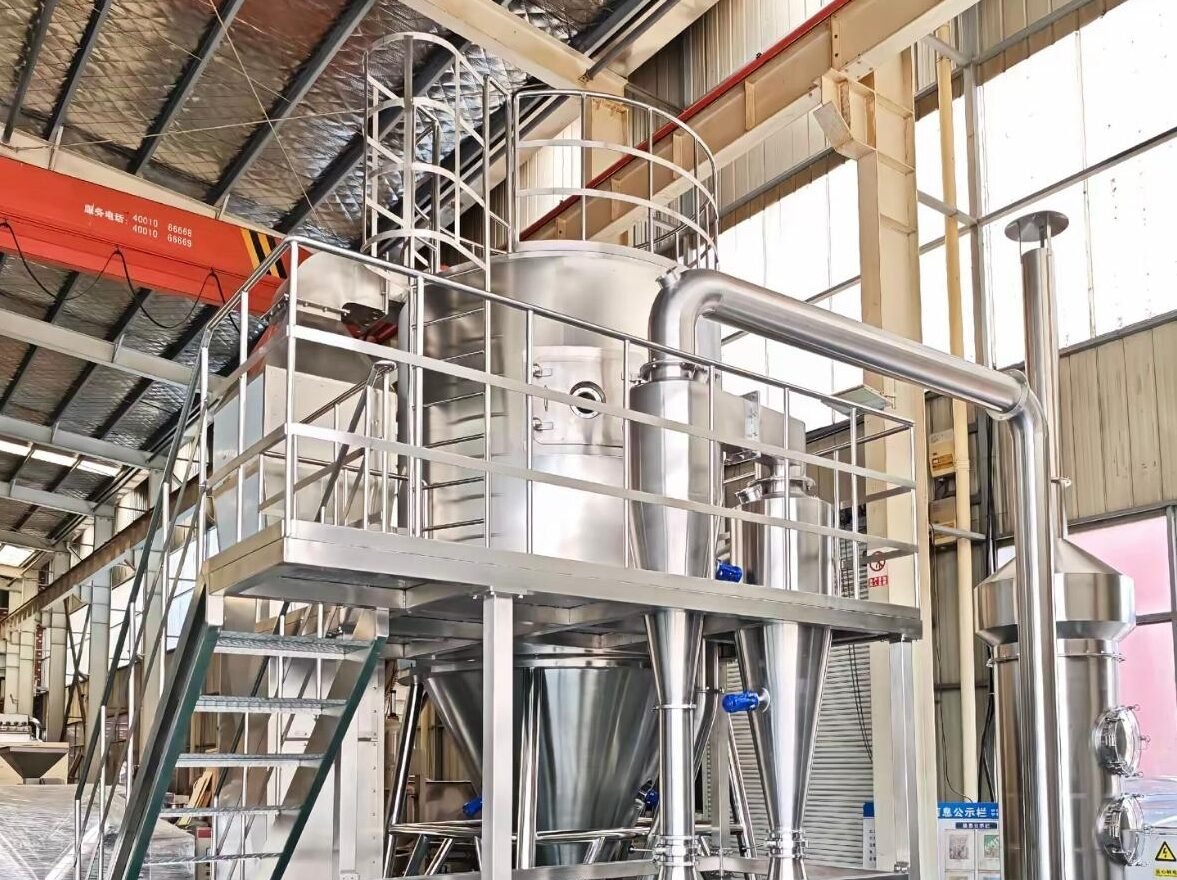
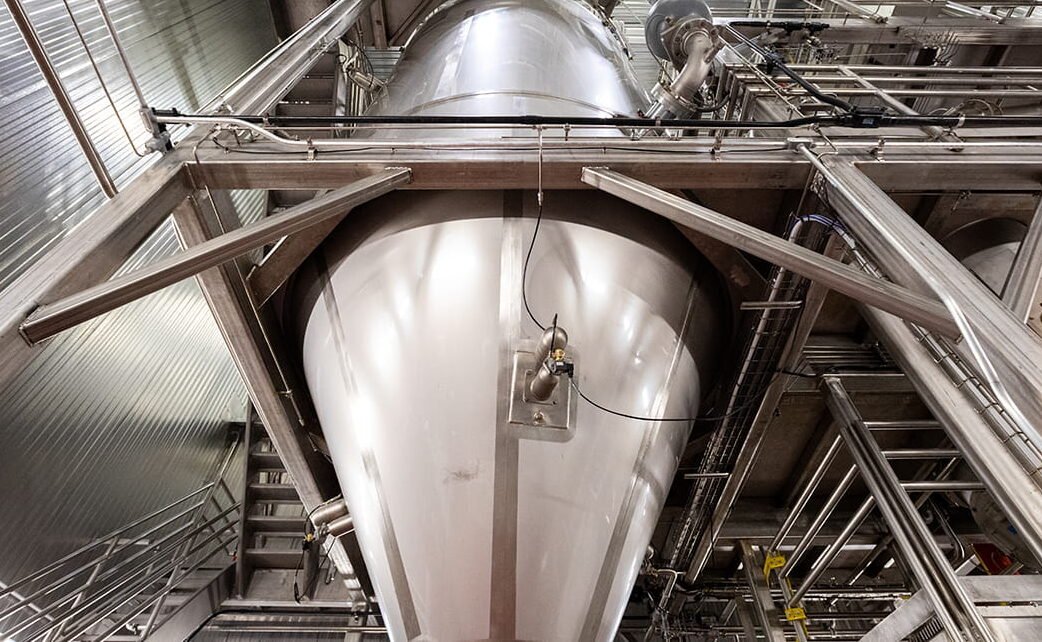
LPG-500 System Performance Data
- Feed Material: Concentrated Whole Milk
- Feed Solids Concentration: 45%
- Final Moisture Content: ≤ 3.5%
- Actual Water Evaporation: 500 kg/h
- Installed Model: JEXDRY LPG-500
- Heat Source: Steam + Electric Compensation
- Powder Collection: Cyclone + Bag Filter
Frequently Asked Questions
What is a milk powder spray dryer?
What is the difference between water evaporation capacity and powder output?
Which LPG model should I choose?
What inlet and outlet temperatures are used for milk powder?
Is a centrifugal or pressure nozzle dryer better for milk powder?
Can the dryer produce instant or agglomerated milk powder?
How can wall sticking be reduced?
Can the system be cleaned automatically?
How much does a milk powder spray dryer cost?
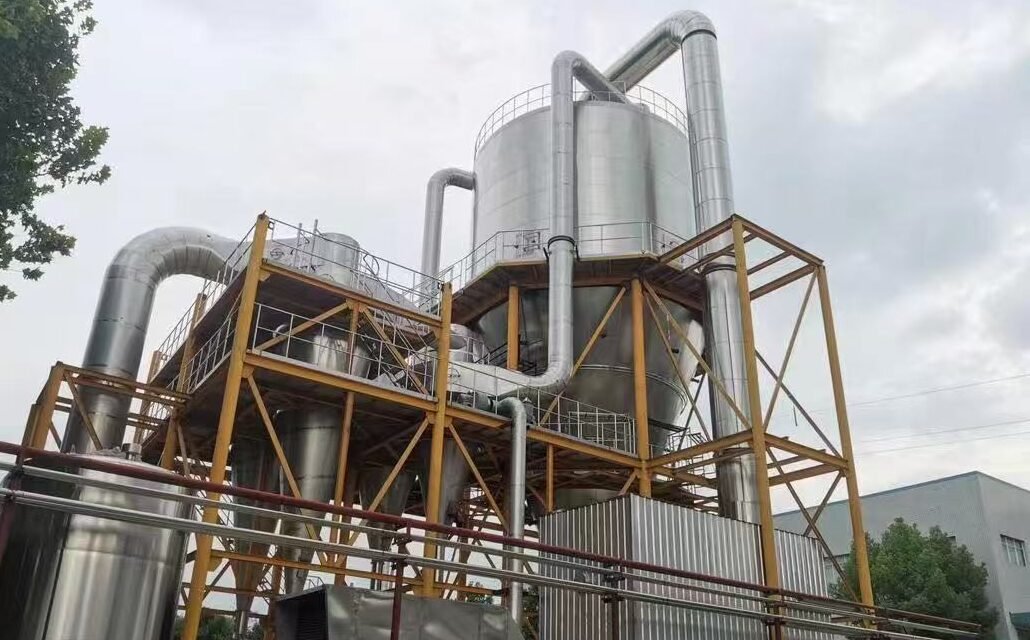
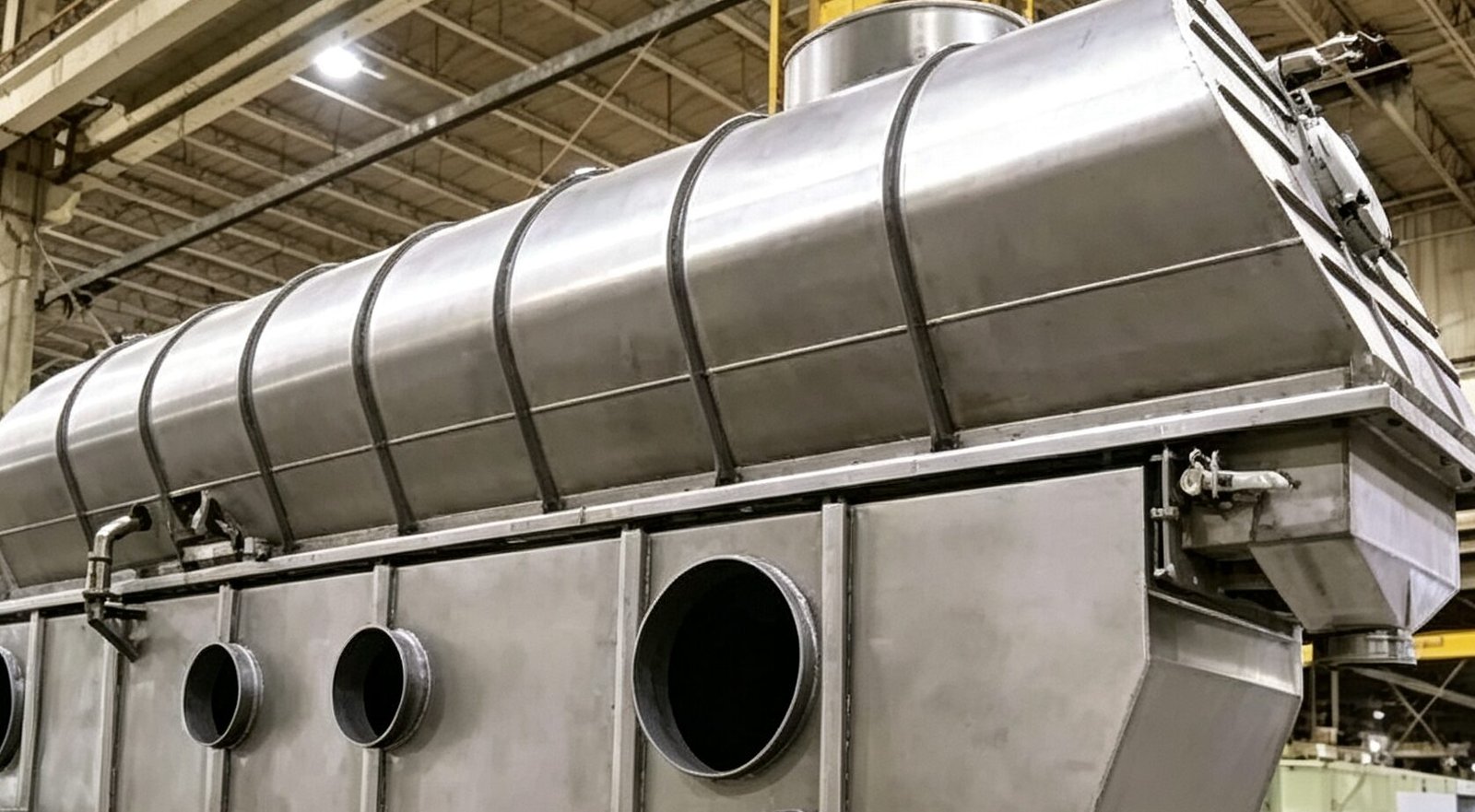
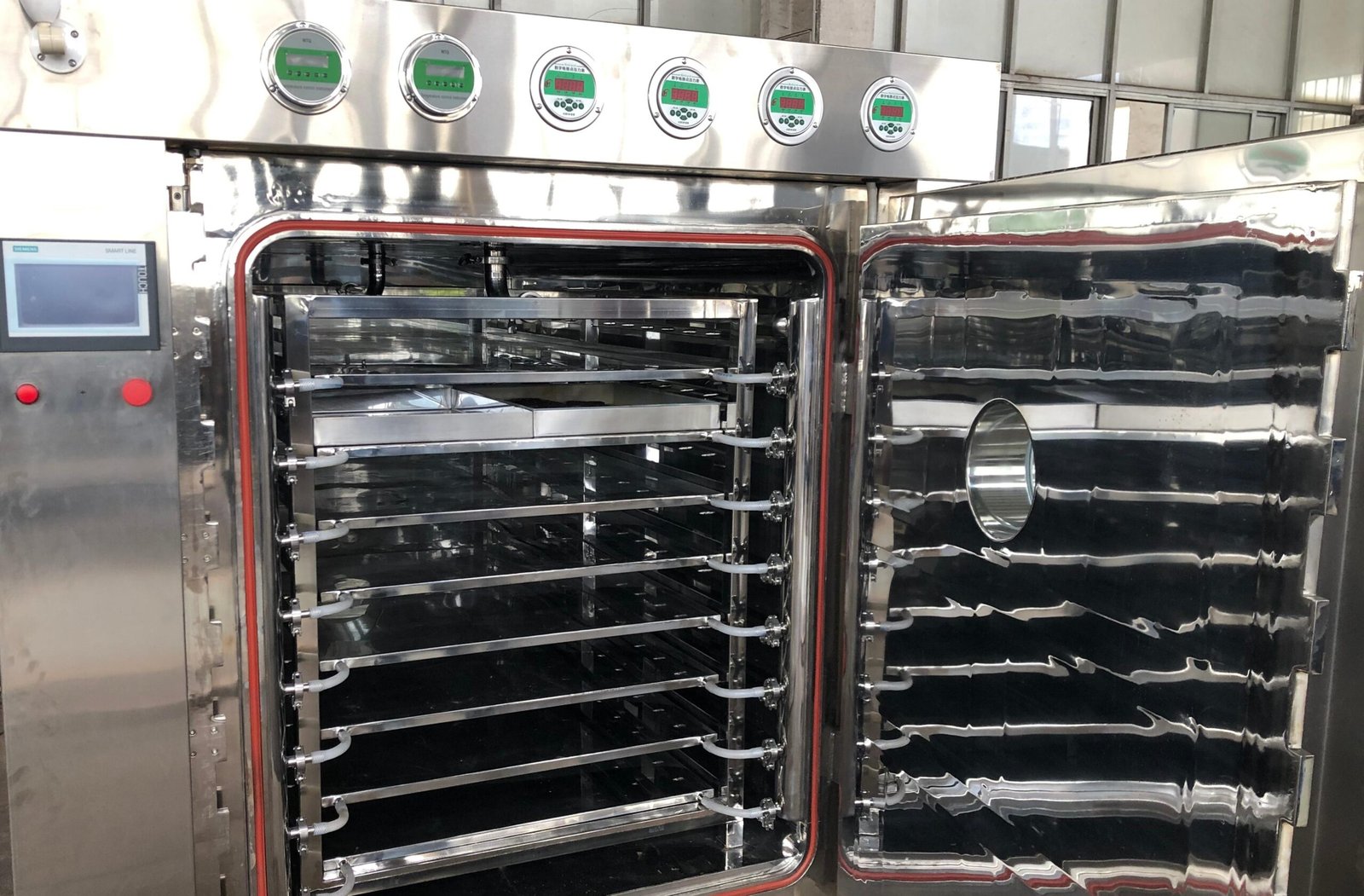
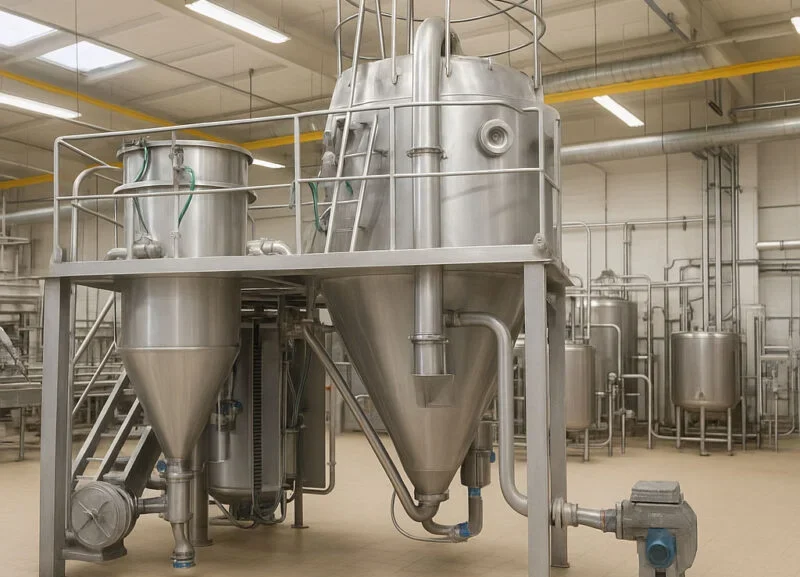
Related Equipment
Tell Us Your Milk Feed and Target Powder Requirements
Submit your raw material and target parameters. Our engineers will calculate the water evaporation load, recommend an initial LPG or YPG model, and suggest heat sources, collection methods, and optional downstream configurations.
Email Us
zar@jexdry.com
Call / WhatsApp
+86 137 7501 3369