Sludge Dryer Systems for Municipal and Industrial Sludge
JEXDRY designs sludge drying equipment around your sludge type, feed moisture, evaporation load, available heat source and
What Information Is Needed to Select a Sludge Dryer?
Dryer capacity cannot be selected from wet feed weight alone. We evaluate four critical factors to determine the correct equipment structure and thermal configuration.
1. Sludge Type and Composition
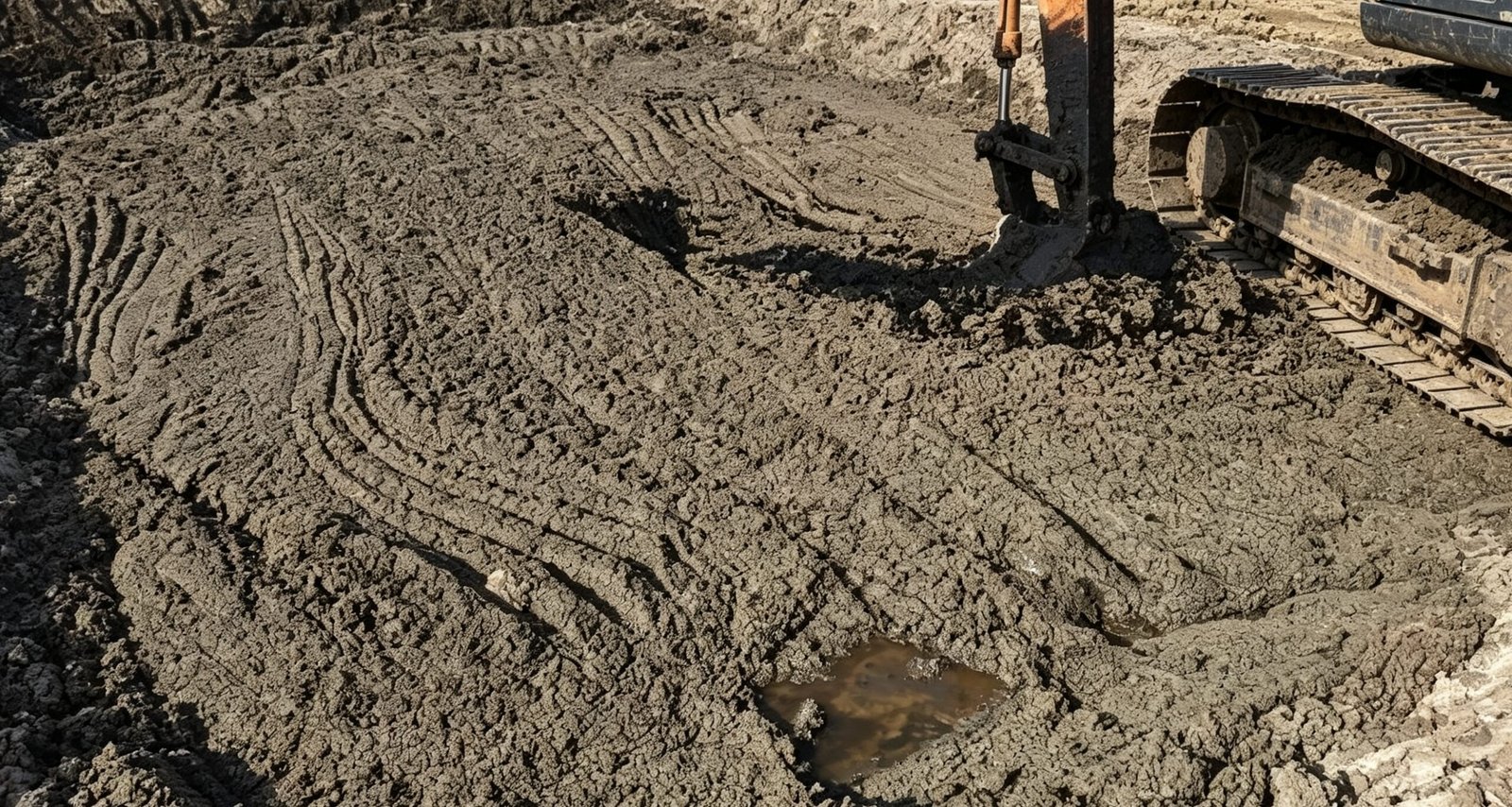
Identify whether the material is municipal sewage sludge, chemical sludge, high-salt filter cake, metal hydroxide, pulp sludge, or digestate residue.
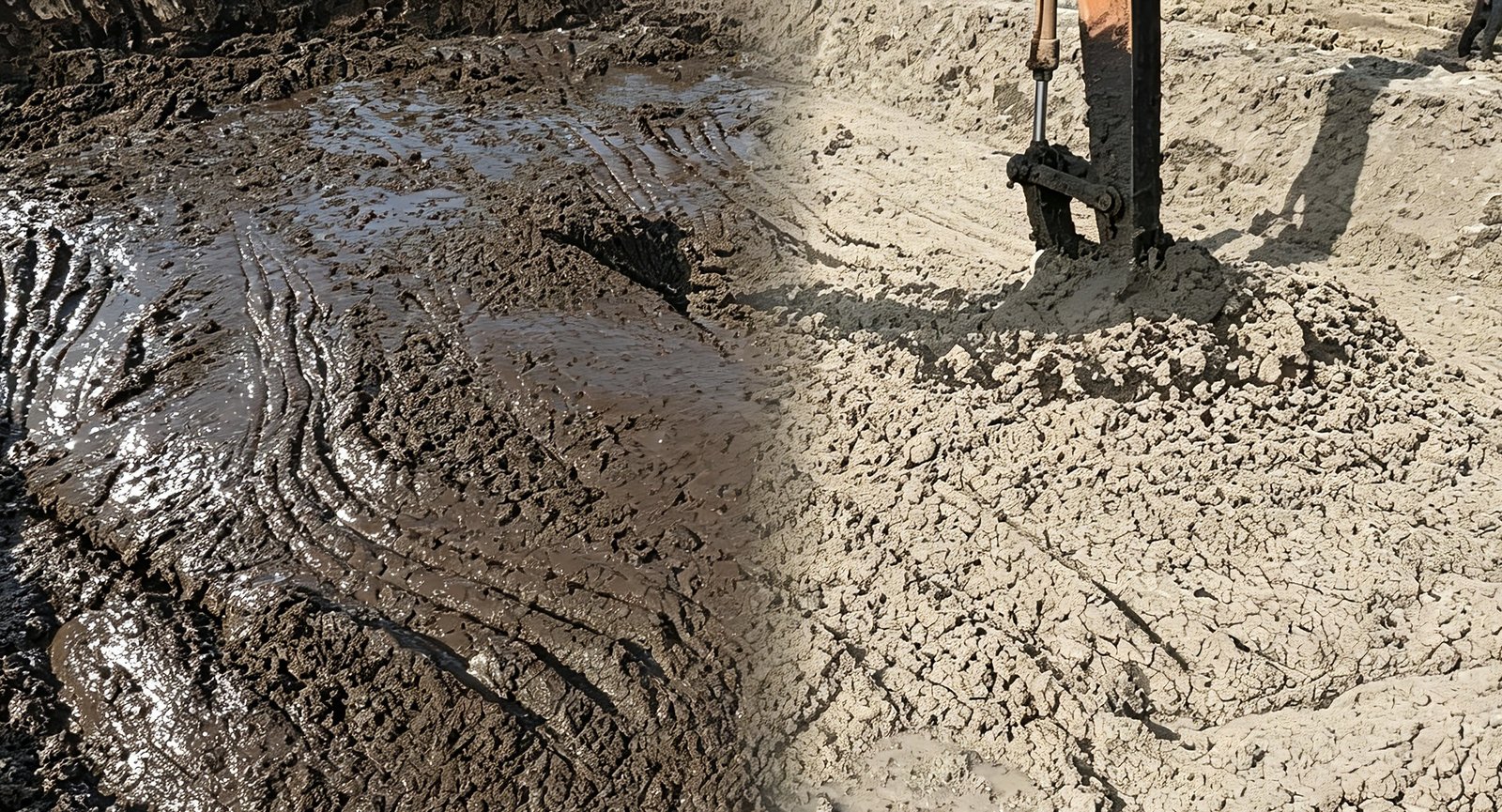
2. Feed and Target Moisture
Confirm the wet feed rate, initial moisture content (or feed DS), and required final moisture (or target DS) to calculate the evaporation load.
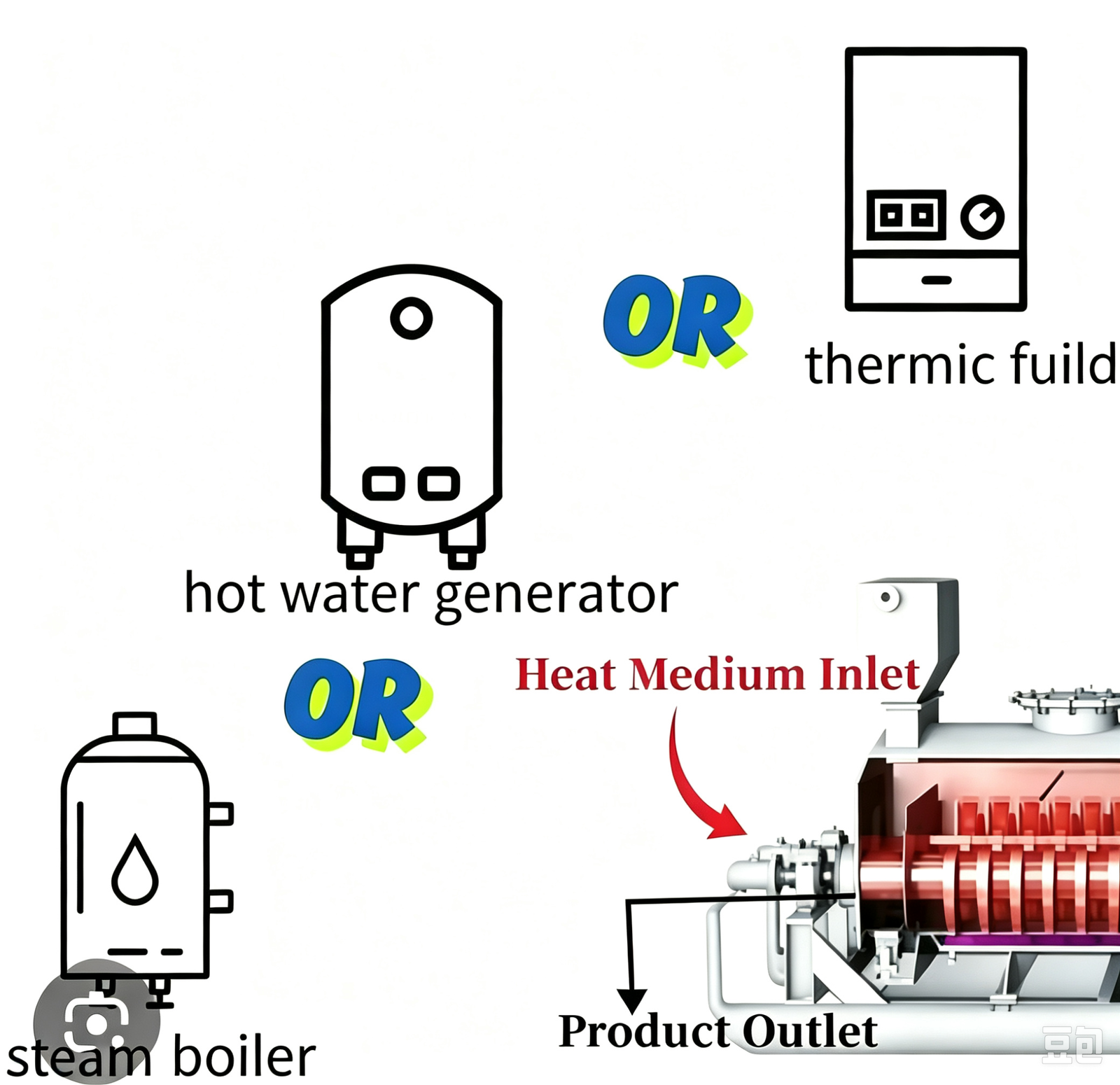
3. Available Heat Source
Identify available utilities: saturated steam, thermal oil, hot water, heat pump, factory waste heat, natural gas, or hot air.
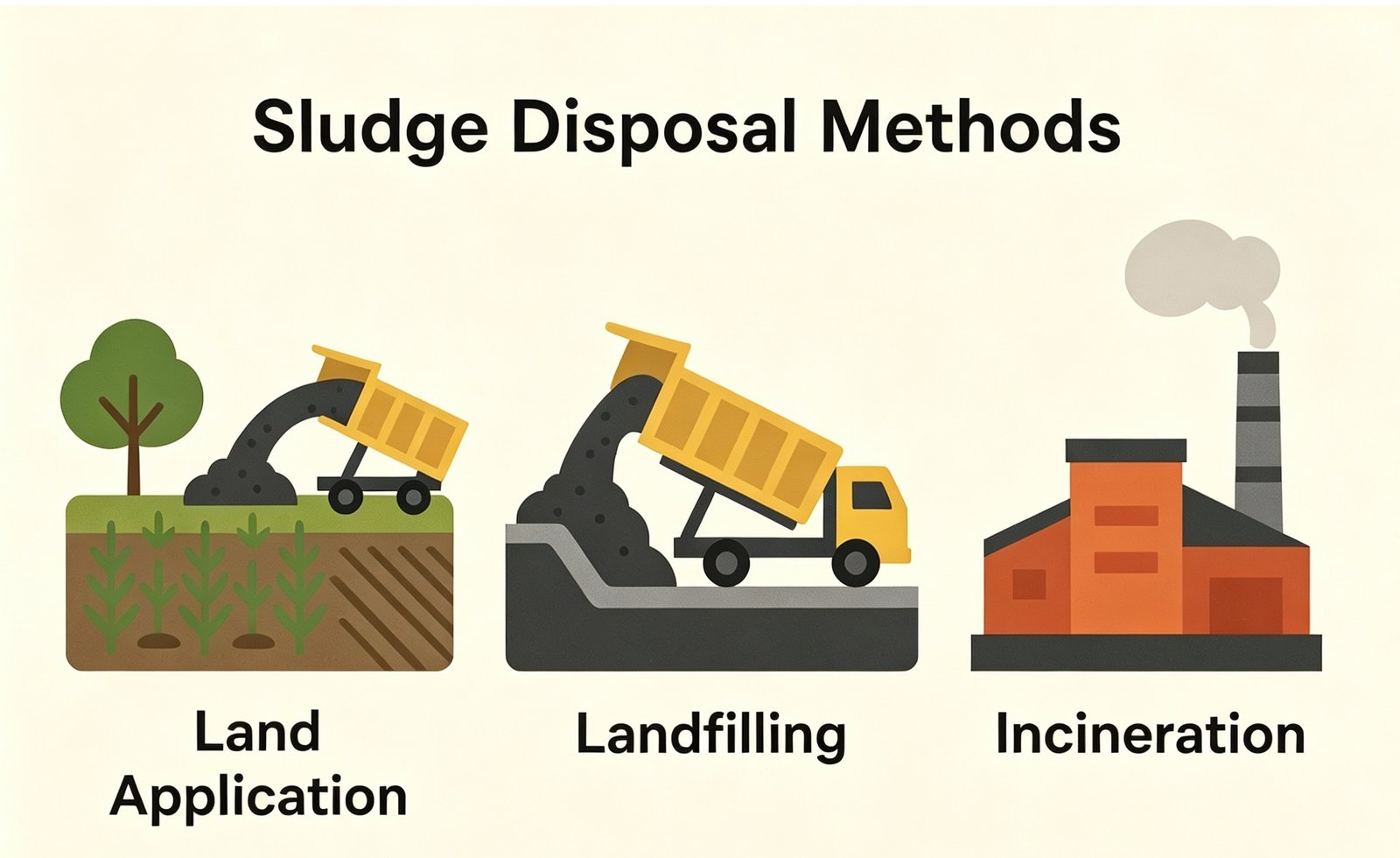
4. Final Disposal or Reuse
Determine if the dried product is intended for landfill, incineration, co-processing, fuel conversion, fertilizer, or other resource recovery routes.
What Is a Sludge Dryer?
A sludge dryer is thermal processing equipment used after mechanical dewatering to remove additional moisture from sludge cake by evaporation.
Typically positioned downstream of filter presses, centrifuges, or screw presses, the thermal drying process aims to further reduce the mass and volume of the sludge. This reduction minimizes transportation costs and prepares the material for storage, incineration, disposal, or validated resource recovery.
Different dryer designs utilize indirect conduction, direct hot air convection, or vacuum low-temperature drying depending on the material behavior. It is important to note that a sludge dryer cannot replace upstream mechanical dewatering equipment.
Typical Sludge Processing Flow
Common Problems in Sludge Drying Projects
Thermal processing of sludge presents specific engineering challenges that require proper equipment selection and system design.
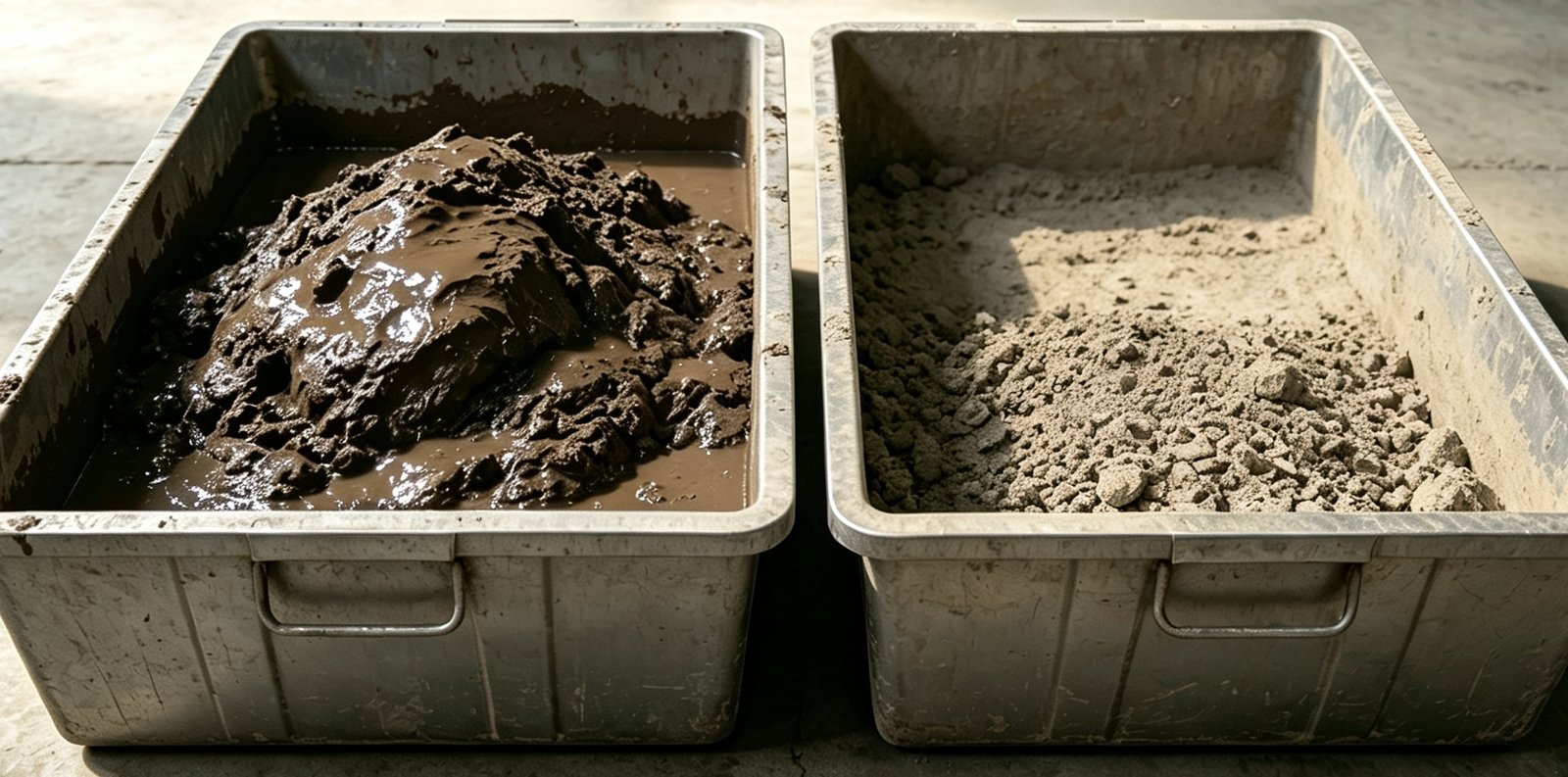
High Transportation and Disposal Cost
The high water content in wet sludge drastically increases storage requirements, transportation trips, and weight-based disposal fees. Effective volume reduction is crucial for lowering overall operational expenses.
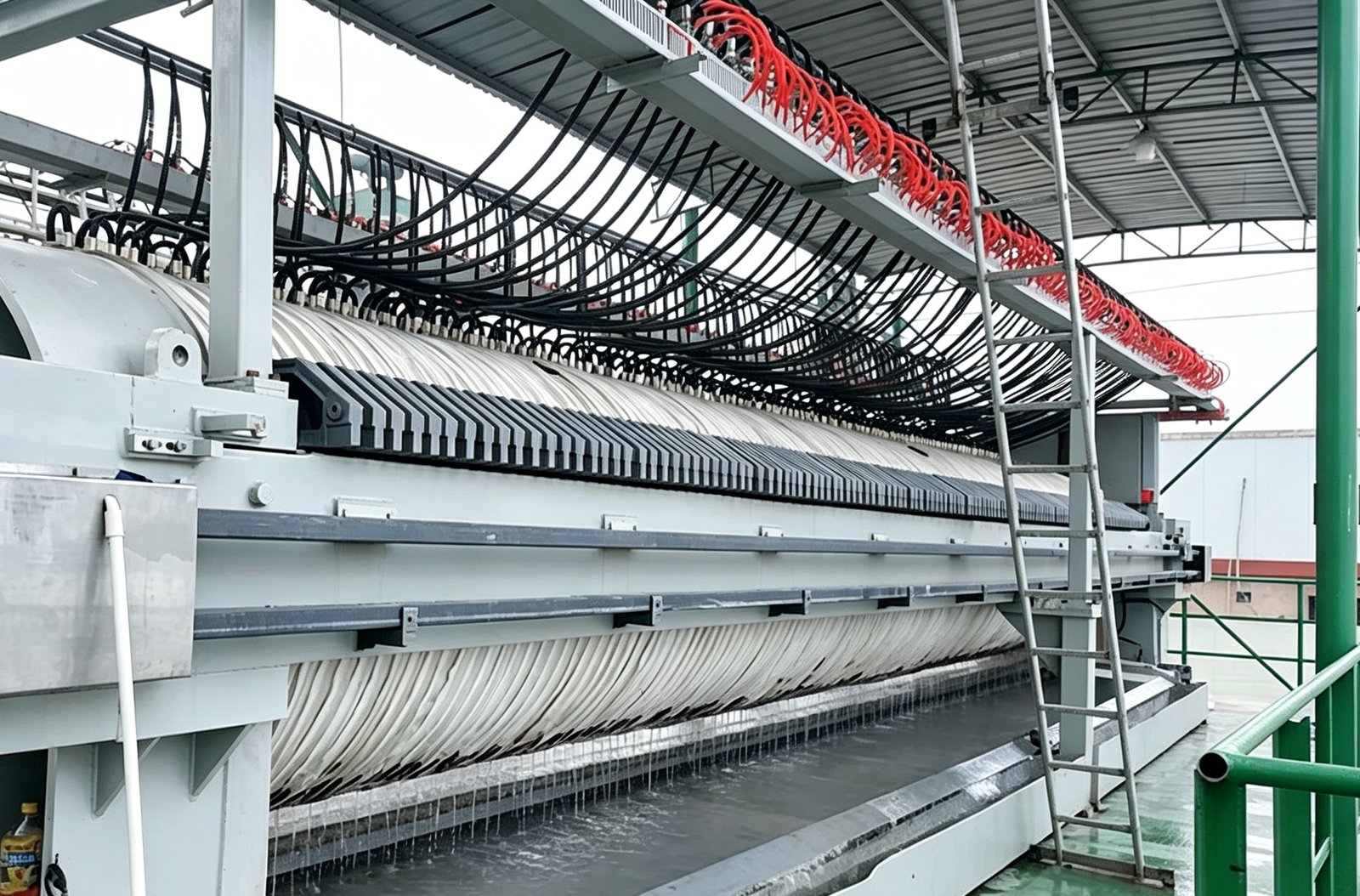
Mechanical Dewatering Is Not Enough
While filter presses, centrifuges, or screw presses remove free water, many projects require thermal drying to further reduce moisture levels to meet strict criteria for safe storage, transport, incineration, or subsequent processing.
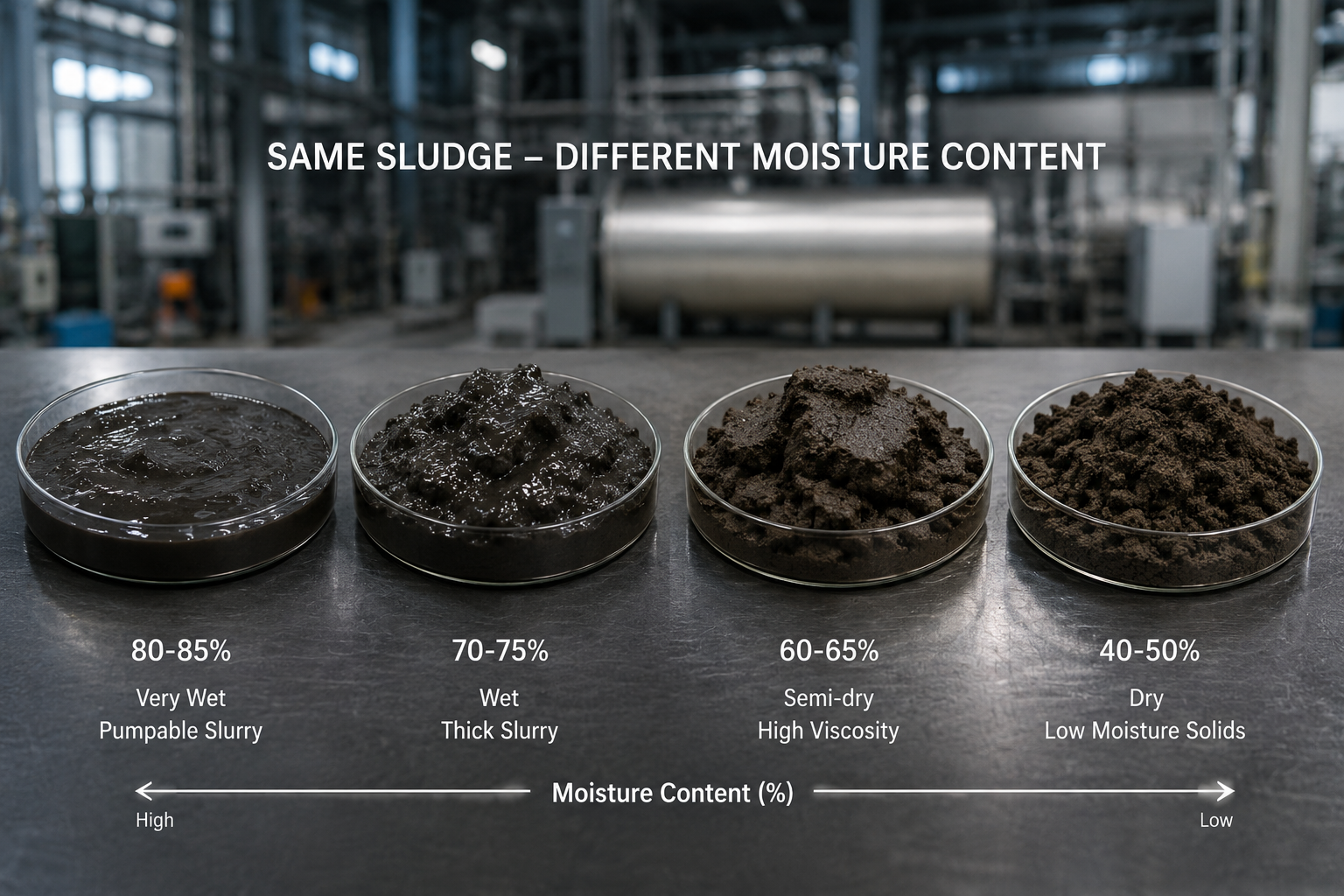
Variable Sludge Composition and Feed Solids
Fluctuations in upstream conditions can alter sludge origin, feed dry solids (DS), salinity, organics, and particle composition, leading to unstable evaporation loads and challenging material handling states.
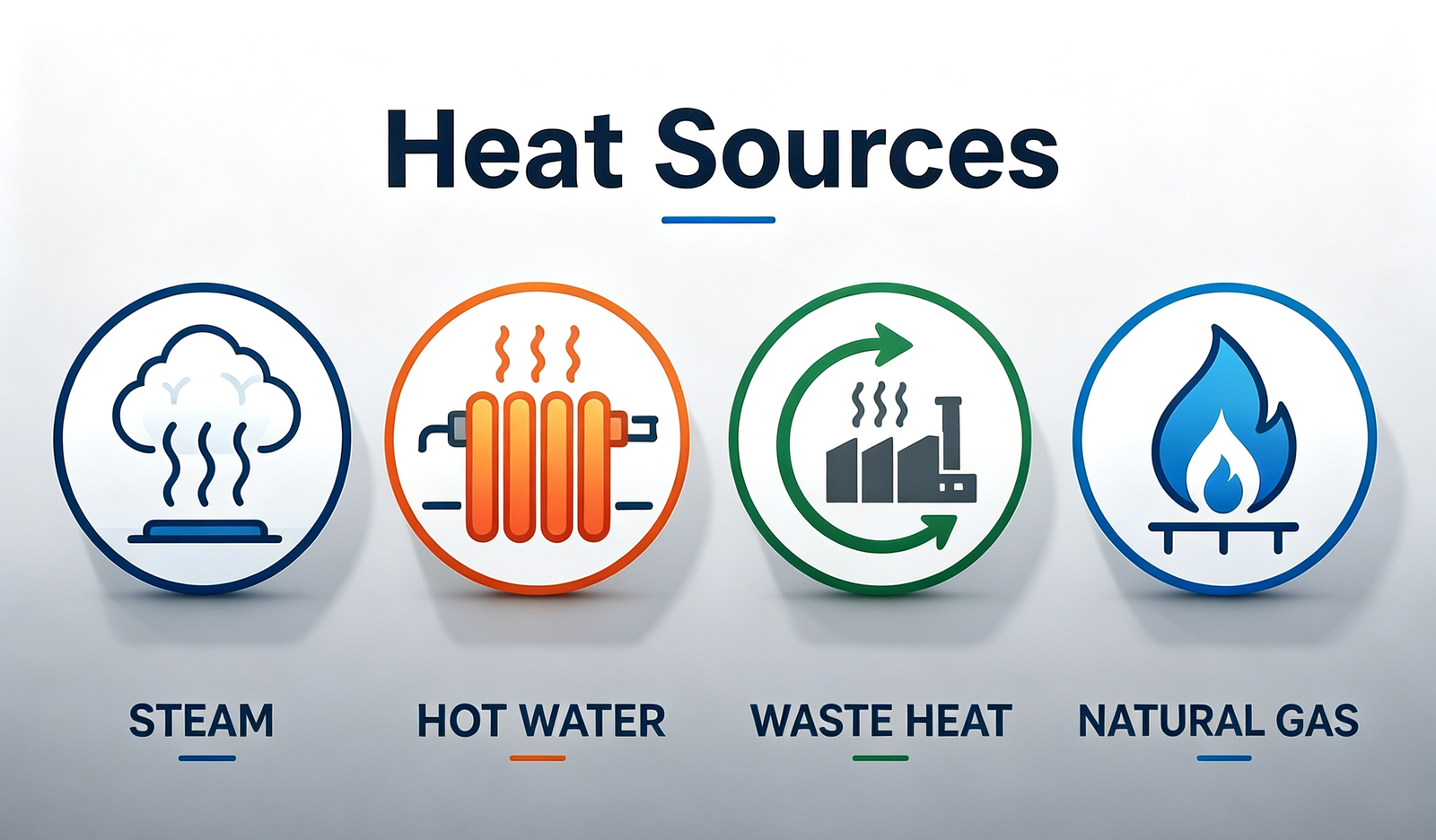
Limited or Unstable Heat Sources
Facilities often rely on available on-site energy like low-pressure steam, hot water, waste heat, heat pumps, or direct hot air. The drying system—whether paddle, belt, rotary, or rake—must be tailored to match these specific heat sources.
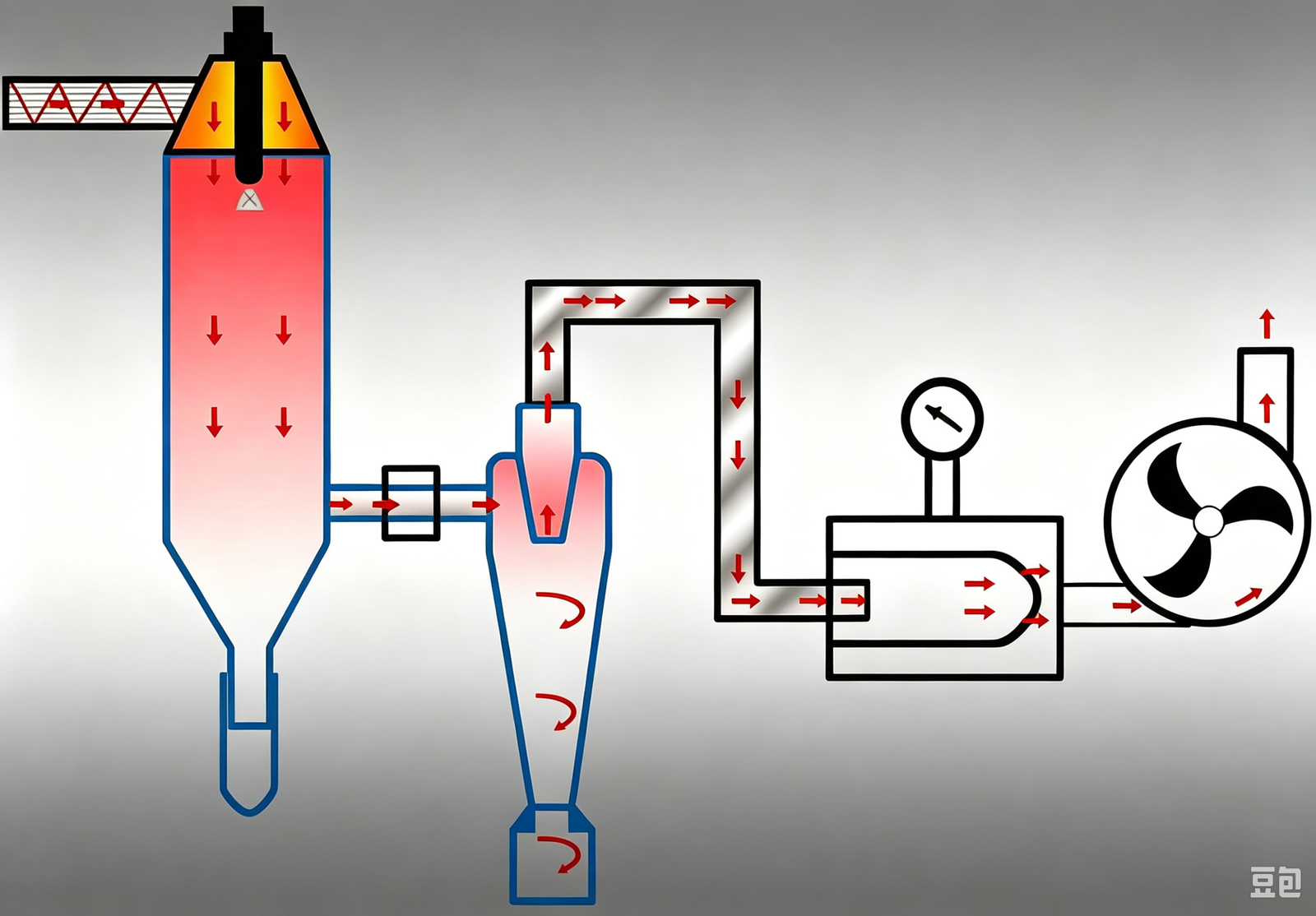
Odor, Dust and Emission Requirements
Thermal processing can release water vapor, dust, odors, and VOCs. Depending on the drying method and sludge composition, the system must integrate appropriate exhaust treatments like condensers, cyclones, bag filters, wet scrubbers, or deodorization units.
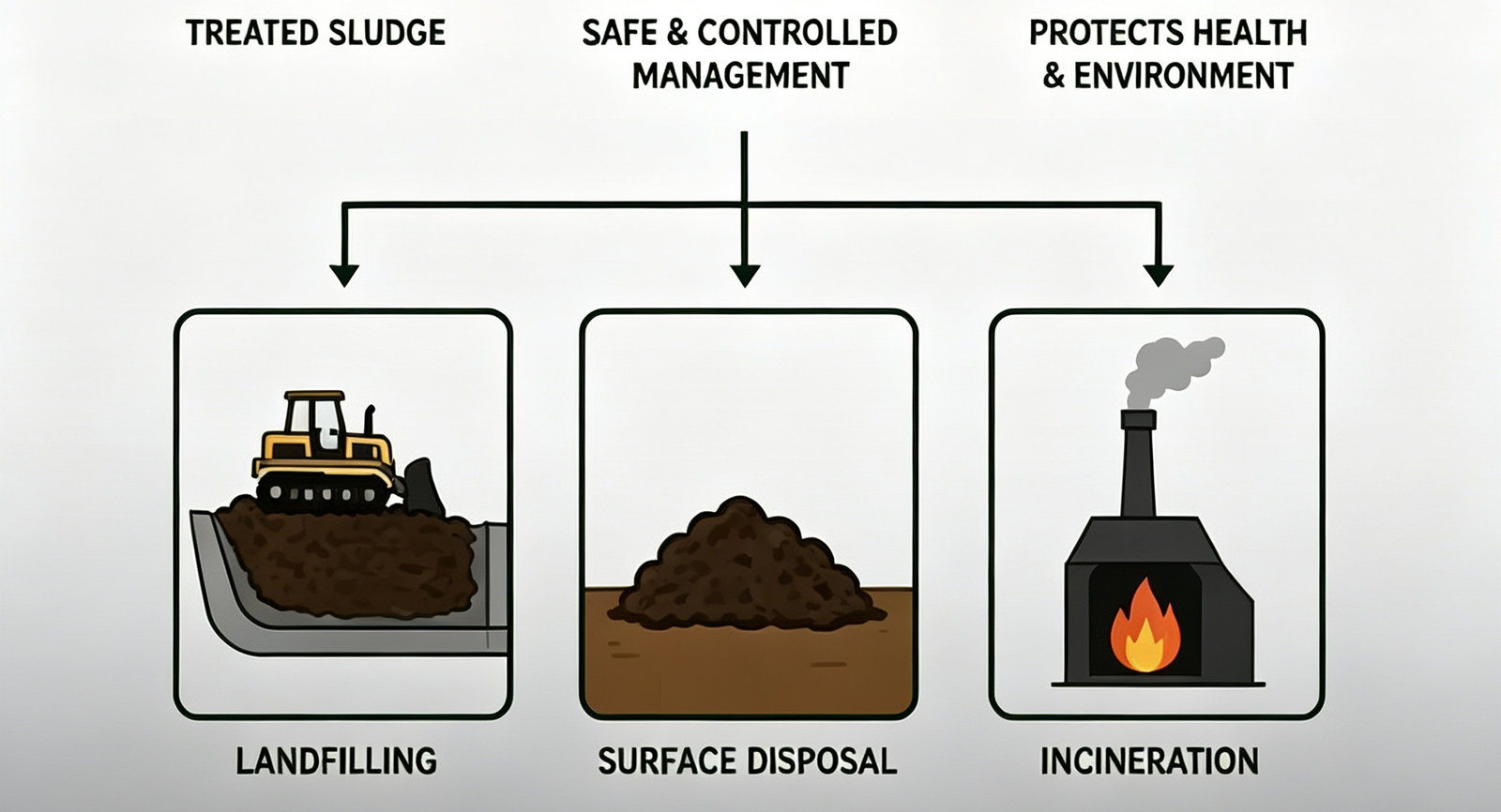
Different Disposal or Reuse Targets
Whether the final goal is landfilling, incineration, co-processing, fuel conversion, or other resource recovery, each route dictates specific final moisture levels, product forms, and safety standards, directly influencing the choice of drying technology.
Sludge Types We Evaluate
We do not suggest one dryer fits all. Equipment structure is selected based on the specific material characteristics of your sludge.
Municipal Sewage Sludge
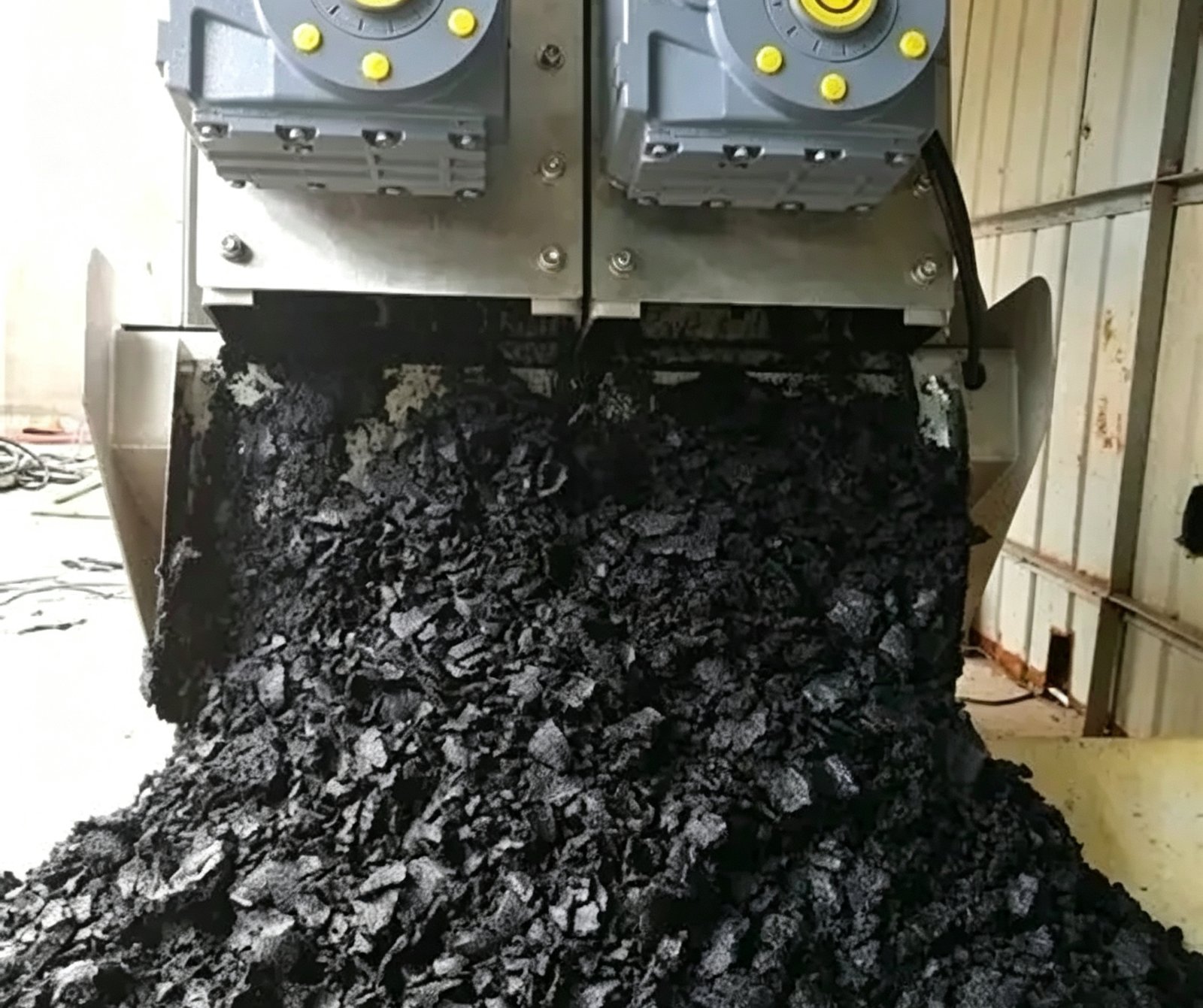
Source: WWTP biological and primary processes.
Challenge: High organic content, pronounced sticky phase during drying.
Industrial Wastewater Sludge
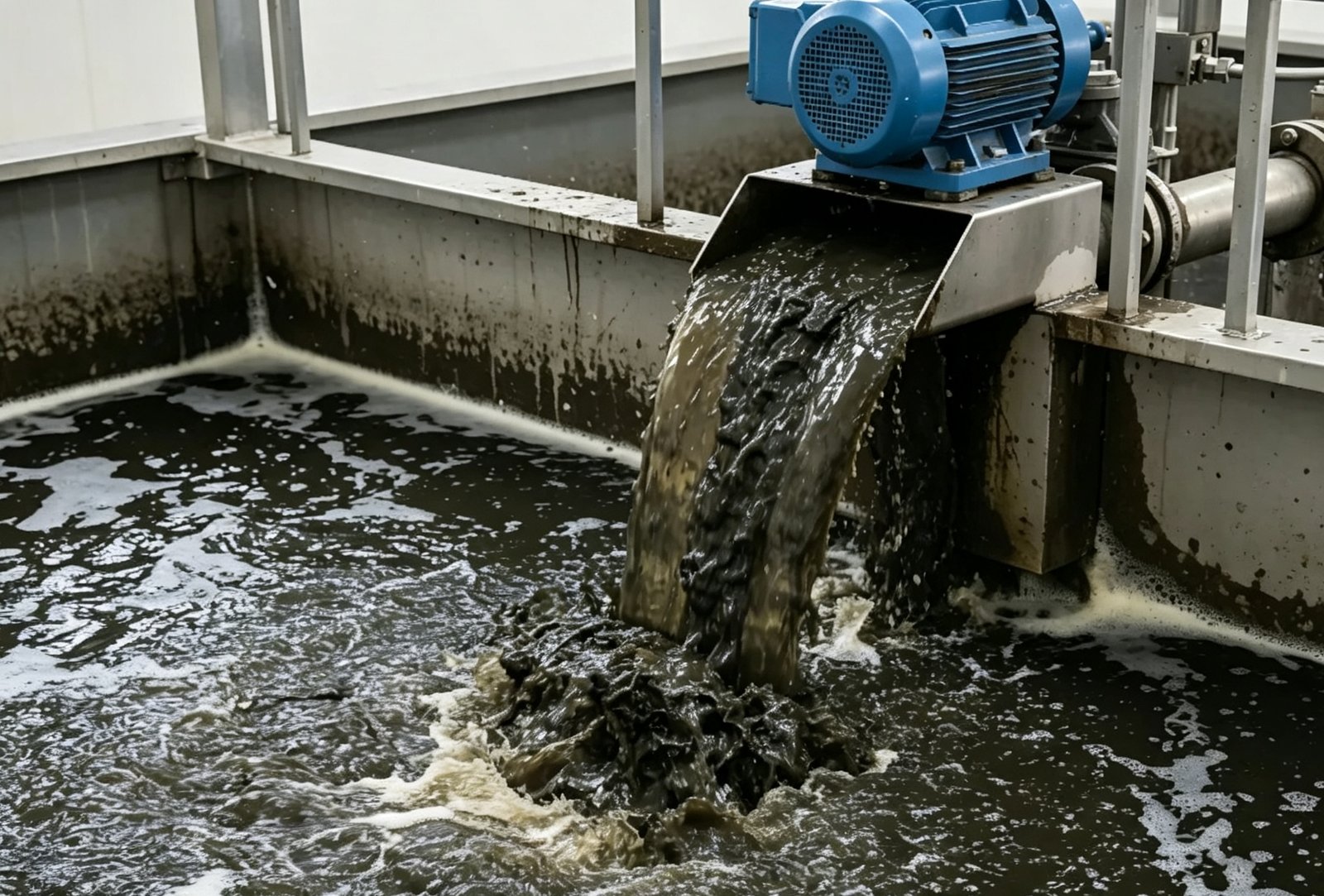
Source: Manufacturing facility effluent treatment.
Challenge: Variable composition, potential VOC emissions during heating.
Chemical & High-Salt Sludge
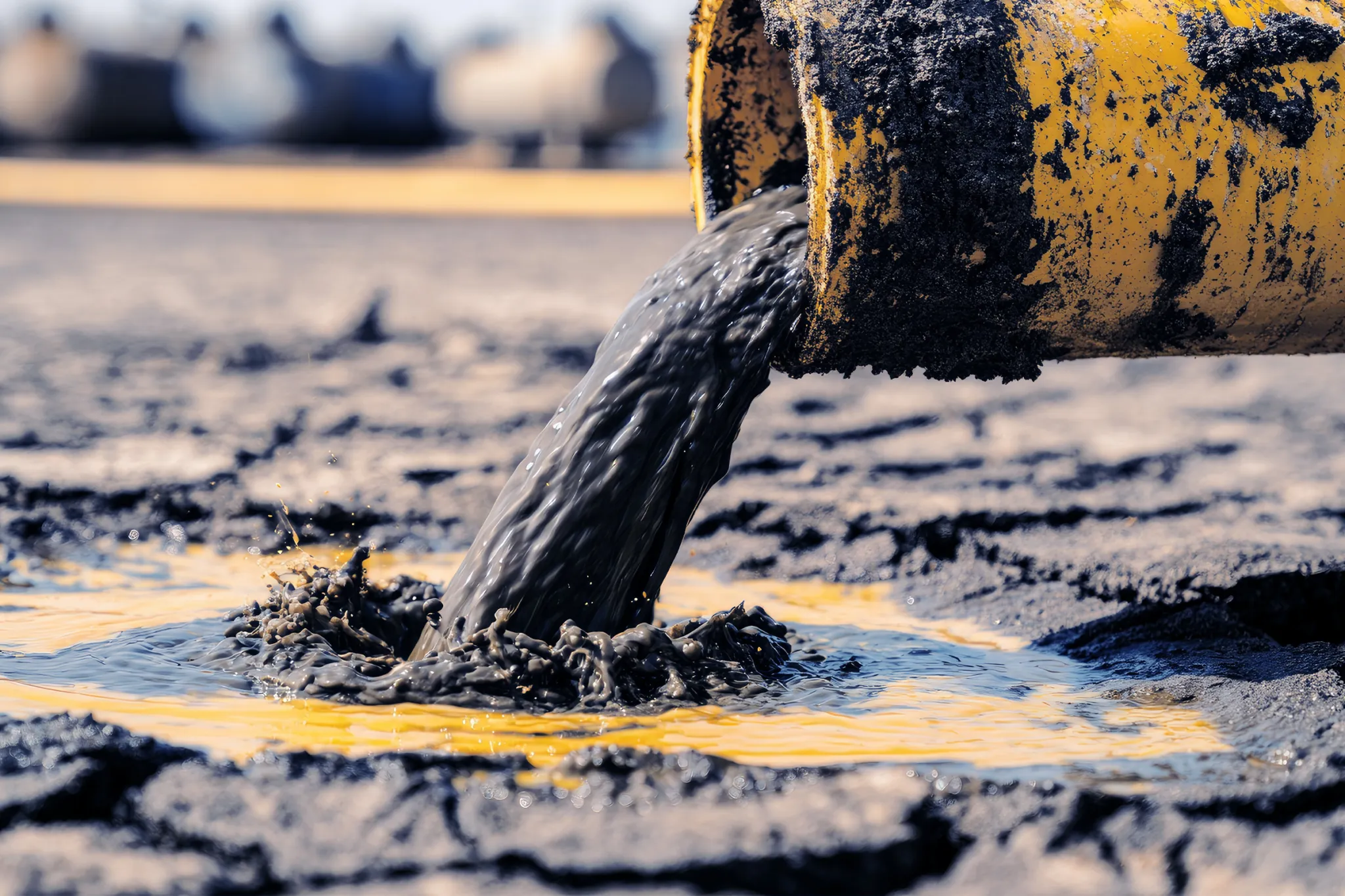
Source: Chemical plants, zero liquid discharge (ZLD) systems.
Challenge: High corrosivity (chlorides), severe abrasion, scaling risks.
Metal Hydroxide Sludge
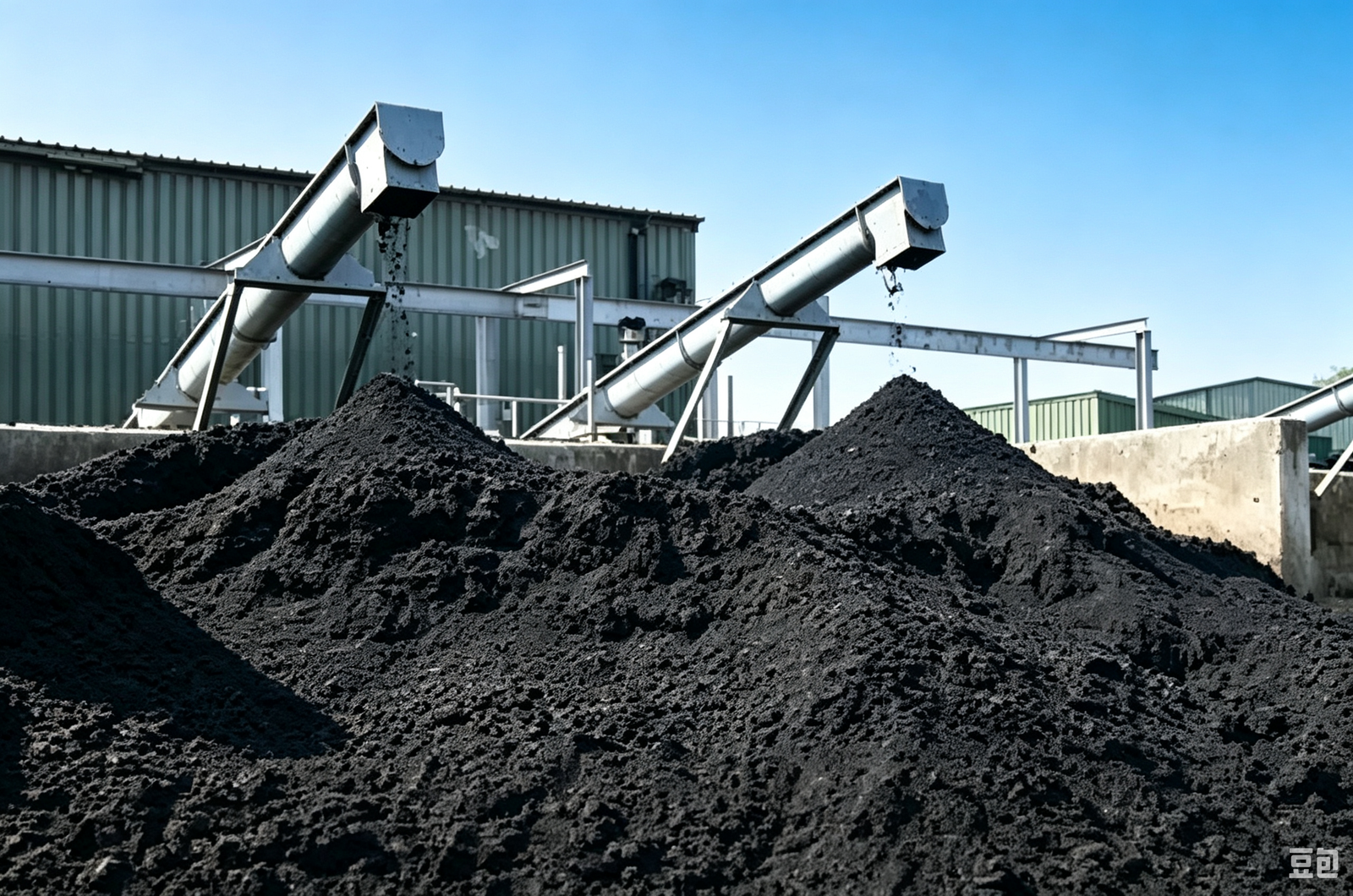
Source: Electroplating, surface finishing, metal processing.
Challenge: Dense filter cake, hazardous material handling requirements.
Pulp and Paper Sludge
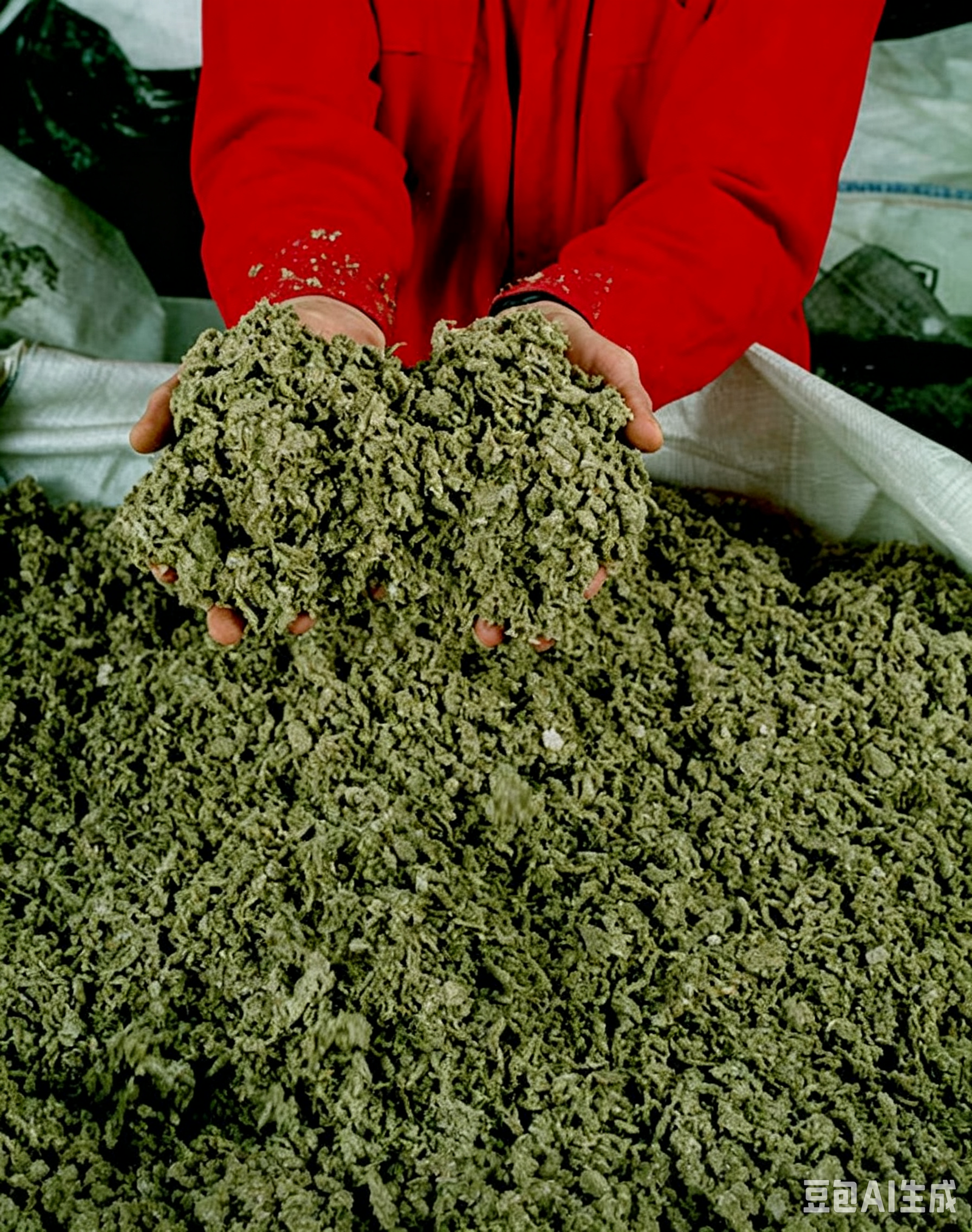
Source: Paper mills, cellulose processing.
Challenge: Fibrous nature, large processing volumes, high water retention.
Biomass & Digestate
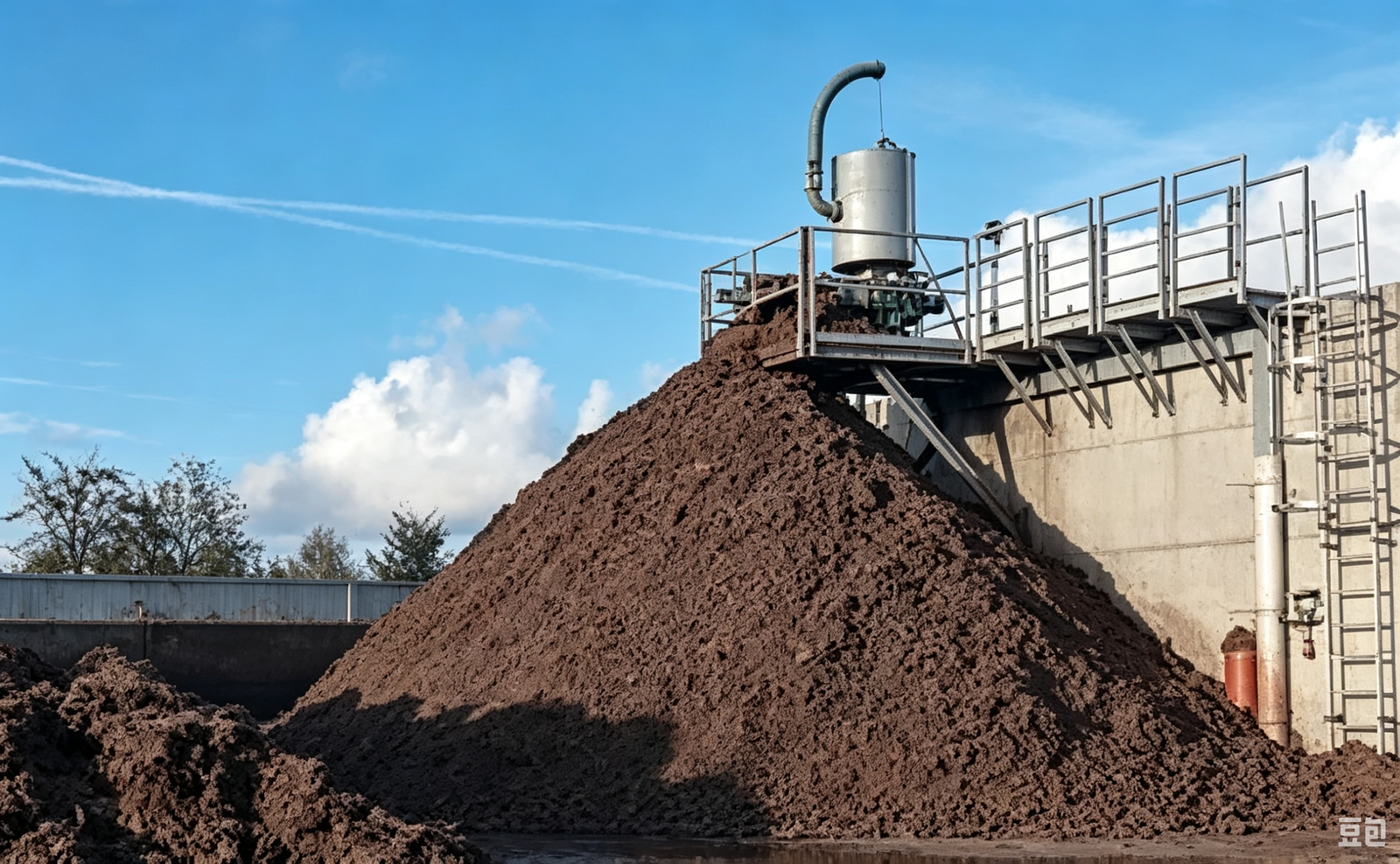
Source: Anaerobic digestion plants, biogas facilities.
Challenge: Odor control, maintaining nutrient value for potential fertilizer use.
Four Sludge Dryer Types for Different Process Conditions
JEXDRY does not rely on a single machine to cover all sludge types. We select the thermal drying route based on material consistency, operating mode, available heat source, evaporation capacity, and final disposal requirements.
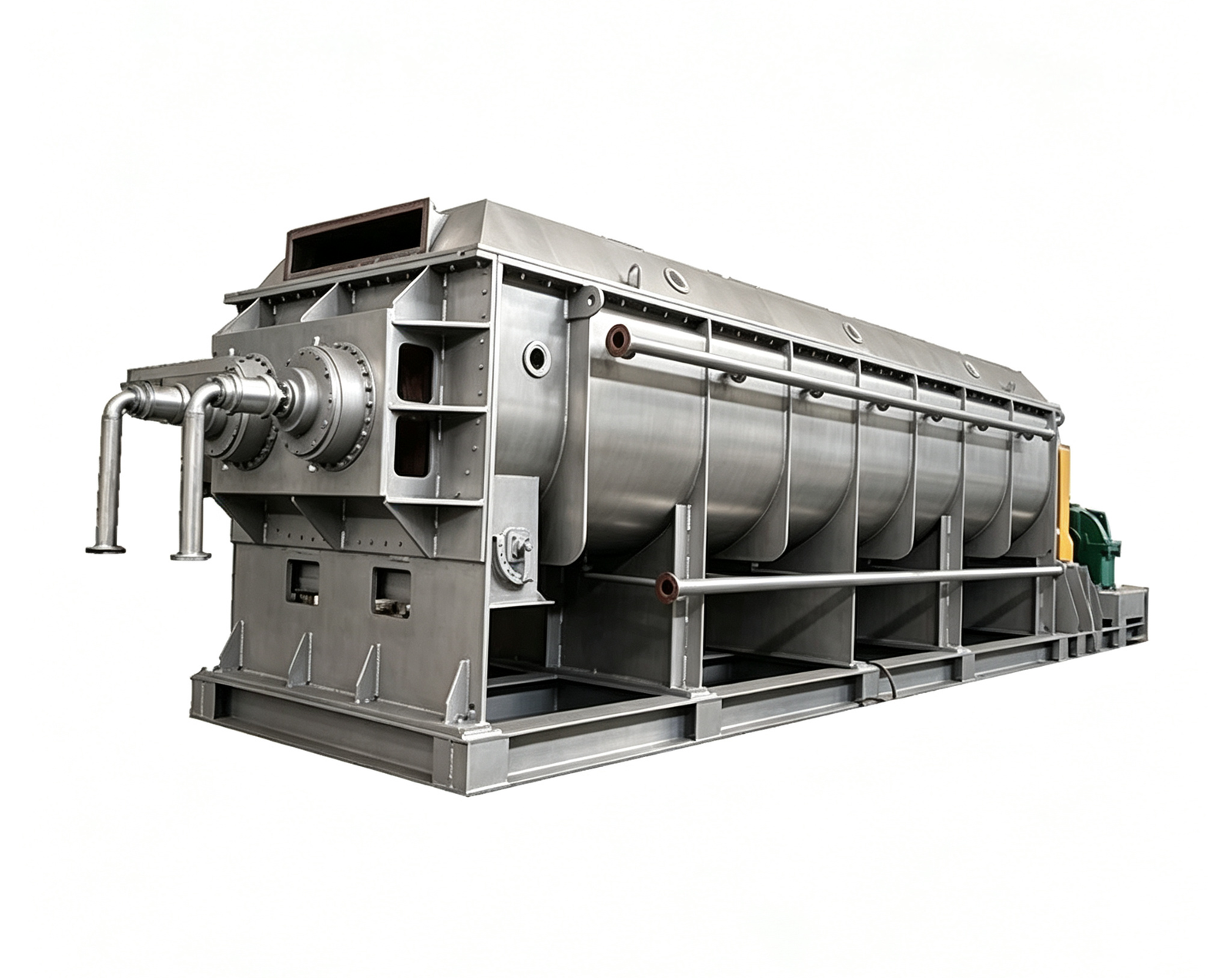
Hollow Paddle Sludge Dryer
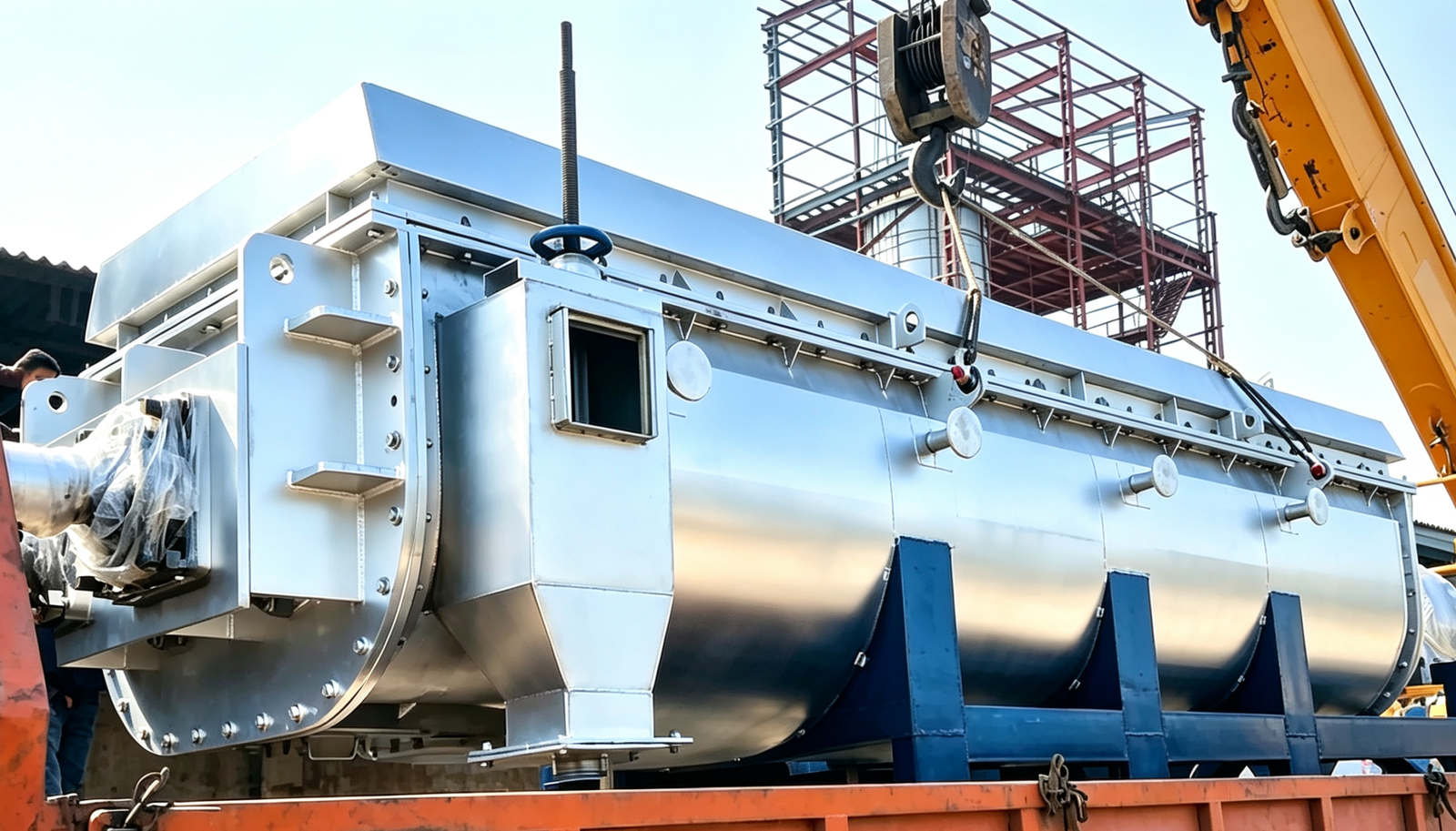
The hollow paddle dryer is primarily suited for municipal sewage sludge, industrial wastewater sludge, chemical sludge, high-salt materials, and metal hydroxide filter cakes. It utilizes a jacketed trough, hollow shafts, and hollow wedge-shaped paddles for indirect heat transfer.
Low-speed, high-torque agitation helps the material navigate the sticky phase without massive agglomeration. The heating medium (typically saturated steam or thermal oil) does not directly contact the sludge. This results in a non-condensable off-gas volume that is typically smaller than large direct hot-air systems.
For high-chloride, high-salt, or abrasive sludge, contact materials and wear-resistant strategies are selected specifically for the project conditions.
Low-Temperature Belt Sludge Dryer
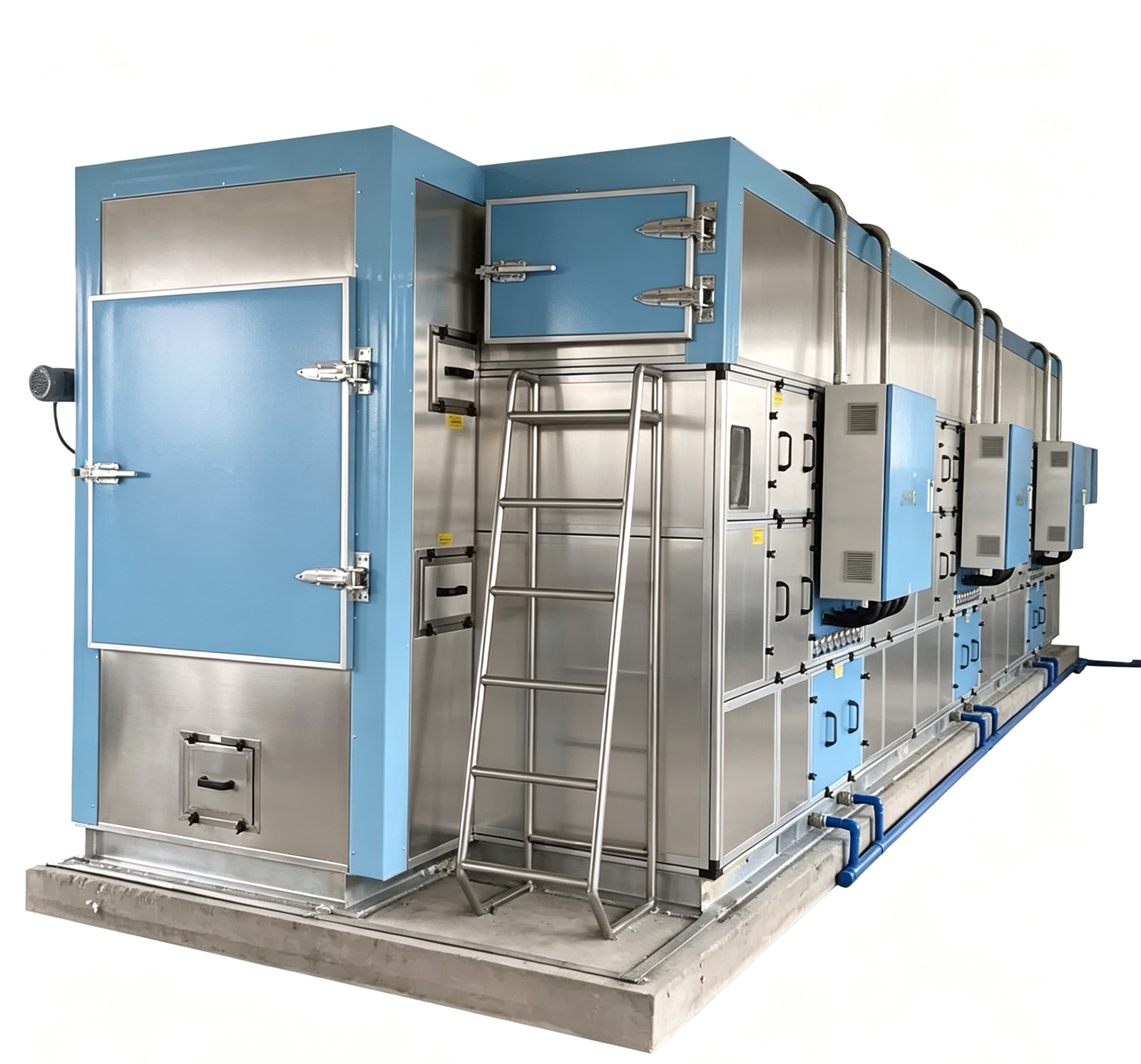
Suitable for municipal sludge and WWTP dewatered sludge where low-grade waste heat is available. Sludge is extruded into noodles or distributed evenly onto a moving mesh belt.
Circulating hot air passes through or over the sludge layer to remove moisture. The system can utilize heat pumps, hot water, or factory waste heat, making it ideal for continuous operation under milder temperature conditions.
Successful operation requires stable upstream mechanical dewatering, uniform material distribution, and sufficient bed permeability. System dimensions, circulating air volume, and exhaust treatment must be engineered based on the specific processing capacity.
Rotary Drum Sludge Dryer
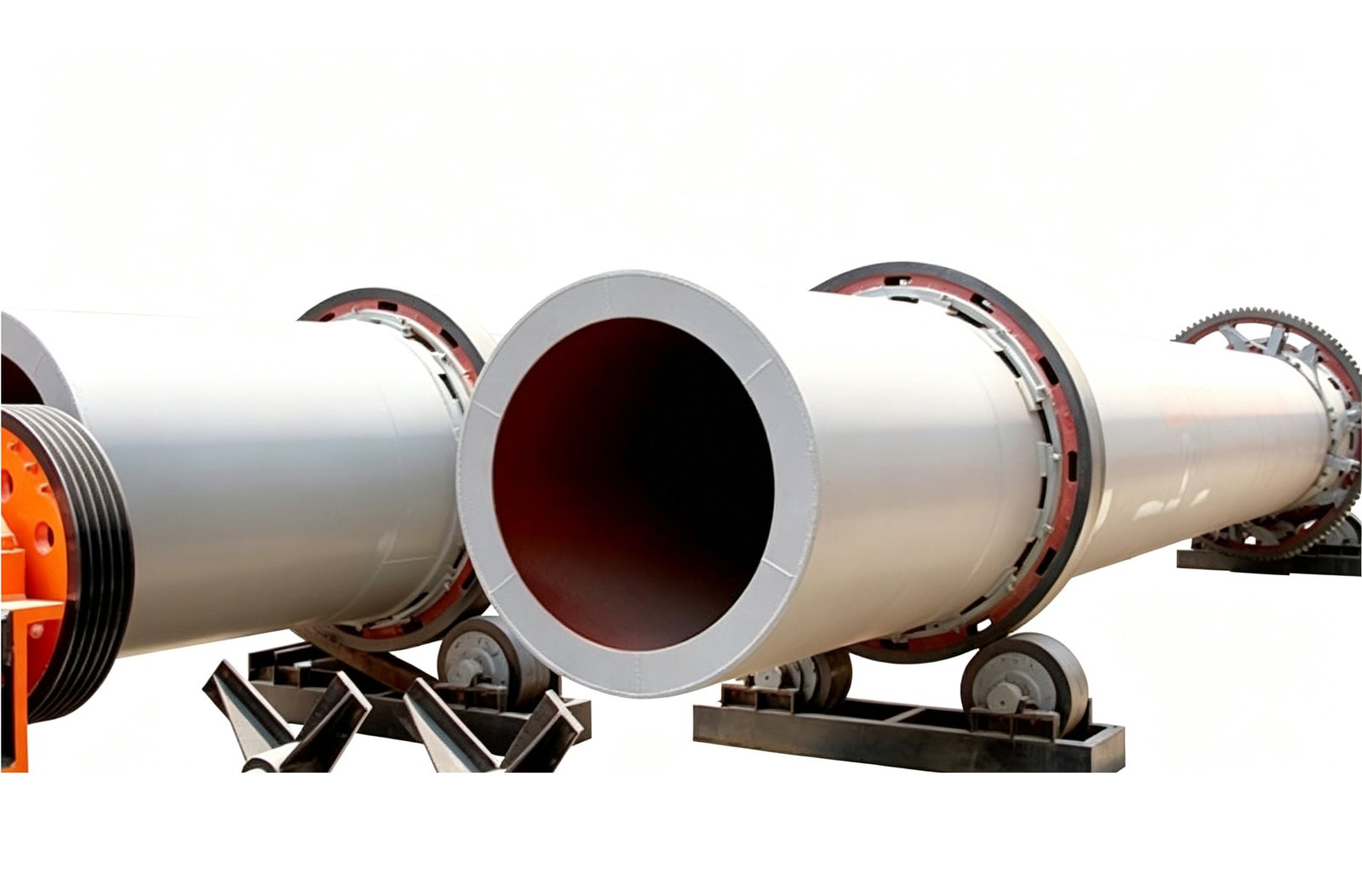
Often selected for pulp and paper sludge, biomass sludge, digestate, and projects requiring high volumetric throughput. Hot air or flue gas comes into direct contact with the material inside a rotating cylinder.
Internal lifting flights shower the material through the hot gas stream. This technology is highly advantageous for materials that are conditioned, granulated, or exhibit reasonable flowability. Highly viscous dewatered filter cake may require back-mixing with dry solids, shredding, or other pre-treatment before feeding.
Direct hot air systems typically necessitate a more comprehensive configuration for cyclones, dust collection, odor control, and exhaust gas scrubbing due to the larger volume of process air.
Vacuum Rake Sludge Dryer
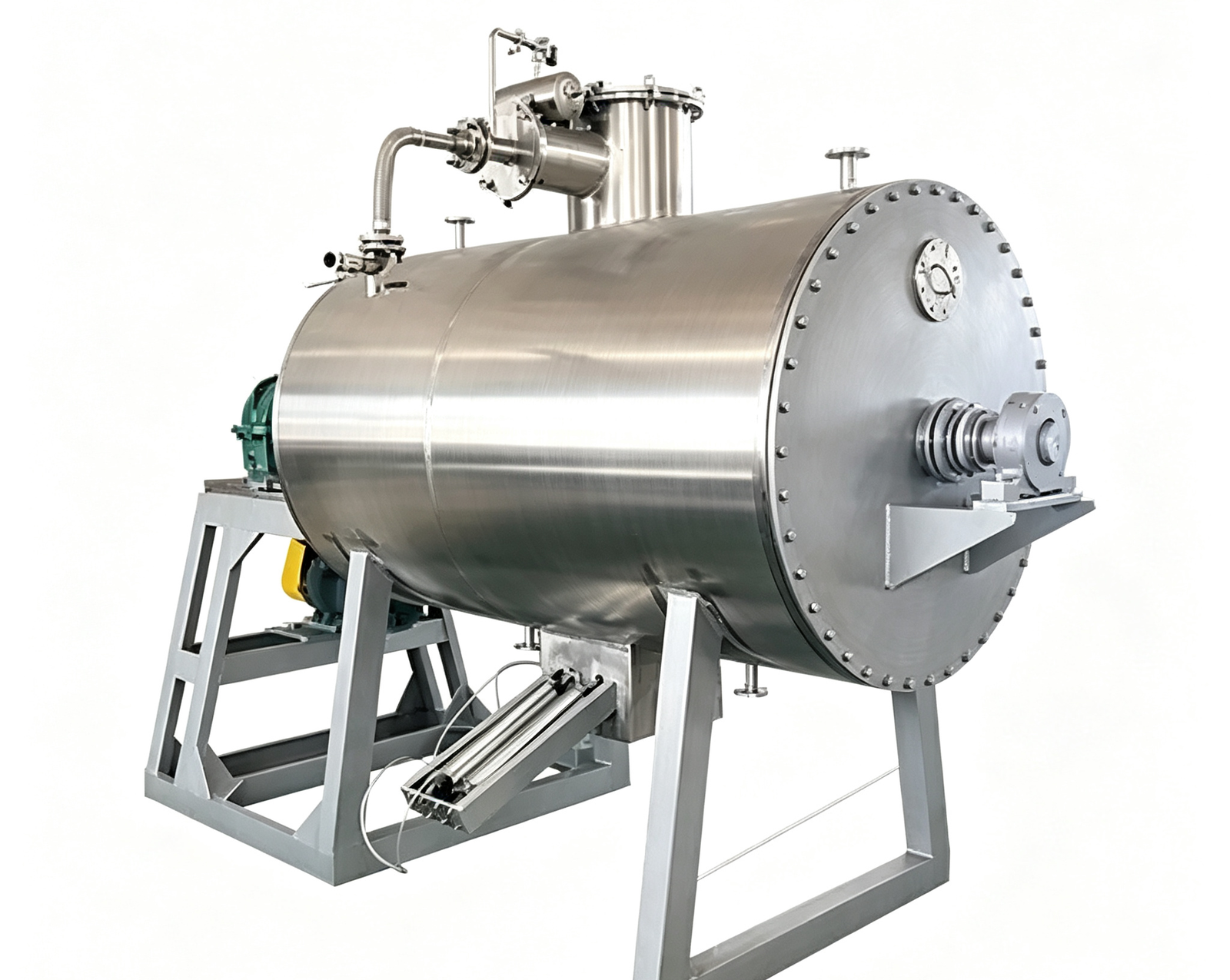
This is a batch-operated equipment, suitable for small to medium-volume projects involving specific municipal, organic, or chemical sludges. It uses jacketed indirect heating combined with low-speed internal rake agitation.
Operating under vacuum lowers the boiling point of water, allowing the material to be dewatered at a lower product temperature. This helps reduce thermal degradation for heat-sensitive materials and provides a fully enclosed processing environment.
Whether the dried sludge from the vacuum rake (or vacuum harrow) dryer can be reused as fertilizer or fuel depends strictly on the sludge composition, heavy metal content, pathogen destruction, and local regulations. It is not suitable for projects requiring large-scale continuous operation.
Which Sludge Dryer Is Right for Your Project?
Compare the fundamental operating parameters and constraints of our four core technologies.
| Criteria | Hollow Paddle | Low-Temp Belt | Rotary Drum | Vacuum Rake |
|---|---|---|---|---|
| Operating Mode | Continuous | Continuous | Continuous | Batch |
| Heat Transfer | Indirect (Conduction) | Direct (Convection) | Direct (Convection) | Indirect (Conduction) |
| Typical Feed Form | Dewatered filter cake | Extruded noodles / uniform layer | Conditioned, mixed, or flowable | Filter cake / paste |
| Available Heat Sources | Steam, Thermal Oil | Heat Pump, Hot Water, Waste Heat | Hot Gas, Natural Gas, Flue Gas | Steam, Hot Water, Thermal Oil |
| Handling Sticky Phase | High shear, self-cleaning paddles | Requires good pre-forming (extrusion) | May require back-mixing with dry solids | Low-speed scraping/agitation |
| Relative Off-Gas Volume | Low | High (Circulating) | High | Very Low (Vacuum extracted) |
| Typical Selection Reason | Sticky filter cake, continuous indirect drying | Low-temp drying utilizing low-grade waste heat | High throughput, direct hot air availability | Low-temp, enclosed batch processing |
| Important Limitation | Requires higher grade heat (steam/oil) | Requires uniform feed distribution | High exhaust gas treatment load | Not suitable for large continuous scale |
Not Sure Which Dryer Fits Your Sludge?
Let our engineers evaluate your feed moisture and evaporation load.
How Does a Sludge Drying System Work?
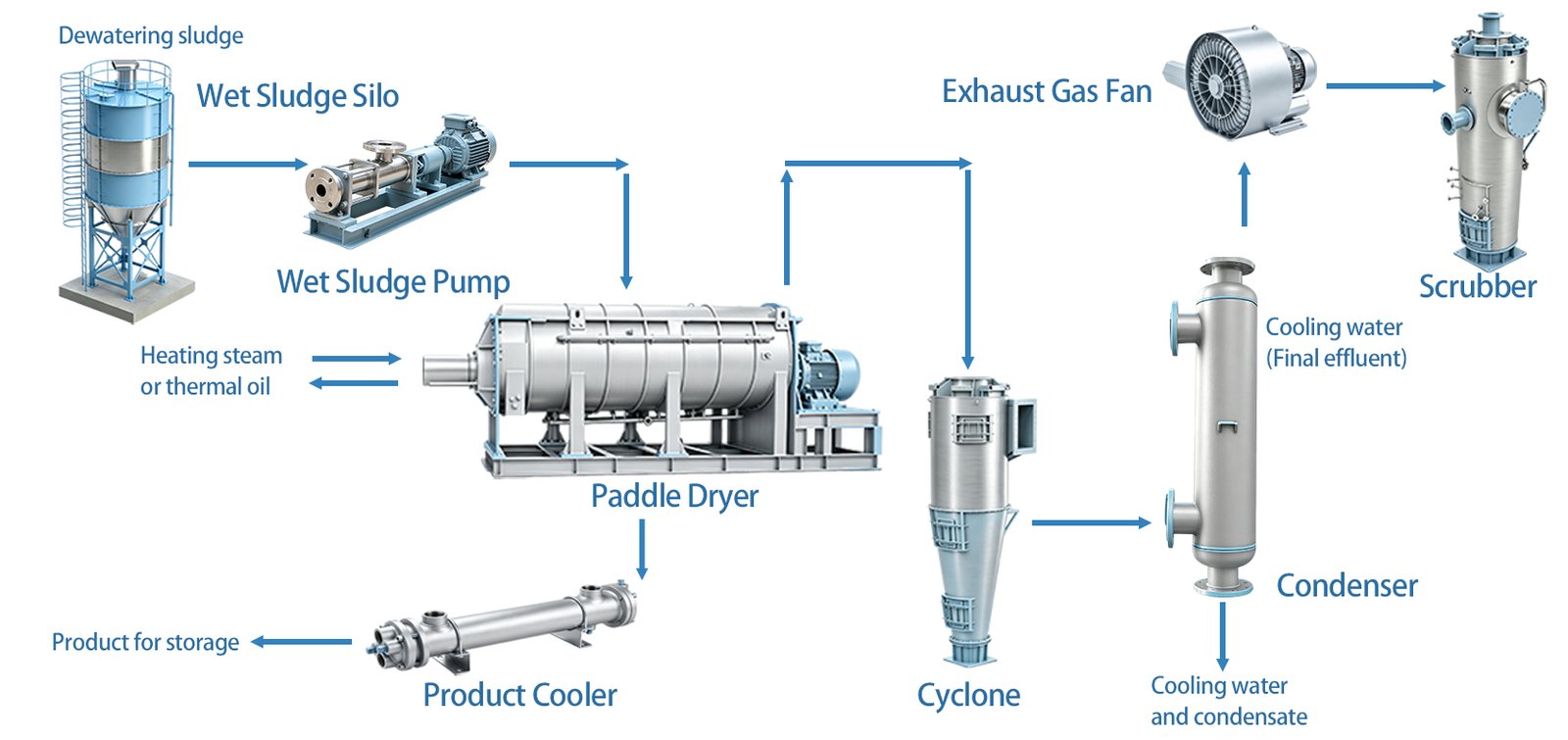
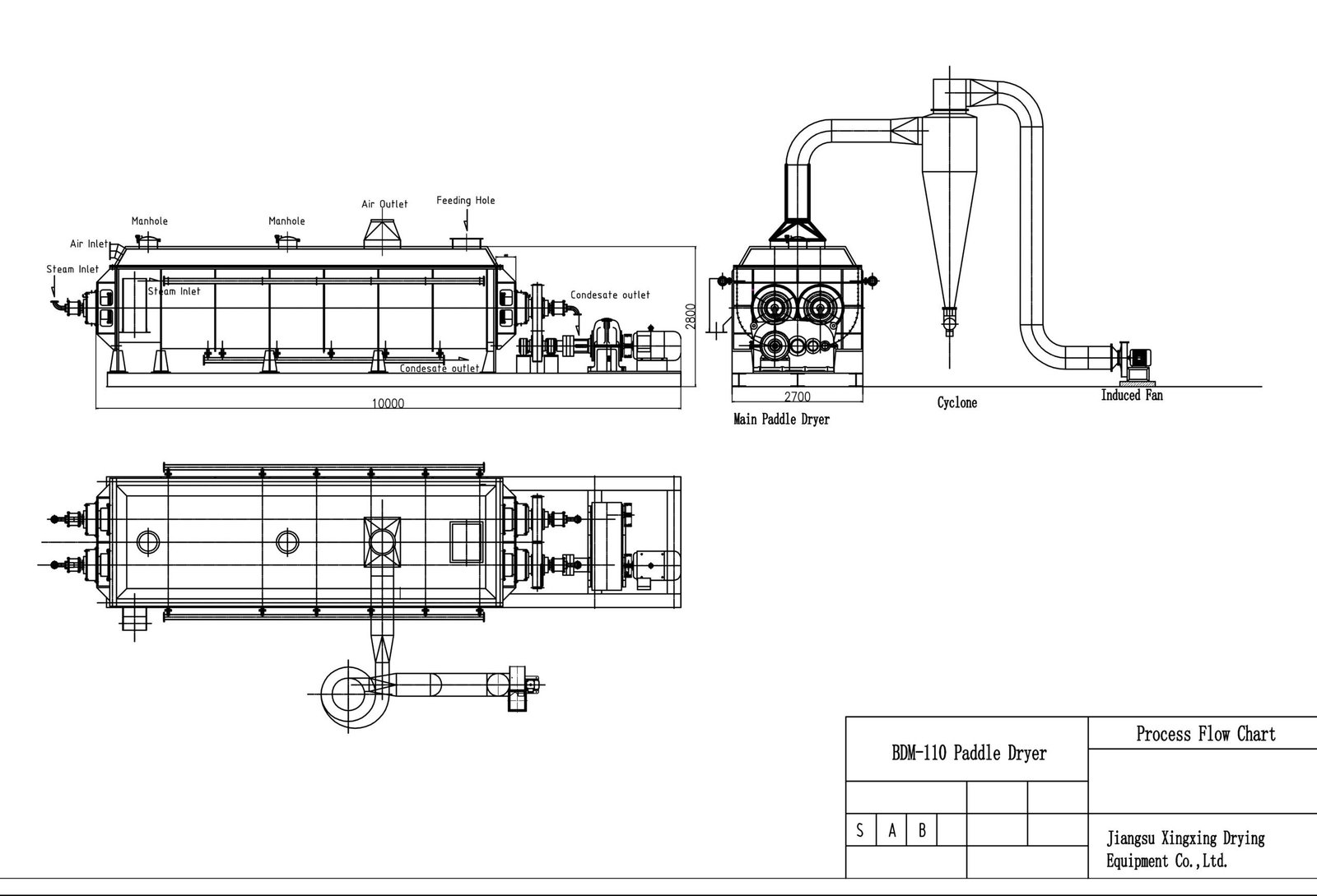
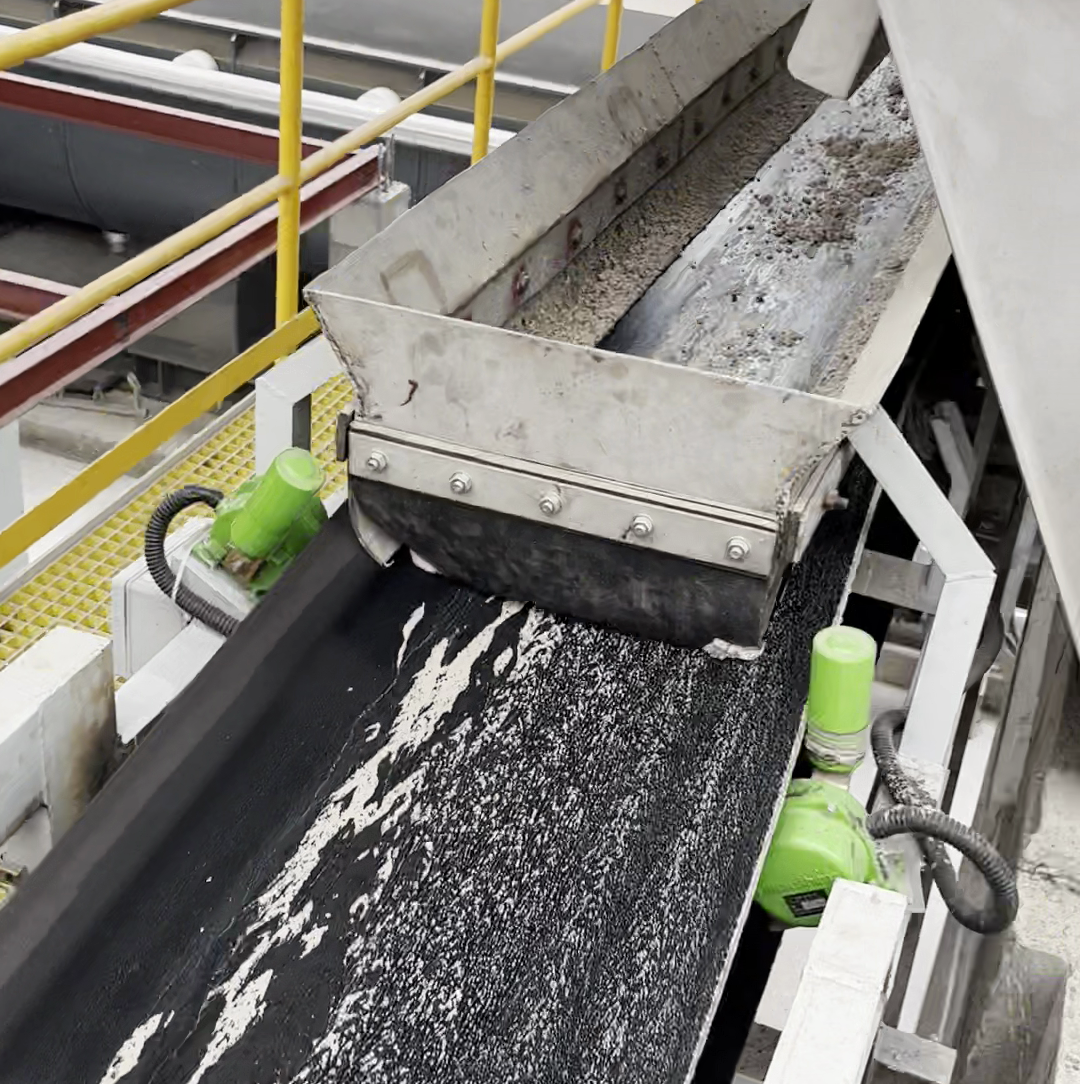
A sludge dryer operates within a complete process loop. Upstream mechanical dewatering (via filter press, centrifuge, or screw press) forms the sludge cake. Silos and conveying equipment provide metered feeding to the dryer. During thermal processing, moisture evaporates and exits as vapor, which is subsequently treated through condensers, cyclones, or scrubbers. Finally, the dried product is cooled and conveyed for storage or disposal.
More Than a Dryer: Complete Sludge Drying System Integration
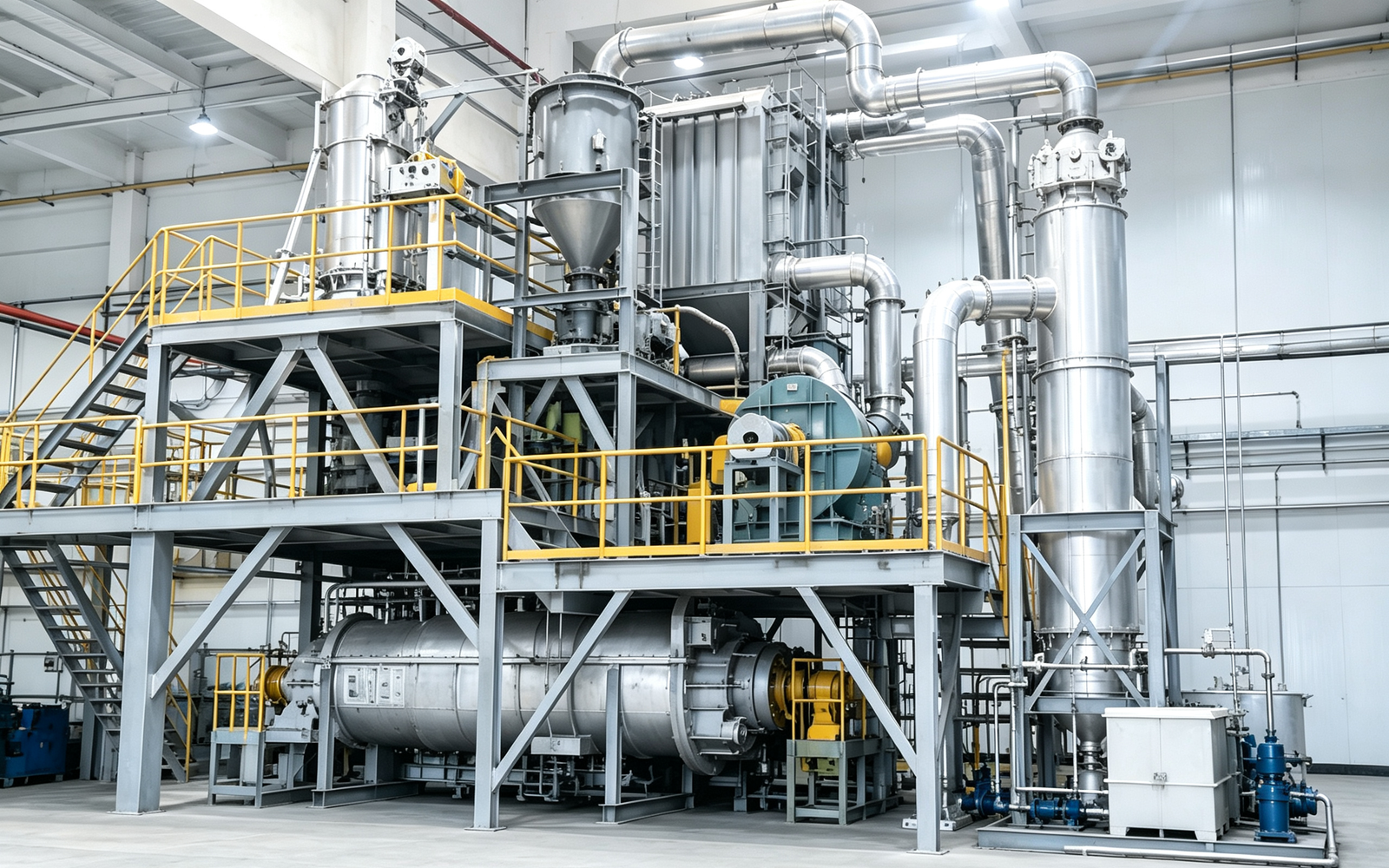
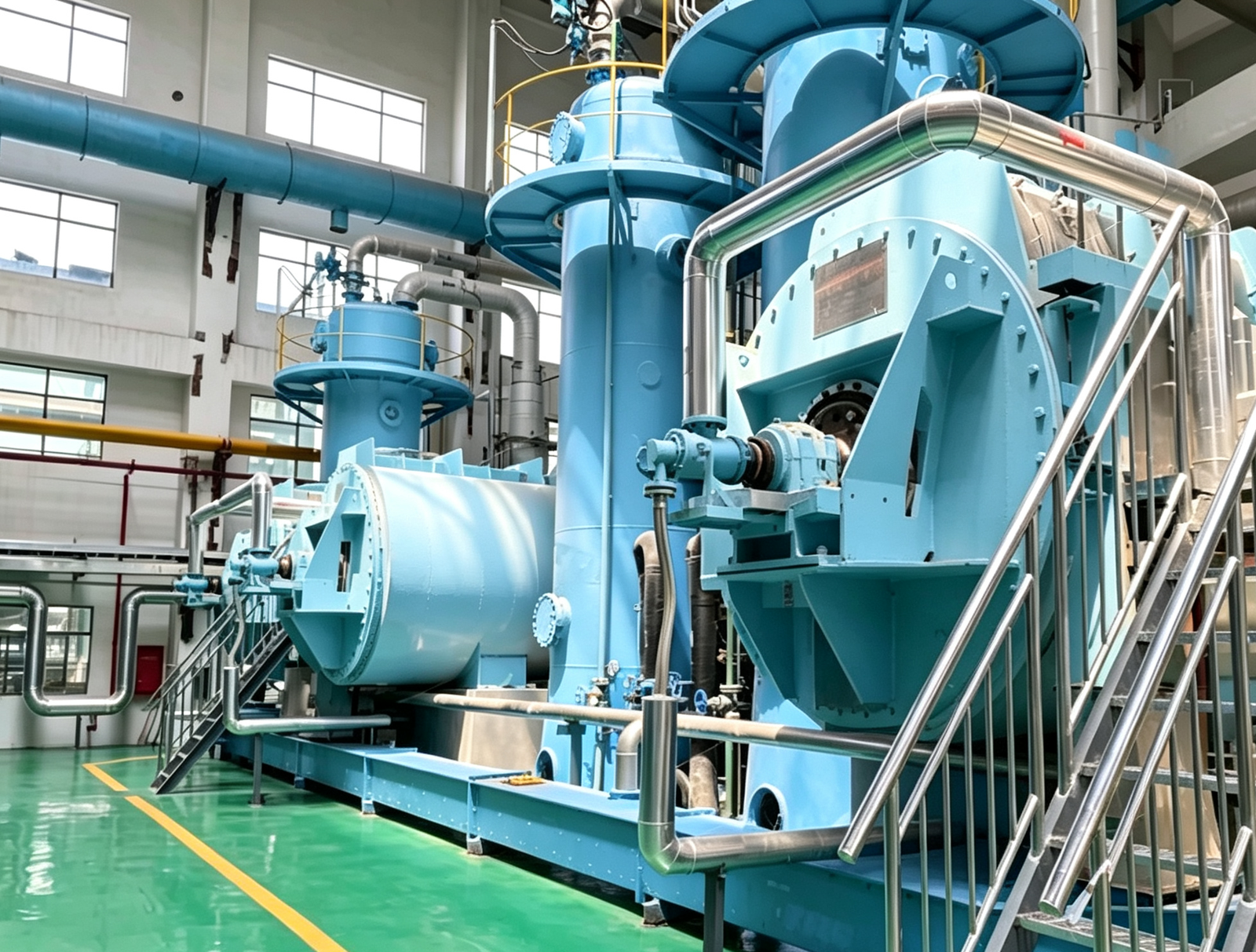
JEXDRY supplies standalone dryers as well as complete, integrated sludge drying systems based on project scope. A functional system requires coordinated mechanical, thermal, and control engineering.
- Wet sludge silo
- Screw feeder / sludge pump
- Feed & discharge conveyors
- Product cooler
- Cyclone separator & Bag filter
- Condenser & Wet scrubber
- Odor treatment unit
- PLC control cabinet
Sludge Dryer Parameters Defined for Each Project
We do not provide generic, fixed-capacity model tables. Dryer capacity cannot be selected from wet feed weight alone. Feed solids, target dryness, evaporation load, sludge behavior, and available heat source must be evaluated together.
| Sludge Type | Project-specific |
| Wet Feed Capacity | Project-specific |
| Initial Moisture / Feed DS | Confirmed after material evaluation |
| Target Moisture / Product DS | Project-specific |
| Water Evaporation Capacity | Determined by heat and mass balance |
| Available Heating Medium | Steam, Thermal Oil, Waste Heat, etc. |
| Contact Material | Carbon Steel, SS304, SS316L, etc. |
| Abrasion/Corrosion Protection | Subject to material testing & chloride content |
Which Heat Sources Can Be Used for Sludge Drying?
Thermal energy accounts for the majority of operating costs. Evaporation load must be compared against the temperature, flow rate, and stability of available heat sources.
Saturated Steam
Primarily used for indirect heating in Hollow Paddle and Vacuum Rake dryers. Provides stable latent heat transfer.
Thermal Oil
Suitable for indirect drying projects requiring higher heating medium temperatures than typical saturated steam can provide.
Waste Heat
Sourced from hot water, steam condensate, or flue gas. Temperature, flow, and stability must be verified. Often paired with Belt Dryers.
Heat Pump
Primarily integrated into low-temperature belt drying systems to recover latent heat from exhaust air, closing the energy loop.
Natural Gas / Hot Gas
Directly combusted or utilized in Rotary Drum systems where high-temperature direct convective drying is required.
Hot Water
Can be utilized in low-temperature systems, though equipment dimensions will heavily depend on the available temperature differential.
How Are Vapor, Odor, Dust and Corrosion Addressed?
The emission-control configuration and applicable compliance limits must be confirmed for the installation location and specific sludge composition.
Vapor and Exhaust Treatment
Specific configurations depend on direct/indirect drying, dust concentration, VOC content, odor characteristics, and moisture load.
- Condensers to recover evaporated moisture
- Cyclone separators for primary dust removal
- Bag filters for fine particulate control
- Wet scrubbers for soluble gases and secondary dust
- Odor treatment units (biofilters, chemical scrubbers)
- Negative-pressure exhaust where required to prevent leakage
Materials and Safety Design
Equipment integrity relies on selecting the right alloys for the pH and chloride content, coupled with robust instrumentation.
- Carbon steel, SS304, SS316L, or Duplex stainless options
- Wear-resistant surface treatments for abrasive components
- Comprehensive thermal insulation to minimize heat loss
- Continuous temperature and pressure/vacuum monitoring
- System interlocks for safe startup and shutdown
- Explosion-protection assessment when combustible dust is possible
Sludge Drying vs. Sludge Dewatering: What Is the Difference?
A sludge dryer should not be described as an alternative to a filter press or centrifuge. Dewatering primarily removes free water through mechanical force, while drying uses thermal energy to evaporate the remaining bound moisture from the resulting filter cake.
| Feature | Mechanical Dewatering | Thermal Drying |
|---|---|---|
| Removal Mechanism | Pressure / Centrifugal force | Heat evaporation |
| Typical Equipment | Filter press, Centrifuge | Paddle, Belt, Drum dryer |
| Energy Requirement | Electrical (Motor power) | Thermal (Steam, Gas, etc.) |
| Output State | Wet filter cake (e.g., 80% moisture) | Dry solids / granules (e.g., 10-30% moisture) |
Indirect vs. Direct Sludge Drying
Neither technology is universally more energy-efficient; final energy consumption depends on the heat source, evaporation load, recovery design, and operating conditions.
Indirect Drying
- • Heat transfers through a metal surface to the material.
- • Typical equipment: Hollow Paddle and Vacuum Rake.
- • Heating medium (steam/oil) does not contact the sludge.
- • Generally requires less process air, resulting in lower off-gas volumes.
- • Highly suitable for sticky materials, enclosed processing, and minimizing exhaust treatment scale.
Direct Drying
- • Hot air or flue gas directly contacts the material.
- • Typical equipment: Belt and Rotary Drum.
- • Mass transfer rate is tied to air volume, temperature, and bed permeability.
- • Requires careful evaluation of dust generation, odors, and exhaust treatment load.
- • Suitable for utilizing low-grade waste heat (Belt) or achieving high volumetric throughput (Drum).
How to Choose a Sludge Dryer
Follow this preliminary screening process. Final design must be based on material data, heat and mass balance, and testing results.
Preliminary Recommendation Logic
- Sticky filter cake + continuous operation → Hollow Paddle
- Low-temperature drying + waste heat → Belt
- High throughput + conditioned material + hot gas → Rotary Drum
- Batch operation + low product temp + enclosed vacuum → Vacuum Rake
From Sludge Evaluation to Project Delivery
Engineering a reliable thermal drying system requires rigorous data review and manufacturing oversight.
Material Data Review
You receive: Preliminary equipment selection and estimated evaporation load.
Sample Testing (When Required)
You receive: Drying curve data and observation of the sticky phase behavior.
Heat and Mass Balance
You receive: Recommended heat source consumption and vapor exhaust volume estimates.
Dryer and System Selection
You receive: Material and corrosion recommendation, and defined system scope.
General Arrangement & Interface Design
You receive: GA drawing and a comprehensive utility and interface list.
Manufacturing and FAT
You receive: Factory Acceptance Test (FAT) records and inspection reports.
Installation & Commissioning Support
You receive: English manuals, technical documentation, and remote/on-site guidance.
Typical Sludge Drying Configurations
Examples of how equipment is configured based on specific material constraints. (These are typical engineering configurations, not fixed off-the-shelf models).
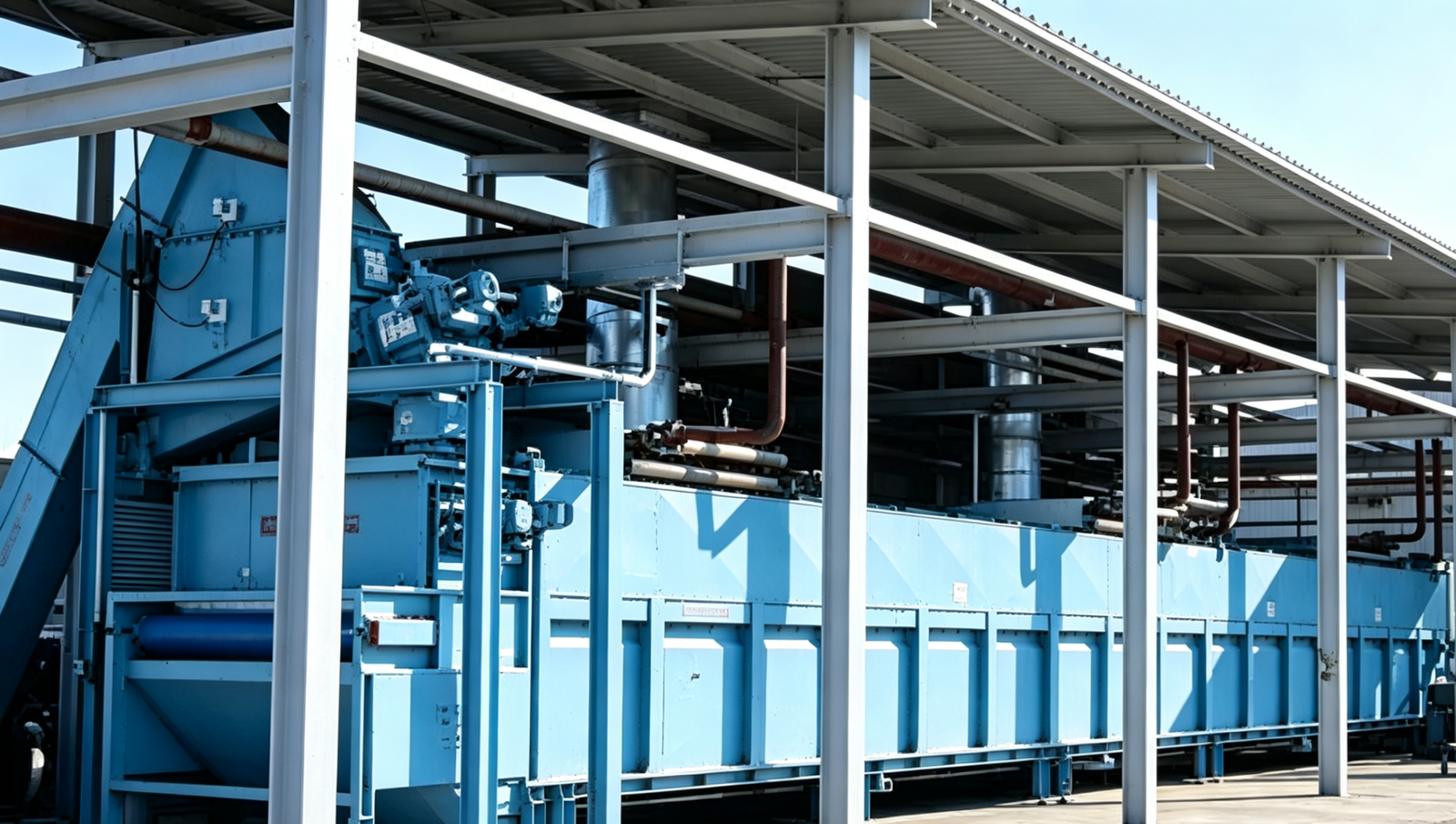
Paddle Dryer Setup
- Sludge Type: Municipal Filter Cake
- Selected Dryer: Hollow Paddle
- Heating Source: Saturated Steam
- System Scope: Dryer, Condenser, Odor Control
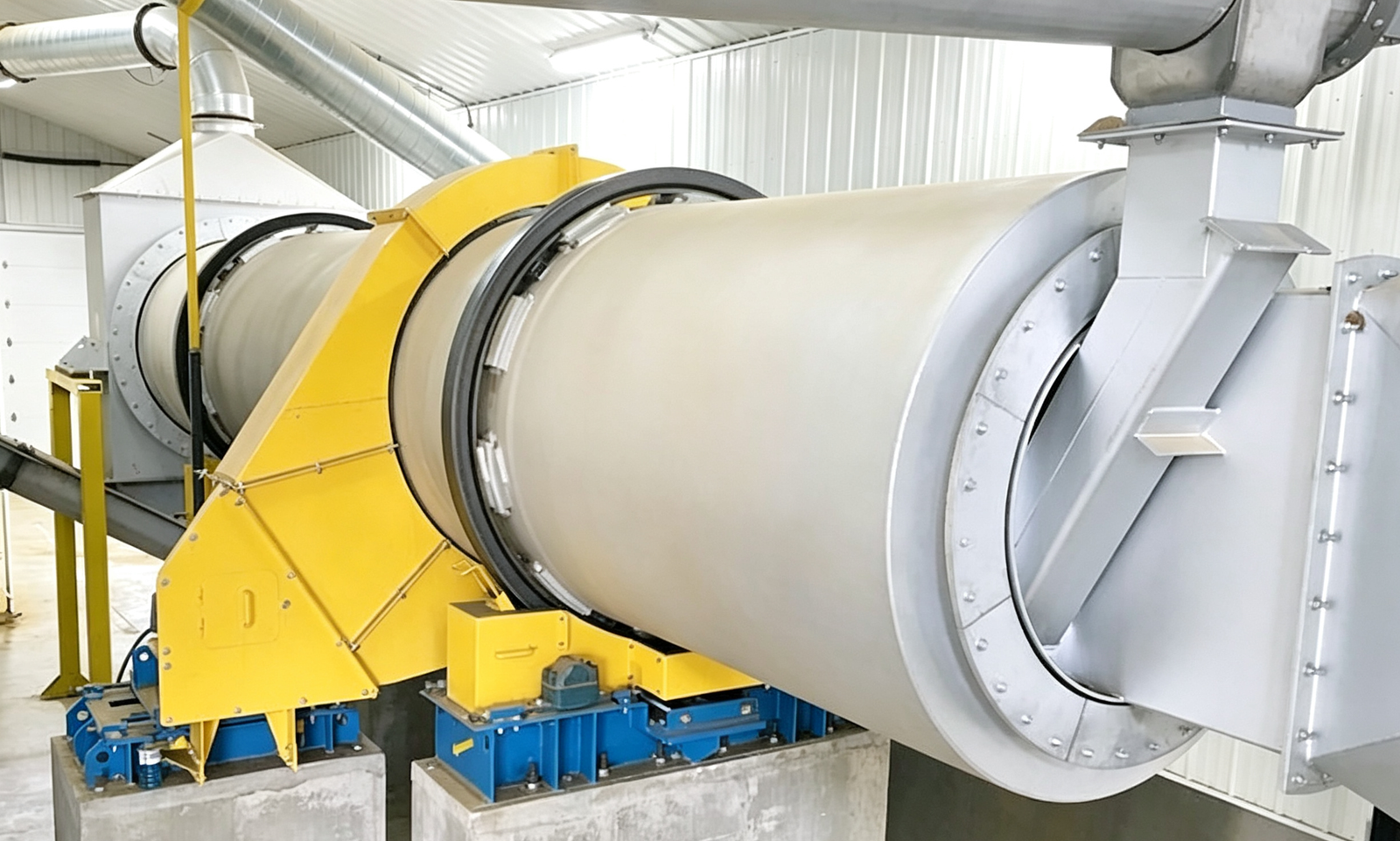
Belt Dryer Setup
- Sludge Type: Industrial WWTP Sludge
- Selected Dryer: Low-Temperature Belt
- Heating Source: Factory Waste Hot Water
- System Scope: Extruder, Belt Dryer, Heat Pump
Rotary Drum Setup
- Sludge Type: Digestate / Biomass
- Selected Dryer: Rotary Drum
- Heating Source: Natural Gas Burner
- System Scope: Drum, Cyclone, Bag Filter, Scrubber
Why Work With JEXDRY on a Sludge Drying Project?

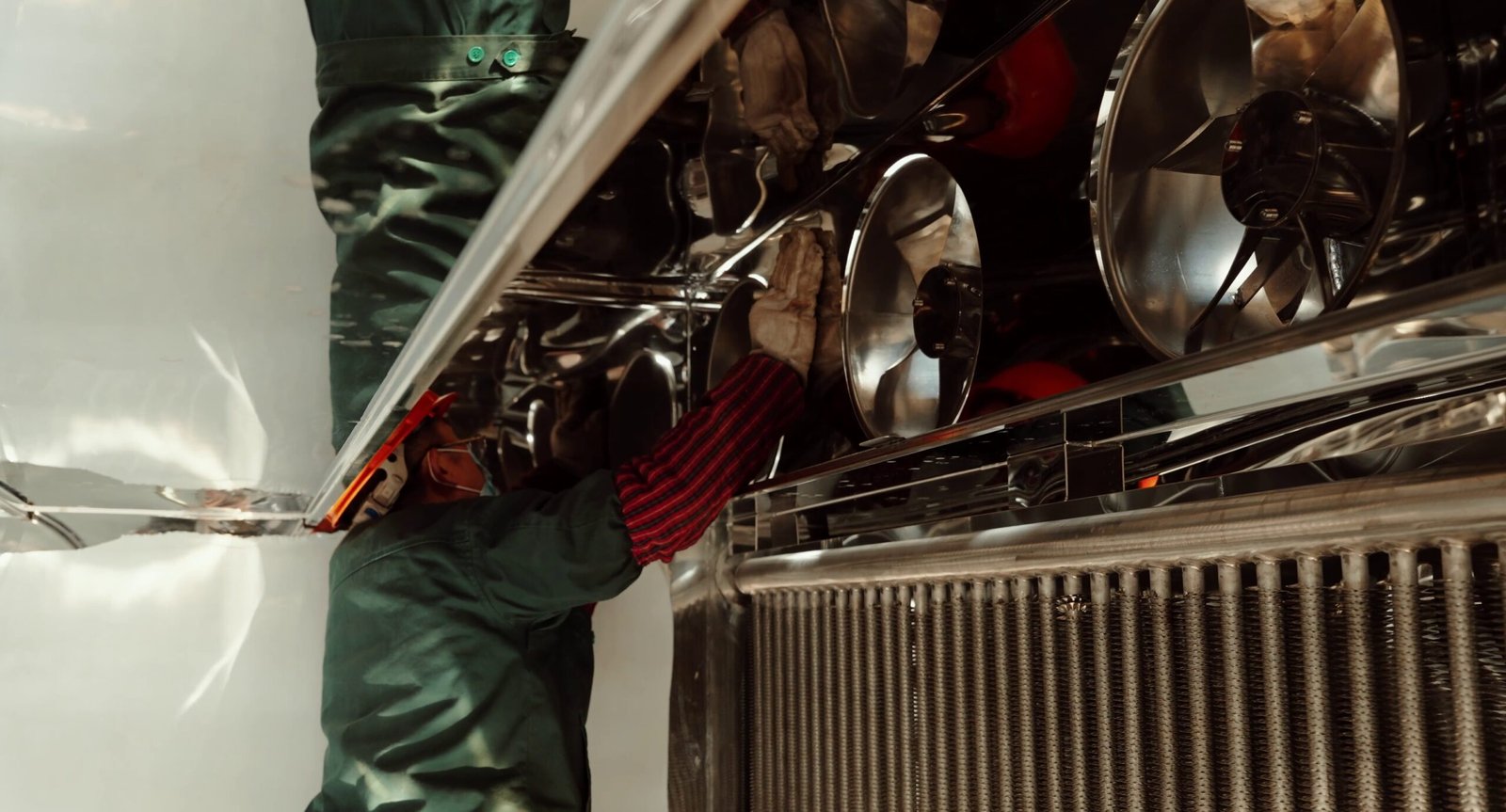
Manufacturing Experience Since 1998
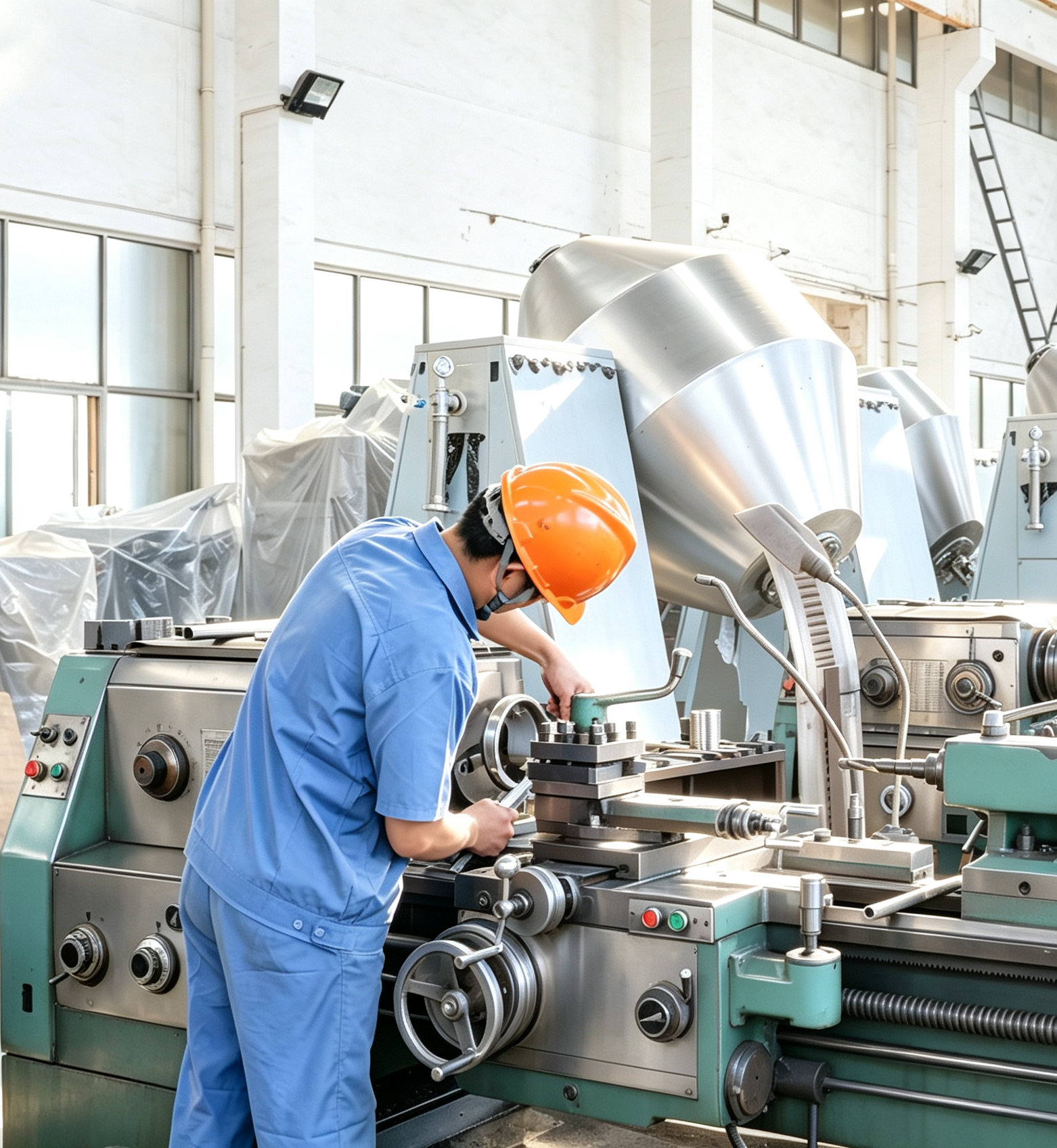
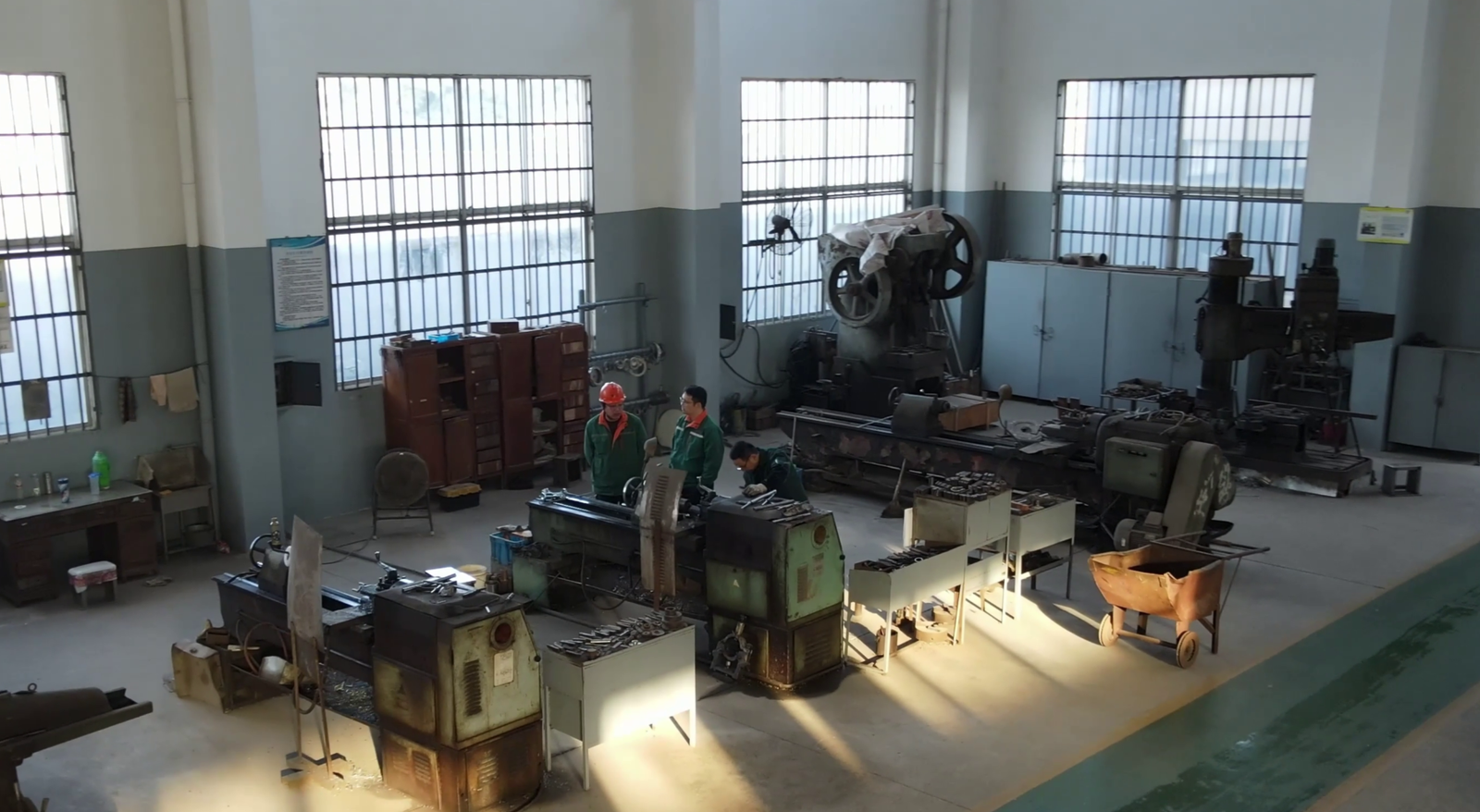
Family-owned industrial drying equipment manufacturer located in Changzhou, China, with complete in-house fabrication capabilities.
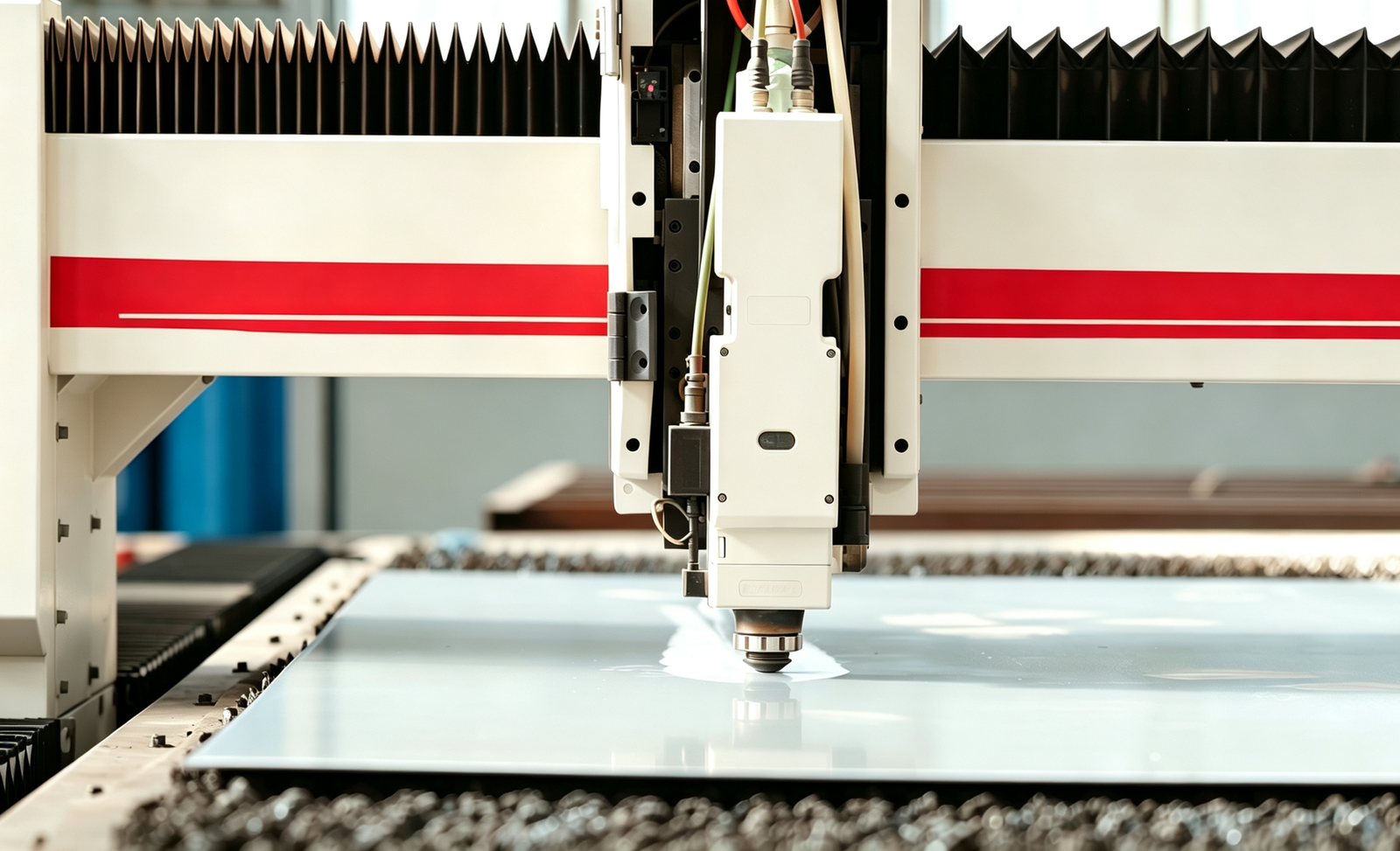
Direct Engineer Involvement
Our engineers directly participate in material evaluation, equipment selection, heat and mass balance calculations, and interface confirmation.
Equipment & System Capability
We integrate standalone dryers with conveying, dust collection, wet scrubbing, condensation, and dedicated control systems.
FAT & Technical Documentation
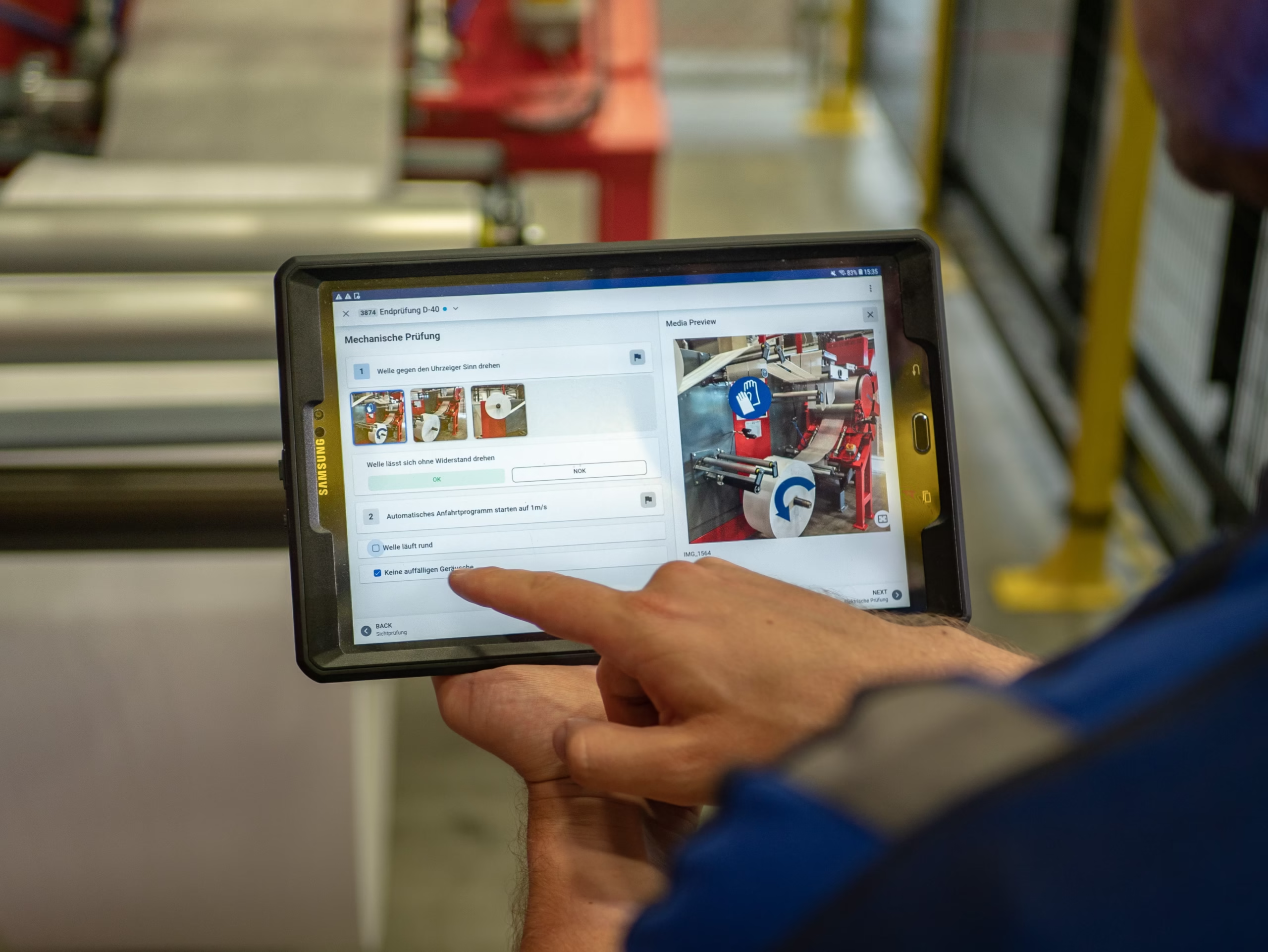
We conduct trial runs, instrument checks, control cabinet testing, and vacuum/seal testing, providing comprehensive English documentation.
Third-party inspection can be arranged when required by the project.
Frequently Asked Questions About Sludge Dryers
Clear answers to common engineering and procurement questions regarding thermal sludge processing.
1. What is a sludge dryer?
2. Does sludge need to be mechanically dewatered before drying?
3. Which dryer is suitable for sticky sludge cake?
4. What is the difference between a paddle sludge dryer and a belt sludge dryer?
5. When should a rotary drum sludge dryer be selected?
6. When is a vacuum rake sludge dryer suitable?
7. Can waste heat be used for sludge drying?
8. How is sludge dryer capacity calculated?
9. How are odor, dust and process vapor treated?
10. Can dried sludge be reused as fertilizer or fuel?
11. What information is required for a sludge dryer quotation?
12. Can JEXDRY perform material testing?
Send Us Your Sludge Data for Preliminary Selection
Provide the available process information, and a JEXDRY engineer will evaluate the suitable dryer type, evaporation load, heat source and required system scope.