Vacuum Rake Dryer for Sticky Materials and Pastes
Combining indirect heating with rake agitation, this horizontal equipment is designed for the batch drying of viscous slurries and sticky pastes. The openable door structure facilitates internal inspection and between-batch cleaning. Final model selection depends on your specific material properties and process requirements.
300–1,800 L Working Volume
What Is a Vacuum Rake Dryer?
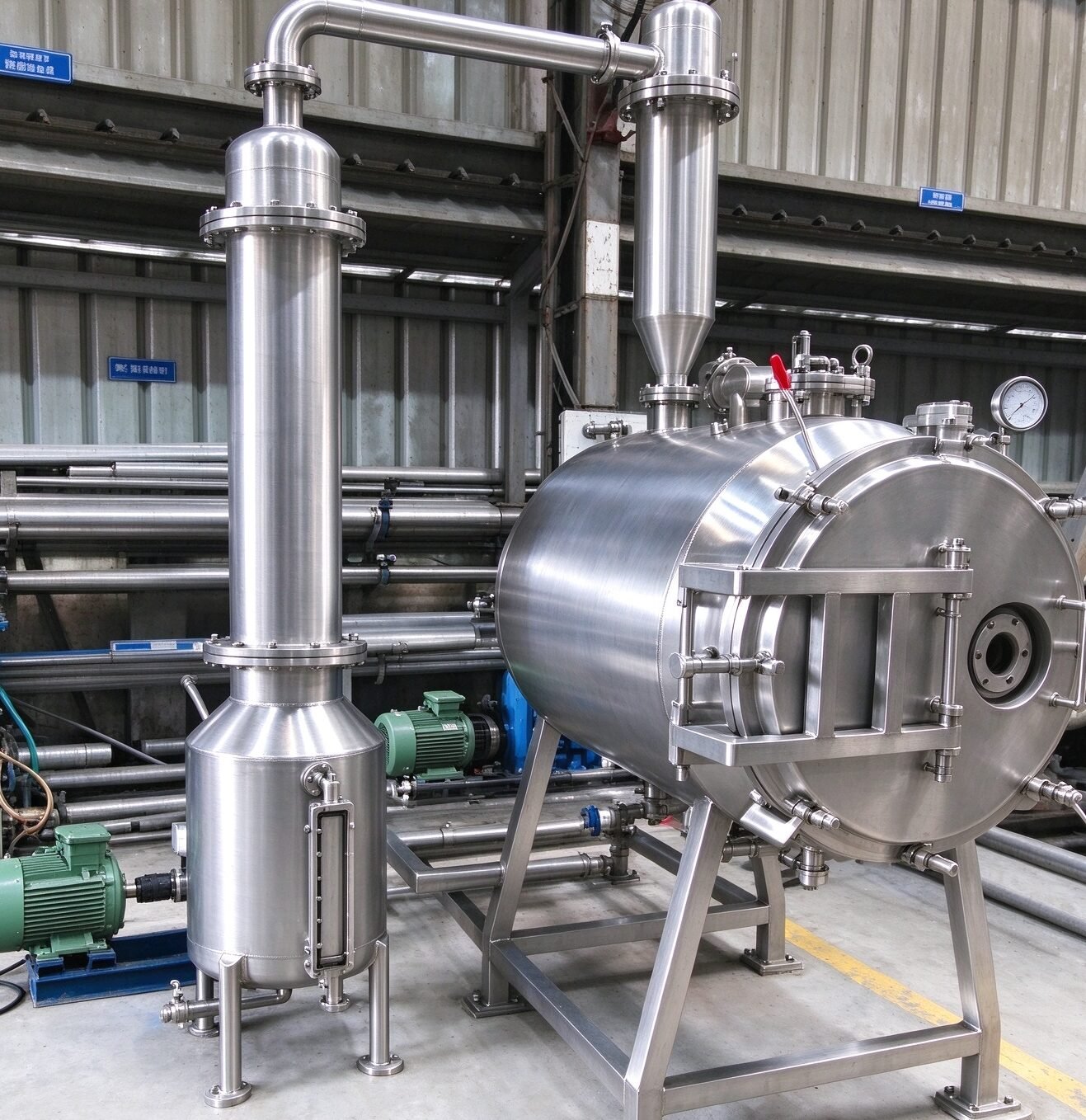
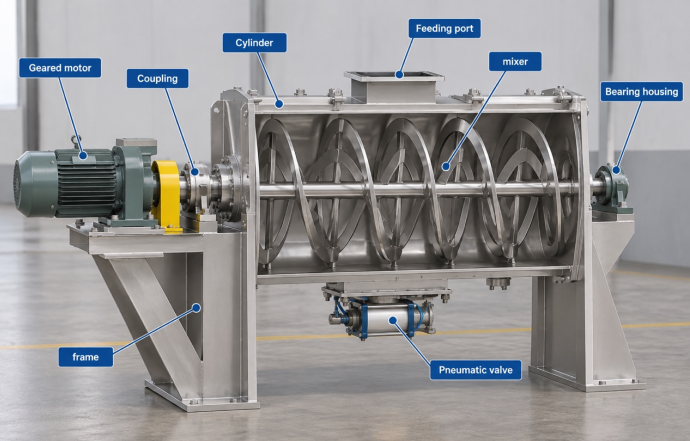
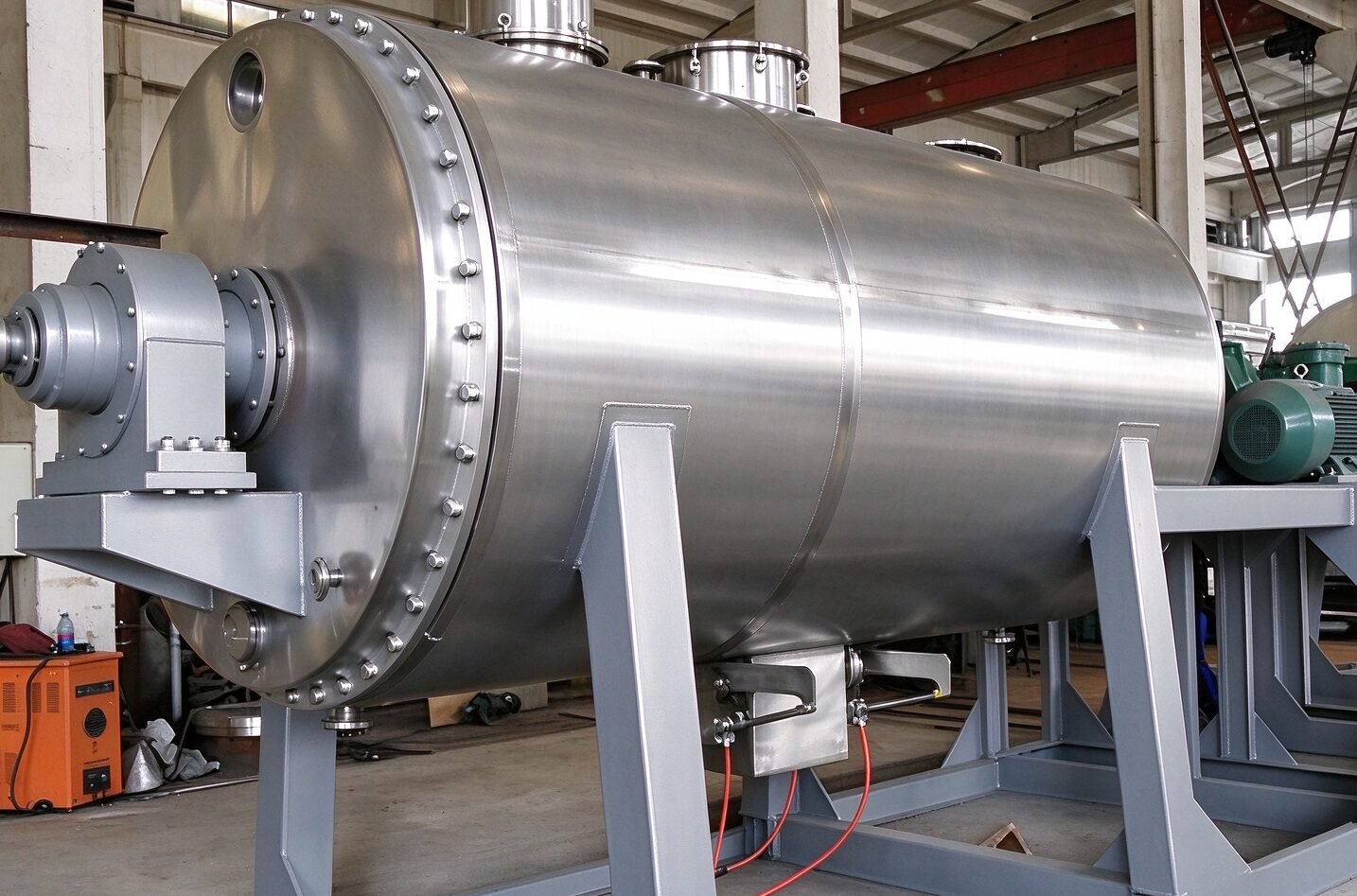
A vacuum rake dryer (often referred to as a vacuum harrow dryer) is a horizontal batch drying equipment that utilizes indirect heating and internal mechanical agitation under vacuum conditions.
-
Batch Processing Material is loaded into the vessel per batch. The dryer does not support continuous feeding and discharging during the drying cycle.
-
Rake Agitation The central rotating shaft with rake arms moves the material back and forth, constantly renewing the surface in contact with the heated jacket.
-
Vacuum Evaporation Operating under vacuum lowers the boiling point of moisture or solvents, allowing for evaporation at lower temperatures. Once the target is reached, the batch is discharged.
Why Consider a Rake Dryer for Sticky Materials?
Evaluating the balance between material flow, heat transfer, and cleaning requirements.
Poor Flow & Heat Transfer
The Challenge: Sticky pastes tend to agglomerate and resist uniform heating.
The Design: The robust rake agitator forcibly pushes the material, breaking up mild agglomerations and bringing fresh wet material to the heated vessel walls.
Selection depends on verifying the maximum viscosity, motor torque requirements, and actual heat transfer rates.
Residue & Cleaning Needs
The Challenge: Viscous materials inevitably adhere to internal surfaces, demanding frequent inspection between batches.
The Design: The ZPG series features an openable door structure, allowing operators direct access to the interior for manual checking and residue removal.
It does not guarantee zero wall-sticking, but makes the inevitable cleaning process manageable.
Temperature & Solvents
The Challenge: Many pastes are heat-sensitive or contain valuable/hazardous solvents.
The Design: The closed vacuum environment allows drying at suitably lower temperatures and facilitates the routing of vapor to a recovery condenser.
System configuration requires engineering evaluation of the specific solvent properties and vapor loads.
Openable Door for Internal Access and Cleaning
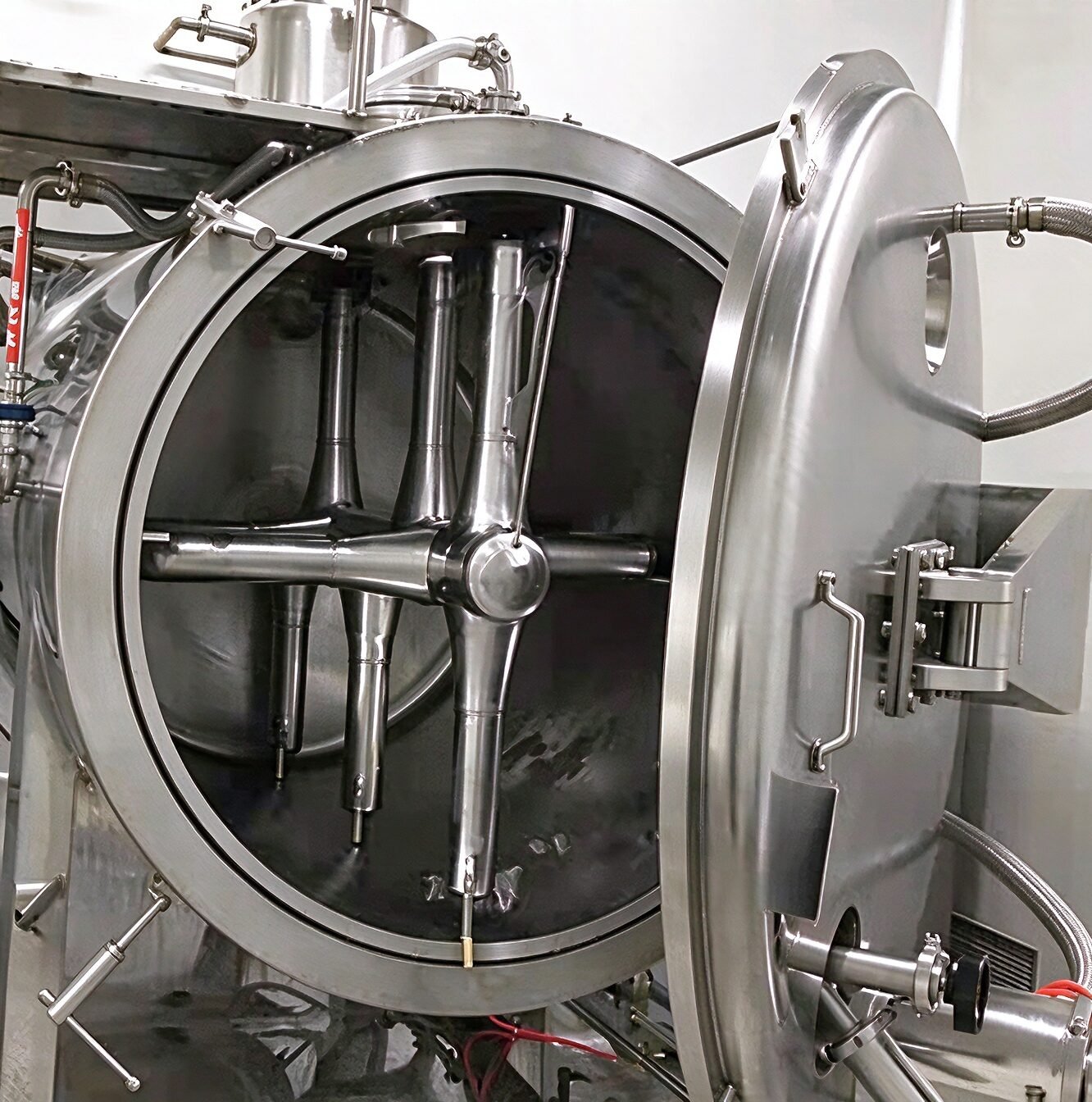
Unlike fully welded cylindrical dryers, the ZPG series incorporates an openable door design. This is a critical feature for processing sticky materials where residue buildup is a concern.
Internal Inspection
Allows operators to visually confirm the condition of the interior and the agitator shaft after a batch is discharged.
Access to Reachable Surfaces
Provides physical access to scrape, wash, or wipe down sticky residues from the vessel walls and rake arms.
Between-Batch Cleaning
Supports necessary changeover procedures. The specific cleaning method and endpoint depend on your process protocols.
Safety Note: Internal access and cleaning must strictly occur only after the equipment has fully stopped, cooled down, vacuum is released, and it is confirmed safe to open the door. Door access does not equal automatic CIP (Clean-in-Place).
ZPG Models & Technical Specifications
Select the appropriate capacity based on your batch volume and material density.
| Model | Working Volume (L) | Heating Area (m²) | Motor Power (kW) | Action |
|---|---|---|---|---|
| ZPG-500 | 300 | 6.0 | 4 | Select Model |
| ZPG-750 | 450 | 7.6 | 5.5 | Select Model |
| ZPG-1000 | 600 | 9.3 | 5.5 | Select Model |
| ZPG-1500 | 900 | 12.3 | 7.5 | Select Model |
| ZPG-2000 | 1200 | 14.6 | 11 | Select Model |
| ZPG-3000 | 1800 | 19.3 | 15 | Select Model |
Shared Specifications:
- Agitator Speed: 6–30 rpm (stepless speed adjustment)
- Jacket Design Pressure (Hot Water): ≤0.3 MPa
- Operation Mode: Batch
* Reference specifications from the standard product line. Final selection depends on material properties and process requirements.
Note: "Working volume" indicates the typical internal space available for material; it is not a guaranteed batch mass (kg/batch) or evaporation rate. The actual loading capacity depends on material bulk density and expansion characteristics during drying. The motor power listed is for the agitator drive and does not represent the total energy consumption of the entire heating and vacuum system.
How Does a Vacuum Rake Dryer Work?
The ZPG series operates on a strict batch cycle. It cannot feed and discharge material continuously during the drying phase.
Loading & Sealing
The wet batch is loaded into the vessel. All ports and the main door are securely sealed.
Drying (Vacuum & Heat)
Vacuum is drawn and heating medium enters the jacket. The rake continuously agitates the material.
Discharge
Upon reaching the target moisture, the system is cooled, vacuum is released, and the dried product is discharged.
Inspection / Cleaning
The door is opened for internal inspection and necessary cleaning before the next batch begins.
Vacuum Rake vs. Continuous Paddle Dryer
Understanding the fundamental differences to choose
| Comparison Criteria | ZPG Vacuum Rake Dryer (This Product) | Continuous Paddle Dryer |
|---|---|---|
| Operation Mode | Batch operation. Cannot feed and discharge continuously during drying. | Designed for continuous feeding and discharging processes. |
| Production Organization | Requires managing discrete batch loading, endpoints, discharge, and turnaround times. | Requires evaluating upstream steady supply and downstream continuous output logistics. |
| Handling Sticky Materials | A core application focus. Viscosity and motor load must still be confirmed. | Suitability depends heavily on the specific machine design, conveying traits, and material trials. |
| Cleaning Access | Features an openable door, facilitating direct internal inspection and cleaning. | Depends on specific structural design; access for manual cleaning varies by manufacturer. |
| Key Selection Inputs | Wet feed per batch, working volume, full batch cycle time, and target endpoint. | Continuous throughput (kg/h), residence time, evaporation load, and continuous utilities. |
| Vacuum & Systems | Inherently designed for vacuum drying. Auxiliaries confirmed per project. | Vacuum and solvent recovery capabilities depend on the specific equipment configuration. |
When to choose the Rake Dryer:
If your priority is handling sticky materials in discrete batches and you require an openable door for frequent internal cleaning and inspection, the ZPG series is the primary candidate.
When to choose Continuous Paddle:
If your process strictly mandates continuous feeding and discharging, you should evaluate continuous paddle dryer solutions instead.
Materials and Applications
Batch vacuum drying for sticky pastes, viscous slurries and wet solids.
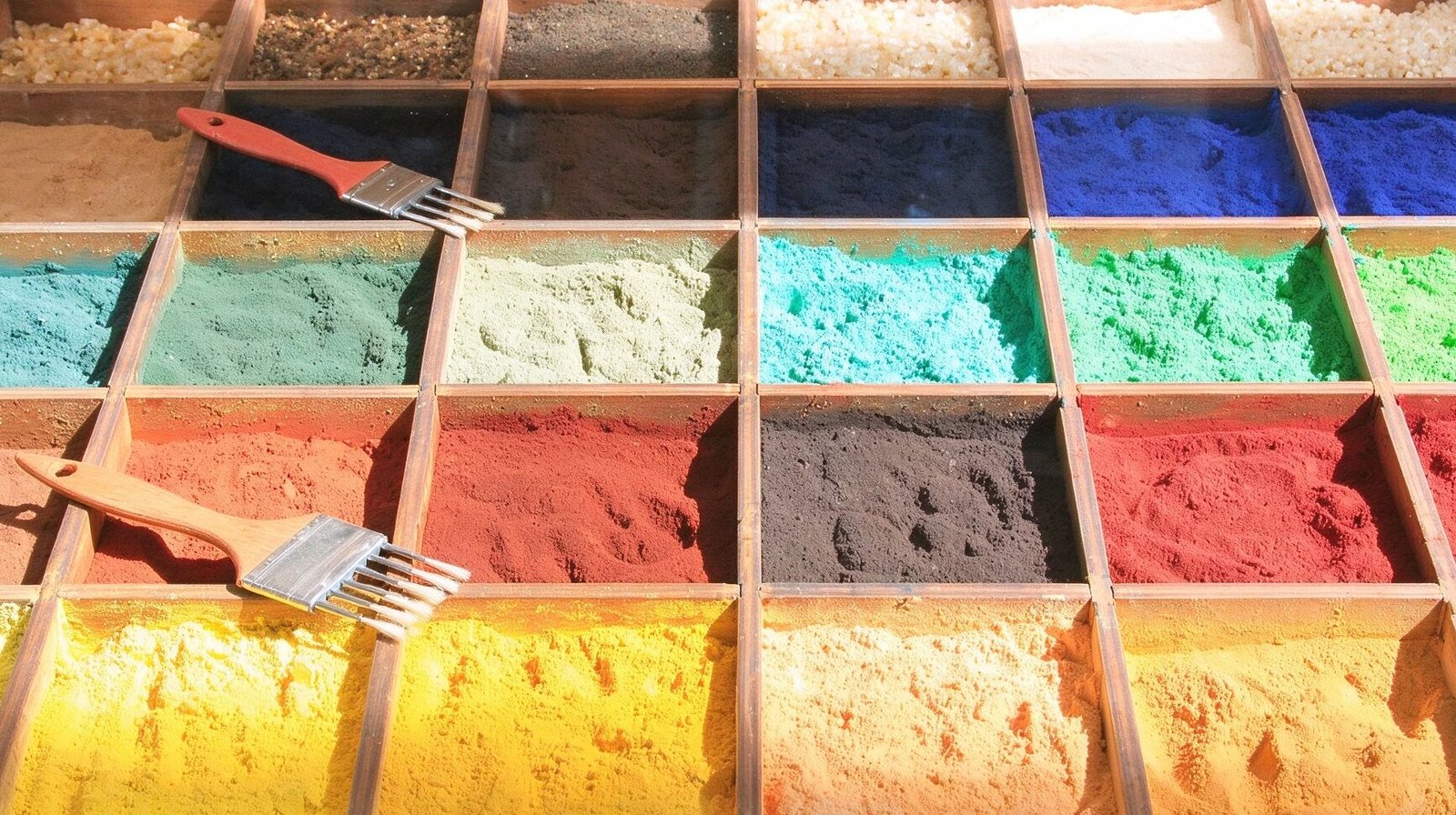
Dyes & Pigments
Wet dye and pigment process materials may require controlled drying and solvent handling. Selection considers the actual feed form, mixing behavior and cleaning needs between batches.
Typical materials- • Copper phthalocyanine (phthalocyanine blue)
- • Sulfur black
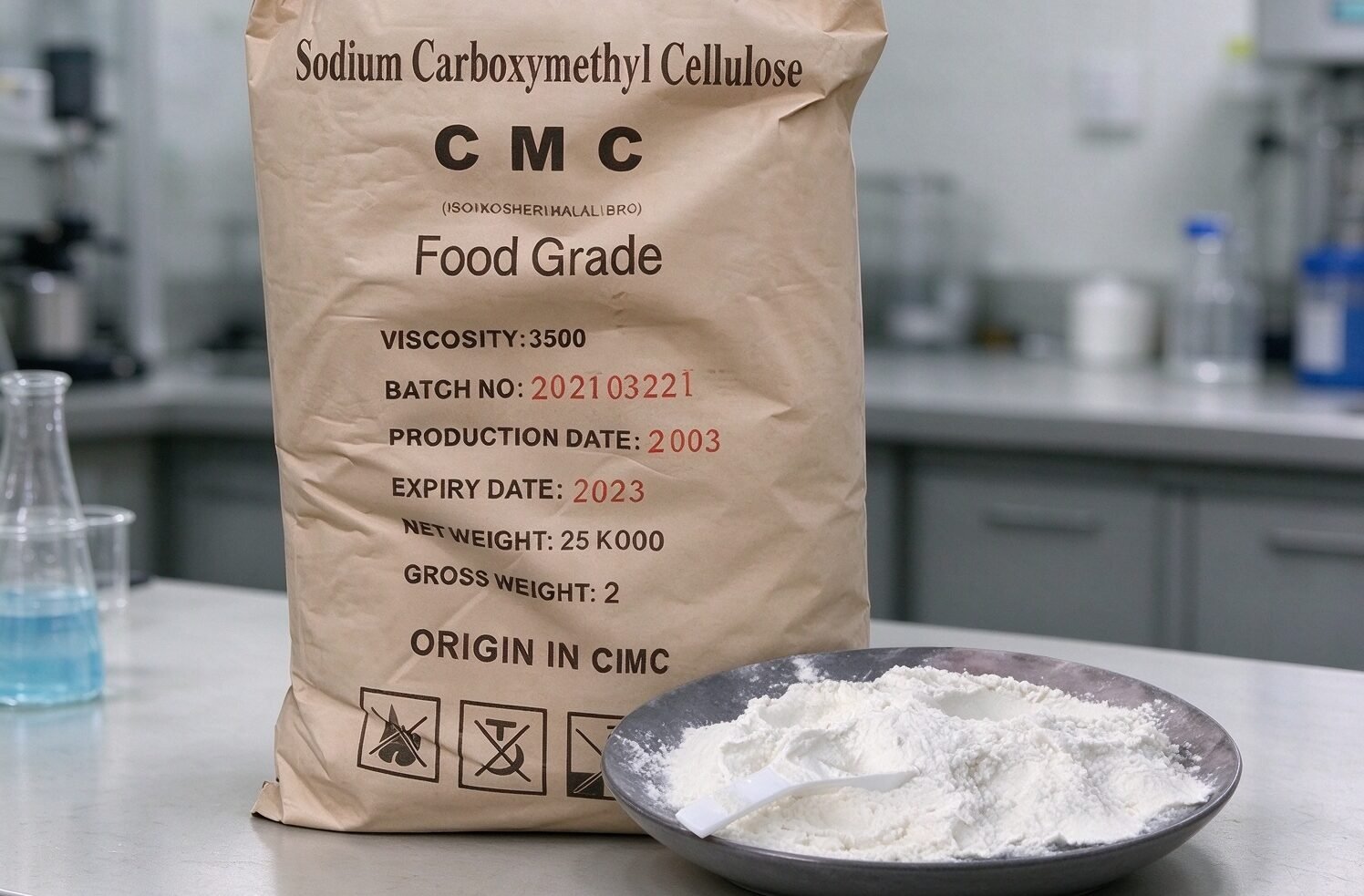
Cellulose Derivatives
Solvent-wet cakes from cellulose-derivative production are representative applications for vacuum rake drying. Review residual solvent targets, material behavior and condenser requirements before selecting the system.
Typical materials- • Carboxymethyl cellulose (CMC)
- • Polyanionic cellulose (PAC)
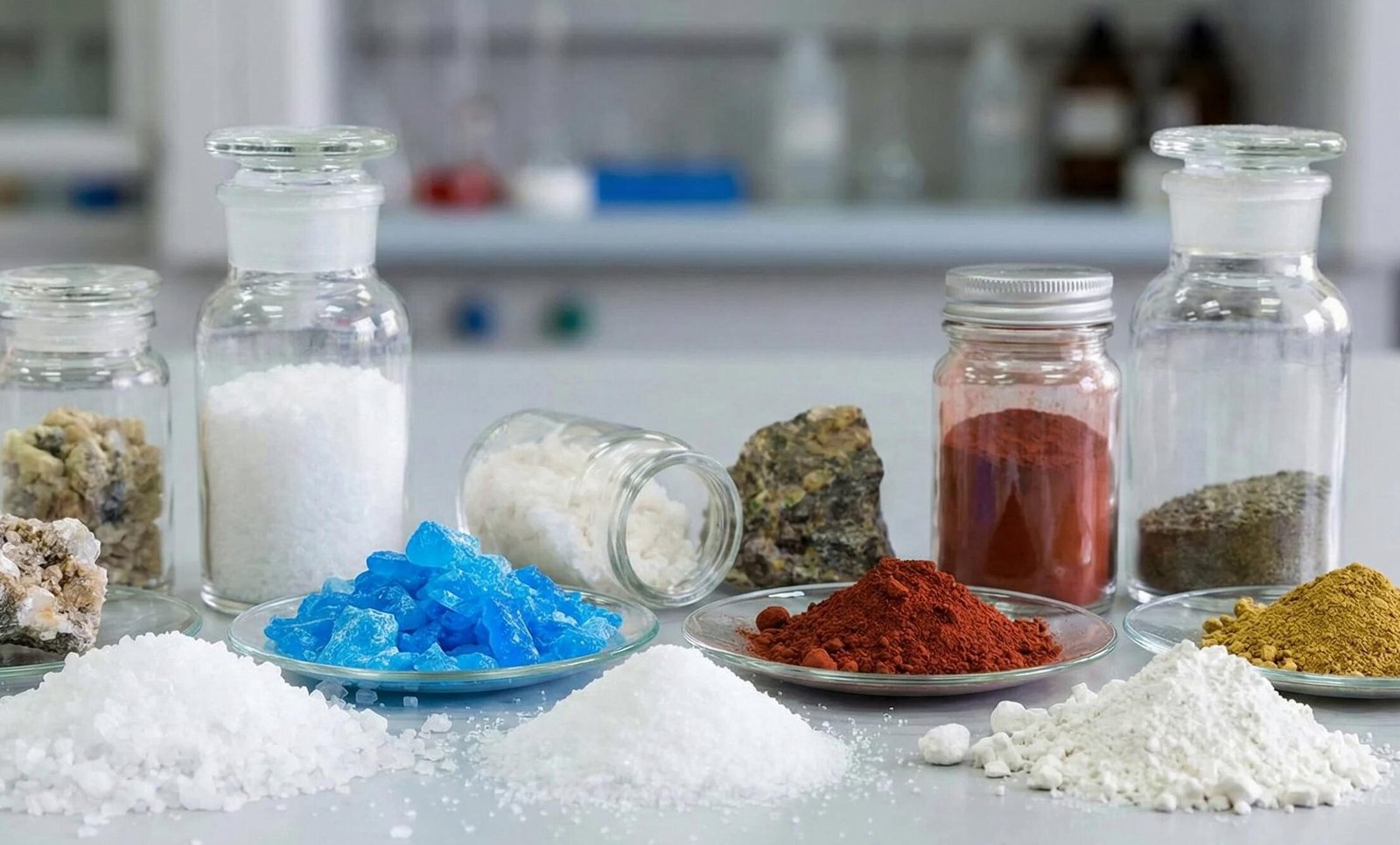
Inorganic Chemical Materials
For inorganic chemical batches, selection depends on the feed condition, moisture or solvent content, and required drying endpoint. Review product-contact materials and handling requirements for the specific substance.
Typical materials- • Nickel sulfide
Final suitability depends on feed form, viscosity, solvent composition, thermal sensitivity and required final moisture or residual solvent. Contact us to review your material.
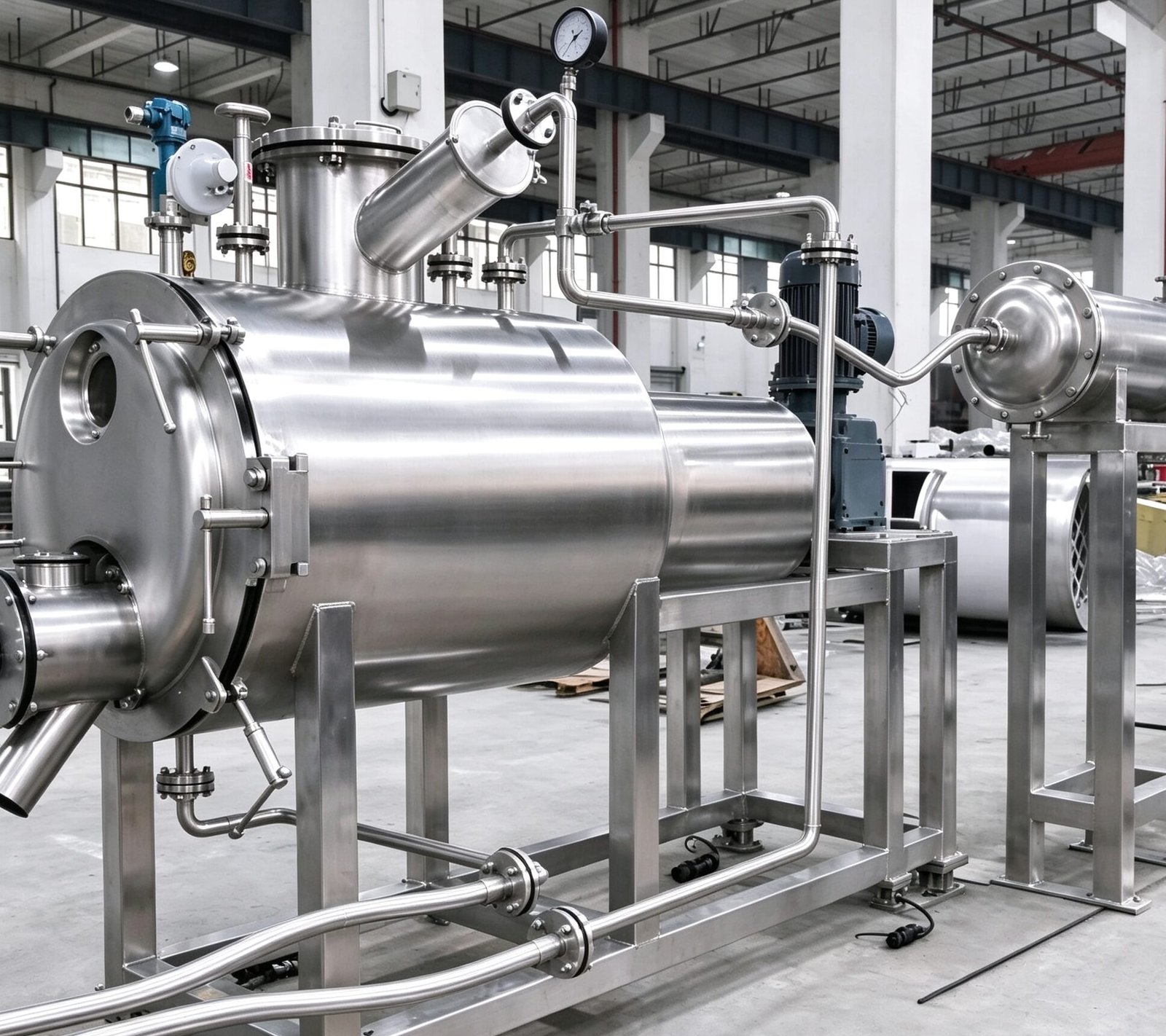
Reference equipment photo
Animal Protein Paste Drying Project in Italy
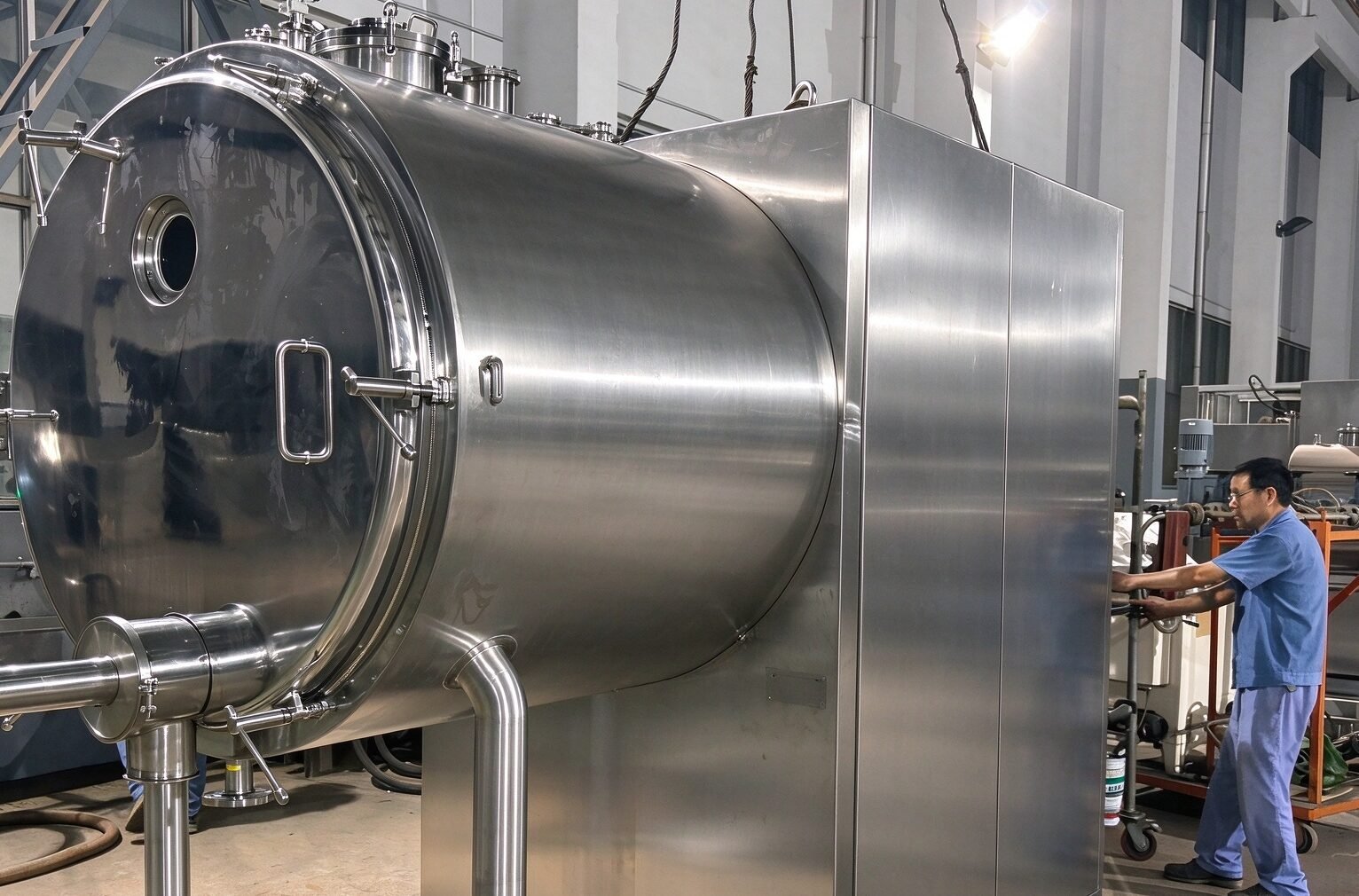
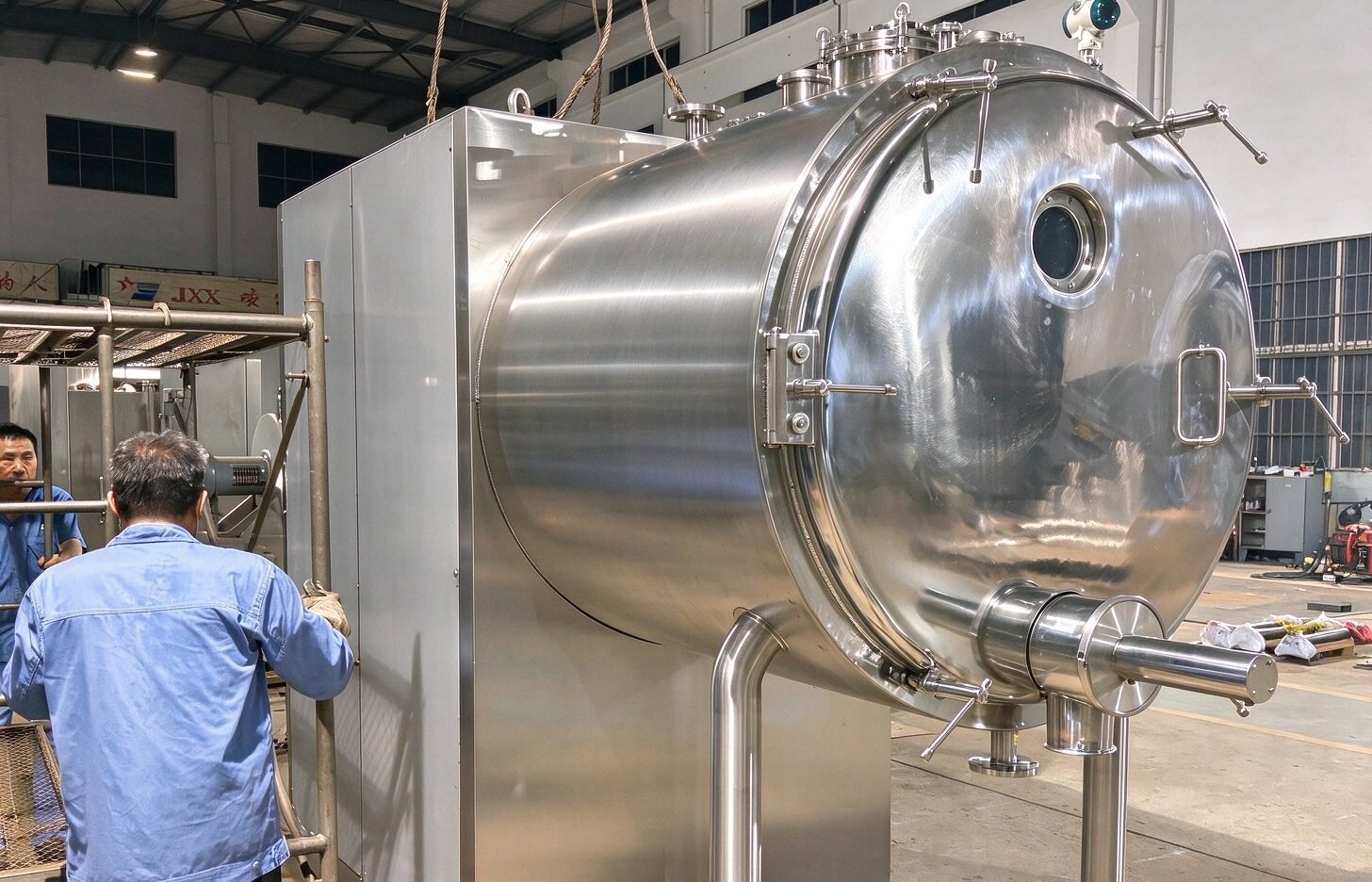
Configured for an animal protein paste application in Italy, this PZG-500 vacuum rake dryer combines batch operation, hot-water heating, and access for internal cleaning. Its 304 stainless steel chamber and rake assembly are paired with adjustable agitation and process monitoring.
- Model PZG-500
- Total Vessel Volume 500 L
- Specified Batch Load ≤300 L / ≤160 kg
- Heating Method Hot Water
* Actual loading is subject to material properties and process requirements.
Access for Cleaning
An openable door provides access to the chamber and rake assembly. Two spray balls and rounded internal transitions support cleaning between batches.
Adjustable Batch Operation
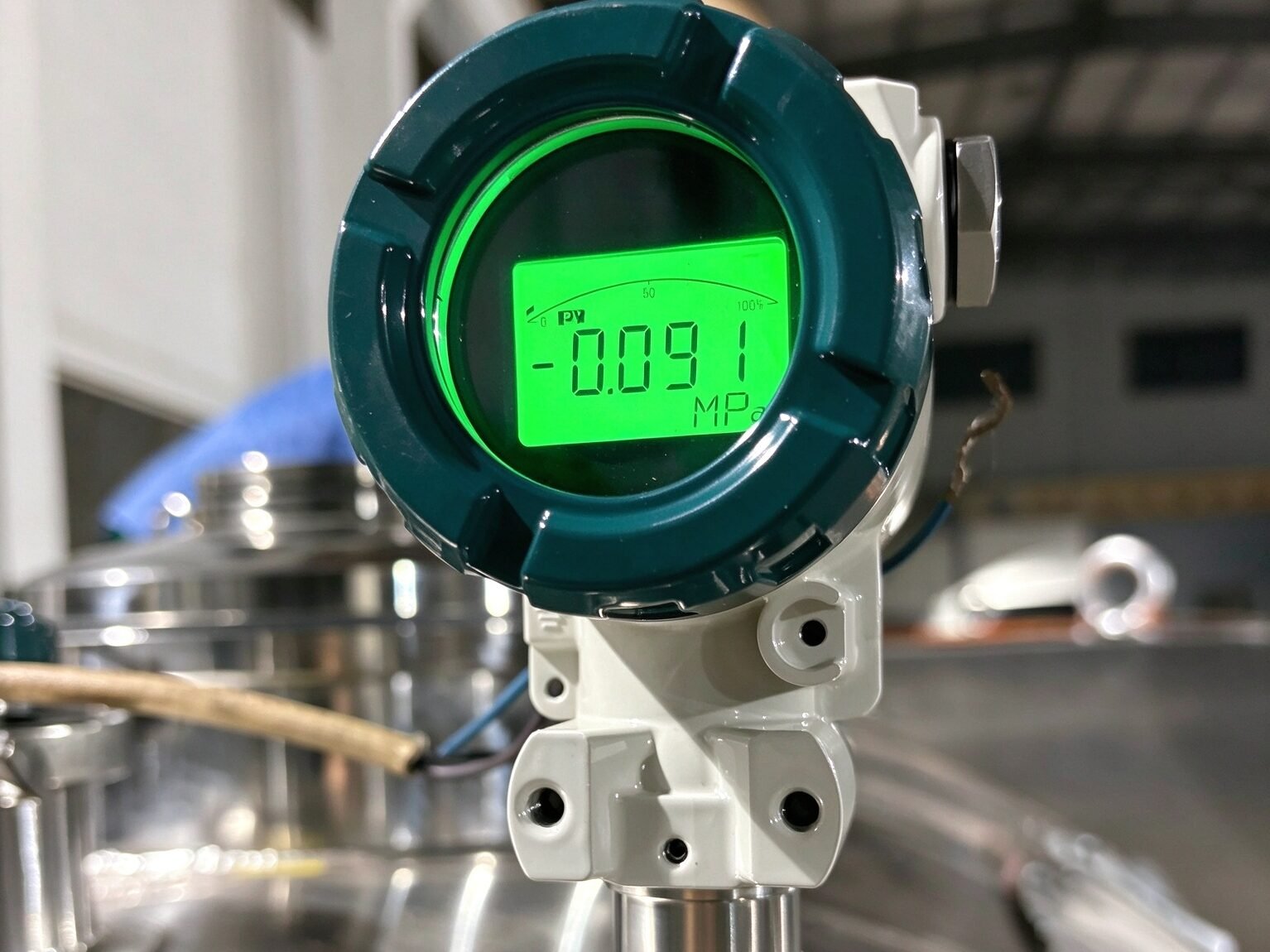
A 5.5 kW variable-speed drive supports forward and reverse rake rotation, with temperature and vacuum monitoring for process control.
Sealing and Discharge
The specified configuration includes a double mechanical seal and a DN200 pneumatic discharge assembly.
How to Select the Right ZPG Size
Sizing a batch rake dryer involves more than just dividing daily capacity by hours.
Material State & Viscosity
Confirm the initial physical state, maximum viscosity during drying, and any phase changes that affect motor torque.
Batch Volume & Density
Determine the wet feed mass per batch and its bulk density to calculate the required working volume, respecting loading limits.
Moisture & Solvents
Specify initial and target moisture or residual solvent levels to estimate the total evaporation load per batch.
Temperature & Utilities
Define the maximum allowable product temperature and confirm the available heating (hot water/steam) and cooling utilities.
Full Batch Cycle
Calculate batches per day by accounting for the entire cycle: loading, heating, drying, cooling, discharge, and cleaning.
Layout & Compliance
Ensure sufficient operational space for door opening, select appropriate construction materials (e.g., SS304/316L), and define documentation needs.
If your production requires non-stop continuous feeding and discharging, a batch rake dryer is not suitable. Please evaluate our continuous drying equipment.
Send Your Batch Requirements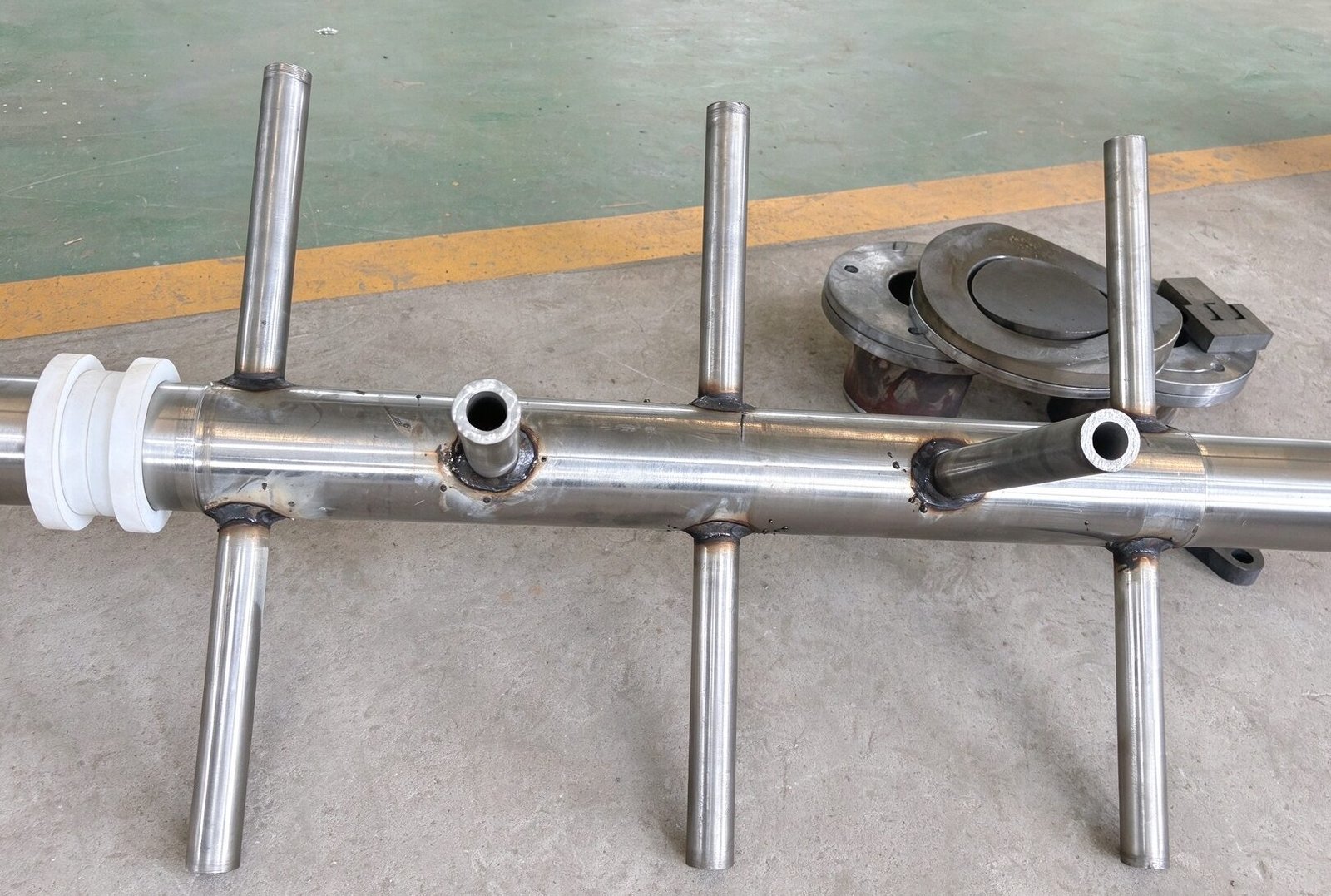
Manufacturing and Technical Support
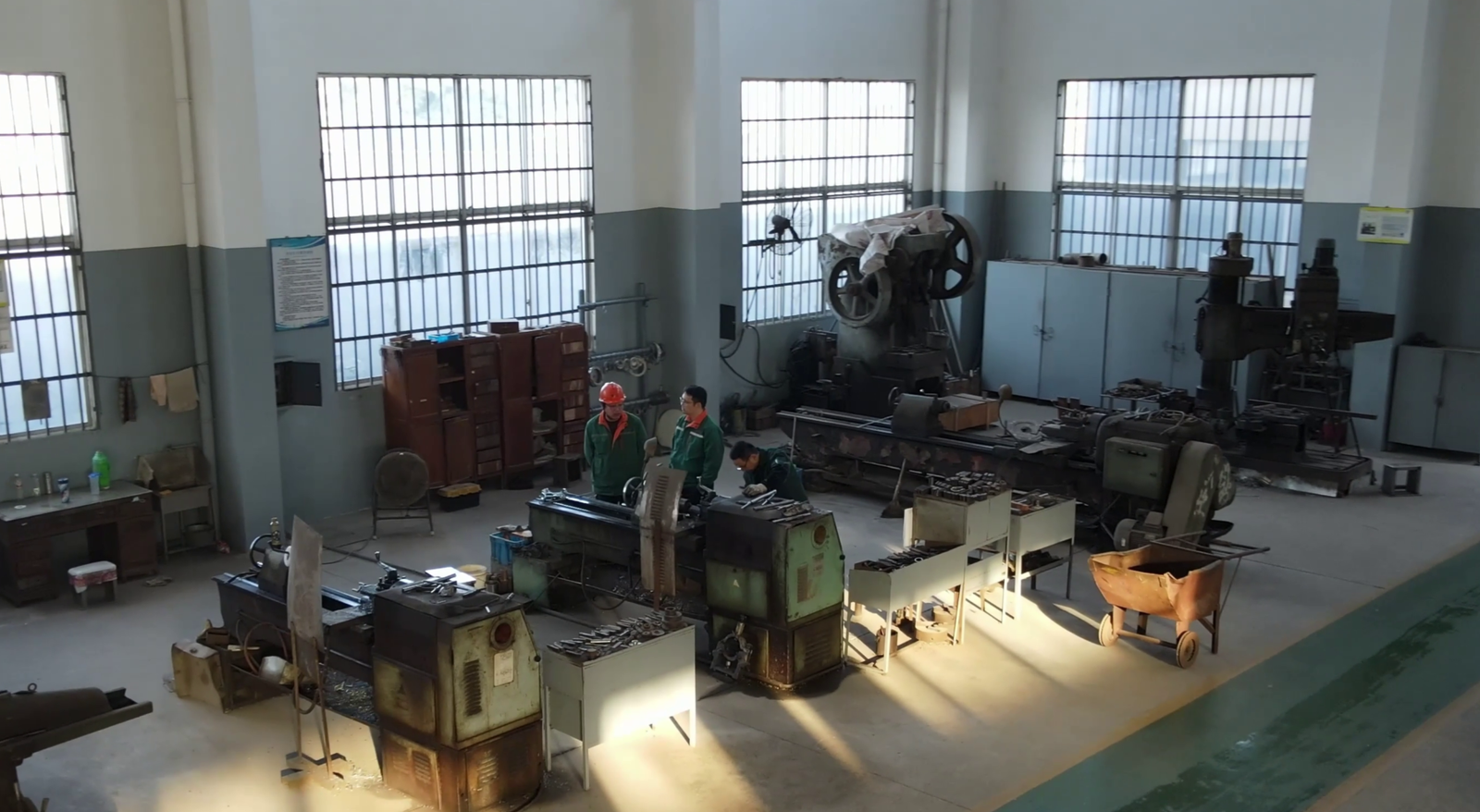
At JEXDRY, we manage the complete fabrication process of the ZPG series in-house, ensuring structural integrity for vacuum operations and precise assembly of the rake mechanism.
- In-house vessel welding and jacket fabrication.
- Dimensional inspection of agitator shafts and door seals.
- Factory Acceptance Testing (FAT) for vacuum holding and mechanical operation.
- Provision of layout drawings and material certificates upon request.
Unsure Which Dryer to Choose?
Let the Data Decide.
Choosing the right industrial drying equipment is critical for your production efficiency and product quality. At JEXDRY, we eliminate the guesswork. Send us your raw materials, and our engineering team will conduct comprehensive drying tests in our in-house laboratory.
- Customized Analysis: Testing for moisture content, thermal sensitivity, and physical property changes.
- Engineering Reports: Receive detailed data determining the optimal drying technology, temperature, and residence time.
- 100% Confidence: Validate the final product quality before making any investment decisions.
Watch how our engineers conduct a pilot test for a custom drying system.
Frequently Asked Questions
Clarifying operational capabilities and selection criteria for the ZPG series.
1. What is a vacuum rake dryer?
2. Is this vacuum rake dryer suitable for sticky materials?
3. Can this ZPG dryer operate continuously?
4. How does it differ from a continuous paddle dryer?
5. Can the dryer be opened for internal cleaning?
6. Does door access mean automatic cleaning or CIP?
7. How do I choose the working volume for each batch?
8. What determines the full batch cycle?
9. Can the system be arranged for solvent recovery?
10. Are the condenser and vacuum pump included?
11. What final moisture or residual solvent level can be achieved?
12. What information is required for a quotation?
Related Drying Technologies
Compare different material movement principles to find the best fit.
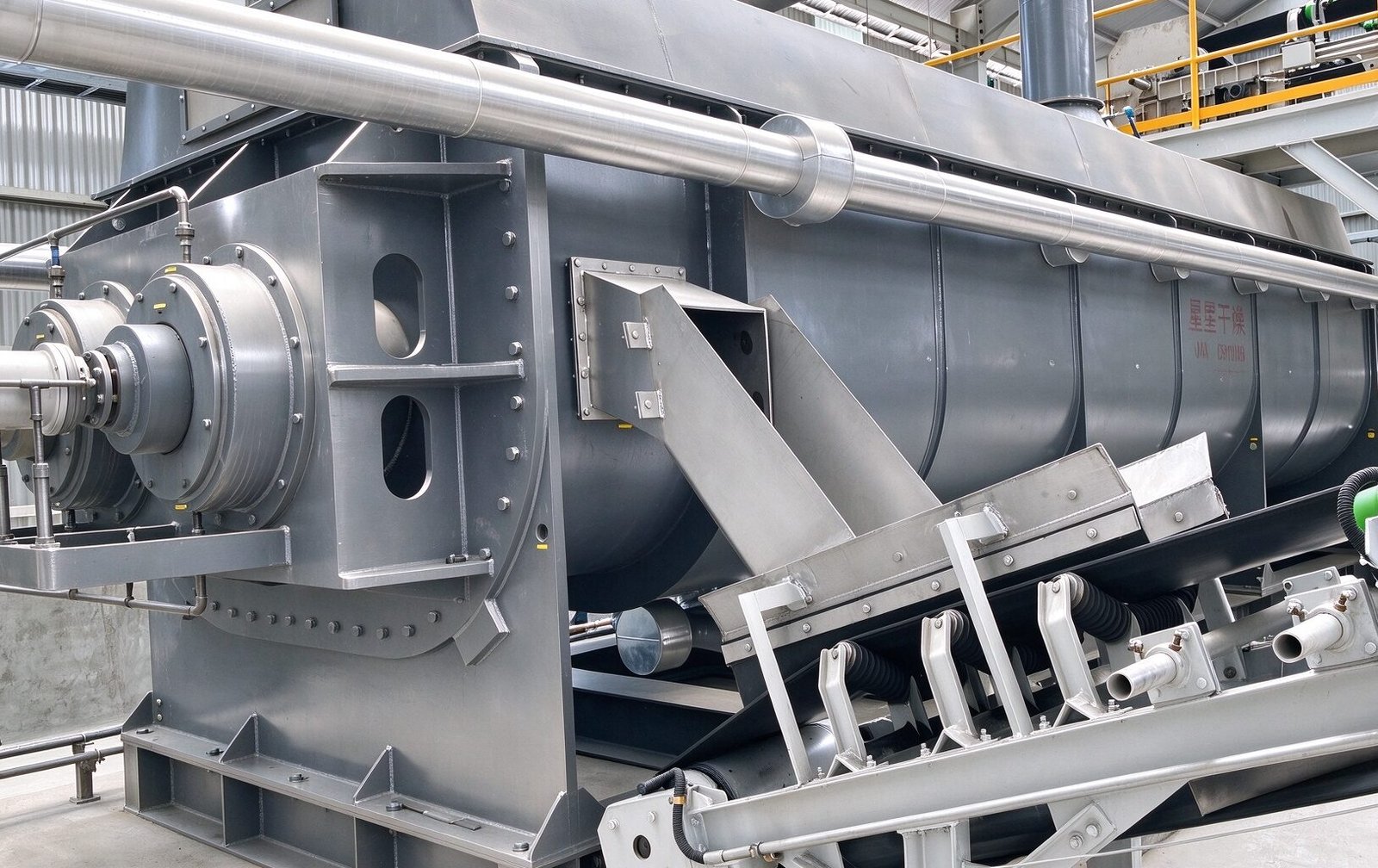
Continuous Paddle Dryer
Evaluate this option if your process strictly requires continuous feeding and discharging rather than batch operation.
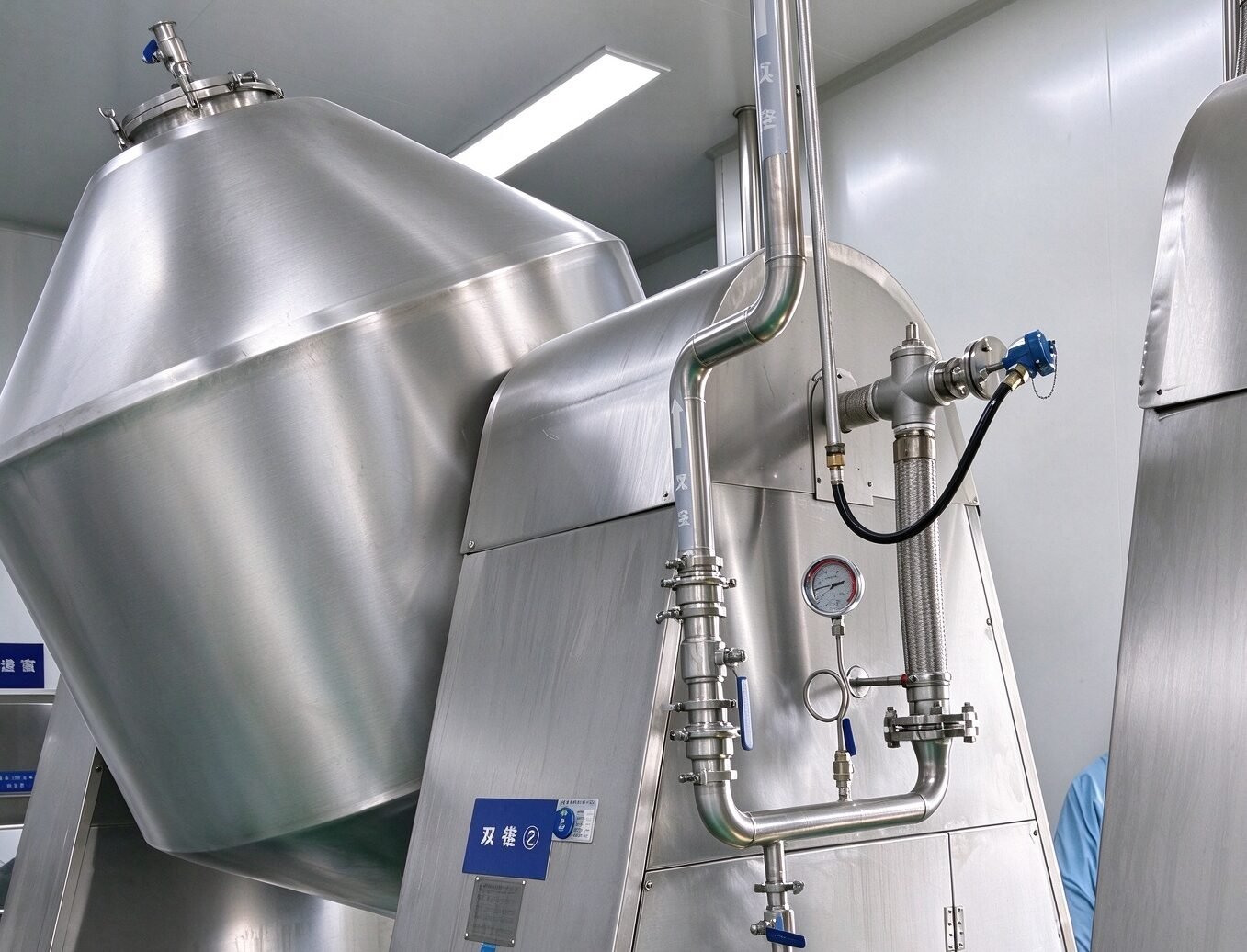
Double Cone Vacuum Dryer
Compare tumbling agitation against rake agitation for materials that flow well and require gentle blending.
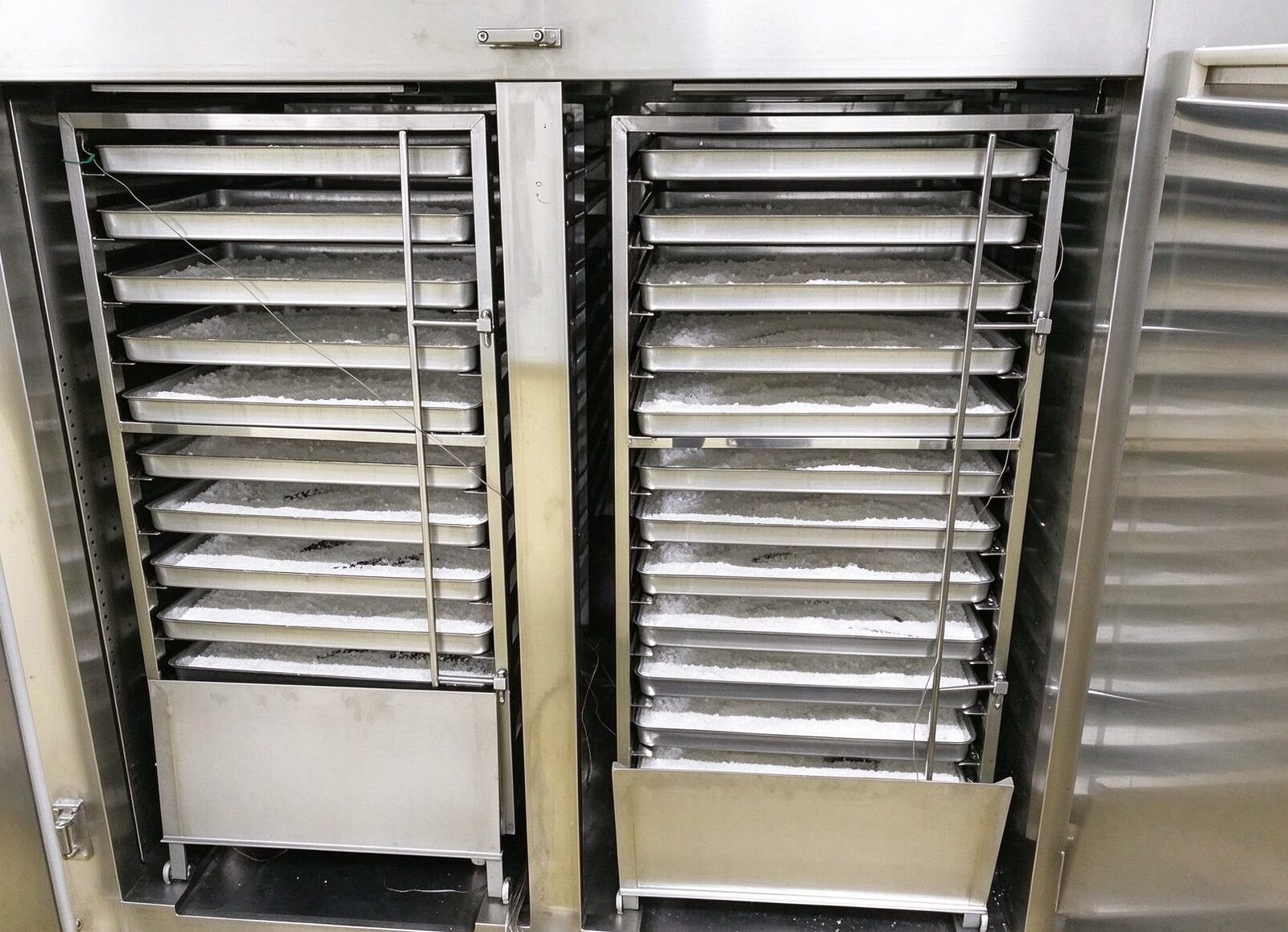
Vacuum Tray Dryer
Consider static layer drying if your material cannot withstand any mechanical agitation or shear forces.
Tell Us About Your Sticky Material and Batch Requirements
Provide your process details to help our engineers evaluate the suitability of the ZPG vacuum rake dryer, estimate the required working volume, and discuss cleaning access requirements.
Direct Contact
zar@jexdry.com
+86 137 7501 3369