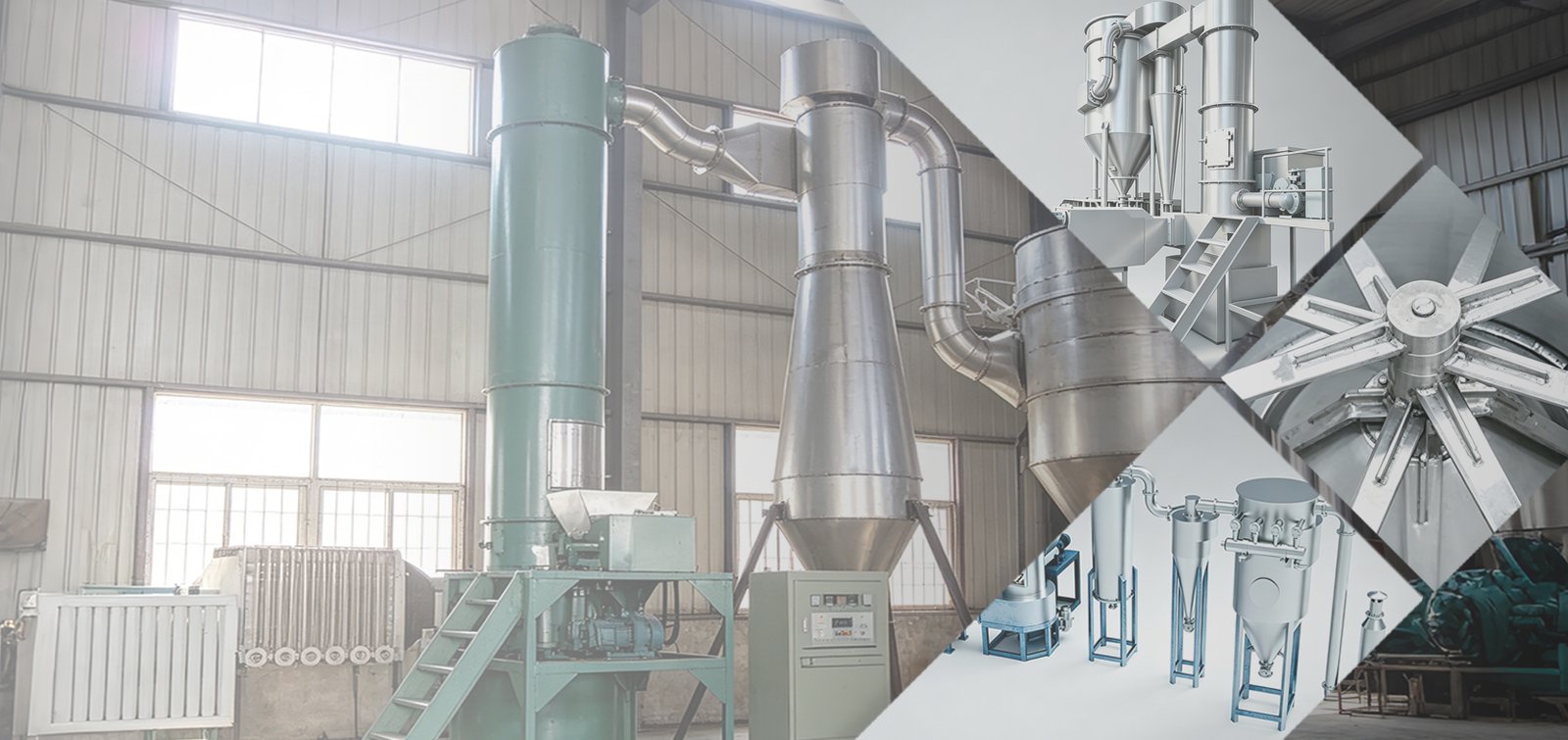
Spin Flash Dryer for Filter Cake, Paste and Cohesive Materials
JEXDRY engineers custom spin flash drying systems. Through continuous feeding, mechanical disintegration, turbulent hot-air contact, and integrated powder collection, we convert wet cakes and pastes into uniform dry powder.
Tell us your wet feed rate, initial moisture, target moisture and available heat source.
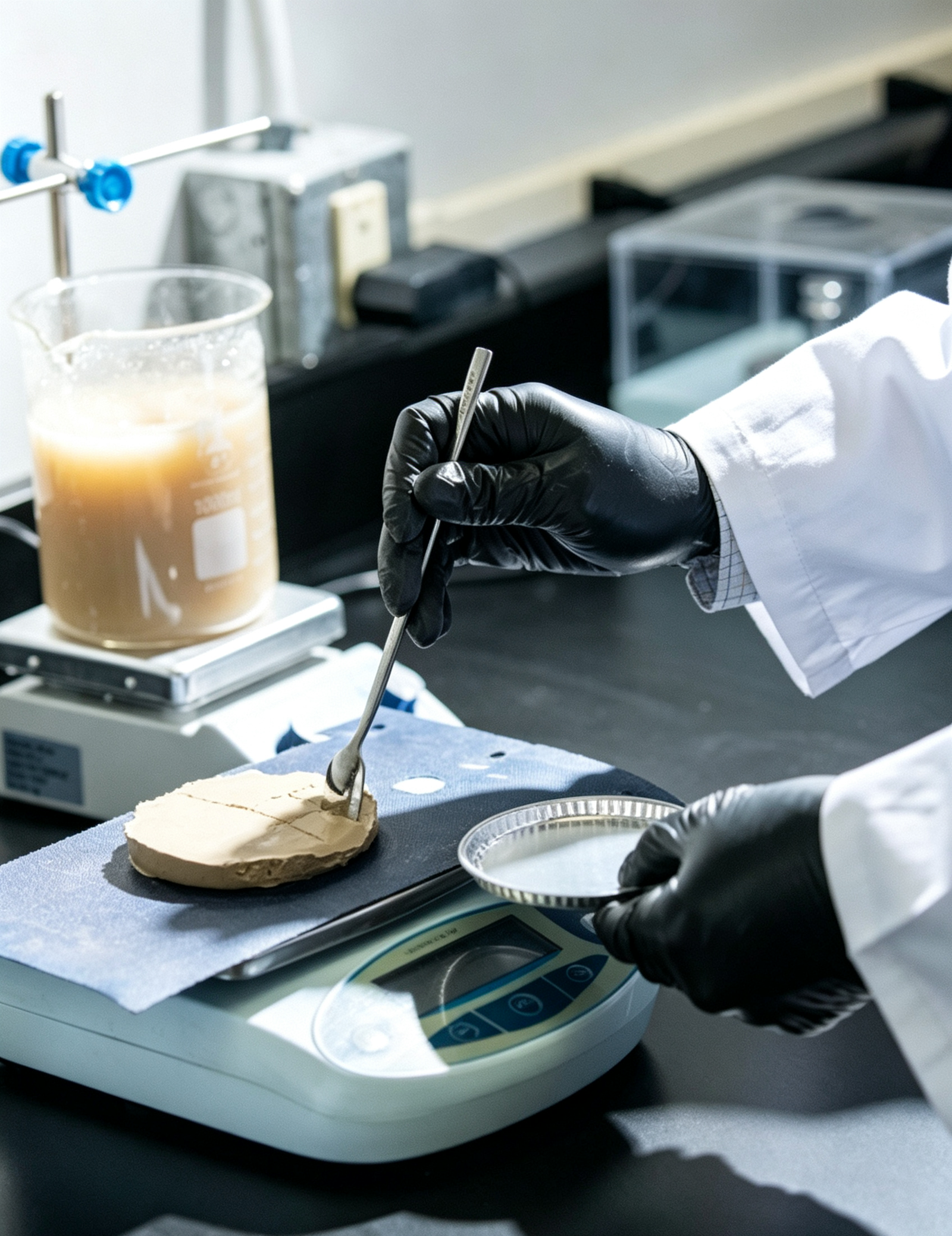
When Wet Cake Does Not Disperse Properly
Standard hot-air dryers struggle with cohesive pastes and filter cakes. Without mechanical intervention, these feed states lead to operational failures and inconsistent product quality.
Bridging at the Feed Hopper
Wet filter cake or paste fails to enter the drying chamber steadily, causing severe feed fluctuations and temperature spikes.
Wet Lumps Inside Air Stream
Large wet agglomerates remain unbroken. Hot air only dries the surface, leaving the interior unacceptably moist.
Wall Build-up and Choking
Sticky material accumulates in local zones, causing pressure drop increases, forced shutdowns for cleaning, and capacity loss.
Uneven Final Moisture
A mismatch between feeding, disintegration, and airflow results in an unstable final powder moisture and particle size.
Spin flash drying is considered when the feed needs mechanical disintegration before or during rapid hot-air drying.
What Is a Spin Flash Dryer?
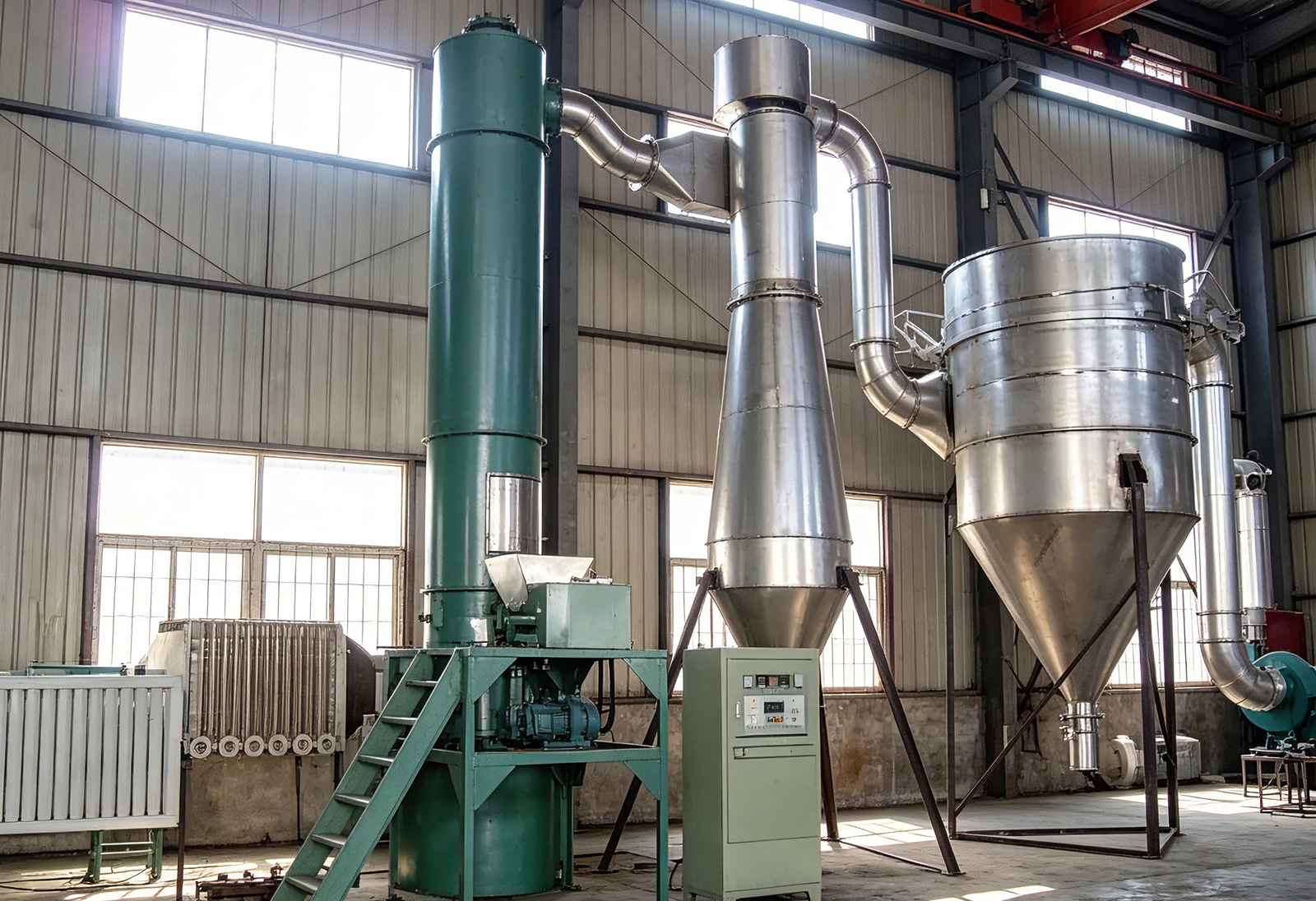
A spin flash dryer is a continuous drying system that combines controlled feeding, mechanical disintegration, turbulent hot-air drying and particle classification. It is mainly used to convert wet filter cakes, pastes and cohesive materials into dry powder within a short residence time.
Core Process Mechanisms
-
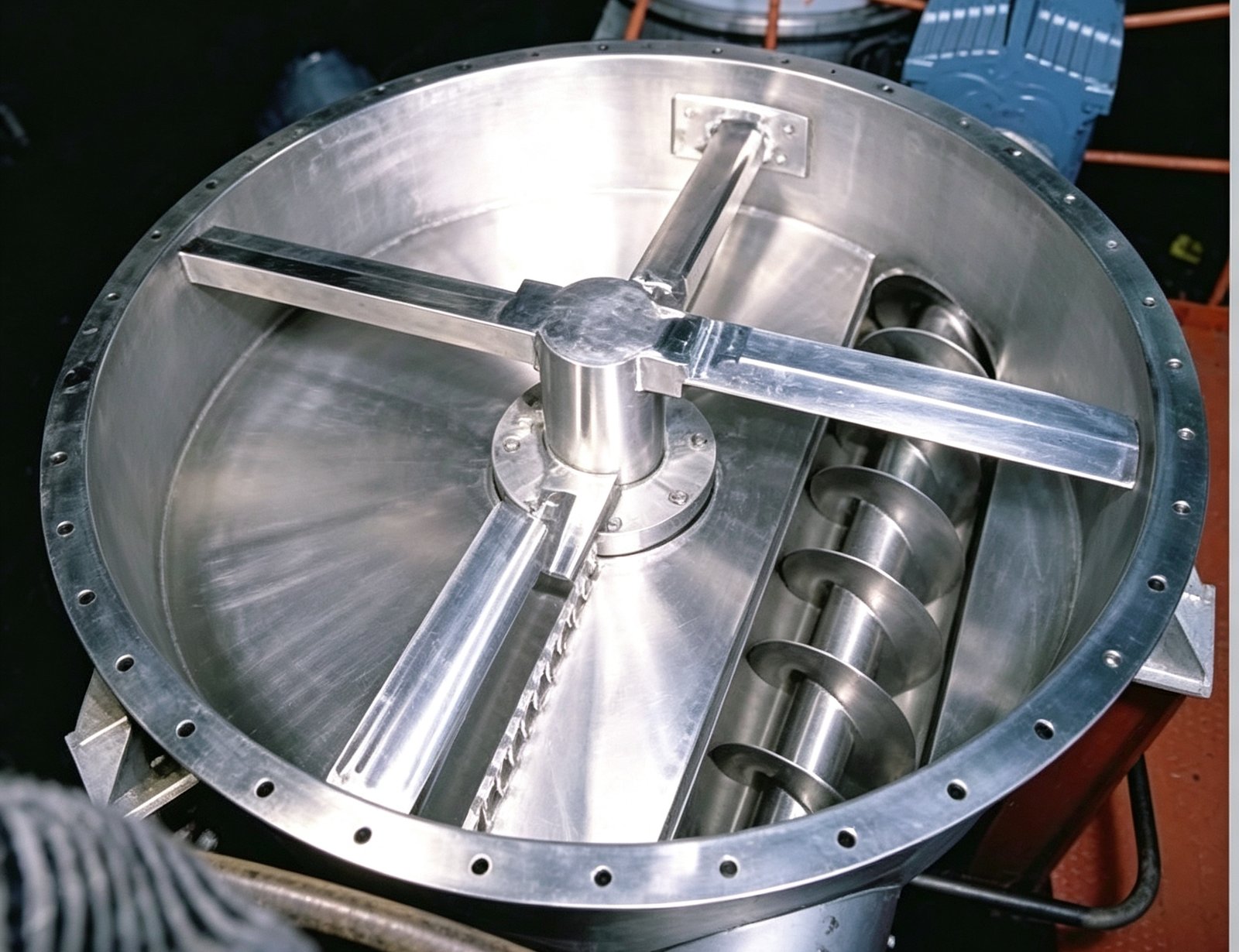
Controlled feeding Variable-speed double or single screw feeders designed to prevent hopper bridging.
-
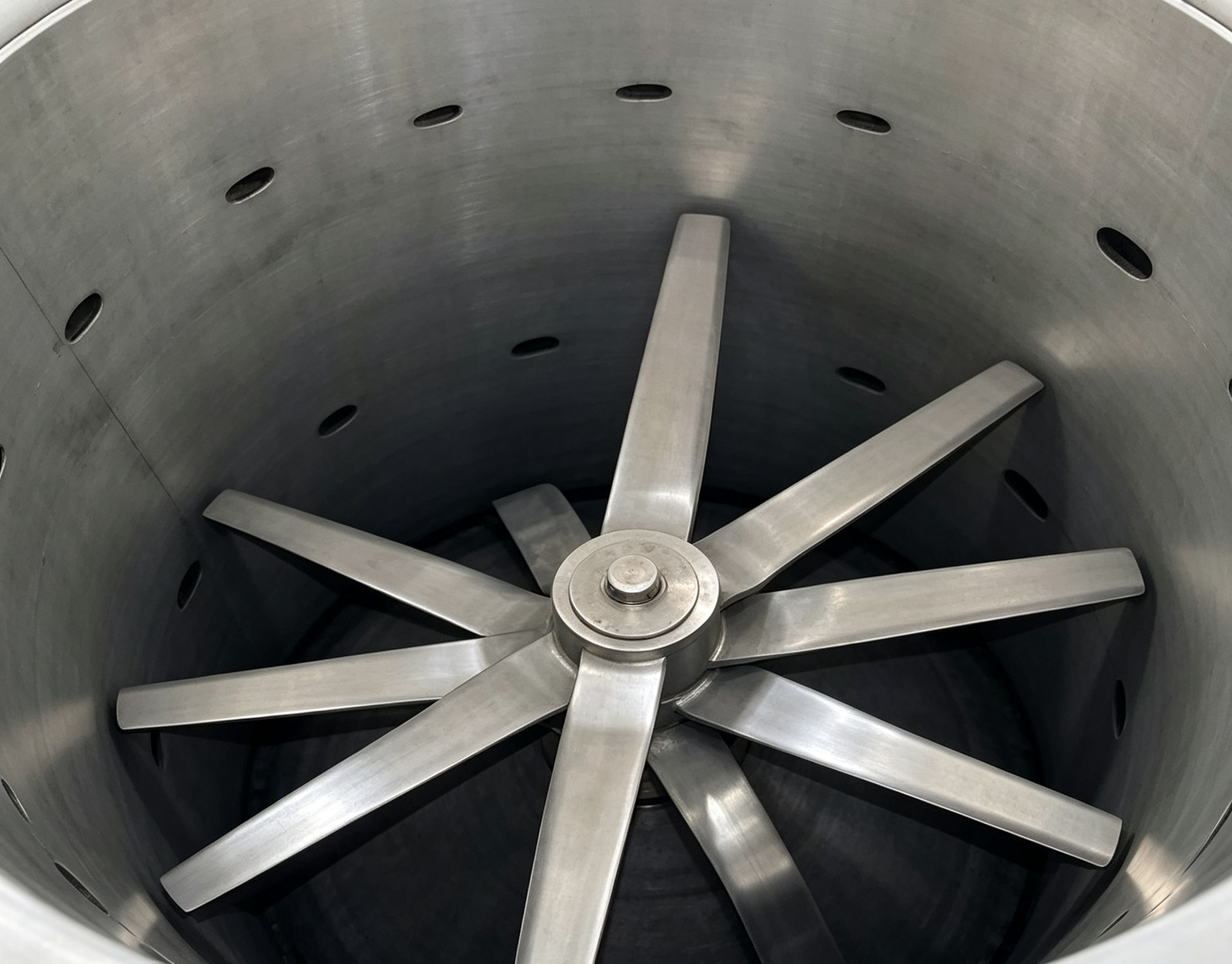
Wet-lump disintegration Bottom agitator shatters cohesive clumps, instantly exposing massive surface area to hot air.
-
Tangential hot-air contact Air enters tangentially at the base, creating a high-velocity vortex that sweeps the drying chamber.
-
Short residence time Rapid moisture evaporation occurs in seconds, protecting many materials from severe thermal degradation.
-
Particle classification A top classifier ring ensures only particles meeting size and moisture criteria exit the chamber.
-
Cyclone and bag-filter collection Integrated gas-solid separation recovers the final dry powder and minimizes dust emissions.
How Does a Spin Flash Dryer Work?
A spin flash dryer breaks up wet filter cake in a rotating hot-air stream. Bottom blades expose fresh wet surfaces for evaporation. Fine particles pass through the classifier and are collected by cyclones and a bag filter. Larger wet lumps remain for further breakup. Feed rate must match the system’s ability to disperse and dry the incoming material.
Controlled Feeding
Wet filter cake or paste continuously enters the drying chamber via a hopper and variable-speed screw feeder. The feeding mechanism is custom-designed based on material flowability to minimize bridging and ensure steady input.
Mechanical Disintegration
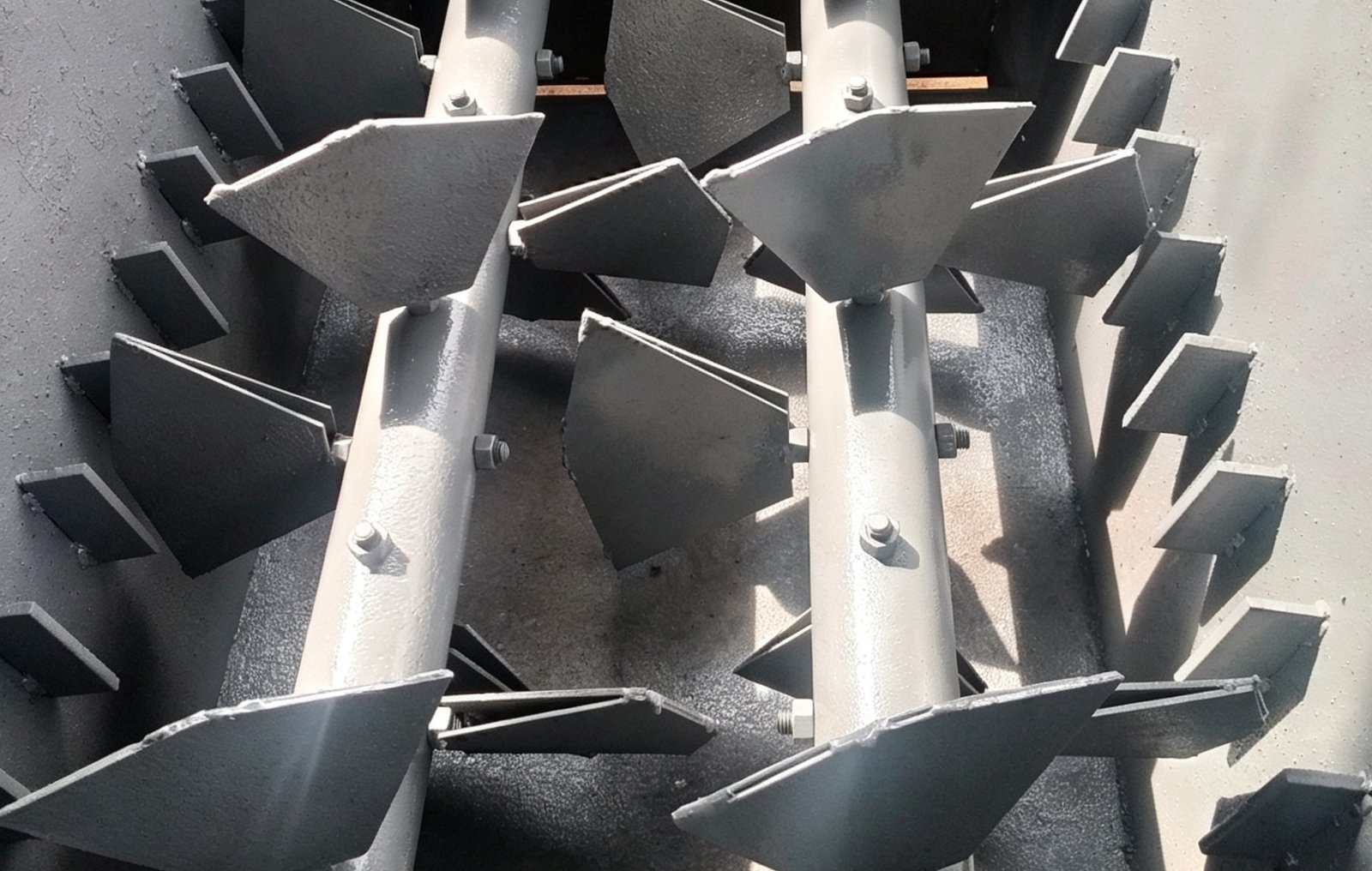
A high-speed rotating disintegrator at the bottom shears, impacts, and disperses wet lumps. This action dramatically increases the effective surface area for heat transfer between the material and hot air.
Tangential Hot-Air Contact
Filtered and heated air enters tangentially from the bottom of the drying chamber, creating a high-velocity, rotating turbulent airflow that lifts and surrounds the dispersed particles.
Rapid Moisture Removal
Fine, dispersed wet particles undergo extremely rapid heat and mass transfer in the rotating air stream. Larger, heavier wet particles fall back to the disintegration zone for further breaking and drying.
Particle Classification
Particles that reach the target size and dryness are carried upward and exit through the top classifying section. Larger or wetter particles are blocked and retained in the chamber for continued processing.
Powder Separation
The dried powder is separated from the exhaust air by a cyclone separator and a pulse bag filter. The product is discharged via rotary airlock valves, while the exhaust gas is drawn out by an induced-draft fan.
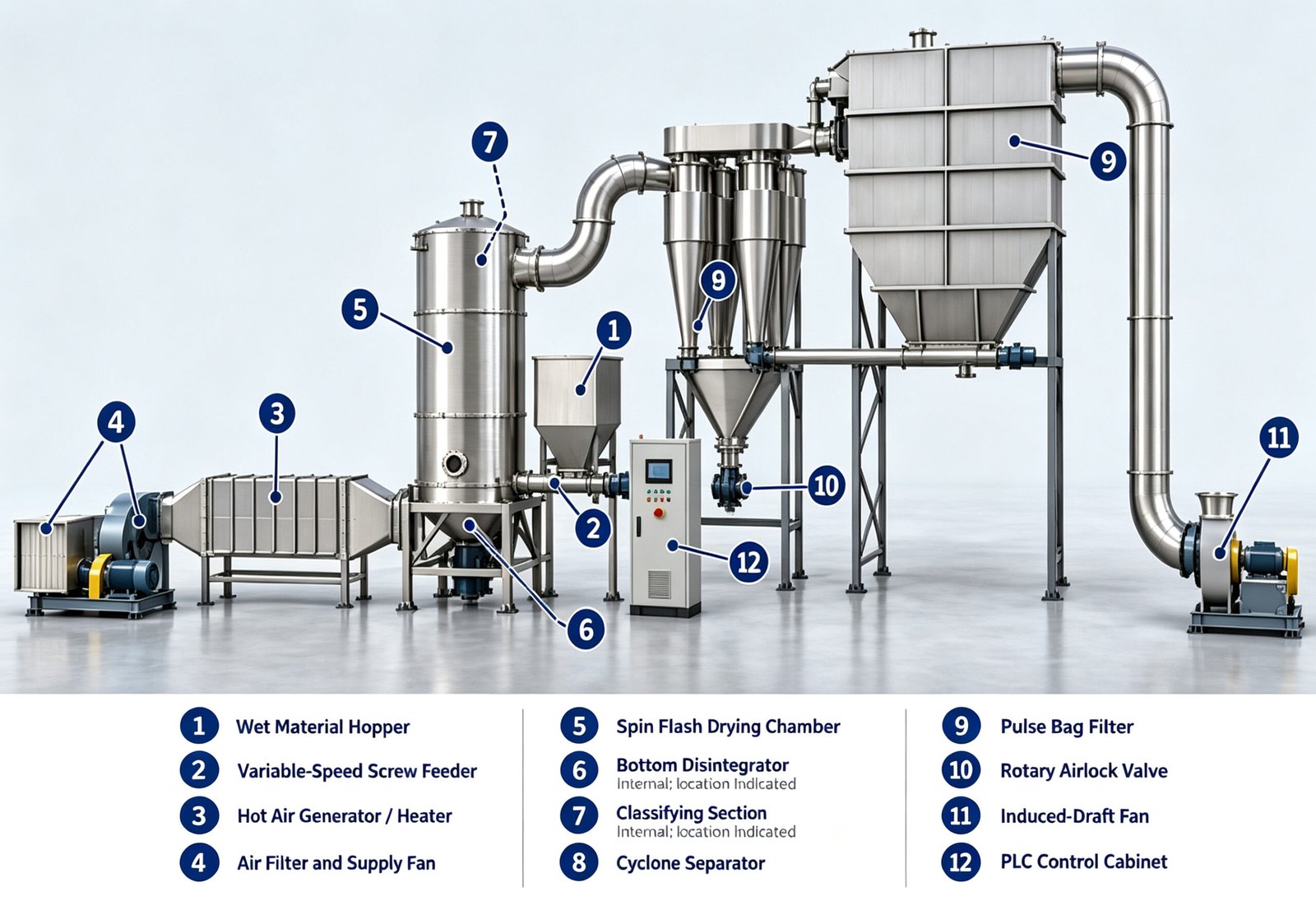
Main Components of a Spin Flash Drying System
Heat Source Options
- Electric heating
- Steam heat exchanger
- Natural gas direct/indirect
- Oil-fired hot air generator
- Biomass or plant waste heat
The heating method must be selected based on product contamination limits, local energy availability, required inlet temperature, and safety regulations.
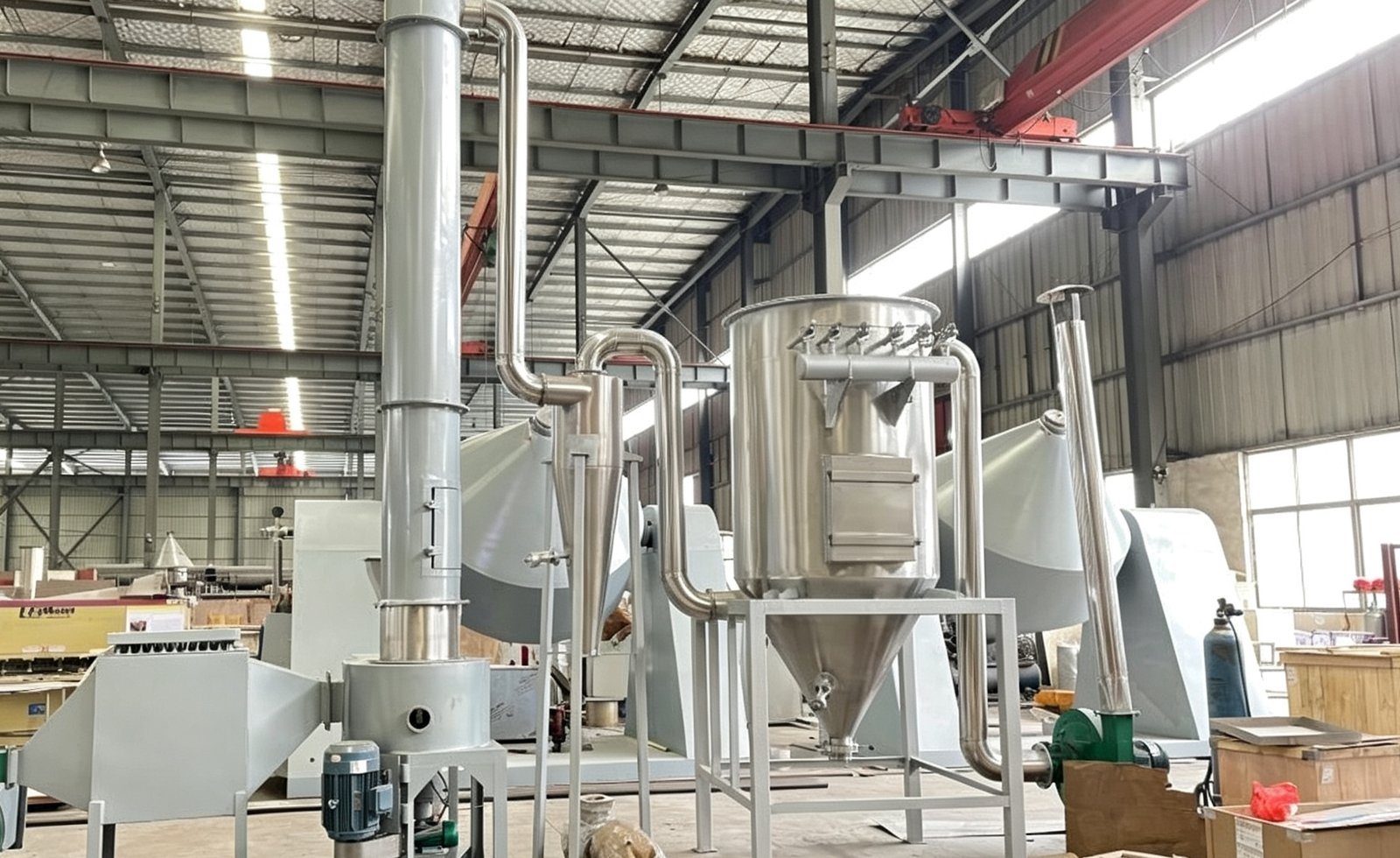
A complete industrial setup includes equipment from feeding to exhaust control.
1.Wet Material Hopper
Stores the wet cake; often equipped with a bridge-breaking agitator for highly cohesive feeds.
2.Variable-Speed Screw Feeder
Meters material into the chamber. Speed is adjusted via PLC to match the drying capacity.
3.Hot Air Generator / Heater
Raises the incoming air temperature to the required process level (typically 150°C to 300°C+).
4.Air Filter and Supply Fan
Filters ambient air to prevent product contamination and pushes it through the heater.
5.Spin Flash Drying Chamber
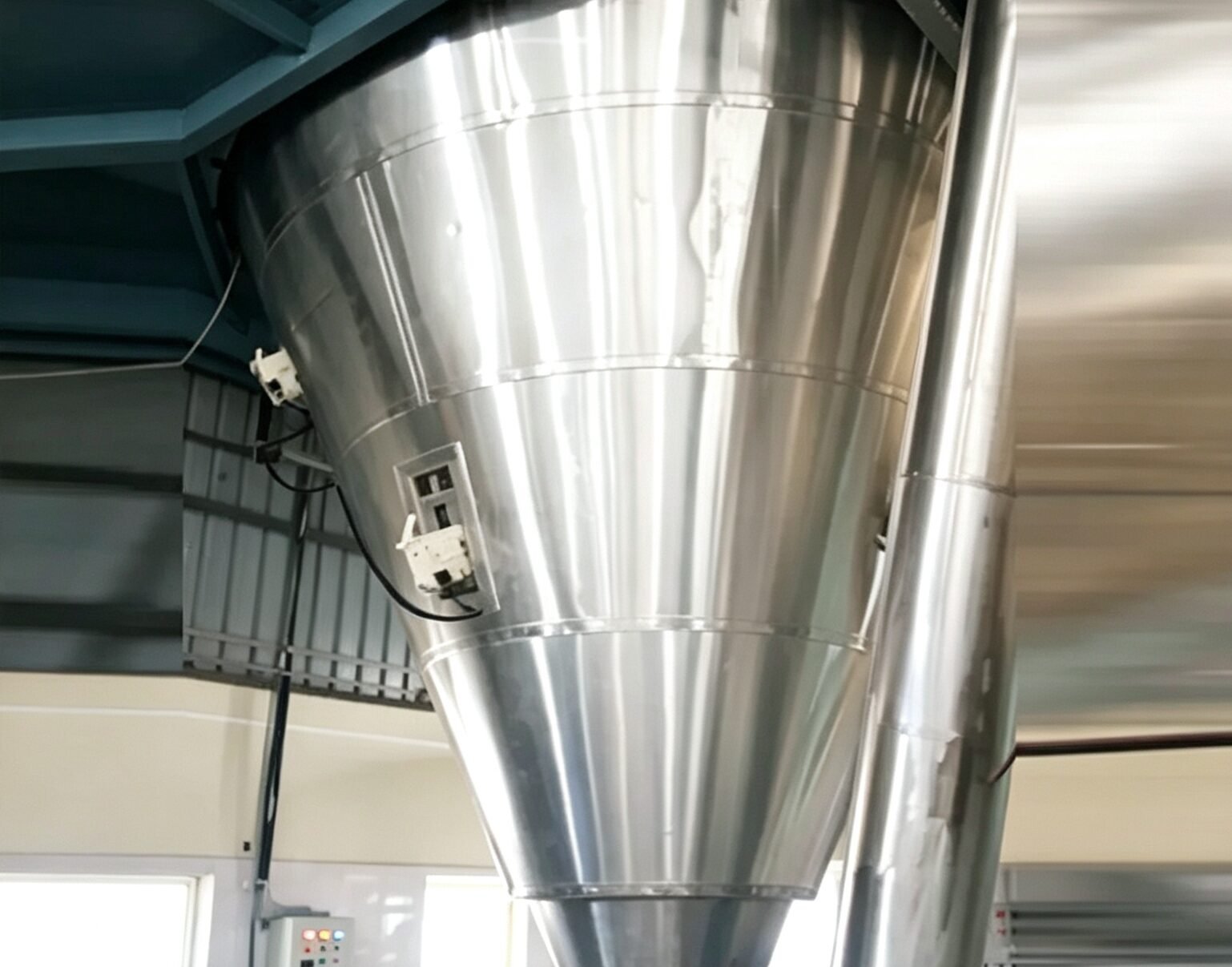
The main vertical vessel where disintegration, turbulent mixing, and flash evaporation occur.
6.Bottom Disintegrator
Heavy-duty rotating blades driven by a bottom motor to smash lumps continuously.
7.Classifying Section
An adjustable top ring that determines the maximum particle size and moisture allowed to exit.
8.Cyclone Separator
Provides primary gas-solid separation, collecting the bulk of the dried powder.
9.Pulse Bag Filter
Captures remaining fine dust to meet environmental emission standards and maximize yield.
10.Rotary Airlock Valve
Discharges powder from collectors while maintaining system air pressure balance.
11.Induced-Draft Fan
Pulls air through the entire system, maintaining a slight negative pressure to prevent dust leakage.
12.PLC Control Cabinet
Monitors inlet/outlet temperatures and adjusts feed rate and fan speeds automatically.
Designed Around the Behavior of Wet Feed
Every structural feature of the JEXDRY system is engineered to solve specific feeding, drying, and collection challenges for cohesive materials.
Variable-Speed Feeding
By matching the screw design and inverter-controlled speed to the wet cake's state, we reduce feed fluctuations, hopper bridging, and instantaneous motor overload in the main chamber.
Integrated Disintegration
Wet clumps are mechanically shattered inside the drying zone. This eliminates the need for separate pre-crushing equipment, reduces un-dried core lumps, and maximizes the effective heat transfer area.
Short Residence Time
Material passes through the high-temperature airflow zone rapidly (often in seconds). This lowers the risk of discoloration or thermal degradation for many moderately heat-sensitive feeds.
Adjustable Final State
By tuning feed rate, air volume, temperature, agitator speed, and classifier height, the final moisture and particle size can be controlled. (e.g., Some calcium carbonate applications can reach ≤0.1% moisture under specific conditions).
Compact Vertical Layout
Integrating feeding, crushing, drying, and classifying into a single vertical vessel significantly reduces the required floor space, making it ideal for continuous production lines with limited plant footprint.
Integrated Powder Collection
The combination of a high-efficiency cyclone separator and a pulse-jet bag filter ensures maximum recovery of both main and fine powders, minimizing product loss and keeping the workshop clean.
Engineering Note
Drying performance cannot be determined by machine model alone. Feed moisture, bound moisture, stickiness, bulk density, particle size, drying temperature and exhaust conditions must be evaluated together.
Materials Commonly Processed by Spin Flash Dryers
The following represent common application categories. Final suitability should be confirmed through material evaluation or drying tests.
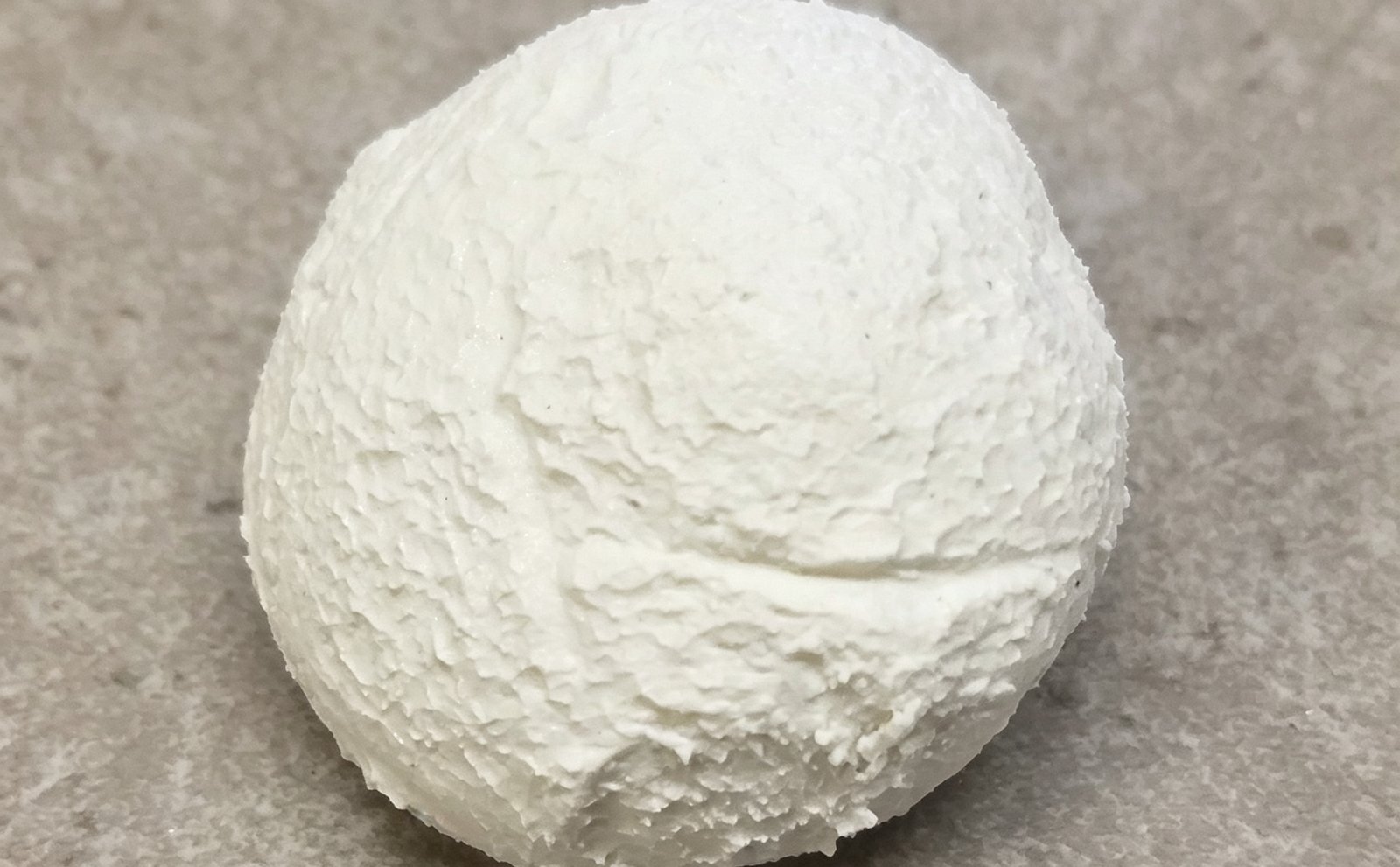
Chemical & Inorganic
- Calcium carbonate
- Metal hydroxides
- Iron oxide
- Barium carbonate
- Copper sulfate
- Heavy-metal salts
- Synthetic cryolite
- Cellulose derivatives

Pigments & Dyestuffs
- Iron oxide pigments
- Indigo pigments
- Anthraquinone products
- Azo dye intermediates
- Titanium compounds
- Zinc sulfide
- Reactive dye filter cakes
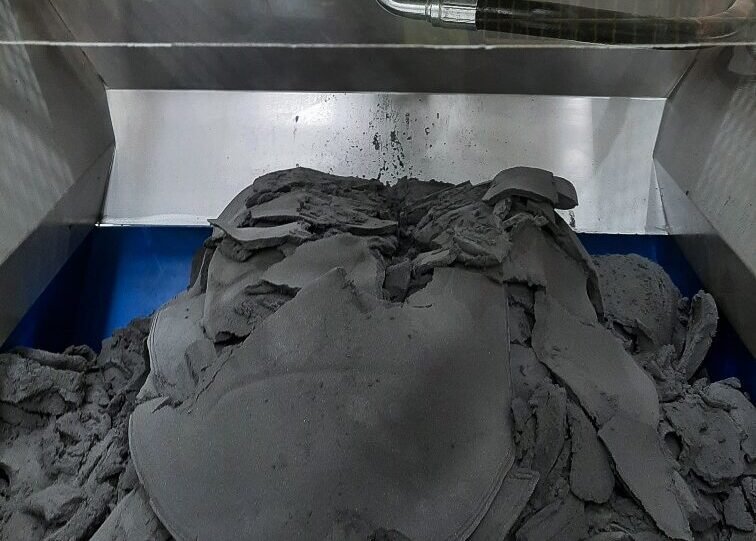
Agrochemicals
- Pesticide intermediates
- Insecticide filter cakes
- Fungicide materials
- Other cohesive agrochemical cakes
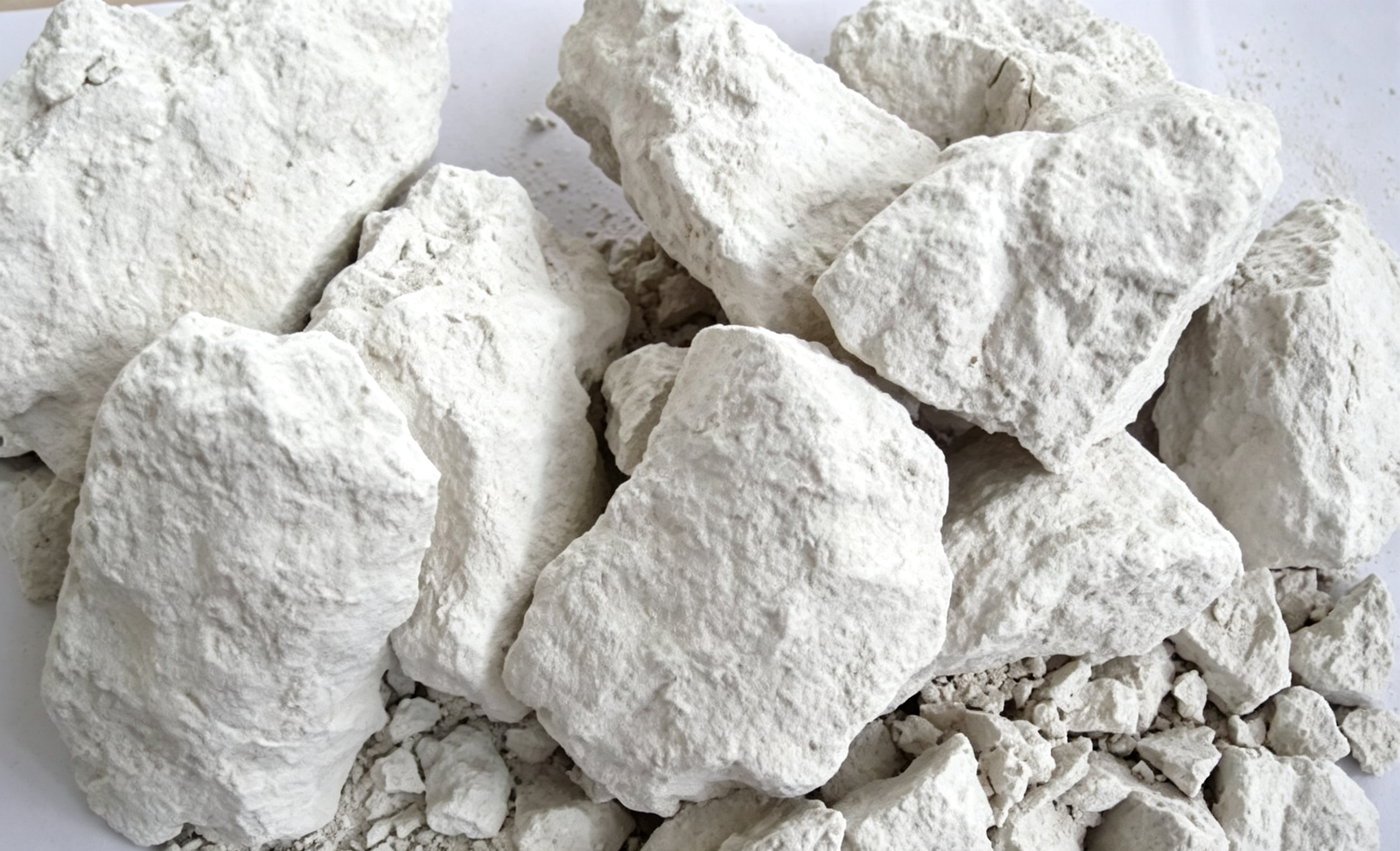
Ceramics & Minerals
- Kaolin
- Silica
- Clay
- Mineral filter cake
- Ceramic raw materials
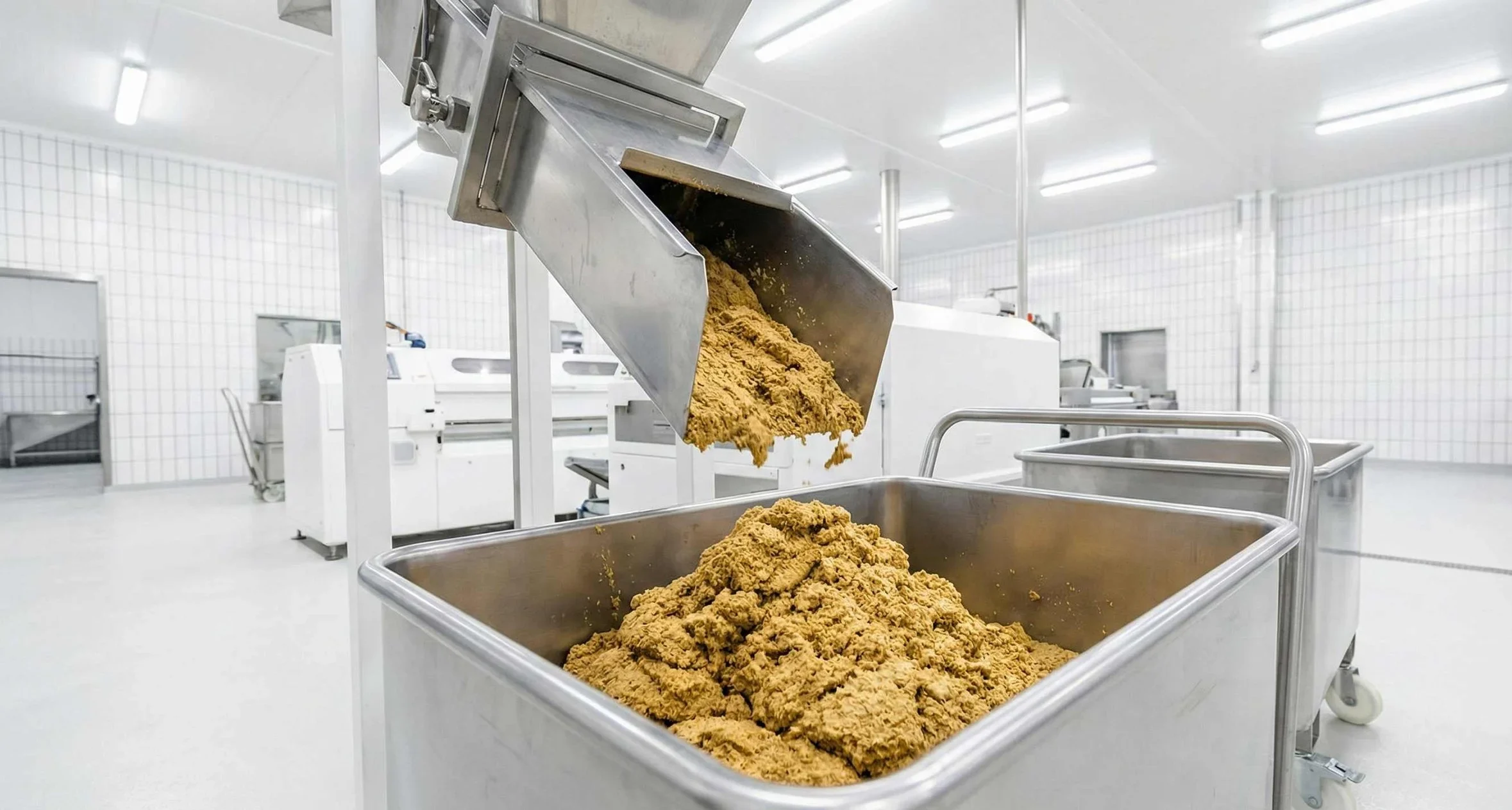
Food & Feed Ingredients
- Soy protein
- Starch-based materials
- Wheat starch
- Wheat bran
- Distillers’ grains
Note: Food, pharmaceutical, and high-sanitary projects require specific configurations regarding contact materials, cleaning methods, and contamination control.
Send a material photo, SDS if available, feed rate and moisture data for an initial review.
Spin Flash Dryer Configurations by Process Requirement
Chemical Filter Cake Configuration
Typical feed: Filter press or centrifuge cake.
Main concern: Bridging in hopper, severe corrosion, hard lumps.
Configuration focus: Anti-bridging double-screw feeder, heavy-duty bottom disintegrator, corrosion-resistant alloys (e.g., 316L, Titanium), and high-capacity bag filter for fine chemical dust collection.
Pigment and Dyestuff Configuration
Typical feed: Pigment pastes, dye intermediates.
Main concern: Color cross-contamination, extremely fine powder recovery, cleaning difficulty.
Configuration focus: Polished internal surfaces, quick-opening doors for cleaning, high-efficiency cyclone design, and specialized filter media to capture ultra-fine pigment particles without blinding.
Heat-Sensitive Material Configuration
Typical feed: Organic salts, certain food ingredients, proteins.
Main concern: Discoloration, thermal degradation, melting.
Configuration focus: Indirect heat exchangers (steam or thermal oil) to avoid combustion gas contact, precise inlet/outlet temperature monitoring via PLC, and optimized chamber height to ensure ultra-short residence time.
Mineral & High-Throughput Configuration
Typical feed: Kaolin, silica, mineral filter cakes.
Main concern: High water evaporation demand, abrasive wear on equipment.
Configuration focus: Large-scale air volume design, direct-fired hot air generators for high thermal efficiency, wear-resistant coatings or liners on disintegrator blades and cyclone walls.
XSG Spin Flash Dryer Technical Parameters
| Model | Main Machine Dimensions (mm) | Main Machine Power (kW) | Treatment Air Volume (m³/h) | Ref. Water Evaporation (kg/h) | Ref. Floor Area (mm) |
|---|---|---|---|---|---|
| XSG-2 | 250 × 2800 | 0.75–2.2 | 300–800 | 10–150 | 3500 × 2500 |
| XSG-3 | 400 × 3300 | 1.5–3 | 600–1500 | 20–300 | 3800 × 2700 |
| XSG-4 | 500 × 3500 | 3–4 | 1250–2500 | 25–500 | 4000 × 3000 |
| XSG-5 | 600 × 4000 | 5.5 | 1500–4000 | 30–600 | 4200 × 3200 |
| XSG-6 | 700 × 4200 | 5.5–7.5 | 2500–5000 | 40–800 | 4250 × 3250 |
| XSG-8 | 900 × 4600 | 7.5 | 3000–8000 | 60–1250 | 4500 × 3500 |
| XSG-10 | 1100 × 5000 | 7.5–11 | 5000–12500 | 100–2000 | 4750 × 3750 |
| XSG-12 | 1300 × 5200 | 11–15 | 10000–20000 | 150–3000 | 5000 × 4000 |
| XSG-14 | 1500 × 5400 | 15–18.5 | 14000–27000 | 200–4000 | 5250 × 4250 |
| XSG-16 | 1700 × 6000 | 22 | 18700–36000 | 250–5000 | 5500 × 4500 |
* Reference evaporation figures are based on an inlet-air temperature of 180°C and an outlet-air temperature of 80°C.
* Actual capacity depends on feed composition, initial and final moisture, drying characteristics and operating conditions.
* Main machine power does not represent the total installed power of the complete drying system.
* Floor area varies with the selected heater, powder collection system and site layout.
* Custom sizes and system configurations are available after process evaluation.
Not sure which model fits your project?
Provide your basic parameters, and our engineers will calculate the required evaporation capacity and recommend the appropriate XSG model.
When a Spin Flash Dryer May Not Be the Right Choice
Suitable for Evaluation
- ✔ Wet filter cake that can be mechanically disintegrated
- ✔ Paste or cohesive material requiring continuous drying
- ✔ Material requiring dry powder as the final product
- ✔ Feed with sufficient thermal tolerance for rapid hot-air contact
- ✔ Projects requiring integrated drying and powder collection
Requires Caution or Testing
- ⚠ Material that softens or melts at the drying temperature
- ⚠ Extremely sticky feed that heavily coats surfaces after heating
- ⚠ Feed containing large hard foreign objects (can damage blades)
- ⚠ Products highly sensitive to oxygen
- ⚠ Flammable dust or solvent-bearing feed
- ⚠ Material requiring a specific crystal form that may change during rapid drying
Spin Flash Dryer vs. Flash Dryer vs. Spray Dryer
| Selection Factor | Spin Flash Dryer | Flash Dryer | Spray Dryer |
|---|---|---|---|
| Feed Form | Wet filter cake, paste, cohesive feed | Dispersible wet powder or small particles | Pumpable liquid, solution, suspension or slurry |
| Main Feed Preparation | Screw feeding and mechanical disintegration | Pre-dispersion or size reduction may be required | Atomization through nozzle or rotary atomizer |
| Main Drying Action | Disintegration plus turbulent hot-air drying | Pneumatic conveying and hot-air drying | Droplet atomization and hot-air drying |
| Sticky Wet Cake Handling | Better suited when correctly tested and configured | Usually difficult | Feed must be pumpable and atomizable |
| Final Product | Fine or controlled powder | Dried powder or particles | Fine, often more uniform powder |
| Residence Time | Short | Short | Short |
| Typical Selection Reason | Feed needs breakup during drying | Feed already disperses in airflow | Feed can be atomized as liquid droplets |
How to Select a Spin Flash Dryer
To provide an accurate preliminary selection and quote, our engineers need to evaluate specific material and process conditions. Please gather the following data:
- Material name and composition
- Wet feed form (cake, paste, sludge)
- Wet feed rate in kg/h
- Initial moisture content
- Required final moisture
- Bulk density before/after drying
- Approximate feed lump size
- Stickiness and softening behavior
- Maximum allowable product temp
- Required final particle size
- Available heat source
- Contact-material requirement
- Daily operating hours
- Dust, odor, or explosion concerns
- Available installation space
Basic Evaporation Calculation:
Required evaporation = Wet feed rate × (Initial moisture − Final moisture) ÷ (1 − Final moisture)
*Moisture must be calculated as wet-basis decimals. Final sizing will be verified by JEXDRY engineers.
Send Your Material Data
Material Testing Before Equipment Selection
For materials prone to wall build-up, thermal softening, agglomeration, or those with strict final moisture requirements, equipment sizing cannot rely on the material name alone.
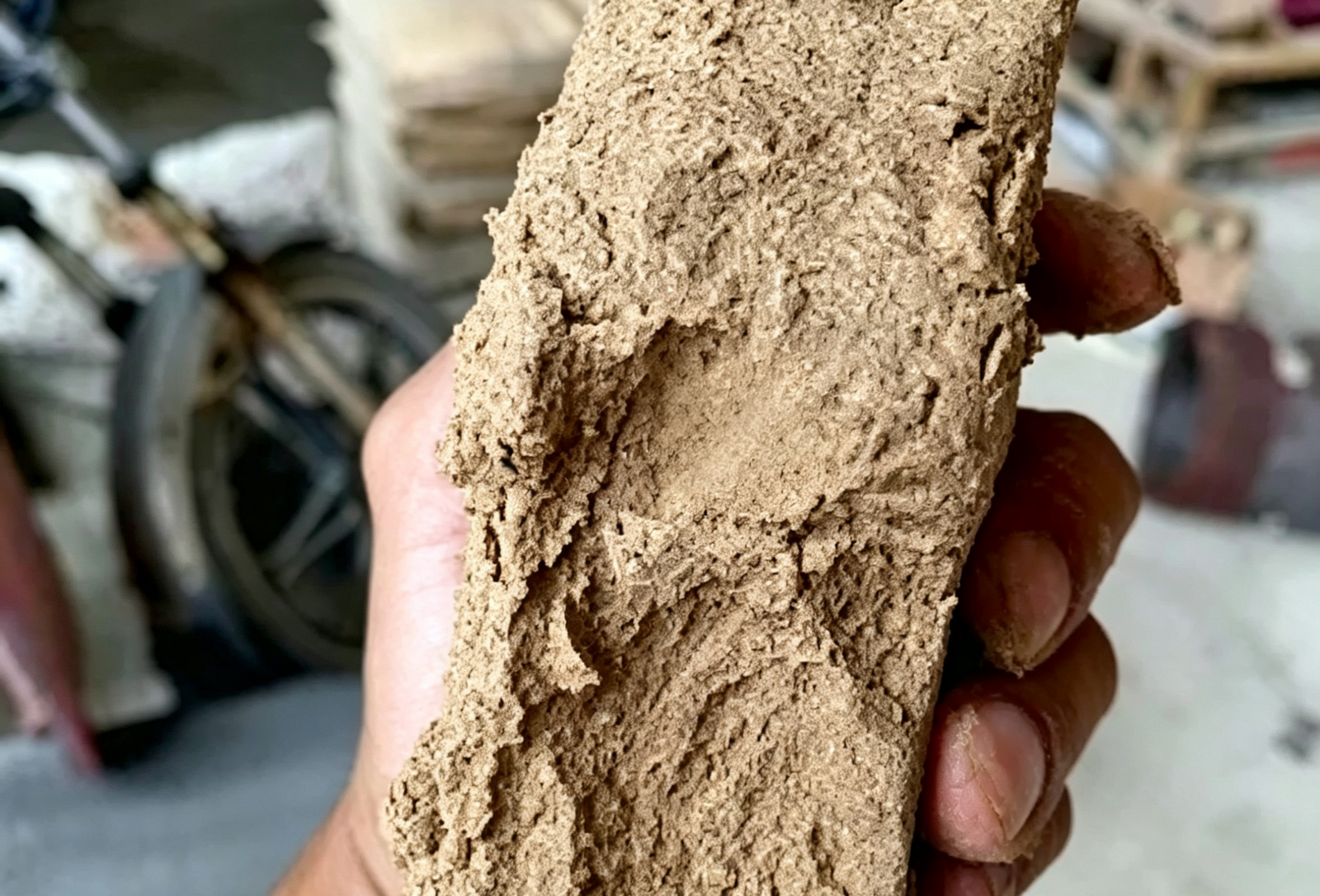
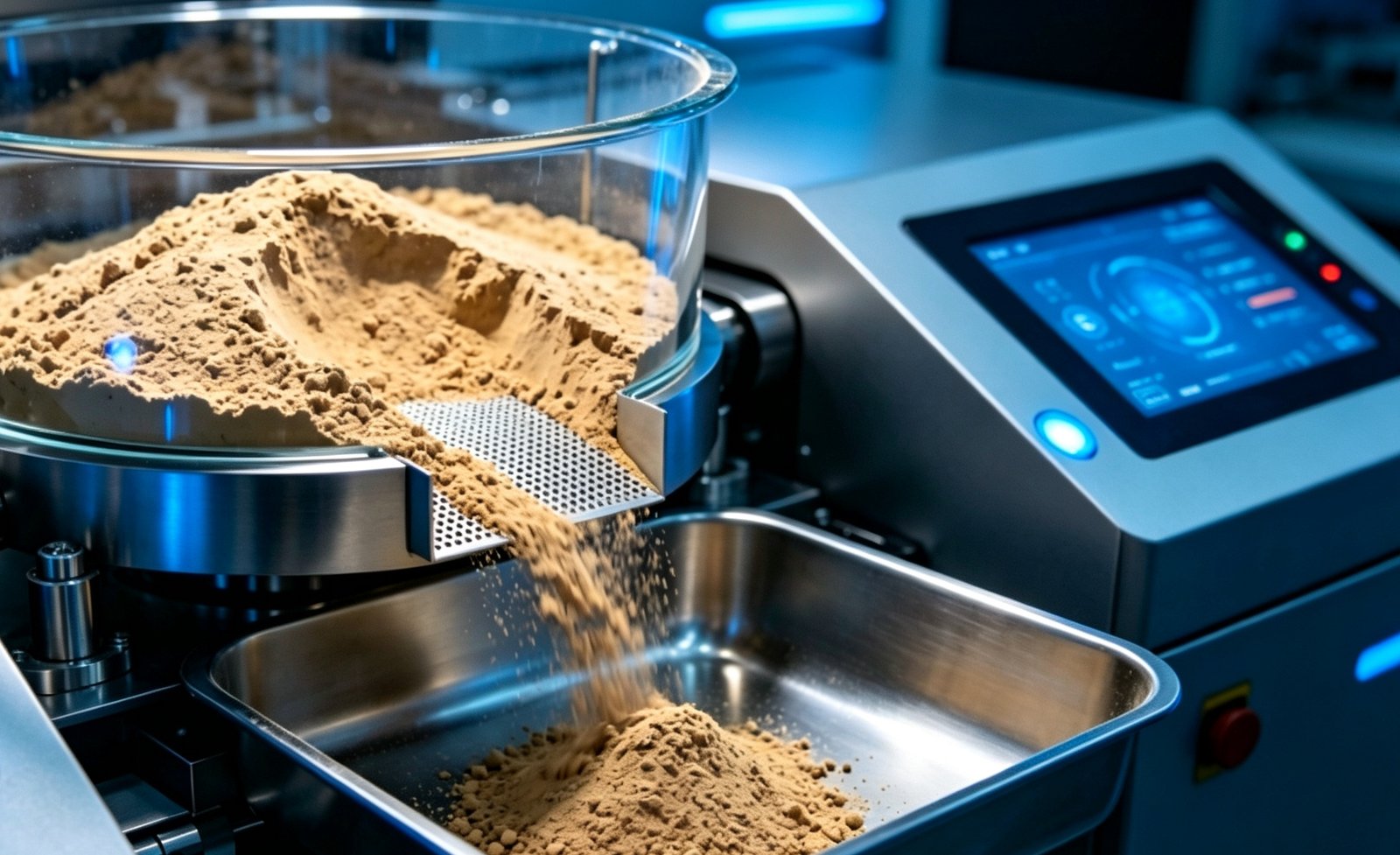
What We Observe During a Test:
- Feeding stability
- Disintegration behavior
- Wall build-up tendency
- Drying temperature window
- Final moisture achieved
- Powder particle condition
- Product recovery rate
- Color or thermal change
From Process Evaluation to FAT
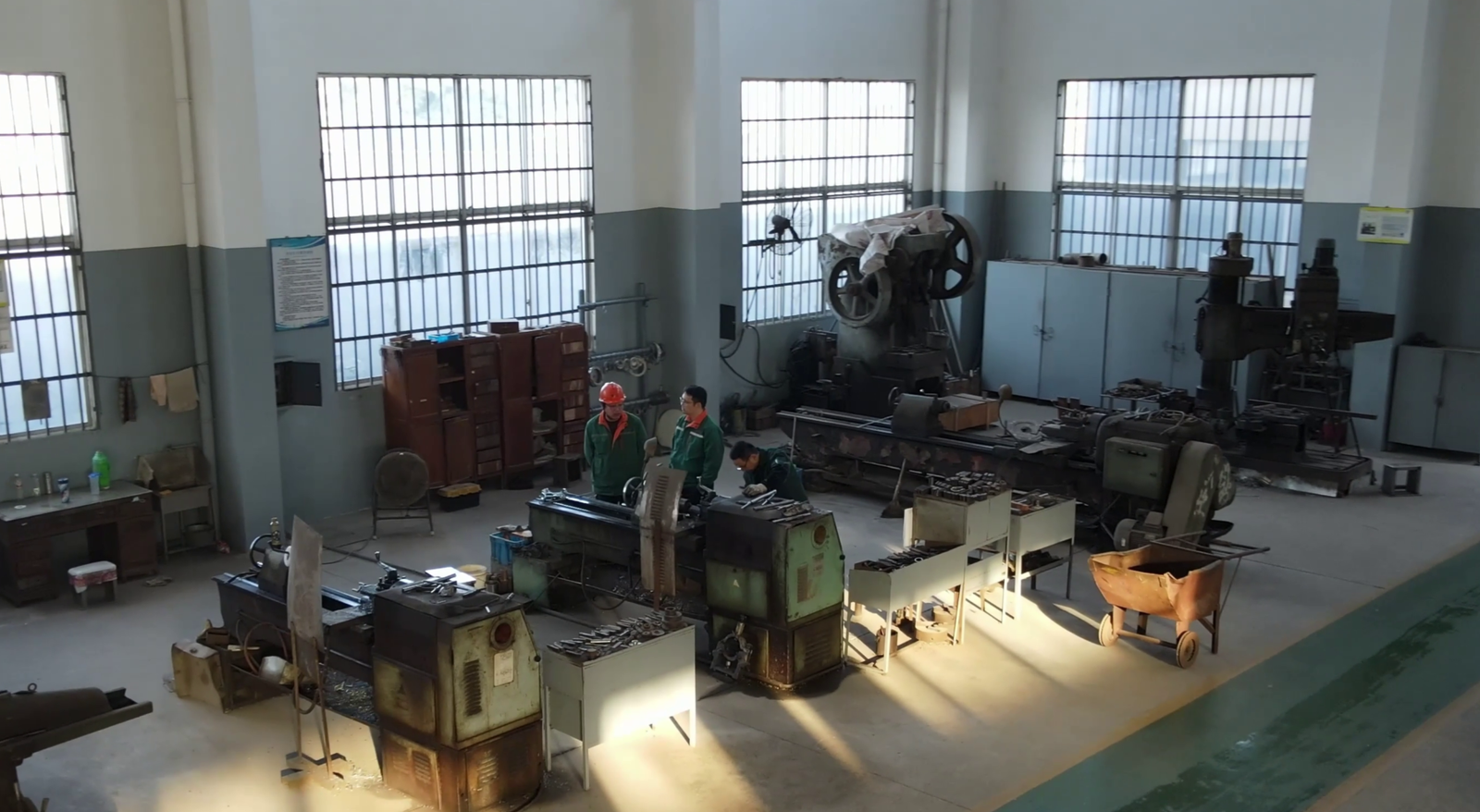
JEXDRY is the international brand of Jiangsu Xingxing Drying Equipment Co., Ltd., located in Changzhou, China. Since 1998, we have been designing and manufacturing industrial drying systems. Our engineers provide complete support from initial material assessment to Factory Acceptance Testing (FAT).
-
1
Material and Process Review Engineers analyze feed properties and production goals.
-
2
Preliminary Selection Sizing calculation and configuration proposal based on data or tests.
-
3
System Layout and Utility Confirmation Providing general arrangement drawings and utility consumption lists.
-
4
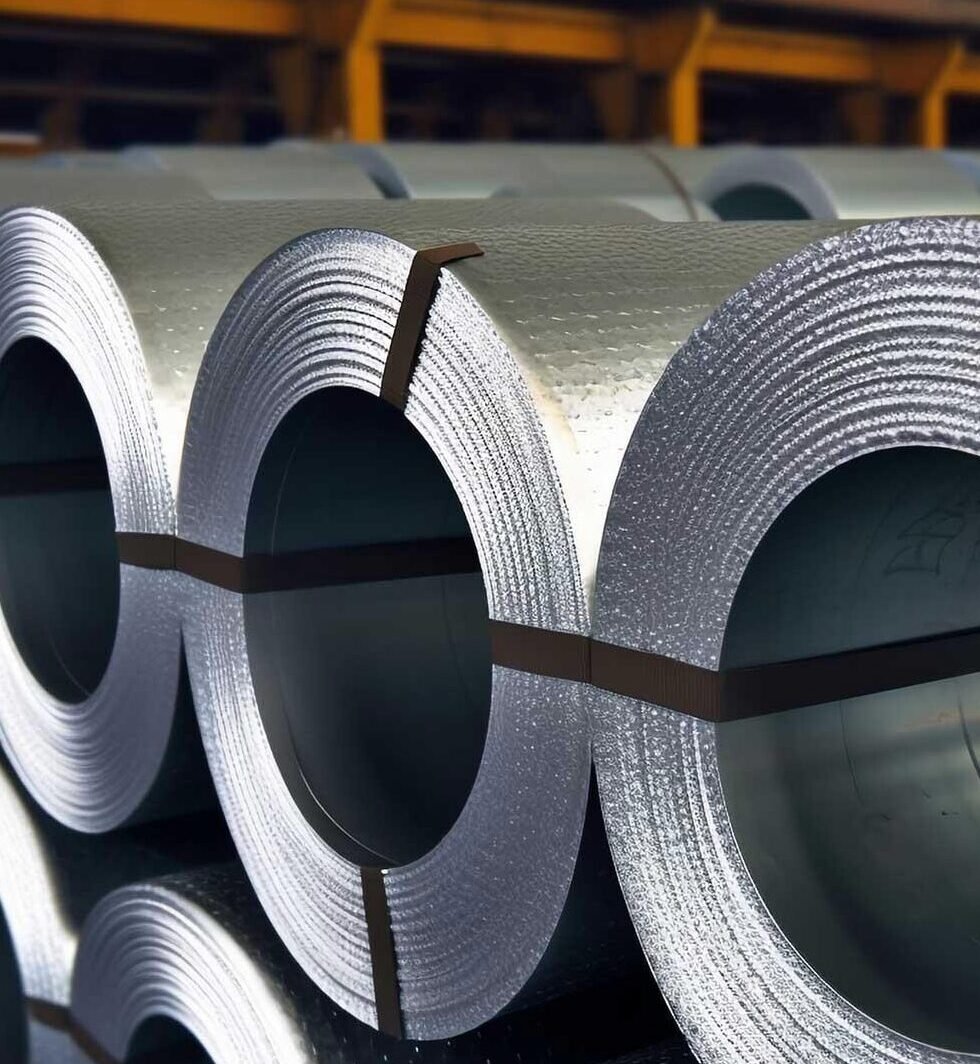
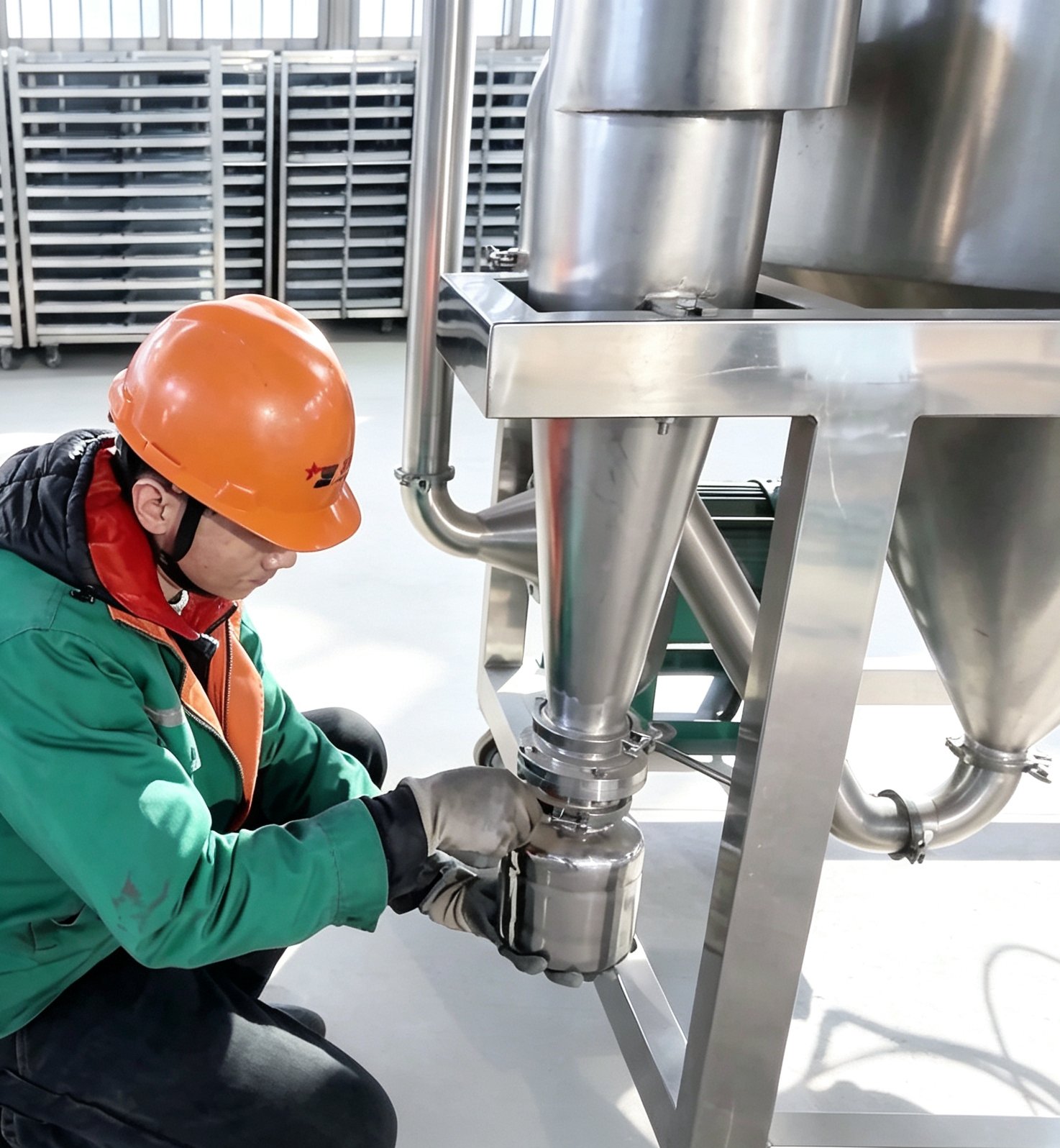
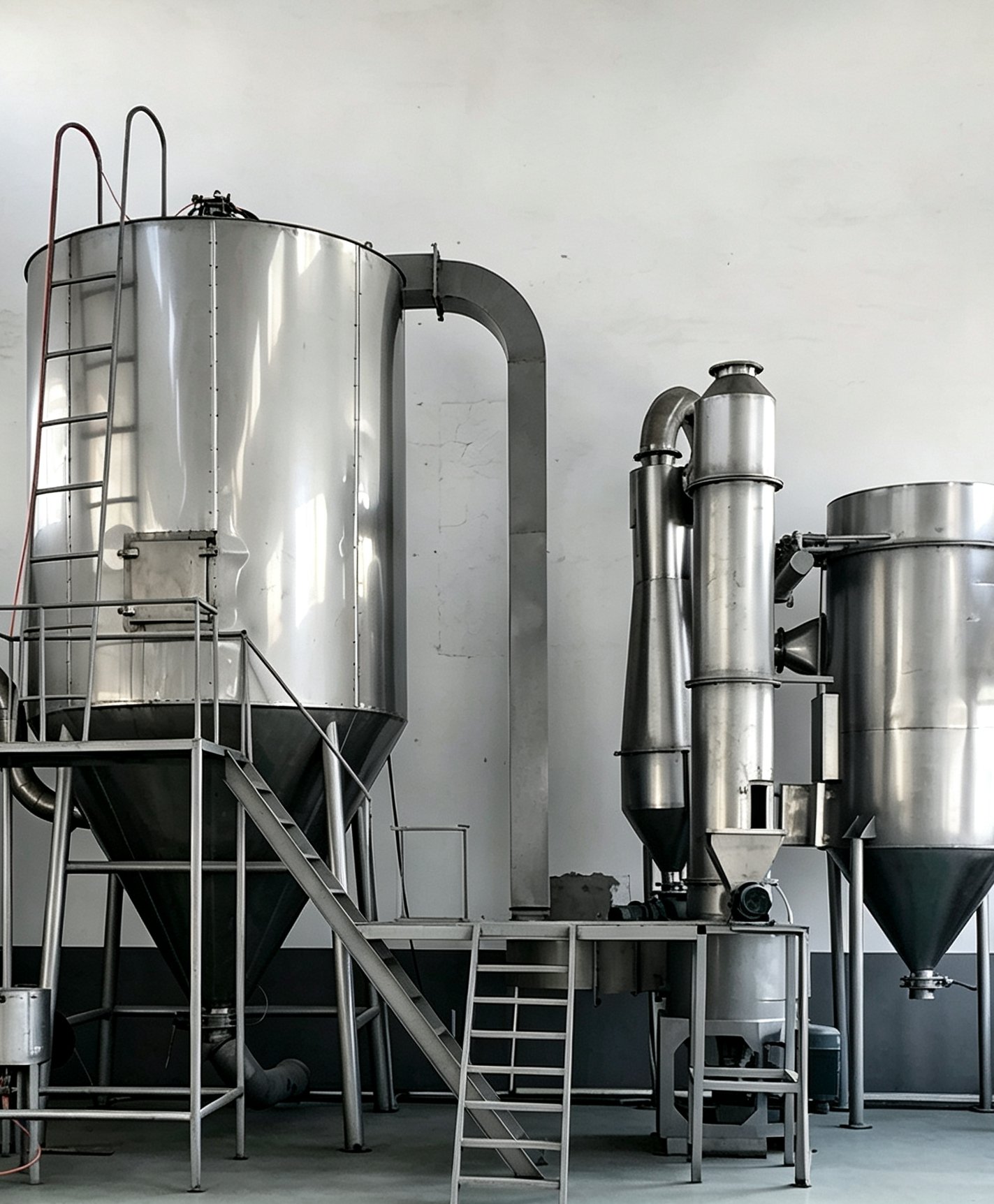
Manufacturing and Inspection In-house fabrication with strict quality control on welds and dimensions.
-
5
FAT and Trial Operation No-load mechanical testing and control system verification before shipment.
-
6
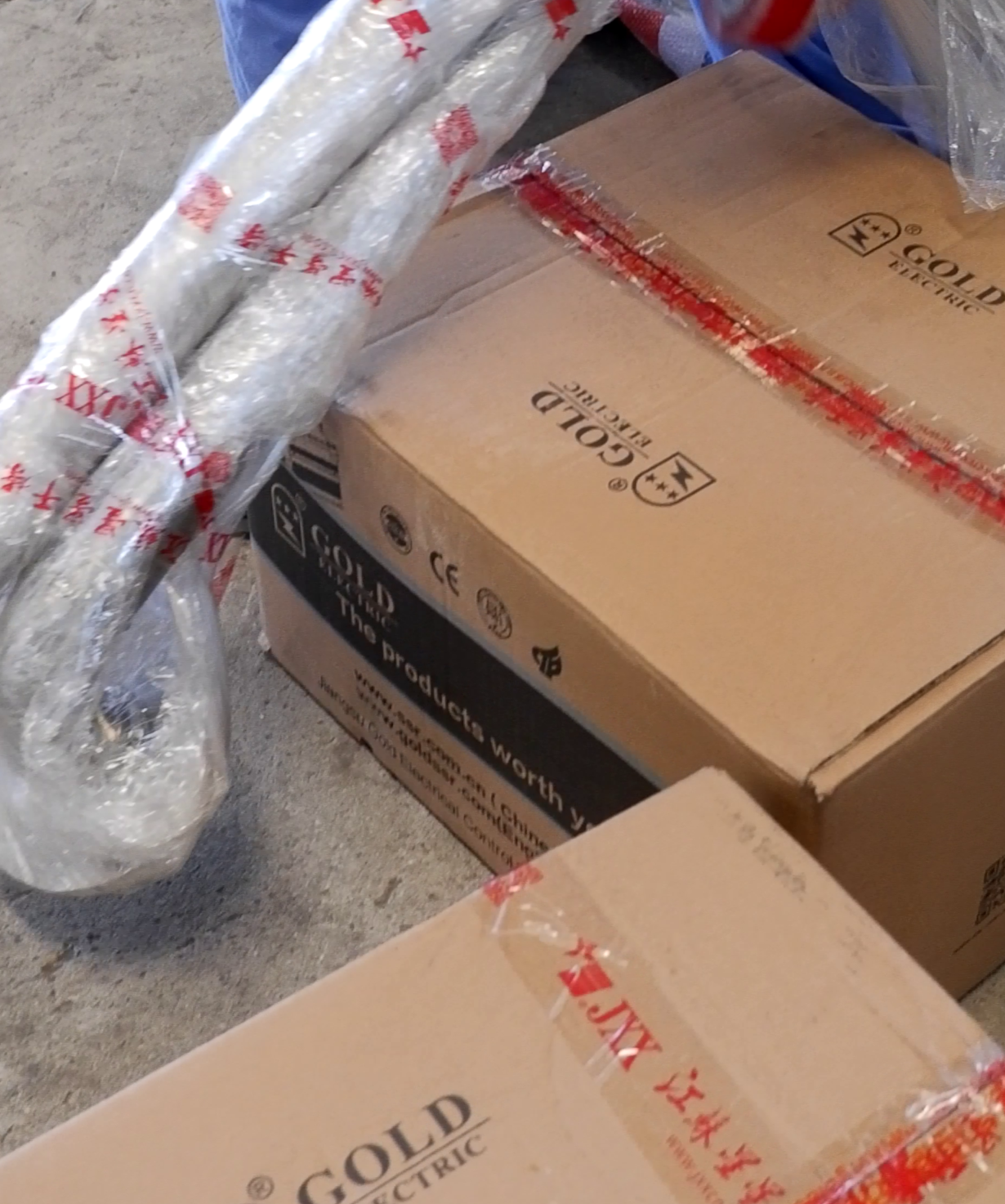
Technical Documents and Delivery Support Providing English manuals, electrical diagrams, and remote installation guidance.
What You Can Verify Before Shipment
Third-party inspection (e.g., SGS, TÜV) can be coordinated when required by the purchase contract.
Spin Flash Dryer FAQs
What is a spin flash dryer used for?
Can a spin flash dryer handle sticky materials?
What is the difference between a spin flash dryer and a flash dryer?
Can wet filter cake be fed directly into a spin flash dryer?
How is the final moisture controlled?
How is the final powder particle size controlled?
Is a spin flash dryer suitable for heat-sensitive materials?
What heat sources can be used?
What information is required for spin flash dryer sizing?
Do I need a cyclone and a bag filter?
Can the contact parts be made of stainless steel?
Should material testing be carried out before selection?
Related Drying Equipment
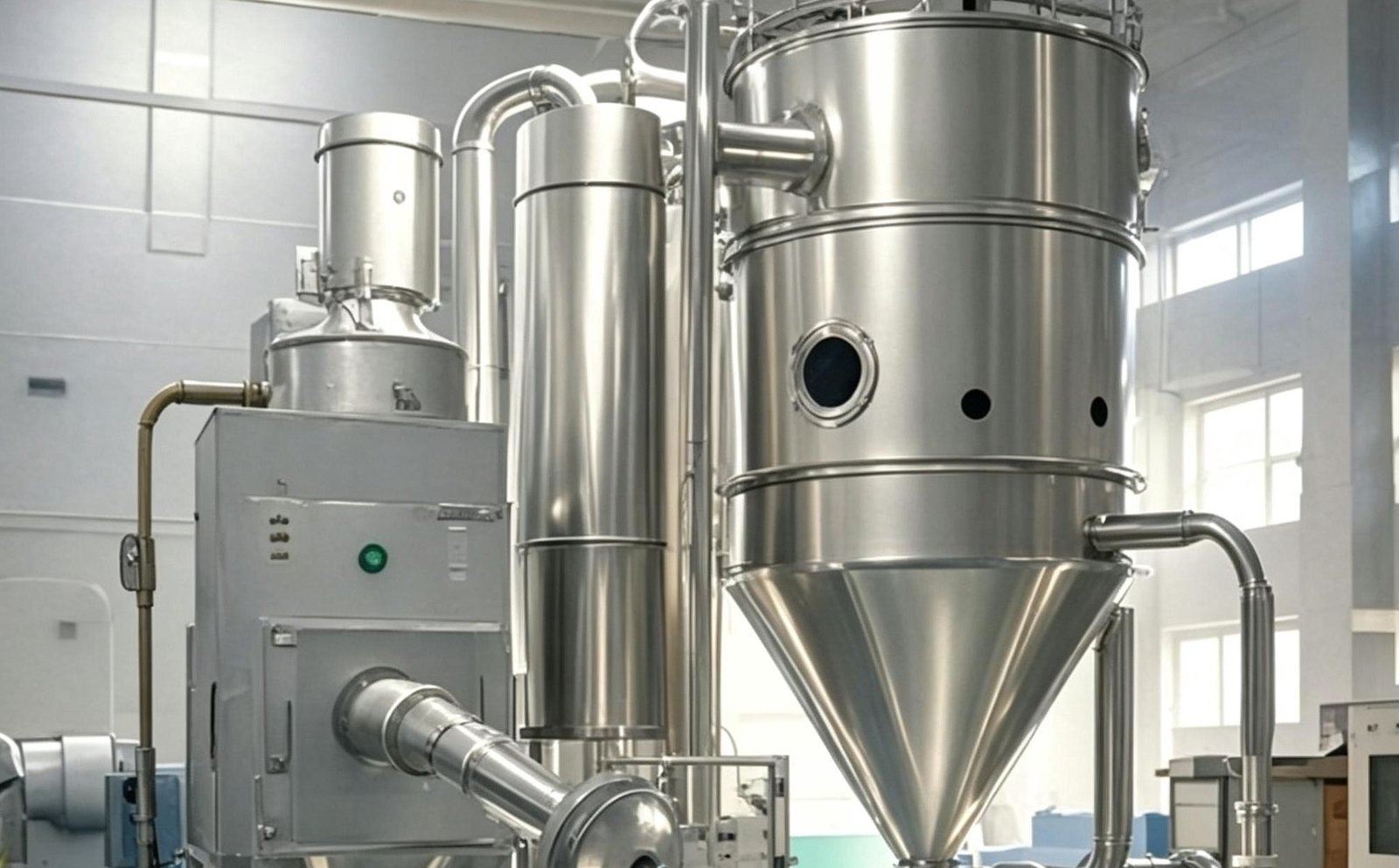
Spray Dryer
Suitable for processing pumpable liquids, solutions, emulsions, or slurries into fine, uniform powders in a single step.
View Spray Dryers →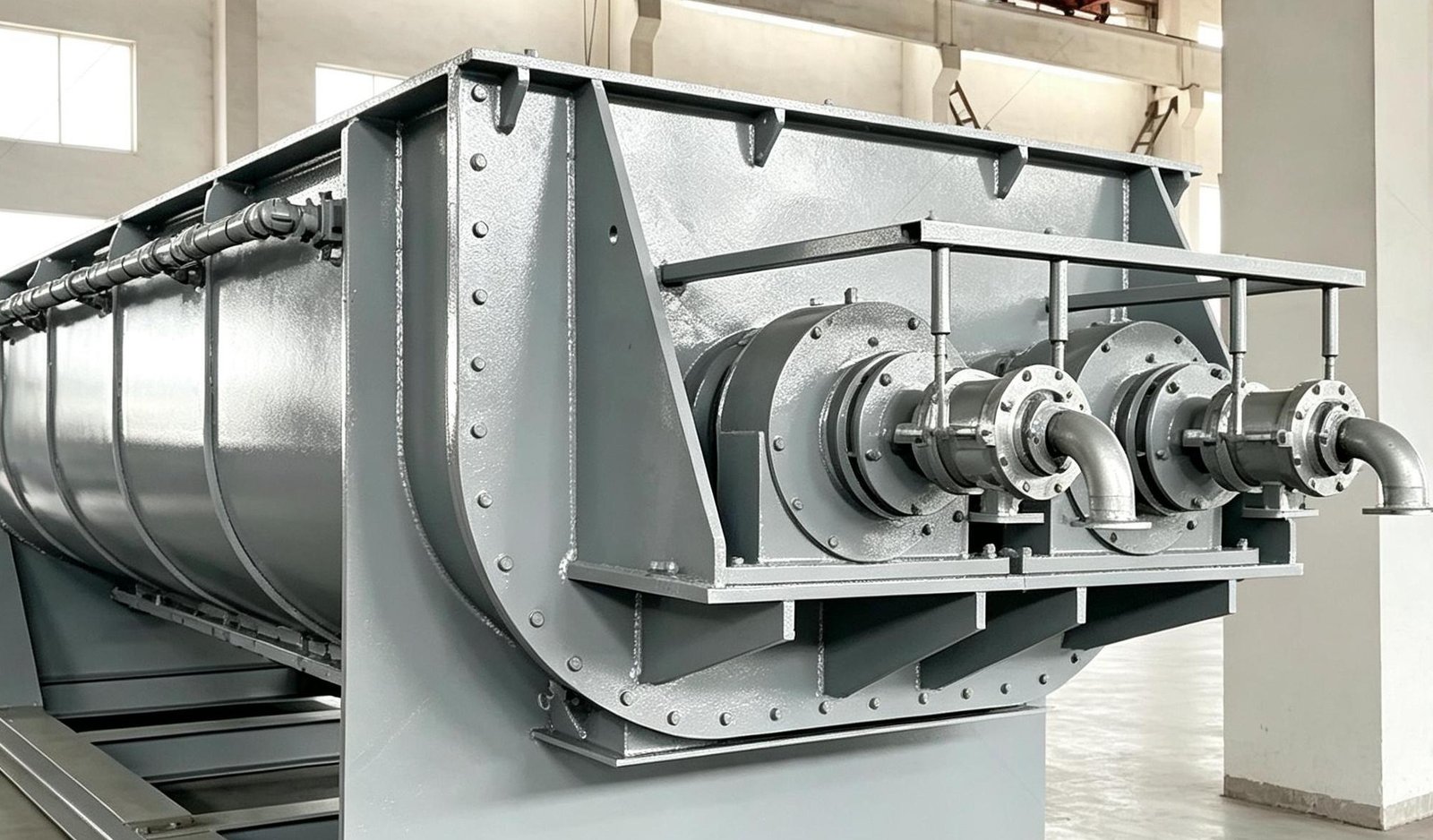
Paddle Dryer
Suitable for pastes, sludges, and powders requiring indirect heat transfer, low exhaust volume, or long residence times.
View Paddle Dryers →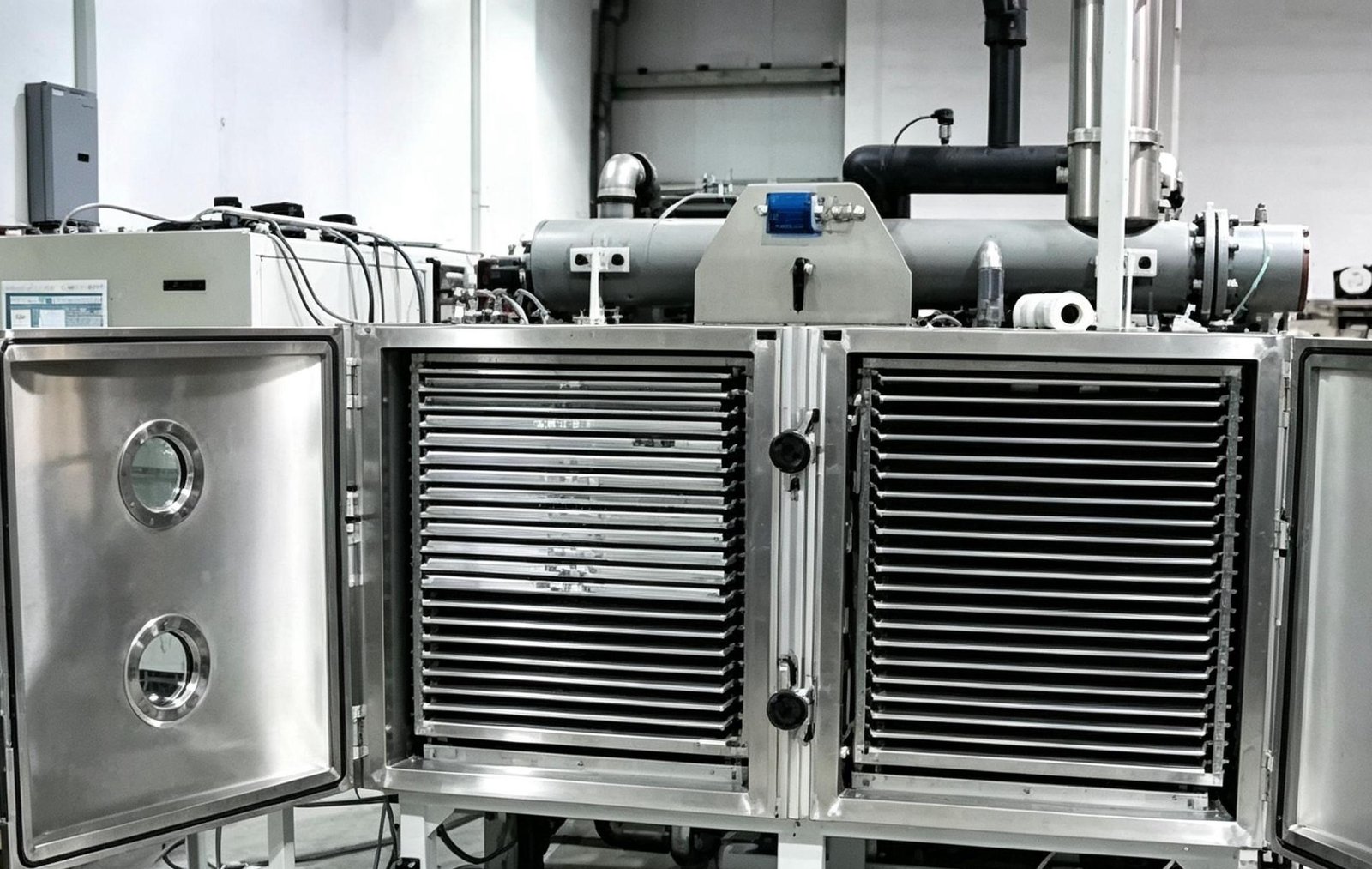
Vacuum Dryer
Suitable for highly heat-sensitive materials requiring low-temperature drying or closed-batch solvent recovery.
View Vacuum Dryers →
Need to Dry a Filter Cake, Paste or Cohesive Material?
Send us your material name, wet feed rate, initial moisture, target moisture and available heat source. Our engineers will review whether spin flash drying is suitable before recommending a model and system configuration.
Material photos, SDS and existing process data are helpful for the initial evaluation.