Advanced Drying Technology &
Custom Engineering
Explore our latest engineering insights, material testing case studies, and innovations in industrial drying systems designed for global enterprise applications.
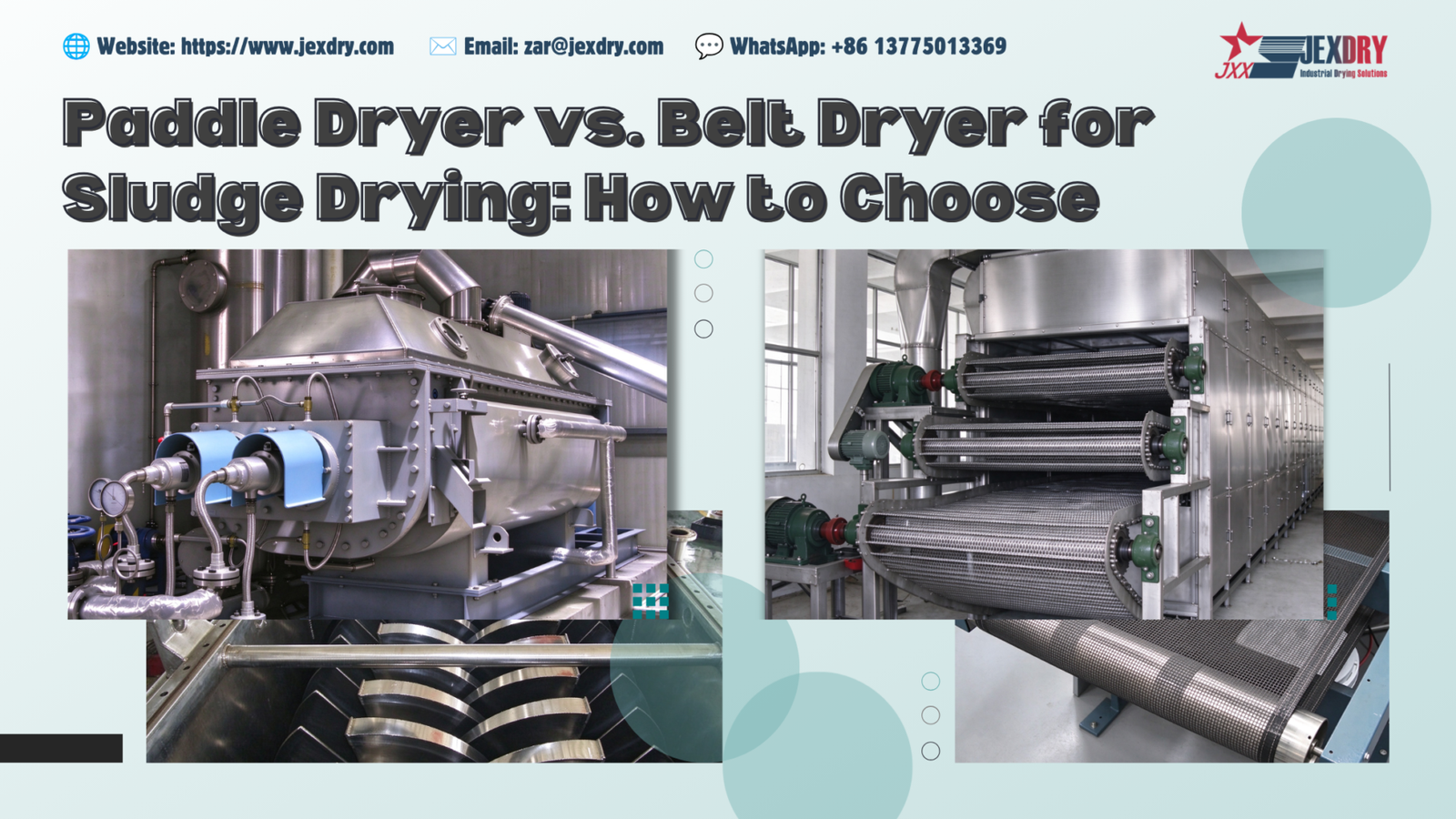
Paddle Dryer vs. Belt Dryer for Sludge Drying: How to Choose
A paddle dryer transfers heat through metal surfaces while mixing the sludge. A belt dryer uses heated air to dry a layer of sludge carried on a moving belt. The way each dryer heats and moves the sludge determines how it handles sticky filter cake, what feed preparation it needs, and which heat sources it […]
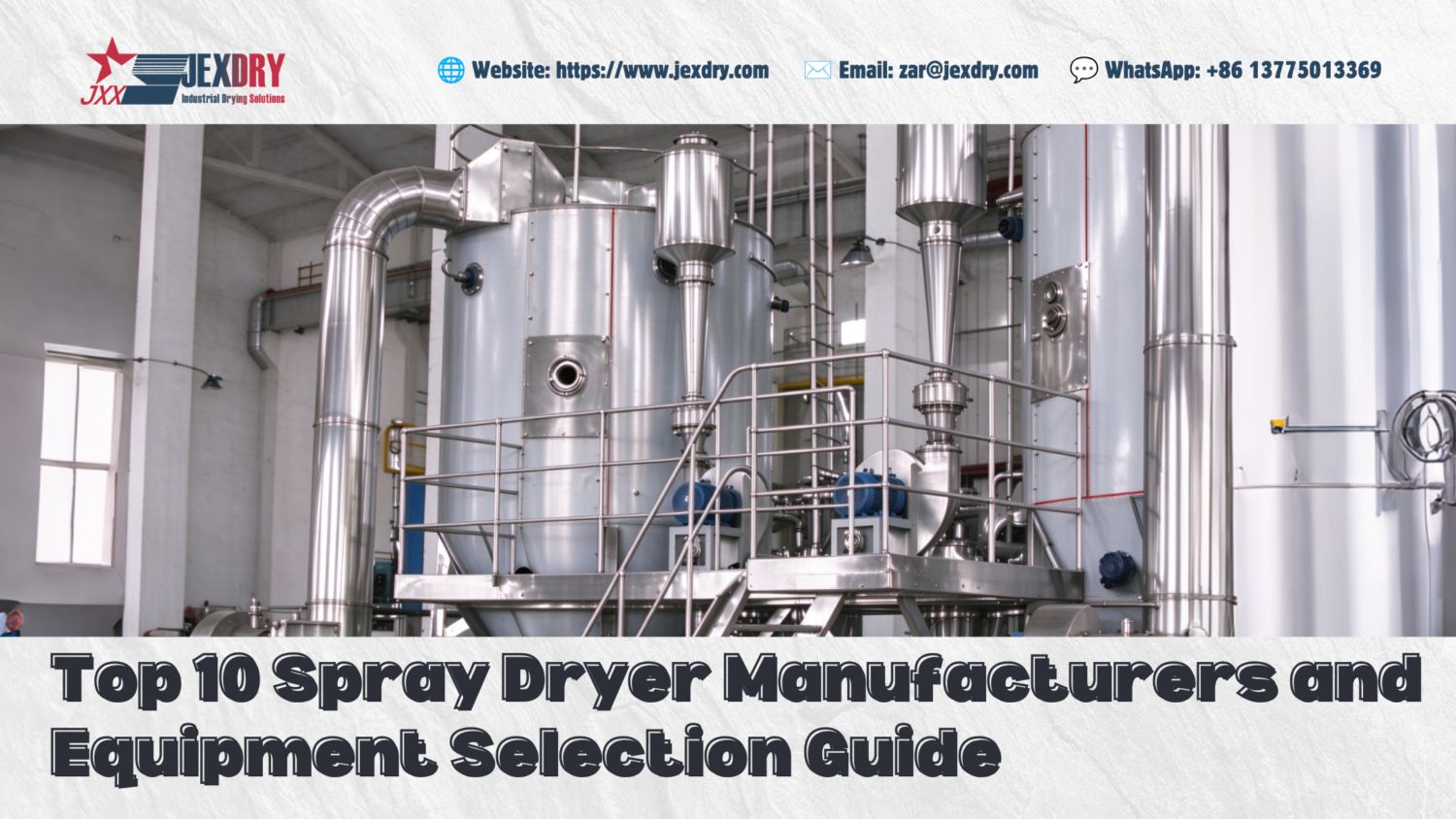
Top 10 Spray Dryer Manufacturers and Equipment Selection Guide
Choosing a spray dryer manufacturer starts with the powder you need to produce. A ceramic slurry intended for pressing requires different particle properties from an instant beverage ingredient or a pharmaceutical formulation. Feed solids, viscosity, solvent content, and the required powder moisture all affect the equipment selection. The manufacturers below offer their own spray drying […]
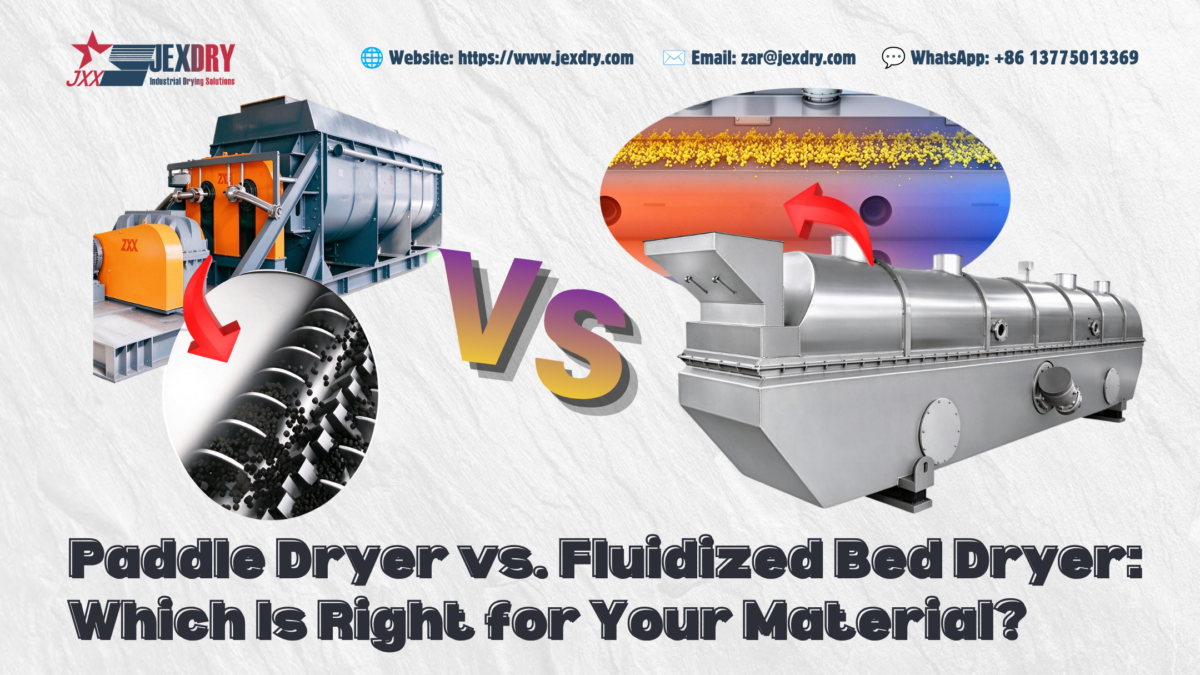
Paddle Dryer vs. Fluidized Bed Dryer: Which Is Right for Your Material?
Choose a paddle dryer when your wet feed needs mechanical mixing and indirect heating, particularly for cohesive filter cakes and pastes. Choose a continuous hot-air fluidized bed dryer when your solids can form a stable, moving bed and benefit from direct contact with drying gas. Within the fluid bed family, evaluate a non-vibrating design for readily […]
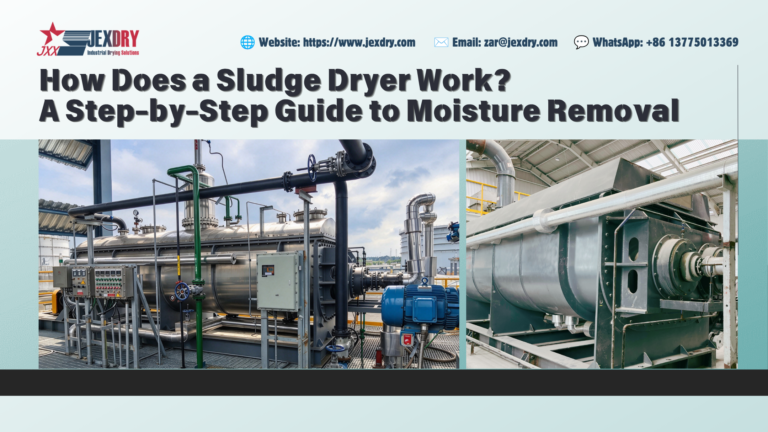
How Does a Sludge Dryer Work?A Step-by-Step Guide to Moisture Removal
A thermal sludge dryer supplies heat to wet sludge, evaporates part of its water and removes the resulting vapour. The remaining material leaves with a lower moisture content and a higher percentage of dry solids. Effective drying depends on three processes working together: heat reaching the sludge, moisture moving out of the material and vapour […]
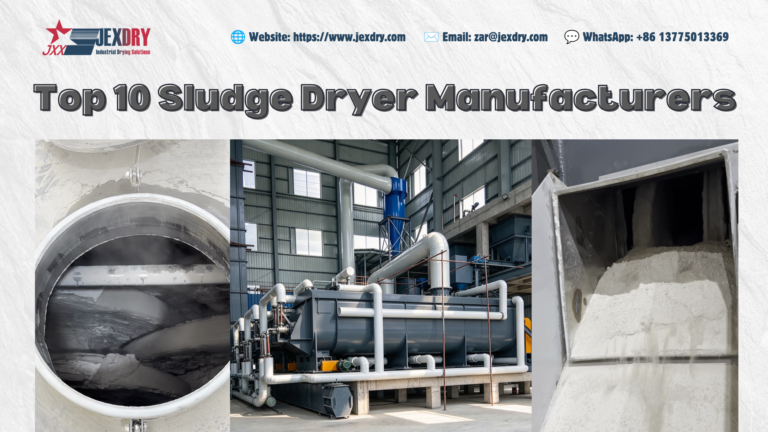
Top 10 Sludge Dryer Manufacturers
Choosing a sludge dryer manufacturer means comparing a complete process against your sludge and site conditions. A municipal plant may need to dry biosolids before incineration. An industrial wastewater treatment plant may be handling corrosive filter cake with variable moisture. Those projects can require different feeding equipment, heating arrangements, and vapor treatment systems. The manufacturers […]
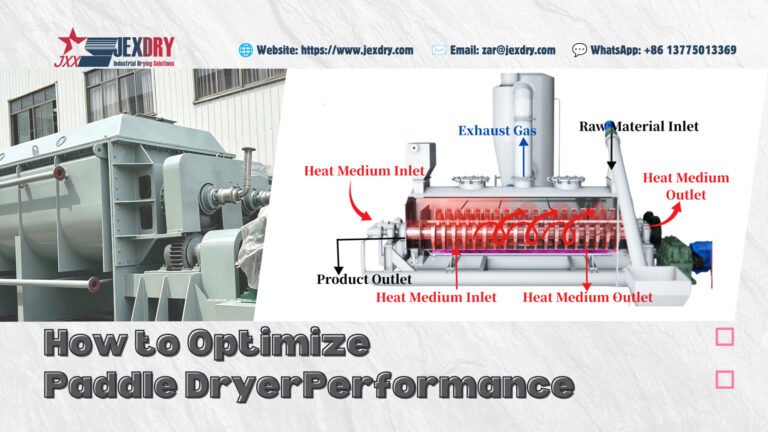
How to Optimize Paddle Dryer Performance
To optimize paddle dryer performance, focus on five areas: temperature and pressure settings, paddle blade design, preventive maintenance, moisture monitoring, and feed preparation. These factors work together to control outlet moisture, drying capacity, and energy consumption. Paddle dryers process materials ranging from chemical slurries and filter cakes to food-processing residues and sludge. When performance falls, […]
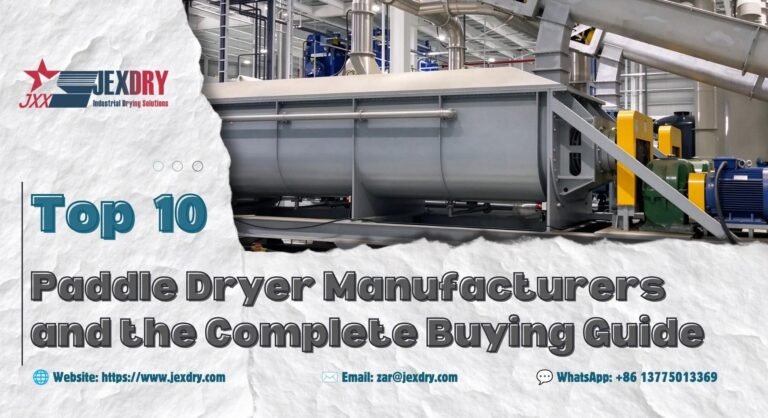
Top 10 Paddle Dryer Manufacturers and the Complete Buying Guide
Updated: October 16, 2026 Choosing a paddle dryer manufacturer means matching the equipment to your material and production schedule. For a continuous sludge line, compare evaporation load, behavior through the sticky phase, and connections to feeding and vapor treatment. For a heat-sensitive filter cake processed in batches, usable loading, vacuum conditions, discharge, and cleaning time […]
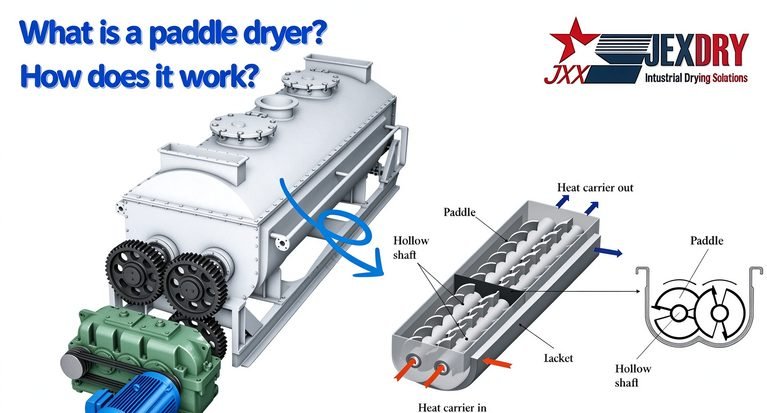
What is a Paddle Dryer and How Does It Work?
A paddle dryer is an indirect contact dryer that uses rotating hollow paddles and a heated jacket to remove moisture from wet materials. Heat passes through metal surfaces into the product, while the paddles mix the material for more uniform drying. Common applications include sludge, chemicals, minerals, powders, and pastes. For manufacturers, the main advantages […]